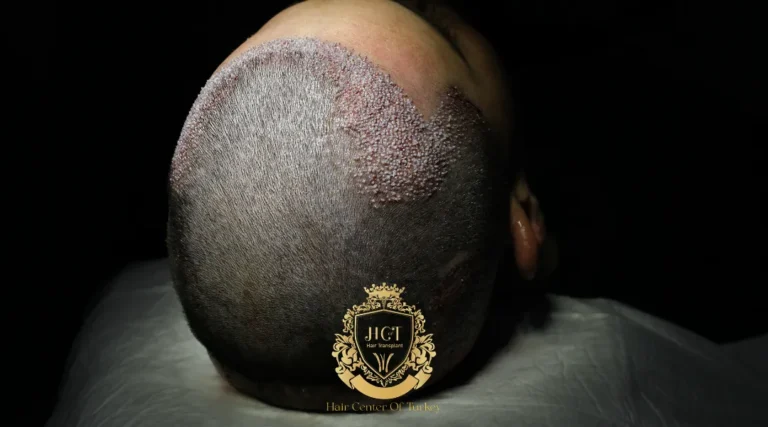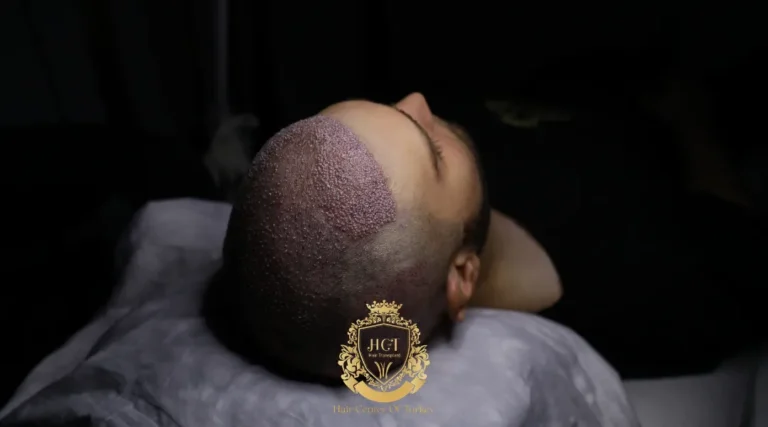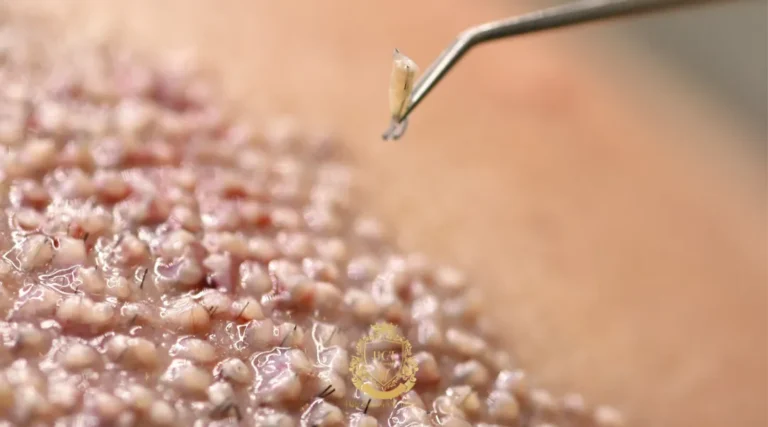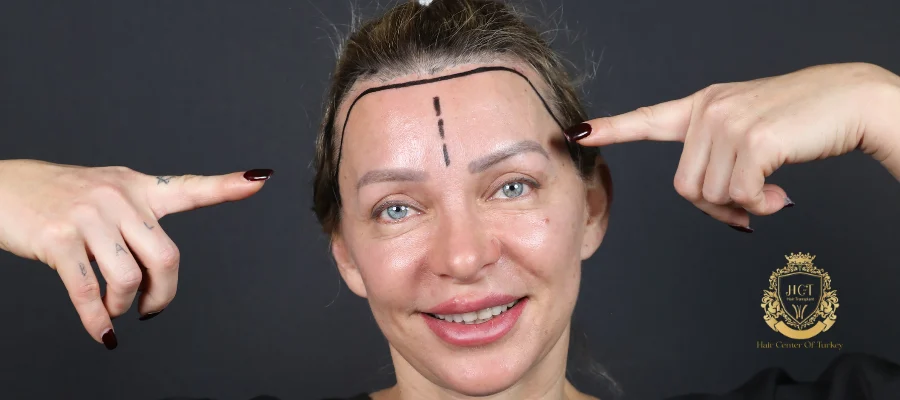
Female hair transplant Turkey is a cosmetic procedure that restores hair density using advanced follicle transplantation techniques. Turkey has become a top destination for female hair transplant treatments. Clinics use modern FUE or DHI methods to transplant healthy hair follicles.
Surgeons carefully design the hairline to maintain a natural and feminine appearance. This procedure helps women with thinning hair, traction alopecia, or genetic hair loss. Recovery is usually quick, with minimal scarring and downtime.
Table of Contents
What Is Hair Transplantation for Women?
Hair transplantation for women is a procedure in which natural hair follicles are transferred to thinning or completely bald areas in women experiencing hair loss. This method is especially preferred for hair loss caused by genetic factors, hormonal changes, stress, and various health conditions, and it has become increasingly popular among women in recent years. Since the procedure is performed using the patient’s own hair follicles, it provides natural and permanent results. Thanks to advancements in modern techniques, hair transplantation for women has become a much more comfortable procedure with minimal scarring and a short recovery period.
Hair transplantation for women not only improves aesthetic appearance but also stands out as an important procedure that boosts self-confidence. Successful results can be achieved particularly in cases such as widening of the hair part line, thinning at the crown area, or hair loss caused by trauma. Proper planning and the use of techniques suitable for the individual’s hair structure are extremely important in female pattern hair loss. Therefore, hair transplantation for women should always be evaluated and planned by a specialist doctor.
Who Is a Suitable Candidate for Female Hair Transplantation?
Female hair transplantation is a suitable procedure for individuals who experience a certain level of hair loss and have a sufficient donor area with healthy hair follicles. Women with localized hair loss or significant thinning in specific areas can achieve highly successful results.
- Women experiencing genetic hair loss
- Individuals with a receding hairline
- Those with hair loss caused by trauma or burns
- Women experiencing hair thinning due to hormonal changes
- Individuals with hair loss caused by tight hairstyles
- People seeking eyebrow or hairline restoration
- Candidates with sufficient hair follicles in the donor area
What Causes Hair Loss in Women?
Hair loss in women can develop due to many different reasons. One of the most common causes is genetic predisposition. Women with a family history of hair loss may experience thinning hair strands and reduced hair density over time. In addition, hormonal changes are among the leading causes of female pattern hair loss. Conditions such as the postpartum period, menopause, thyroid disorders, and polycystic ovary syndrome can trigger hair loss. Since hair loss in women often progresses slowly, it may be difficult to notice in the early stages.
Stress, unhealthy eating habits, and vitamin deficiencies are also factors that directly affect hair health. In particular, iron deficiency, vitamin B12 deficiency, and irregular sleep patterns can weaken hair follicles. Furthermore, frequent hair dyeing, excessive heat exposure, and intensive use of chemical-based products may cause hair breakage and shedding. Correctly identifying the cause of hair loss in women is extremely important for the success of both the treatment process and hair transplantation planning.
How Is Hair Transplantation for Women Performed in Turkey?
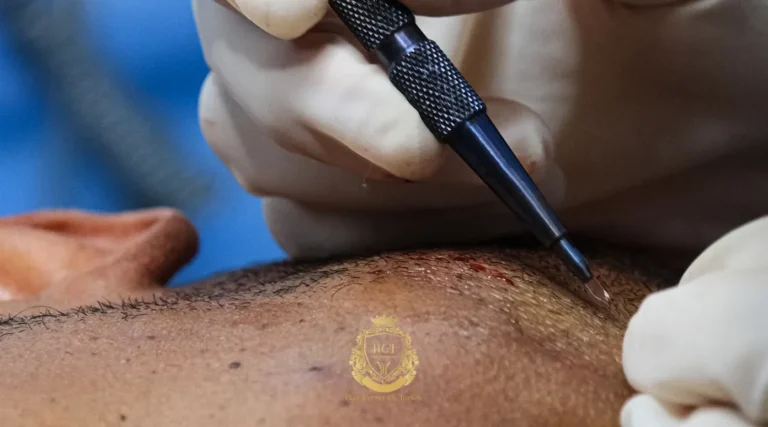
The hair transplantation process for women begins with a detailed hair analysis and assessment of the patient’s needs. A specialist doctor evaluates the cause and type of hair loss as well as the suitability of the donor area. Healthy hair follicles taken from the back of the scalp are then transferred to bald or thinning areas using special microsurgical techniques. Today, the most commonly used methods include FUE and DHI hair transplantation techniques. These methods help preserve the natural direction of hair growth, resulting in a highly aesthetic appearance.
The procedure is usually performed under local anesthesia, so the patient does not feel pain during the treatment. The recovery period after female hair transplantation is generally quick, and most patients can return to their daily routines within a short time. The transplanted hair follicles may experience temporary shedding within the first few weeks, which is considered a normal part of the process. Within a few months, new hair begins to grow, creating a fuller and more natural appearance. Following the specialist’s recommendations after hair transplantation for women is extremely important for achieving successful and long-lasting results.
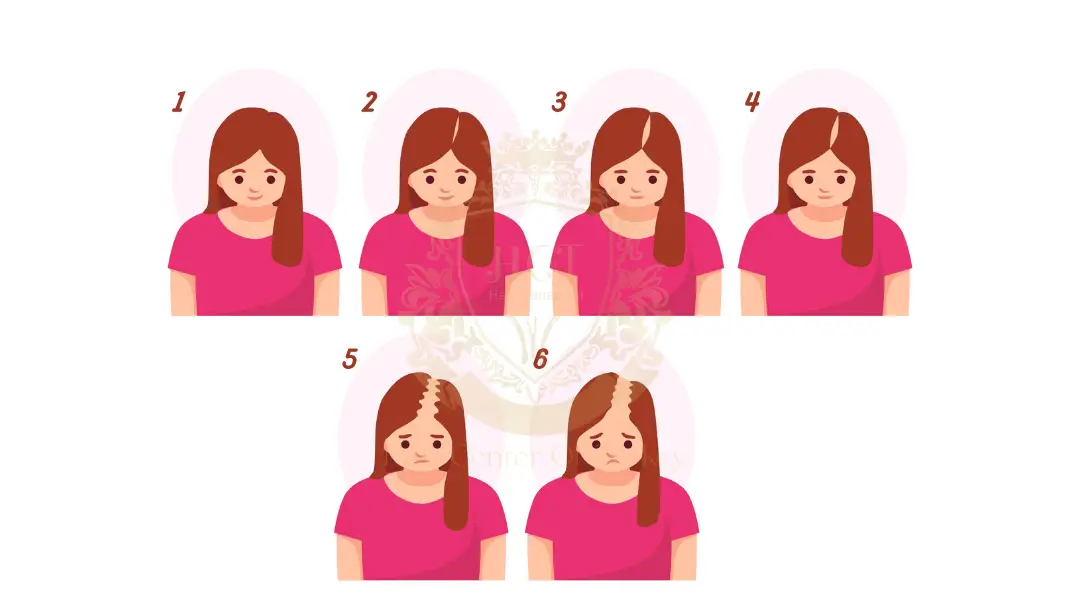
FUE vs. FUT: Which Is Better For Women?
For many women, FUE is preferred because scarring is more discreet and recovery can feel easier. It also works well when you want to keep longer hair and minimize visible donor changes.
FUT can still be a good option in selected cases, especially when graft numbers are high and donor hair characteristics are suitable. The right choice depends on donor density, scalp laxity, styling preferences, and the surgeon’s recommendation.
Unshaven Hair Transplant for Women
Unshaven hair transplant for women is a specialized hair restoration procedure developed for individuals who do not want to shave their hair completely before the treatment. It is especially preferred by women who want to continue their social life without interruption. In this method, hair grafts are carefully extracted from the donor area and transplanted between the existing hairs. As a result, there is no obvious appearance from the outside after the procedure. Unshaven hair transplant for women has become increasingly popular in recent years because it minimizes aesthetic concerns.
The unshaven hair transplant procedure requires expertise and detailed planning. Protecting the existing hair and achieving natural density are extremely important during the process. Successful results can especially be achieved in cases of thinning along the hair parting line and receding areas in the front section. After an unshaven hair transplant for women, the recovery process is generally fast, allowing the patient to return to daily life in a short time.
Female Hairline Design
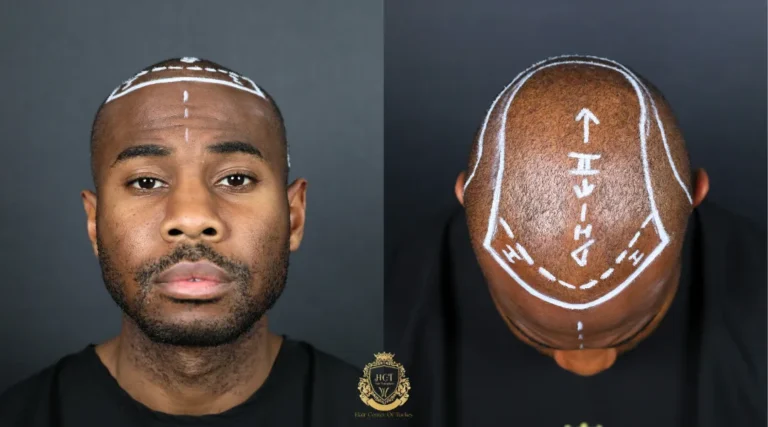
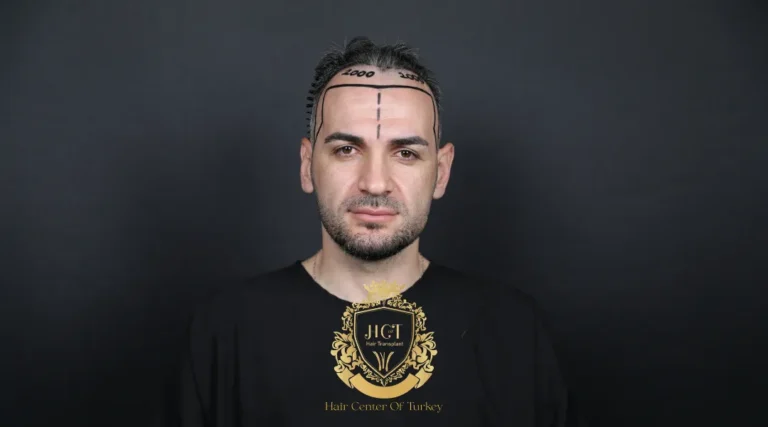
Female hairline design is a specially planned procedure performed to create a natural hair appearance that complements the facial features. Since the hairline directly affects facial aesthetics, it is considered one of the most important stages of the hair transplant process. During female hairline design, factors such as age, face shape, forehead structure, and natural hair density are carefully evaluated. The goal is to achieve a result that looks natural and harmonizes with the individual’s facial proportions.
Hairline correction provides highly effective results, especially for women experiencing forehead widening or a receding hairline. By placing the hair grafts at the correct angle, a natural appearance can be achieved. When female hairline design is performed by experienced specialists, it can contribute to a younger and more balanced facial expression.
Crown Area Hair Transplant for Women
Crown area hair transplant for women is a hair restoration procedure applied to the upper areas where hair density has decreased. Thinning in the crown area is quite common in female pattern hair loss. Over time, thinning hair in this region can make the scalp more visible. With crown area hair transplant for women, sparse areas are restored and densified using natural hair grafts.
In crown area transplantation, the natural direction of hair growth is extremely important. Since the hair in this region grows at different angles, the transplantation plan must be carried out professionally. After a crown area hair transplant for women, a noticeable increase in hair density can be achieved, resulting in a fuller appearance. Regular care and following specialist recommendations help increase the success rate after the procedure.
Hair Transplant for Women with Thin Hair
Hair transplant for women with thin hair is an effective method performed to increase hair density before complete baldness occurs. It is especially preferred in cases where the hair strands become thinner and the scalp starts to become visible. During the procedure, existing hair is preserved while new hair grafts are transplanted into the sparse areas. Hair transplant for women with thin hair is a delicate procedure designed to provide a natural appearance.
Proper density planning is very important in thin hair transplantation because the procedure must be performed without damaging the existing hair. Thanks to modern hair transplant techniques, hair transplant procedures for women with thin hair can now be performed more safely and successfully. After the treatment, the hair gradually becomes fuller, healthier, and more aesthetically pleasing over time.
Recovery After A Female Hair Transplant
Most women experience mild swelling, redness, and scabbing in the first 7–14 days. Many return to desk-based work within a few days, while more active routines may need a short pause.
Early aftercare focuses on protecting grafts: avoid scratching, heavy exercise, and direct sun exposure. Follow your clinic’s washing instructions closely, since gentle cleansing supports healing and graft survival.
When Will You See Results?
It’s normal for transplanted hairs to shed within the first few weeks. New growth typically starts around month 3–4, looks noticeably fuller by month 6, and continues maturing through months 12–18.
Final density depends on donor quality, the number of grafts, the original hair loss pattern, and how well medical therapy supports your native hair.
Risks And Side Effects
Short-term effects can include swelling, itching, temporary shock loss, and minor scarring. These are usually manageable with proper guidance and typically improve as the scalp heals.
Less common risks include infection, prolonged redness, folliculitis, or uneven growth. Choosing an experienced surgical team and following aftercare instructions reduces the likelihood of complications.
Female Hair Transplant Before And After: What Looks Natural
Natural results come from careful hairline design, appropriate graft selection, and placing follicles at the correct angle and direction. The best outcomes look like your own hair rather than a sharp, artificial edge.
Because women often wear longer styles, blending is key. A well-planned transplant should integrate smoothly with existing hair and keep the donor area discreet.
Alternatives To Surgery
If you’re not ready for surgery (or if thinning is diffuse) non-surgical treatments may help. Options commonly include topical minoxidil, platelet-rich plasma (PRP), low-level laser therapy, and targeted supplementation when a deficiency is confirmed.
For many women, a combined plan works best: medical therapy to stabilize ongoing loss, plus a transplant to rebuild visible areas like the hairline or part line.
Female Hair Transplant Turkey Cost In 2026
Costs depend on graft count, technique (FUE, FUT, DHI), surgeon involvement, and what’s included in aftercare. Many clinics quote a global range of roughly €2,500–€6,000, with significant variation by country and clinic.
In Turkey, advertised package prices for women are often lower than in the U.S. or Western Europe, though the final quote still depends on graft needs and technique. Treat online pricing as a starting point and rely on an in-person or video assessment for an accurate plan and cost estimate.
Frequently Asked Questions
How much do 3,000 female hair grafts cost?
About €2,500–€6,000 in Turkey for 3,000 grafts.
What is the success rate of a female hair transplant?
Around 90–95% of transplanted follicles survive and grow long-term.
What happens 20 years after a female hair transplant?
Transplanted hair usually persists, but surrounding native hair may keep thinning.
How long do Turkish female hair transplants last?
Typically decades, often lifelong, if donor hair is stable and well-placed.
Do transplanted hairs fall out after hair transplantation in women?
Temporary shock loss may occur after hair transplantation in women, but the hair follicles begin to grow back permanently.
Does hair transplantation in women look natural?
Hair transplantation in women provides a very natural appearance when performed with the right technique and expert planning.
Can hair transplantation in women be performed during menstruation?
Hair transplantation in women can be performed during menstruation; however, a different date may be preferred for the person’s comfort.
When can women return to work after hair transplantation?
After hair transplantation in women, most people can return to daily life and work within a few days.
Explore the complete guide: Hair Transplant Types