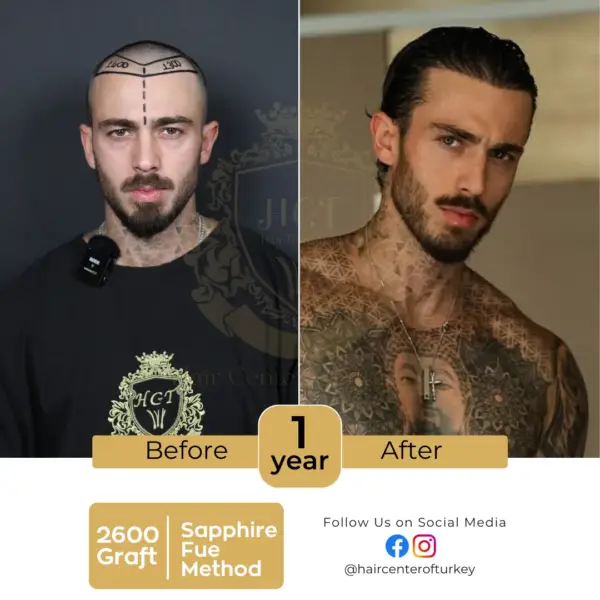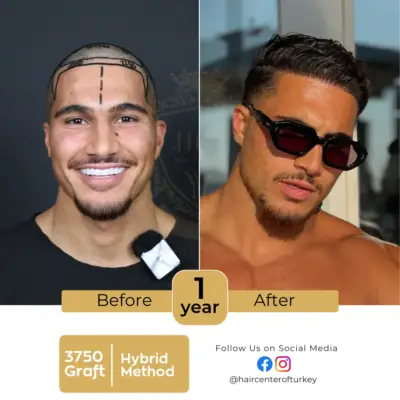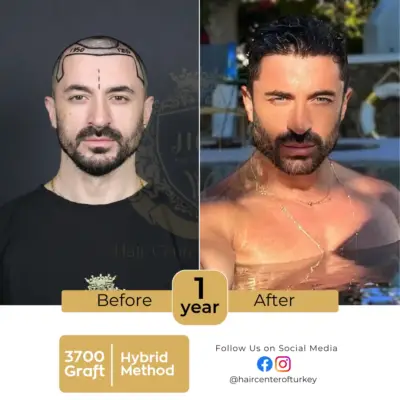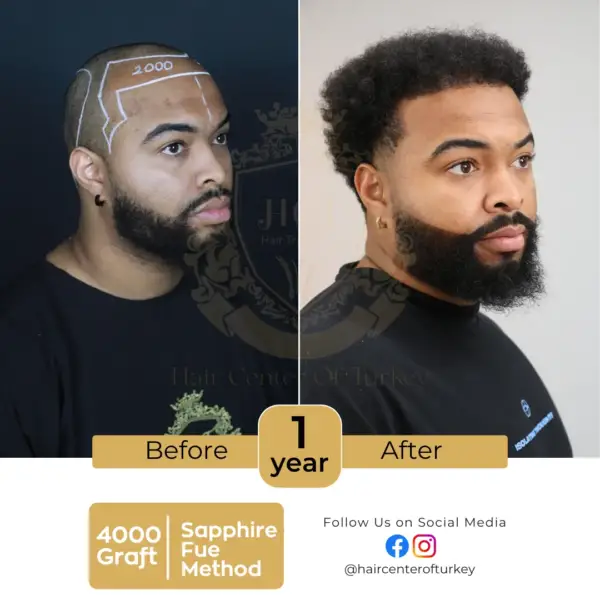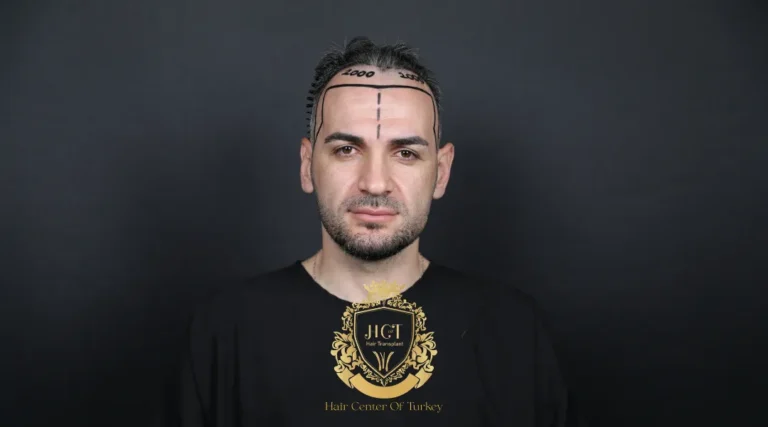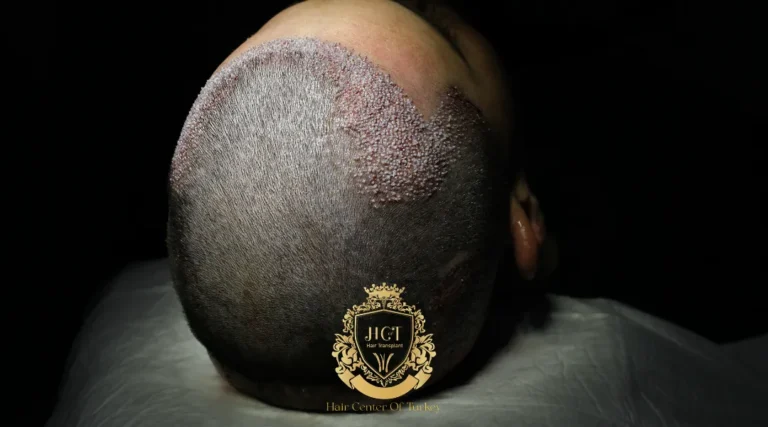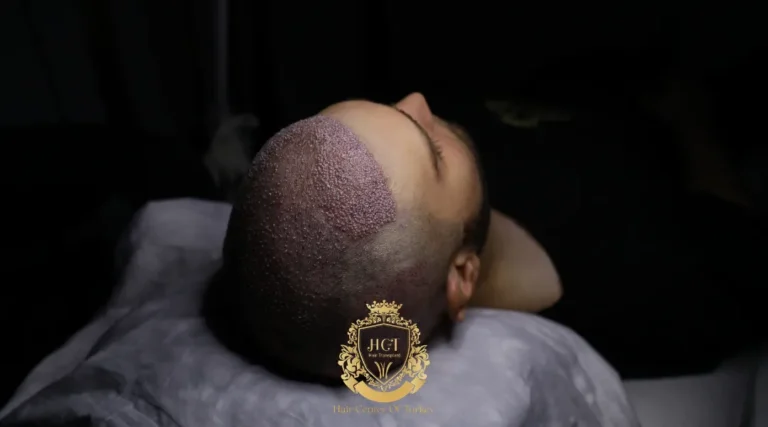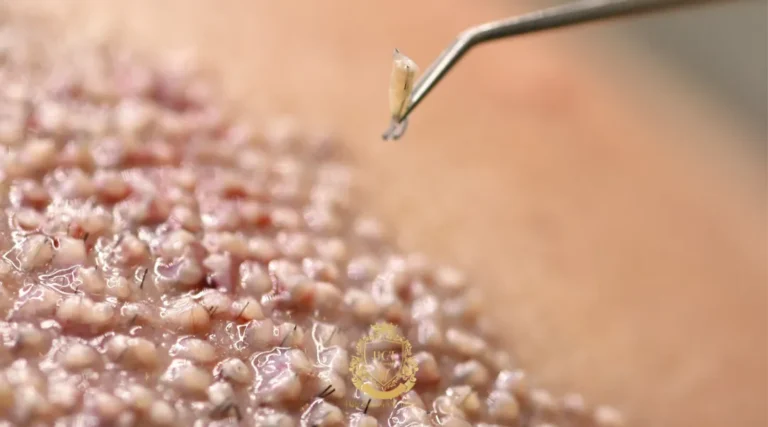



A hair transplant is an outpatient procedure that relocates healthy follicular units from a stable donor area to thinning or bald areas. At HCT, the plan is built around donor capacity, hairline design, graft handling and long-term hair loss. Most suitable patients are treated with Sapphire FUE, DHI or a tailored hybrid approach.
A successful hair transplant is not simply a question of moving as many grafts as possible. The quality of the result depends on diagnosis, donor management, natural hairline planning, controlled extraction, careful implantation and structured aftercare.
This guide explains how hair transplantation works and what patients should compare before choosing a clinic. It also sets out the Hair Center of Turkey (HCT) patient journey, team roles, expected result timeline, package structure and free online hair analysis.
What Is a Hair Transplant?
A hair transplant moves living hair follicles from a donor area, usually the back and sides of the scalp, to areas affected by thinning or baldness. These follicles are redistributed; the procedure does not create new hair or increase the total number of follicles available.
Most modern procedures transplant small follicular units containing one or more hairs. Single-hair grafts are commonly reserved for the front edge of the hairline, while multi-hair grafts can help build visual density behind it.
Hair loss may be genetic, hormonal, inflammatory, scarring-related or linked to another medical condition. For that reason, a reliable plan begins with an assessment of the cause and pattern of hair loss rather than an immediate graft quote.
How Does a Hair Transplant Work?
Every hair transplant has two core stages: harvesting grafts from the donor area and placing them in the recipient area. The medical plan determines where grafts can be safely taken, how many are appropriate and how they should be distributed.
Natural-looking results depend on angle, direction, spacing and density. A low or overly straight hairline may look artificial and can consume donor grafts that may be needed if hair loss progresses later.
The donor area is finite. Ethical planning protects it from overharvesting and balances the patient’s current goals with the possibility of future thinning.
Which Hair Transplant Technique Is Right for You?
There is no single best hair transplant technique for every patient. The choice should reflect the size of the treatment area, donor quality, hair characteristics, desired density, shaving preference and the experience of the clinical team.
HCT’s listed treatment options focus on Sapphire FUE, DHI and hybrid planning. FUT remains relevant as an established alternative and is included here so patients can compare the main approaches clearly.
Sapphire FUE Hair Transplant
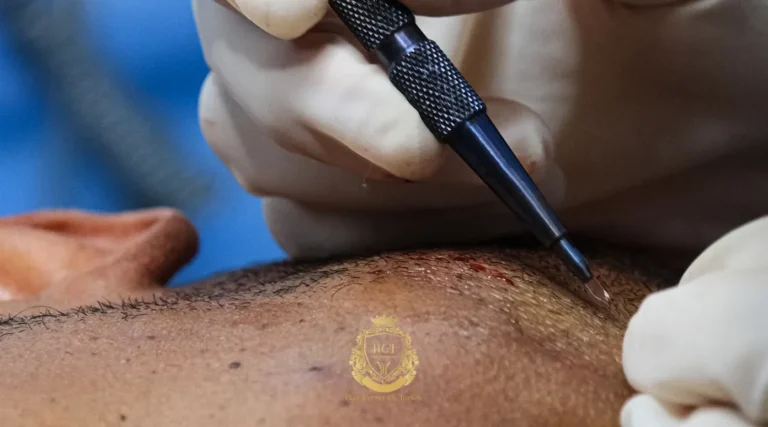
FUE, commonly expanded as Follicular Unit Extraction, removes follicular units one by one with a small punch. In Sapphire FUE, the recipient channels are created with sapphire-tipped blades before graft placement.
This method is often considered for broader areas that require structured coverage. It avoids a linear donor scar, although it still leaves many small dot-like scars that may be visible if the donor area is overharvested or shaved very short.
Sapphire blades are used to create fine, controlled channels. The final result still depends more heavily on diagnosis, hairline design, donor management, channel direction and graft handling than on the blade material alone.
DHI Hair Transplant
DHI uses FUE-style graft extraction followed by implantation with an implanter pen. The device allows the team to load and place grafts while controlling depth, direction and angle.
DHI may be considered for detailed frontal work, density between existing hairs or selected limited-shave cases. It is not automatically better than Sapphire FUE; it is a different implantation workflow suited to particular goals and scalp conditions.
Hybrid Hair Transplant
A hybrid hair transplant combines more than one placement approach within the same treatment plan. For example, Sapphire FUE channel creation may be used for broad coverage while DHI is used in areas where detailed placement is a priority.
The value of a hybrid plan comes from zone-based decision-making rather than the label itself. The clinical team should explain which technique is being used in each area and why.
FUT Hair Transplant
FUT, also called the strip method, removes a narrow strip of scalp from the donor area. The strip is dissected under magnification into individual follicular unit grafts, and the donor area is closed with sutures.
FUT leaves a linear scar but can provide a large number of grafts in an appropriate candidate. It may suit patients who normally wear longer hair and whose surgeon believes strip harvesting supports a long-term donor strategy.
FUE, DHI and FUT: Quick Comparison
| Decision Point | Sapphire FUE | DHI | FUT |
| Donor harvesting | Individual follicular units | Individual follicular units | Narrow strip of scalp |
| Implantation | Grafts placed into prepared channels | Grafts placed with an implanter pen | Grafts placed into prepared recipient sites |
| Typical scarring | Small dot-like scars | Small dot-like scars | Linear scar |
| Common planning strength | Broad coverage and structured channel creation | Detailed placement and density work | High graft yield in selected candidates |
| Shaving flexibility | Usually requires donor trimming | Limited-shave options may be possible | Recipient shaving varies; donor strip is removed |
| Recovery considerations | No sutures; donor tenderness and scabbing | Similar donor recovery; recipient care remains essential | Sutures and early tightness may occur |
| HCT service focus | Listed HCT treatment option | Listed HCT treatment option | Compare during medical consultation |
Who Is a Good Candidate for a Hair Transplant?
A good candidate usually has a stable donor area, a diagnosable pattern of hair loss and realistic expectations about coverage. Hair caliber, curl, color contrast and donor density all affect how much visual improvement a given graft number can create.
Common reasons for considering surgery include male or female pattern hair loss, a receding hairline, crown thinning, selected scars and carefully assessed beard or eyebrow restoration. Women with a stable donor zone may be suitable, but diffuse thinning requires especially careful evaluation.
A transplant may need to be delayed or reconsidered when hair loss is rapidly progressing, the scalp is inflamed, donor supply is weak or the medical cause has not been assessed. Some patients benefit more from medical management, monitoring or a non-surgical option before surgery.
Common Reasons People Choose Hair Transplant Surgery
- Male- or female-pattern hair loss (androgenetic alopecia)
- Hairline recession, thinning crown, or both
- Camouflaging scars from trauma or surgery (case-by-case)
- Facial hair restoration (beard) or eyebrow restoration (selected patients)
Start with HCT’s Free Online Hair Analysis
The first useful decision is not the package tier or the maximum graft count. It is whether a transplant is suitable, what can be achieved with the available donor area and which zones should be prioritized.
For a preliminary HCT hair analysis, submit clear photos of the front, both temples, the top, the crown and the back and sides of the scalp. Include your age, relevant medical history, current medication, previous hair procedures and the result you hope to achieve.
The online assessment can provide an initial view of suitability, technique and approximate graft planning before travel. The final medical plan is confirmed in person after scalp examination, medical checks and hairline discussion.
GET YOUR FREE HAIR ANALYSIS
Send your photos and goals to receive a personalized HCT assessment and written treatment plan. No online photo review can guarantee candidacy or a final graft number, but it can help you understand the next step before booking travel.
The HCT Hair Transplant Process Step by Step
HCT structures the patient journey around online planning, Istanbul treatment logistics and continued follow-up. Each stage should give the patient a clear decision, a named point of contact and written instructions.
1. Online Consultation and Photo Review
A patient coordinator collects your photographs, hair loss history, goals and travel details. The case is reviewed to estimate whether the donor area appears suitable and which technique may fit the treatment zones.
You should receive a preliminary graft range rather than a promise based on a single image. Ask what assumptions were used and what could change after the in-person examination.
2. Personalized Treatment and Package Proposal
The proposed plan should identify the intended technique, treatment zones, approximate graft range, hotel and transfer arrangements, aftercare items and total quoted price. It should also state what is not included, such as flights or optional treatments.
Read the quote as a medical-service plan, not only as a travel package. The technique and safe donor strategy matter more than hotel category or the headline graft number.
3. Booking and Istanbul Travel Coordination
After the treatment date is confirmed, HCT coordinates the listed ground transfers and accommodation included in the selected package. International patient support helps organize arrival, hotel-clinic transport and interpretation where required.
Patients remain responsible for passports, visas where applicable, flights and any personal travel expenses not named in the written quote.
4. Face-to-Face Consultation and Medical Checks
At the clinic, the medical team reviews your history, examines the scalp and donor area, confirms the hair loss pattern and discusses expectations. Pre-operative photographs and required blood tests are completed according to the clinical protocol.
This is the point to revise the online estimate if the donor area, scalp condition or medical history changes the plan. A safe clinic should be willing to reduce the graft target or postpone treatment when necessary.
5. Hairline Design and Donor Planning
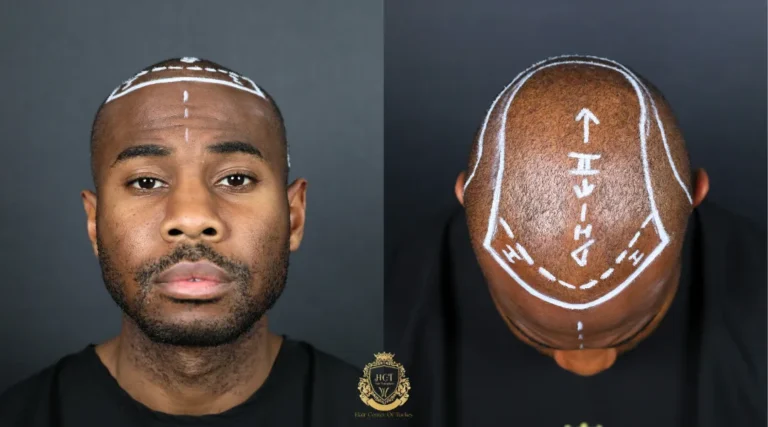
The hairline is mapped in relation to facial proportions, age, existing hair, future loss and available donor supply. The patient should see and approve the design before the procedure begins.
The donor plan determines the extraction zones and spacing needed to avoid visible thinning. A natural result requires restraint as well as density.
6. Local Anesthesia, Extraction and Graft Preparation
Most hair transplants are performed under local anesthesia, with sedation used only when medically appropriate and agreed in advance. Follicular units are extracted from the donor area using the planned method.
Grafts are counted, sorted by hair number and kept hydrated while awaiting implantation. Single-hair grafts are generally prioritized for the soft front edge of the hairline.
7. Recipient Site Creation and Implantation
For Sapphire FUE, the recipient channels are created before graft placement. For DHI, grafts are placed with an implanter pen; hybrid cases may use different workflows in different zones.
The team aims to reproduce natural direction and spacing without compromising scalp blood supply. Procedure time varies with graft count, technique, breaks and case complexity, and a full session can take several hours.
8. First Wash, Discharge and Growth Follow-Up
The clinic checks the donor and recipient areas, provides medication and washing instructions, and explains sleeping position, swelling management and activity limits. HCT’s listed journey includes a post-operative check and first wash before departure.
After the patient returns home, follow-up photographs help the aftercare team review healing and growth milestones. Contact the clinic promptly if pain, redness, swelling, discharge or other symptoms are worsening rather than improving.
Who Does What in the HCT Team?
Patients should understand which roles are medical, which are procedural and which are logistical. HCT publicly lists a general coordinator, a dermatology specialist and a hair transplant practitioner assistant, supported by patient-care, interpretation and travel coordination functions.
Dermatology and Medical Oversight
The medical role includes reviewing scalp health, relevant medical history, suitability and risk. Medical professionals also supervise the treatment plan, respond to clinical concerns and determine whether the procedure should proceed.
Ask who will perform or directly supervise hairline design, anesthesia, extraction, recipient-site creation and implantation. Role allocation can vary by technique and case, so it should be confirmed before consent.
Hair Transplant Practitioners and Assistants
Practitioners and trained assistants support the technical workflow according to the approved medical plan. Their duties may include preparation, graft counting and sorting, graft handling and procedural assistance within the clinic’s authorized scope.
Team experience matters because grafts are delicate and spend time outside the body. Patients should know how many cases the team manages at once and who remains responsible throughout the procedure.
Patient Coordinator
The patient coordinator is the main contact before travel. This role gathers the initial information, explains the proposed package, coordinates dates and helps the patient understand what to prepare.
A coordinator can explain logistics but should not replace medical diagnosis or make guarantees about graft survival and final density.
Interpreter and International Patient Support
Language support helps patients understand consent, aftercare and practical instructions. Translation should be available during medical discussions, not only for hotel and transfer arrangements.
Aftercare Team
The aftercare team reviews healing photos, reminds patients about washing and activity guidance and identifies concerns that require medical review. Clear escalation routes are essential when the patient is back in another country.
What Results Can a Hair Transplant Deliver?
A transplant can rebuild the appearance of a hairline, improve coverage in selected thinning zones and reduce contrast between hair and scalp. It cannot restore unlimited density, stop future loss in untreated native hair or replace follicles that are not available in the donor area.
The strongest results come from a plan that matches the patient’s hair characteristics and long-term pattern. Coarse or curly hair may create more visual coverage per graft, while fine straight hair or high scalp-hair color contrast may require a different density strategy.
HCT reports more than 10,000 completed procedures and presents before-and-after galleries and patient video journeys. These examples can help with decision-making, but they should be compared with cases that share your hair type, loss pattern, technique, graft range and follow-up period.
How to Evaluate Before-and-After Photos
Look for the same camera angle, lighting, distance, hair length and styling in both images. Check whether the hair is dry or wet and whether concealers or fibers may have been used.
Confirm the number of months after surgery. A six-month image should not be presented as a final result, especially for crown work that may mature more slowly.
Ask for examples with a donor area similar to yours. A strong front-view result does not show whether the back of the scalp was overharvested.
Hair Transplant Recovery and Result Timeline
Recovery varies by patient, technique and clinical protocol. Visible redness, swelling and scabbing are expected early, while the transplanted hair shafts commonly shed before new growth begins.
Some patients can do quiet desk work within several days, but visible signs may remain for one to two weeks. Follow the clinic’s instructions rather than using another patient’s timeline as a target.
Days 1 to 7
Tenderness, swelling, redness and small scabs are common. The grafts must be protected from rubbing, impact and unapproved washing.
Sleep position, medication and washing instructions should be followed exactly. Worsening pain, spreading redness, fever or discharge requires prompt clinical advice.
Days 7 to 14
Scabs generally begin to clear under the clinic’s washing protocol. The donor area may still feel sensitive, tight or numb.
Exercise, sun exposure, hats and hair products should only be resumed according to the aftercare plan.
Weeks 2 to 8
Many transplanted hair shafts shed during this period. Temporary shedding of nearby native hair, often called shock loss, can also occur.
The follicles remain below the skin, but visible density may look worse before it improves. This stage can be emotionally difficult and is one reason structured follow-up matters.
Months 3 to 6
Early new growth becomes visible. The first hairs may be fine, uneven or different in texture.
Progress should be judged over months rather than week by week. Standardized photos are more useful than daily mirror checks.
Months 6 to 9
Coverage and thickness usually become easier to assess. Hair direction and styling options also become clearer as the new hairs lengthen.
Months 9 to 12
Many patients see a substantial part of the cosmetic result during this period. Density can continue to improve as individual hairs mature.
Months 12 to 18
Some hairlines and crowns continue to mature up to 18 months. Final evaluation should consider both the recipient result and the condition of the donor area.
Risks and Side Effects to Know
Hair transplantation is a surgical procedure and carries medical risks even when it is minimally invasive. Expected short-term effects can include soreness, swelling, itching, scabbing, temporary numbness and shedding.
Less common complications include bleeding, infection, folliculitis, poor graft growth, visible scarring, prolonged altered sensation, cysts, donor overharvesting and an unnatural hairline. The individual risk profile depends on health, technique, case size, team practice and adherence to aftercare.
No clinic can guarantee a particular density or that every graft will grow. Written consent should explain realistic benefits, alternatives, potential complications and the plan for follow-up or revision concerns.
Hair Transplant Cost in Turkey, the USA and Europe
Hair transplant pricing is shaped by graft requirements, technique, medical-team involvement, clinic standards, aftercare and travel services. A lower quote may exclude accommodation, transfers, medication or follow-up, while a higher quote may include services that are not medically necessary for every patient.
For international treatment, calculate the full cost of flights, time away from work, companion travel and access to follow-up after returning home. Ask what happens if an in-person review or corrective procedure is needed.
HCT’s current official information lists an overall treatment range of approximately €2,750 to €6,000, depending on technique and plan. The listed clinic ranges are €2,750-€3,950 for Sapphire FUE, €3,250-€4,250 for DHI and €3,750-€4,950 for hybrid treatment.
Prices and package contents can change. The personalized written quote should state the final price, included services, exclusions and any conditions that could alter the plan.
HCT Hair Transplant Packages
HCT presents Standard, Silver and Gold package frameworks for international patients. The package level should be chosen after the medical plan, not before it.
| Feature | Standard | Silver | Gold |
| Listed technique | All Techniques | All Techniques | All Techniques |
| Accommodation framework | 3 nights, 5-star hotel | 3 nights, 5-star hotel | 3 nights, 5-star hotel |
| Ground transfers | VIP airport-hotel-clinic | VIP airport-hotel-clinic | VIP airport-hotel-clinic |
| Aftercare kit | Standard lotion and shampoo | Premium vitamins and serum | Complete kit with vitamins, serum and neck pillow |
| Medical support | Surgeon and medical team | Surgeon and medical team | Surgeon and medical team |
| Listed follow-up | Lifetime support | Lifetime support | Lifetime support |
| Additional therapy | 1 PRP session | 1 PRP session | 1 PRP session |
“Maximum medically possible” must never be read as an unlimited graft promise. The final count must be restricted by donor density, scalp condition, follicle quality and long-term donor preservation.
Package details can vary by technique, availability and booking date. Confirm hotel nights, room terms, companion costs, transfer routes, medication, optional therapies, aftercare supplies and follow-up duration in writing.
What Is Usually Included?
A comprehensive HCT quote may include the procedure, pre-operative checks, accommodation, VIP ground transfers, interpretation, post-operative medication, care products and follow-up support. Round-trip flights are generally not included.
Ask whether every item is essential for your case. Complementary services should not distract from the medical plan or be presented as guaranteed ways to improve graft growth.
How to Choose a Safe Hair Transplant Clinic
Clinic quality is easier to assess through transparent responsibilities and consistent results than through marketing claims. Confirm the clinic’s license status, treatment location, named medical professionals and the scope of each team member.
A careful consultation should cover diagnosis, donor capacity, hairline design, graft distribution, future hair loss and complication management. Avoid pressure to book quickly or choose a very high graft number before the donor area has been properly assessed.
Questions Worth Asking Before You Book
- Who performs and supervises each stage of the procedure?
- How was the graft range calculated?
- Which areas are being prioritized, and why?
- How will the donor area be protected from overharvesting?
- What may cause the plan to change after the in-person assessment?
- What is included and excluded from the written quote?
- How are complications handled after I return home?
- Can I see standardized results from patients with similar hair characteristics?
- What follow-up milestones are included?
- What happens if growth is lower than expected?
What a Hair Transplant Can and Cannot Do
A hair transplant can redistribute permanent-zone follicles to improve the appearance of selected areas. It can create a natural-looking hairline and meaningful coverage when the donor supply and design are appropriate.
It cannot produce the density of an unaffected scalp across every bald area. It also cannot prevent untreated native hair from thinning later.
Long-term planning may include medical therapy when clinically appropriate. Any medication for hair loss should be discussed with a qualified clinician who can assess contraindications, side effects and monitoring needs.
Alternatives and Complementary Treatments
Patients with early or unstable hair loss may benefit from non-surgical management before considering a transplant. Options can include prescribed or topical treatments, low-level light devices and cosmetic camouflage, depending on diagnosis and medical suitability.
Scalp micropigmentation can reduce visible scalp contrast without creating hair growth. PRP and other adjunctive treatments may be offered, but the quality of evidence and expected benefit should be explained without guarantees.
A responsible recommendation may be to wait, monitor or treat the underlying condition. Surgery is only one part of hair-loss care.
Frequently Asked Questions About Hair Transplants
Is a Hair Transplant Permanent?
Transplanted follicles are usually selected from areas that are more resistant to pattern hair loss, so their growth can be long-lasting. Native hair outside the transplanted area may continue to thin, which is why donor planning and maintenance discussions matter.
Does a Hair Transplant Look Natural?
It can look natural when the hairline suits the face and grafts are placed with appropriate angle, direction and spacing. Straight, overly low hairlines, poor graft distribution and aggressive donor harvesting are common reasons for an unnatural appearance.
How Painful Is a Hair Transplant?
Local anesthesia controls pain during the procedure, although the injections can be uncomfortable. Soreness, tightness or sensitivity may continue for several days and should be managed under the clinic’s guidance.
How Many Grafts Do I Need?
The required graft number depends on the size of the treatment area, donor density, hair caliber, curl, color contrast and desired coverage. A photo estimate is preliminary; the final number should follow an in-person donor and scalp assessment.
Can Women Get Hair Transplants?
Yes, selected women can be suitable candidates. Diffuse thinning, hormonal causes and weak donor density require careful diagnosis because they can limit the value of surgery.
Can You Still Go Bald After a Hair Transplant?
Yes. Transplanted hair may remain while untreated native hair continues to thin, creating new gaps or changes in the overall pattern.
What Are the Hardest Days After a Hair Transplant?
The first three to five days are often the most uncomfortable because swelling, tenderness, sleep-position limits and visible scabbing are at their peak. The emotional low point may come later during the shedding stage before new growth becomes visible.
How Long Should I Stay in Istanbul?
The stay depends on the HCT package and clinical schedule. Allow enough time for the in-person consultation, procedure, first wash or post-operative check and any travel buffer stated in your written plan.
When Can I Return to Work?
Quiet remote or desk work may be possible within several days, but visible redness and scabbing can last one to two weeks. Physical jobs, helmets, heavy exercise or dusty environments may require more time away.
Is a Free Online Hair Analysis a Final Diagnosis?
No. It is a preliminary assessment based on photographs and the information you provide. Candidacy, technique and graft count must be confirmed after direct examination and medical checks.
Get Your Personalized HCT Hair Analysis
A useful hair transplant plan should answer five questions: Are you a suitable candidate? How strong is the donor area? Which zones should be prioritized? Which technique fits those zones? What does the complete treatment and aftercare plan include?
Send clear scalp photos and your treatment goals to HCT for a free preliminary analysis. You will receive a personalized starting point for discussing technique, graft planning, package options and Istanbul travel before making a booking decision.
| READY FOR A PERSONALIZED PLAN? Use the free analysis to discuss suitability, technique, graft priorities, package options and travel details before booking. START MY FREE HAIR ANALYSIS |
| MEDICAL DISCLAIMER This content is for general information and does not replace an examination, diagnosis or treatment advice from a qualified medical professional. Hair transplant suitability, technique, graft count, medication and aftercare must be determined for the individual patient. |
Explore the complete guide: Hair Transplant Patient Guides