

How To Recognize Norwood 1 Hair Loss And Catch The Earliest Signs Of Thinning
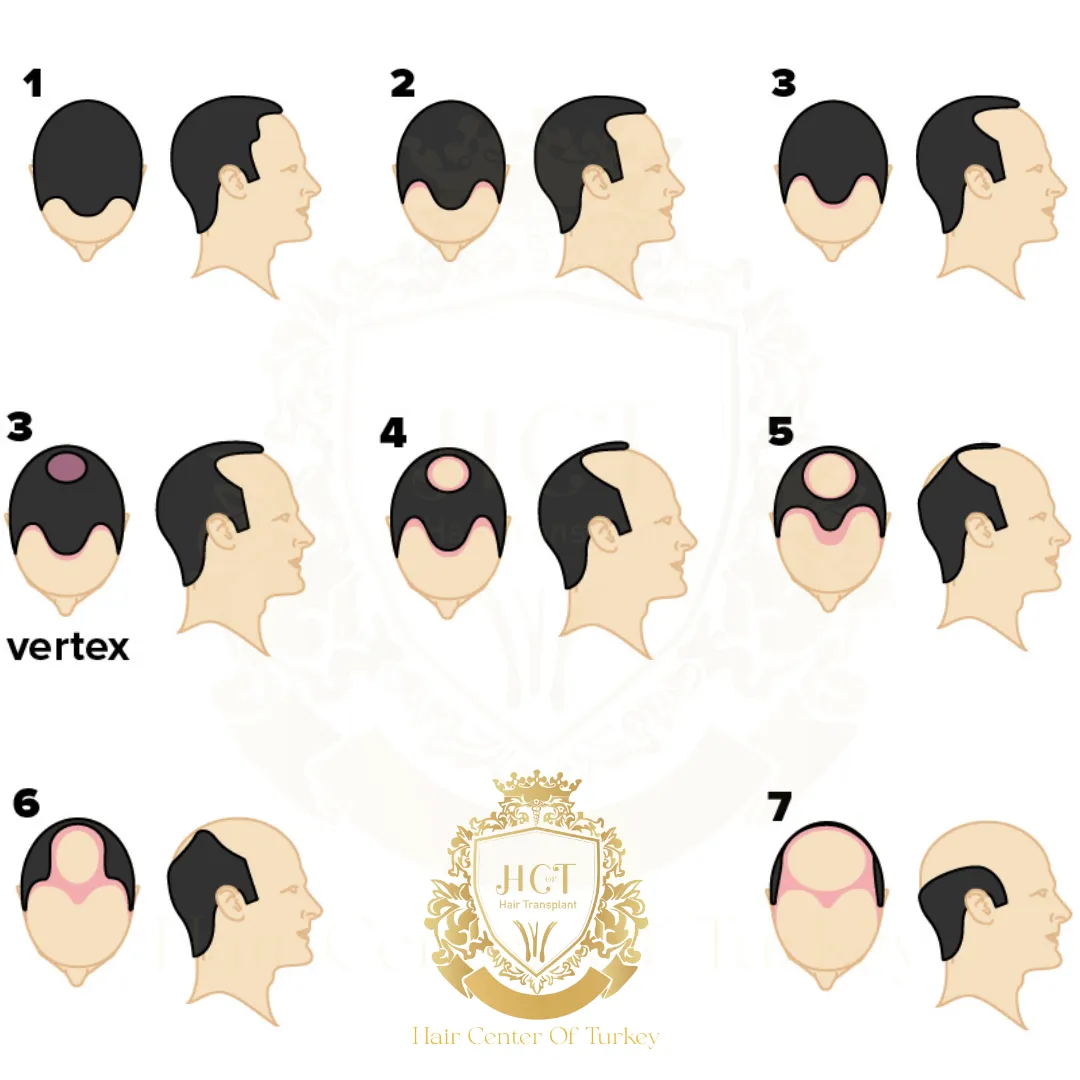
Many people search for “Norwood 1 hair loss” when they start paying closer attention to their hairline. The confusing part is that Norwood 1 usually does not mean visible balding. On the Hamilton-Norwood scale, it is generally considered the baseline stage, with little or no recession and no obvious thinning. Male pattern hair loss tends to develop gradually, often beginning around the temples or crown, which is why subtle changes can be easy to miss at first.
Recognizing Norwood 1 correctly matters because it helps you separate a normal hairline from the earliest signs of progression. If you understand what a stable baseline looks like, it becomes much easier to notice when your hairline is starting to change in a meaningful way. And when male pattern hair loss is identified early, treatment options tend to work better than when thinning has already become advanced.
Table of Contents
What Is Norwood 1 And Why It Matters
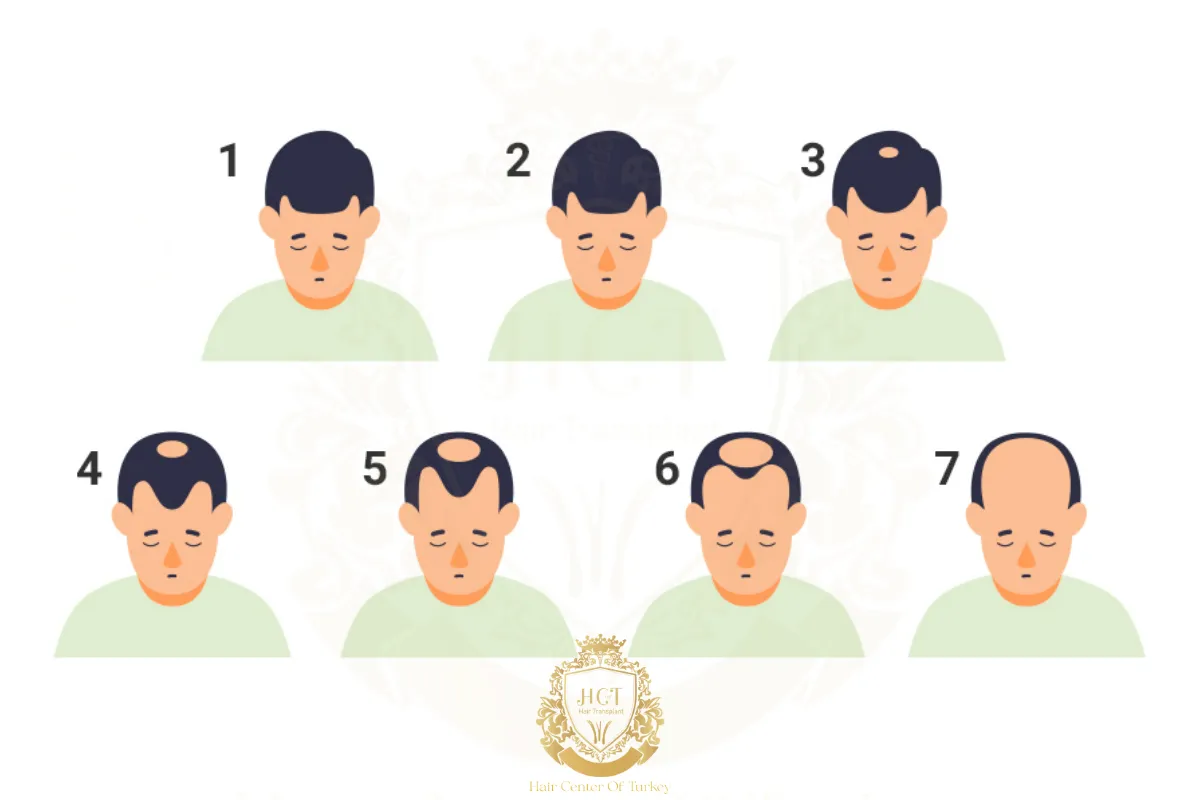
Norwood 1 usually means a full or near-full hairline with no clear temple recession and no visible crown thinning. In simple terms, it is not considered significant balding. If you are seeing obvious temple movement, more scalp visibility, or a clear shift toward an M-shaped hairline, you may be moving beyond Norwood 1.
How To Identify Norwood 1 In The Mirror
Norwood 1 changes are subtle and require careful observation rather than obvious visual cues. Key characteristics include:
- A rounded, intact hairline similar to the teenage pattern
- No visible thinning at the temples or crown
- Uniform hair density without gaps or scalp visibility
- Thick, healthy strands with no signs of miniaturization
At this stage, daily shedding remains within the normal range and does not appear excessive.
A Norwood 1 hairline usually looks balanced, even, and intact. You should not see clear recession at the corners of the forehead, and the overall density across the front and top should still look consistent. In most cases, the scalp is not noticeably visible through the hair under normal lighting, and the crown does not show a thinning spot.
Another useful detail is hair quality. In male pattern hair loss, affected hairs often become thinner and shorter over time as follicles miniaturize. If the hairs along your hairline still look similar in thickness to the rest of your scalp hair, that supports a Norwood 1 appearance more than an early-loss pattern.
Early Signs That Hair Loss May Be Progressing
Transition from Norwood 1 to the next stage can be gradual. Early indicators that thinning may be starting include:
- Slight recession at the temples
- Increased scalp visibility under bright lighting
- More hair noticed in the shower, on pillows, or during styling
- Hair strands becoming finer or shorter over time
- Mild scalp irritation or itchiness
These signs suggest the beginning of follicle miniaturization rather than sudden hair loss.

Why Early Detection Is Important
Hair loss treatments are most effective in the earliest stages. When follicles are still active, non-surgical approaches have a higher chance of maintaining density.
Delaying action until visible recession appears may limit available options and reduce treatment effectiveness. Early detection provides greater flexibility and better long-term outcomes.
Should Norwood 1 Hair Loss Be Treated?
Norwood 1 by itself usually does not require treatment. If there is little or no recession and no clear thinning, the most sensible approach is often observation rather than immediate intervention. Several hair-loss references describe this stage as a control or baseline stage rather than a point of obvious balding.
However, if you are seeing early progression, a clinician may discuss evidence-based options used for male pattern hair loss, such as topical minoxidil or prescription finasteride. The key point is that treatment decisions should be based on a real pattern of change, not anxiety alone.
Monitoring Hair Changes Over Time
Tracking hair changes over months rather than days is key. Comparing photos taken under consistent lighting and angles can help identify gradual shifts that are otherwise easy to miss.
Consistency and patience are essential, as early-stage hair loss develops slowly.
Final Thoughts
Norwood 1 is usually not a sign of significant hair loss. It is better understood as a baseline: a hairline with little or no visible recession and no obvious crown thinning. The real value of recognizing Norwood 1 is that it helps you notice when something changes. If the temples start moving back, the crown begins to show more scalp, or the hairs in those areas become finer over time, that is when closer evaluation starts to matter.
In other words, the goal is not to diagnose hair loss too early. The goal is to understand what normal looks like for you, so that genuine thinning does not go unnoticed for too long.
Frequently Asked Questions
Is Norwood 1 considered balding?
Not usually. Norwood 1 is generally described as little or no hair loss or hairline recession, which is why it is treated more like a baseline than a balding stage.
Can Norwood 1 turn into Norwood 2?
Yes. If slight recession begins around the temples, the pattern may move toward Norwood 2 over time.
What are the first signs of male pattern hair loss?
The earliest signs usually involve gradual thinning near the temples or crown, a receding hairline, and hairs in affected areas becoming thinner and shorter.
At what age can male pattern hair loss begin?
It can begin as early as the late teens or early twenties, although many people notice it later.
Does scalp itch mean I’m losing hair?
Not necessarily. Some men report itch, but itch alone is not a defining sign of male pattern baldness. Patterned recession and thinning are more useful indicators.
Explore the complete guide: Hair Loss Types and Causes