Hair Center of Turkey · Istanbul
Over 10,000 successful hair transplant procedures in Istanbul. Free hair analysis, all-inclusive packages, and expert aftercare.
Get Free consultation
A specialist replies within 24 hours with a personalised plan.








About us
Hair Transplant Turkey at Hair Center Of Turkey includes hair restoration procedures for local and international patients.
Hair Center Of Turkey provides hair transplant services using commonly preferred techniques such as FUE and DHI. We offers treatment planning, graft transplantation, and post-procedure care within organized service packages.




Turkey has become the global leader in hair restoration. This guide explains how you can achieve life-changing results with a hair transplant Turkey.
At Hair Center of Turkey, we provide the highest quality care at an affordable price. We will walk you through advanced techniques, our seamless patient journey, and transparent all-inclusive packages.
Learn why our clinic is the trusted choice for your transformation and how we help you regain not just your hair, but your confidence with permanent, natural-looking results.
Over the last decade, Turkey has become the world's center for medical tourism, especially for hair restoration. This reputation is built on a combination of quality, affordability, and an excellent patient experience.
Each year, thousands of people from the UK, Europe, and the United States choose a hair transplant Turkey. Their decision is driven by logic, value, and the promise of world-class medical results.
The most significant draw is the exceptional value. The cost of a hair transplant in Turkey is often a fraction of what you would pay in Western countries.
This price difference, sometimes up to 70% less than in the US or UK, does not mean a compromise in quality. It reflects the country's lower operational costs and the favorable exchange rate.
This affordability makes a high-quality procedure accessible to a much broader audience, removing financial barriers to addressing hair loss.
This cost-effectiveness is matched by an advanced medical infrastructure. Turkey is home to many JCI (Joint Commission International) accredited hospitals, a gold standard in global healthcare that signifies a commitment to rigorous safety and quality protocols.
The Turkish government has actively invested in the medical tourism sector, fostering an environment of excellence. Clinics like Hair Center of Turkey operate within these top-tier facilities, giving patients peace of mind that they are receiving care that meets or exceeds international standards.
The country also boasts a large pool of highly experienced and specialized surgeons. Turkish doctors are renowned for their expertise in hair restoration, having performed thousands of procedures on a diverse international patient base.
This volume of experience hones their skills to an artistic level, enabling them to create natural hairlines and achieve optimal density. They are at the forefront of perfecting the latest technologies, from Sapphire FUE to DHI, ensuring patients benefit from the most advanced and minimally invasive techniques available.
The journey for a hair transplant in Turkey is designed to be seamless and even enjoyable. The process is streamlined for international visitors.
Clinics offer all-inclusive packages that cover everything from luxury accommodation to VIP airport transfers. This removes the stress of planning, allowing the patient to focus solely on their procedure and recovery.
Combining a medical trip with the opportunity to explore the historic city of Istanbul turns a clinical procedure into a positive, memorable life experience.
In the competitive field of hair restoration, Hair Center of Turkey is distinguished by its commitment to trust and patient-centered care. Our reputation is built on certified medical expertise and a deep understanding of our international patients' needs.
We don't just perform procedures; we build lasting relationships based on transparency, support, and the shared goal of achieving transformative, natural-looking results. Our team is dedicated to making your hair transplant in Turkey journey a resounding success.
Our medical team is our greatest asset. Led by highly-skilled surgeons with years of specialized experience, we possess the technical proficiency and artistic vision required for superior outcomes.
Every member of our team, from surgeons to technicians and patient coordinators, is certified and continuously trained in the latest advancements. This commitment to ongoing education ensures every procedure utilizes the most effective methods, delivering dense, natural results tailored to each patient's aesthetic goals.
We operate in a state-of-the-art medical facility that reflects our commitment to safety and quality. Our clinic is equipped with advanced technology, including precision Sapphire FUE instruments and the DHI Choi Implanter Pen.
These tools allow for greater accuracy, minimal tissue damage, and faster healing. We adhere to the strictest international protocols for hygiene and sterilization, creating a safe environment that eliminates risks and ensures patient well-being. This meticulous attention to detail is non-negotiable.
At our core is a patient-first philosophy. We recognize that undergoing a medical procedure in a foreign country can be daunting.
That is why we provide comprehensive, end-to-end support to make your experience as smooth as possible. From your first inquiry, you will be assigned a dedicated patient coordinator who speaks your language.
They will guide you through every step, from creating a personalized treatment plan to arranging your travel and accommodation, ensuring all your questions are answered with clarity.
Understanding the different hair transplant techniques is a crucial step in your journey. The two leading methods are Follicular Unit Extraction (FUE) and Direct Hair Implantation (DHI). Both are highly effective and based on moving healthy hair follicles to thinning areas, but they differ in their implantation process.
At Hair Center of Turkey, our surgeons are proficient in both techniques and will recommend the best approach after a thorough analysis of your hair loss, donor area, and aesthetic goals.
Follicular Unit Extraction (FUE) is the most widely practiced technique. The process involves extracting individual hair follicles (grafts) from the donor area using a specialized micro-motor.
After the grafts are harvested, the surgeon creates tiny incisions, or channels, in the recipient area. The harvested grafts are then carefully placed into these channels one by one. An evolution of this method, Sapphire FUE, uses blades made from sapphire gems, allowing for finer, more precise incisions.
Direct Hair Implantation (DHI) is a more recent modification of the FUE technique. With DHI, the extraction process is similar, but the implantation stage is different. This method uses a specialized, pen-like instrument called a Choi Implanter Pen.
Harvested grafts are loaded into the pen, which then simultaneously creates the recipient site and implants the graft in one motion. This eliminates the need for pre-made incisions and gives the surgeon precise control over the depth, angle, and direction of each implanted hair.
Choosing between FUE and DHI is a decision best made in consultation with an experienced surgeon. Factors like the extent of hair loss, desired density, and whether the patient can shave their head all play a role.
Our team at Hair Center of Turkey performs a detailed evaluation to create a personalized surgical plan. We ensure the selected technique will deliver the most optimal and natural-looking outcome for your specific case, helping you make an informed decision with confidence.
| Feature | Follicular Unit Extraction (FUE) | Direct Hair Implantation (DHI) |
|---|---|---|
| Extraction Method | Individual follicular units extracted with a micro-motor. | Individual follicular units extracted with a micro-motor. |
| Implantation Method | Grafts are placed into pre-made incisions (channels). | Grafts are implanted directly using a Choi Implanter Pen. |
| Shaving | Requires full or partial shaving of the head. | Often possible without shaving the recipient area. |
| Procedure Time | Generally faster for a large number of grafts. | Can be slightly longer due to the meticulous implantation process. |
| Ideal Candidate | Best for covering larger areas of baldness. | Ideal for increasing density and for female hair transplants. |
| Recovery | Scabbing in both donor and recipient areas; heals in 7-10 days. | Similar recovery, potentially slightly faster in the recipient area. |
| Control | Excellent results with skilled hands. | Maximum control over angle, direction, and depth of placement. |
The evolution of the FUE method led to Sapphire FUE, a technique we specialize in at Hair Center of Turkey. This approach replaces traditional steel blades with blades crafted from polished sapphire, a durable and exceptionally sharp gemstone.
The use of sapphire blades allows our surgeons to create micro-channels that are significantly finer and more precise. This innovation offers patients several distinct advantages.
The precision of the sapphire blade results in smaller incisions, meaning less tissue damage and minimal trauma to the scalp. This directly translates to a more comfortable and faster healing process. Patients typically experience less bleeding, swelling, and scabbing.
The smaller channels also allow grafts to be placed closer together, making it possible to achieve a higher, more natural-looking density. Reduced trauma to the scalp improves the survival rate of the transplanted follicles, leading to more robust growth.
The DHI technique is defined by its unique implantation tool, the Choi Implanter Pen. This sophisticated device provides our surgeons with unparalleled control over the placement of each hair follicle. By implanting the graft directly, the surgeon can precisely manage the angle, depth, and direction of every hair. This artistic control is essential for creating a truly natural-looking result, especially in cosmetically sensitive areas like the hairline and crown.
This method also minimizes the time grafts spend outside the body. As soon as a graft is extracted and loaded into the pen, it is implanted. This reduced handling time enhances the viability and survival rate of the follicles, contributing to the success of the hair transplant Turkey procedure.
DHI is particularly advantageous for patients who do not wish to shave their entire head, as the pen can implant grafts between existing hairs. This makes it an excellent choice for increasing density or for female patients.
Starting a hair transplant journey in another country can seem complex. At Hair Center of Turkey, we have designed a seamless, transparent, and supportive process to eliminate stress. Our all-inclusive approach means we handle all the logistics, allowing you to focus on the transformation ahead. Here is what you can expect at each stage.
Step 1: Free Online Consultation & Planning Your journey begins at home. You will connect with an expert patient coordinator via phone, email, or video call. Our medical team will analyze them to assess your donor area, determine the number of grafts needed, and recommend the most suitable technique. We will provide a detailed, personalized treatment plan and a transparent price quote for your hair transplant Turkey package.
Step 2: Arrival in Istanbul & VIP Transfer Once you book your procedure and flights, we take care of the rest. Upon your arrival at Istanbul Airport (IST or SAW), a private driver will greet you. You will be escorted to a comfortable VIP vehicle and driven directly to your pre-booked 5-star hotel. This seamless transfer ensures your arrival is stress-free, allowing you to settle in and relax.
Step 3: Pre-Operative Consultation & Medical Checks The day before your procedure, we will bring you from your hotel to our clinic for a face-to-face consultation with your surgeon. This is a crucial step where you can discuss your expectations and finalize your new hairline design. The surgeon will draw the proposed hairline on your scalp for your approval. We will also perform necessary blood tests to ensure you are a suitable candidate for the surgery and to guarantee your safety.
Step 4: The Day of the Procedure On the day of your hair transplant, you will be welcomed back to our facility. The procedure is performed under local anesthesia, so you will be awake but will not feel any pain. The process typically lasts between 6 to 8 hours, with breaks for you to eat and relax. Our experienced medical team will be with you the entire time, ensuring your comfort while they meticulously create your new look.
Step 5: Post-Operative Care & Departure: The day after your procedure, you will return to the clinic for a check-up and your first hair wash. This kit includes special shampoo, lotion, medications, and detailed instructions for proper healing.
After this appointment, you are free to explore Istanbul or relax. Your VIP driver will take you back to the airport for your flight home. Our support continues long after you leave.
Complete transparency in pricing is a cornerstone of the patient experience at Hair Center of Turkey. We understand that financial clarity is essential when planning a medical procedure abroad. We have developed all-inclusive packages that cover every necessary aspect of your trip, eliminating the worry of hidden fees. The price we quote is the final price you pay, allowing you to budget with confidence.
Our all-inclusive packages provide a comprehensive, stress-free experience. Each package includes the hair transplant procedure, luxury hotel accommodation, all VIP ground transfers, a dedicated translator, all necessary medications, and a complete post-operative care kit. The only cost not included is your round-trip flight ticket, giving you the flexibility to book from your preferred airline.
To cater to different preferences, we offer a range of package options. While every treatment plan is customized, these packages provide a clear framework of services. Our consultants will work with you to determine the best fit for your hair restoration goals. We believe in providing exceptional value without ever compromising on the quality of care or the final result of your hair transplant Turkey.
| Feature | Standard Package | Silver Package | Gold Package |
|---|---|---|---|
| Technique | Sapphire FUE | Sapphire FUE or DHI | Sapphire FUE or DHI |
| Max Grafts | Up to 5000 | Up to 5500 | Unlimited (Max Possible) |
| Accommodation | 2 Nights in 4-Star Hotel | 3 Nights in 5-Star Hotel | 3 Nights in 5-Star Luxury Hotel |
| Transfers | VIP Airport-Hotel-Clinic | VIP Airport-Hotel-Clinic | VIP Airport-Hotel-Clinic |
| Post-Op Kit | Standard (Lotion, Shampoo) | Premium (Vitamins, Serum) | Complete (Vitamins, Serum, Neck Pillow) |
| Medical Support | Surgeon & Medical Team | Surgeon & Senior Medical Team | Head Surgeon & Dedicated Team |
| Post-Op Follow-up | 12 Months | 18 Months | Lifetime Support |
| Additional Therapy | Not Included | PRP Therapy Session | 2x PRP Therapy Sessions |
You have explored why a hair transplant Turkey is the world's leading choice for hair restoration. You have learned about the advanced techniques, the quality of care, and the incredible value. Now, it is time to take the first step towards reclaiming your hair and your confidence. Choosing Hair Center of Turkey means partnering with a team of experts committed to delivering world-class, natural-looking results in a safe and supportive environment.
Our combination of an expert medical team, state-of-the-art technology, and a seamless patient journey sets us apart. We understand this is more than a medical procedure; it is a life-changing decision. We are here to guide you with honesty and professionalism, ensuring your experience is as positive as the final result. Your new beginning is closer than you think.
Take the definitive step towards a fuller head of hair and renewed self-esteem. Simply fill out our contact form or connect with us via WhatsApp to receive a personalized hair analysis and a detailed treatment plan. Let us show you what is possible. Your journey to a new you starts now with Hair Center of Turkey.
Graft calculator
Select the areas with hair loss that you'd like to treat.
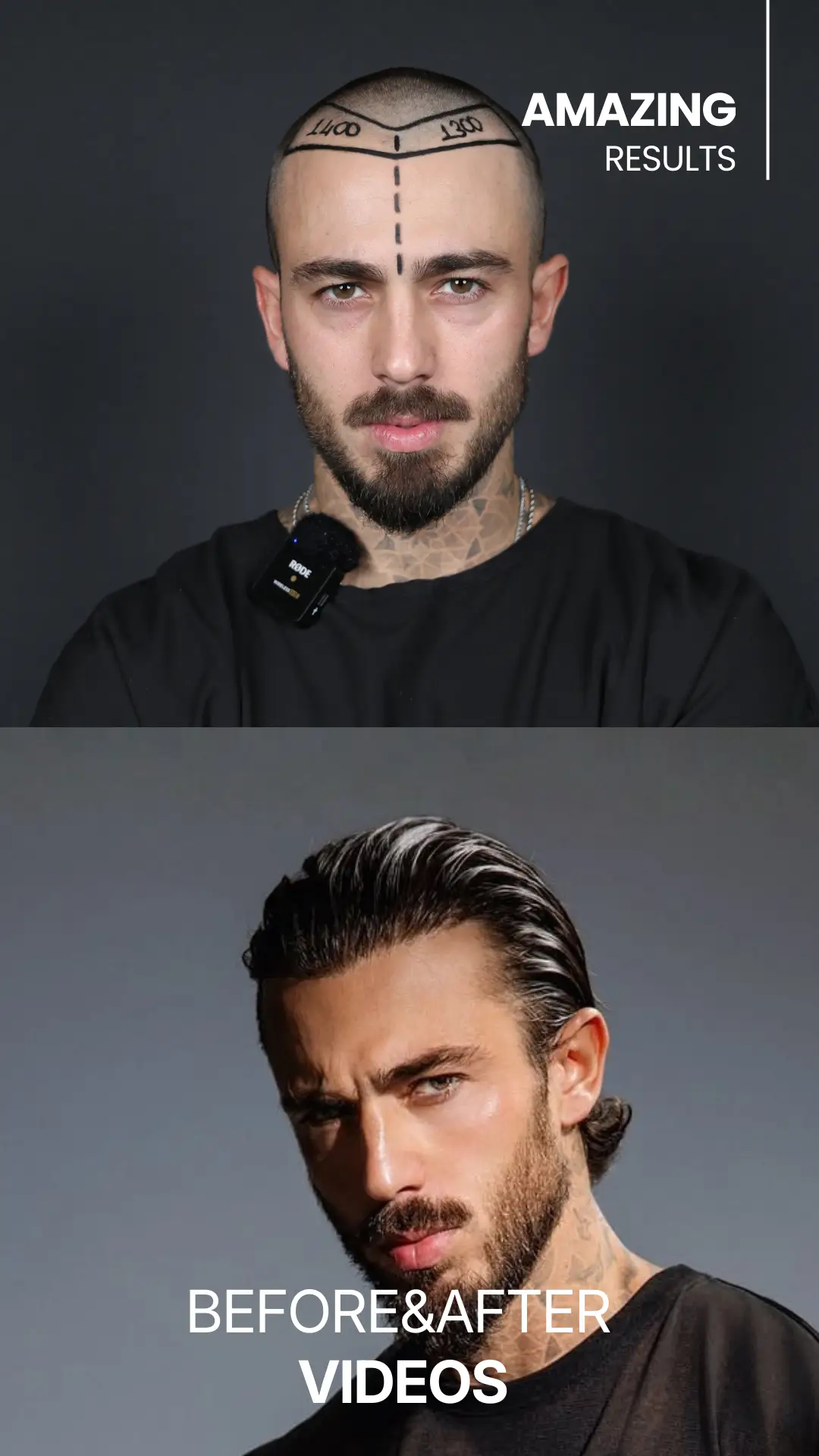
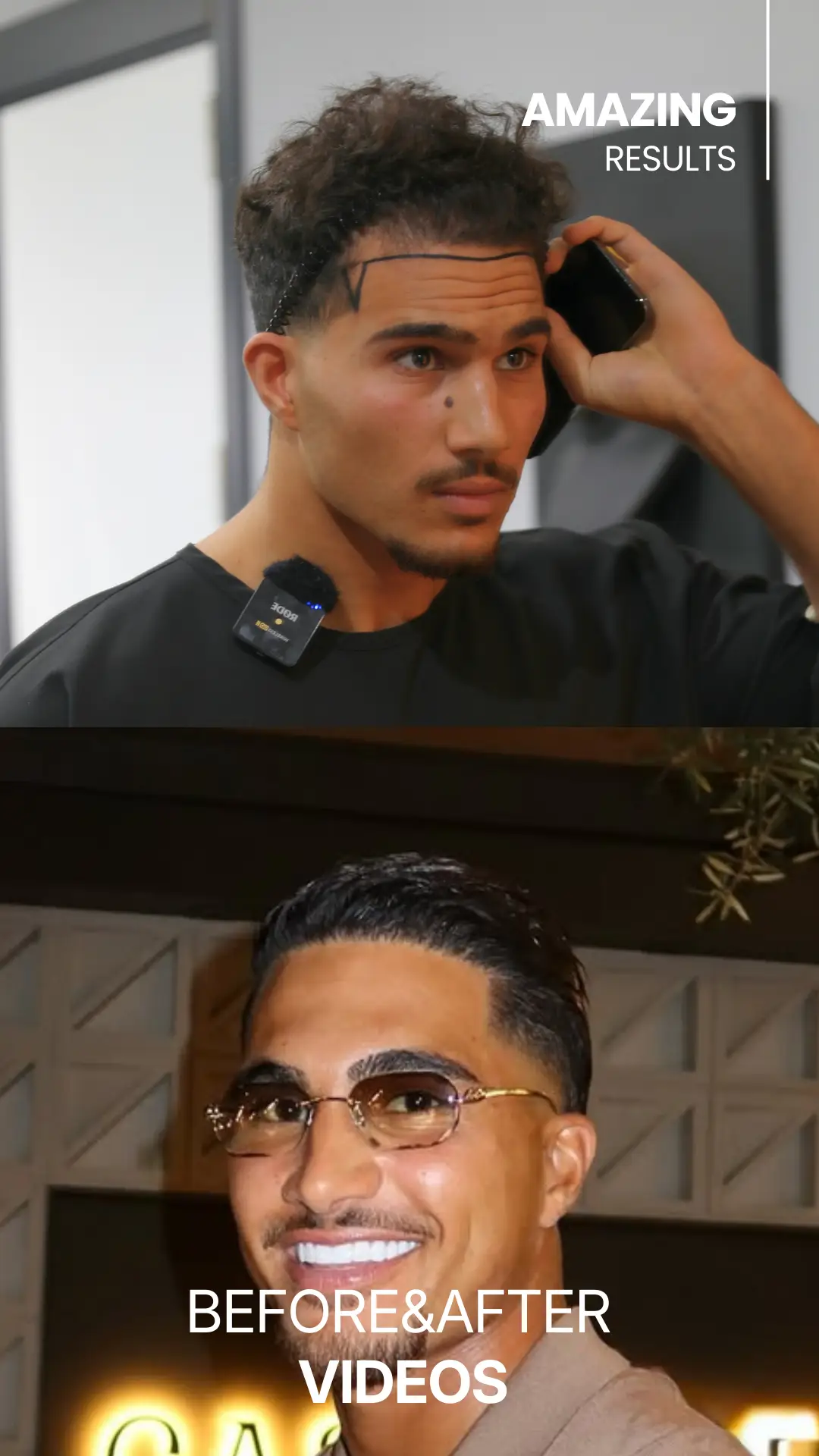
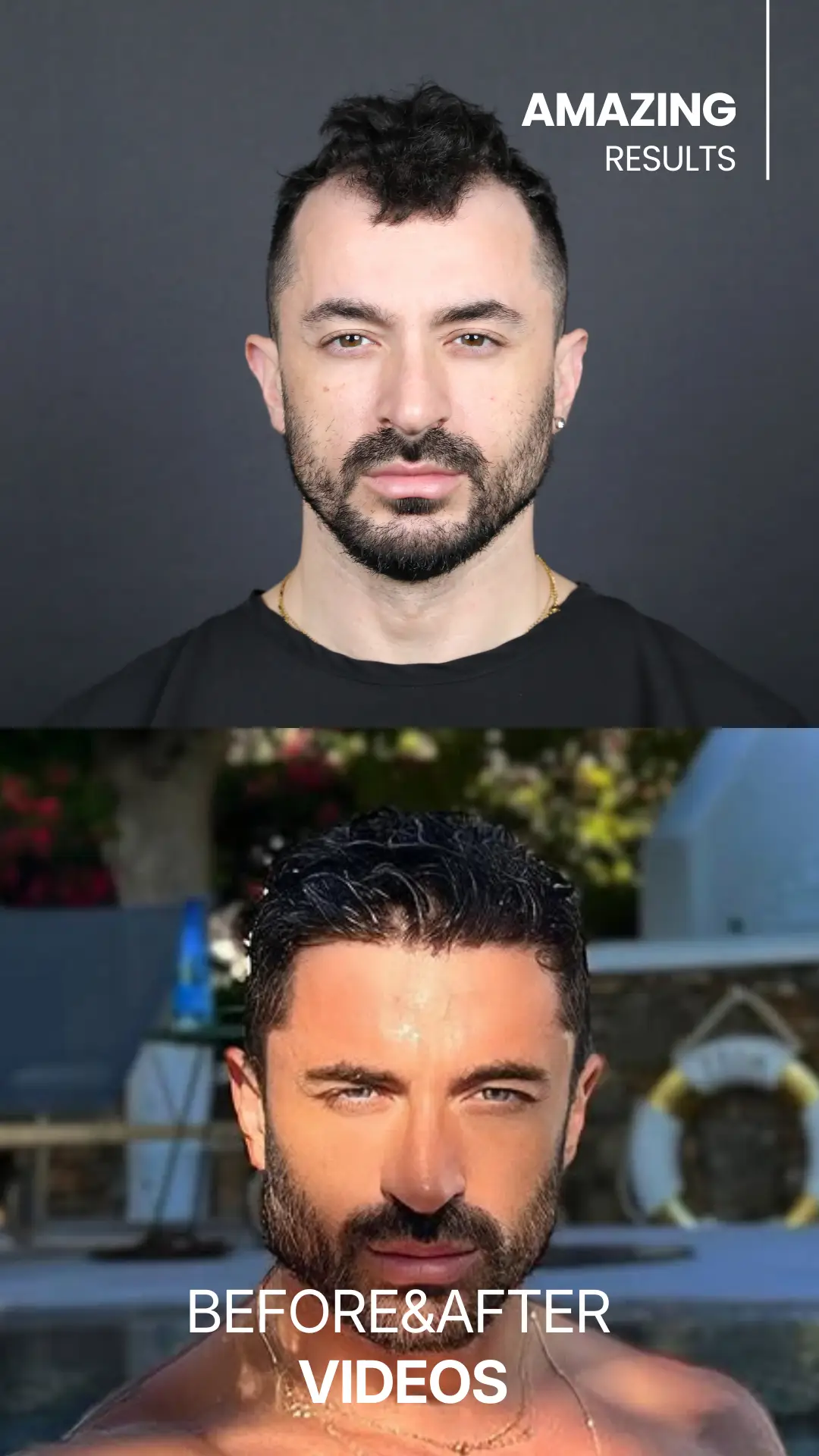
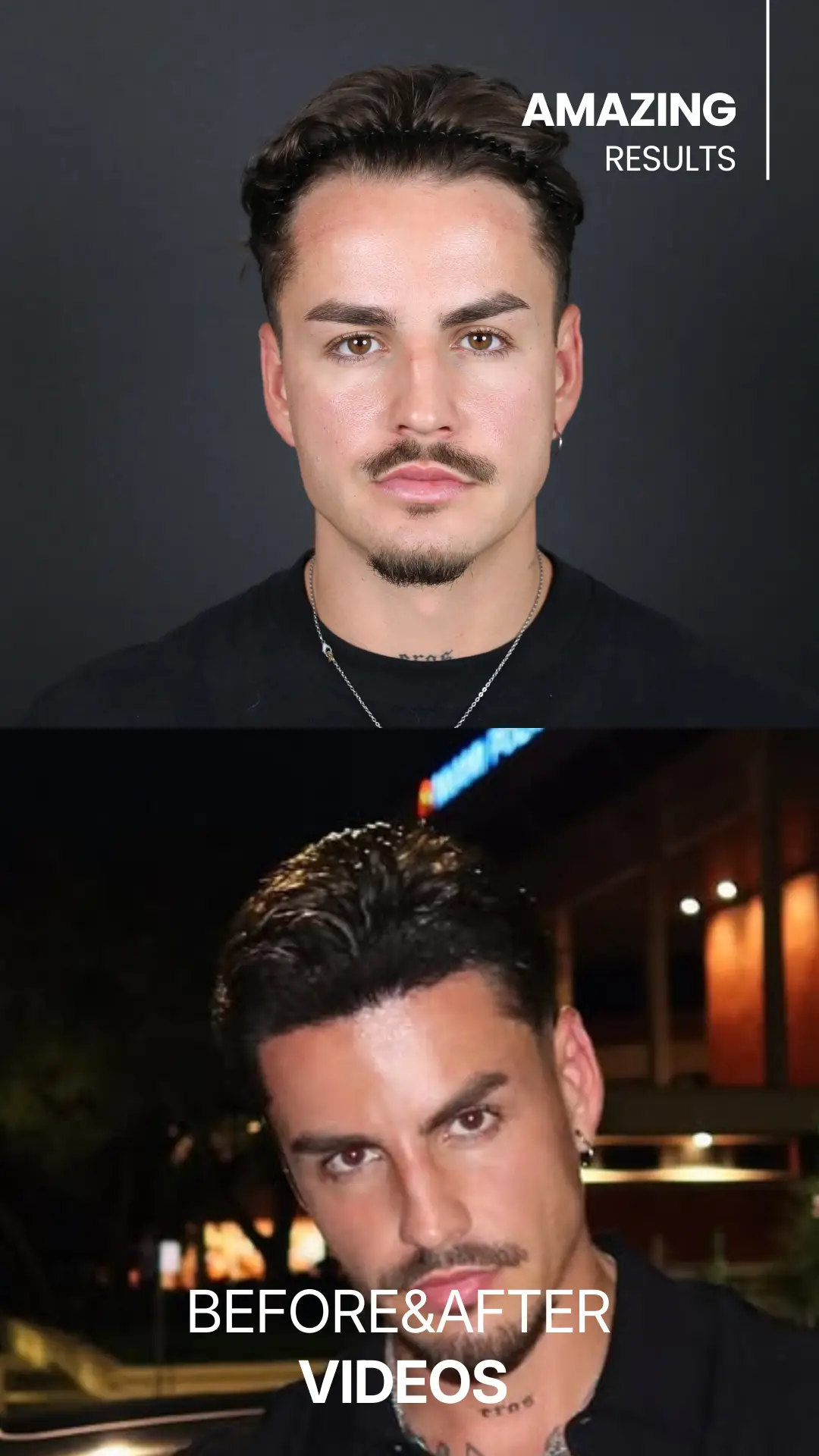
Real patients
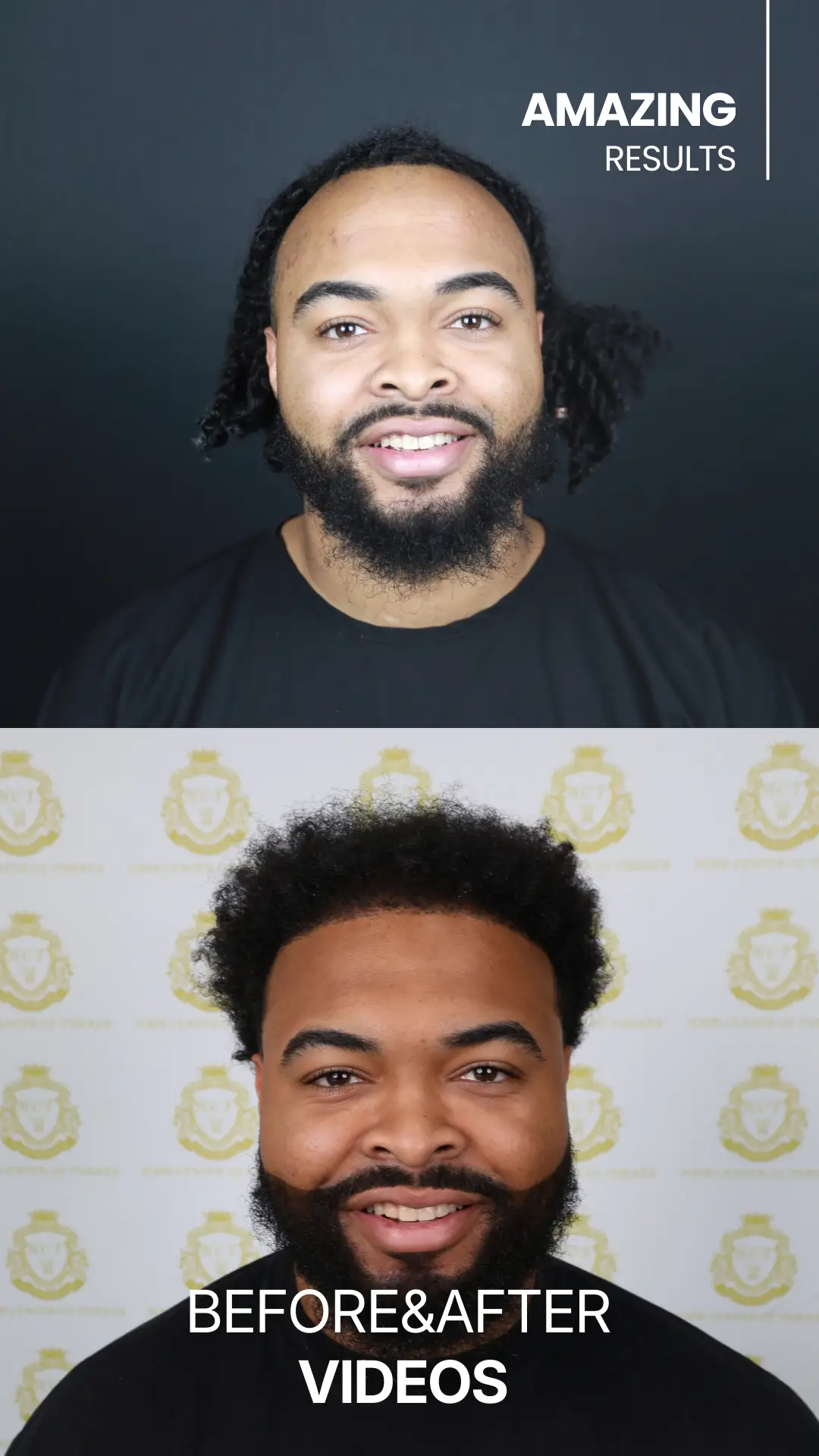
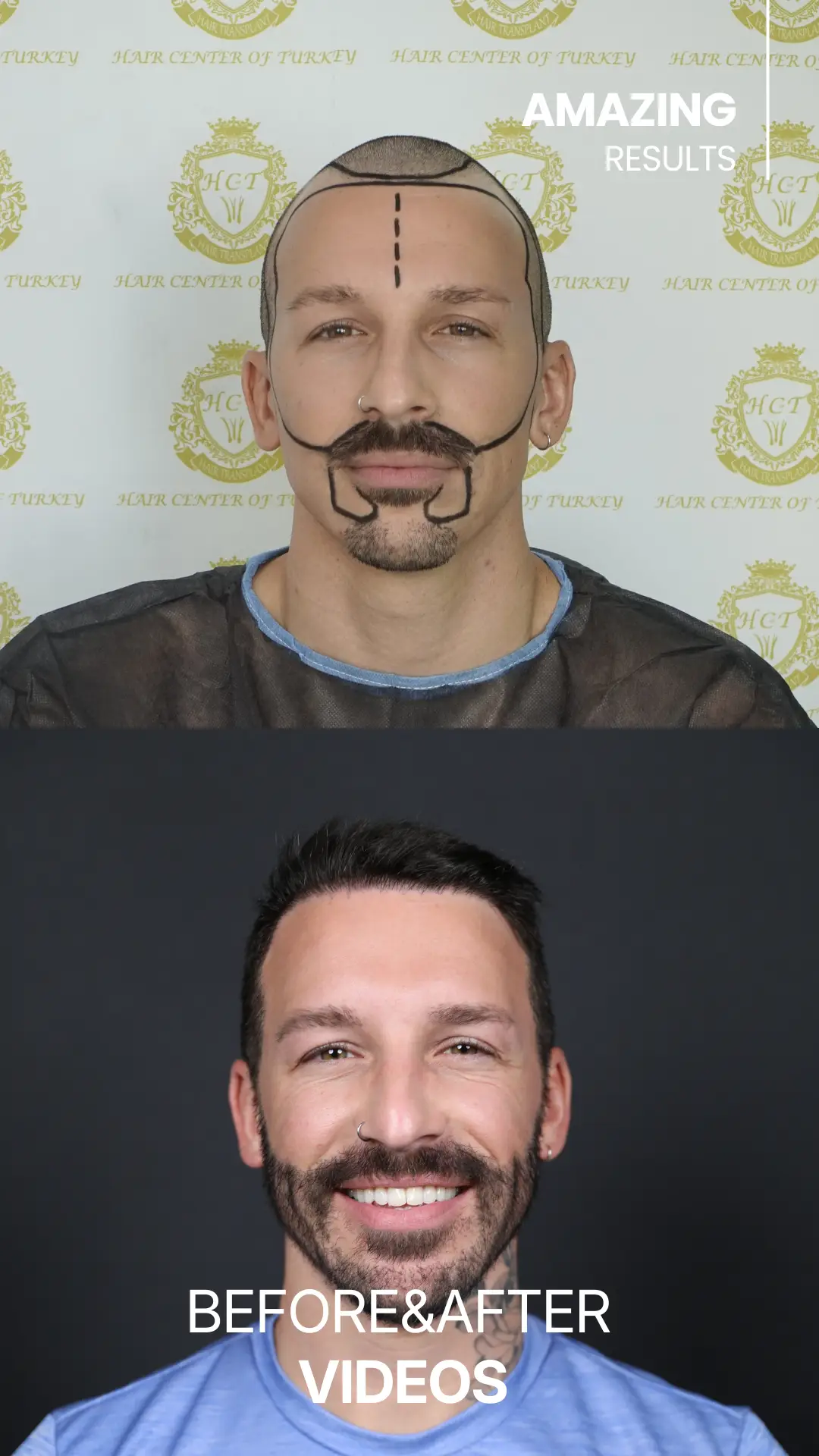
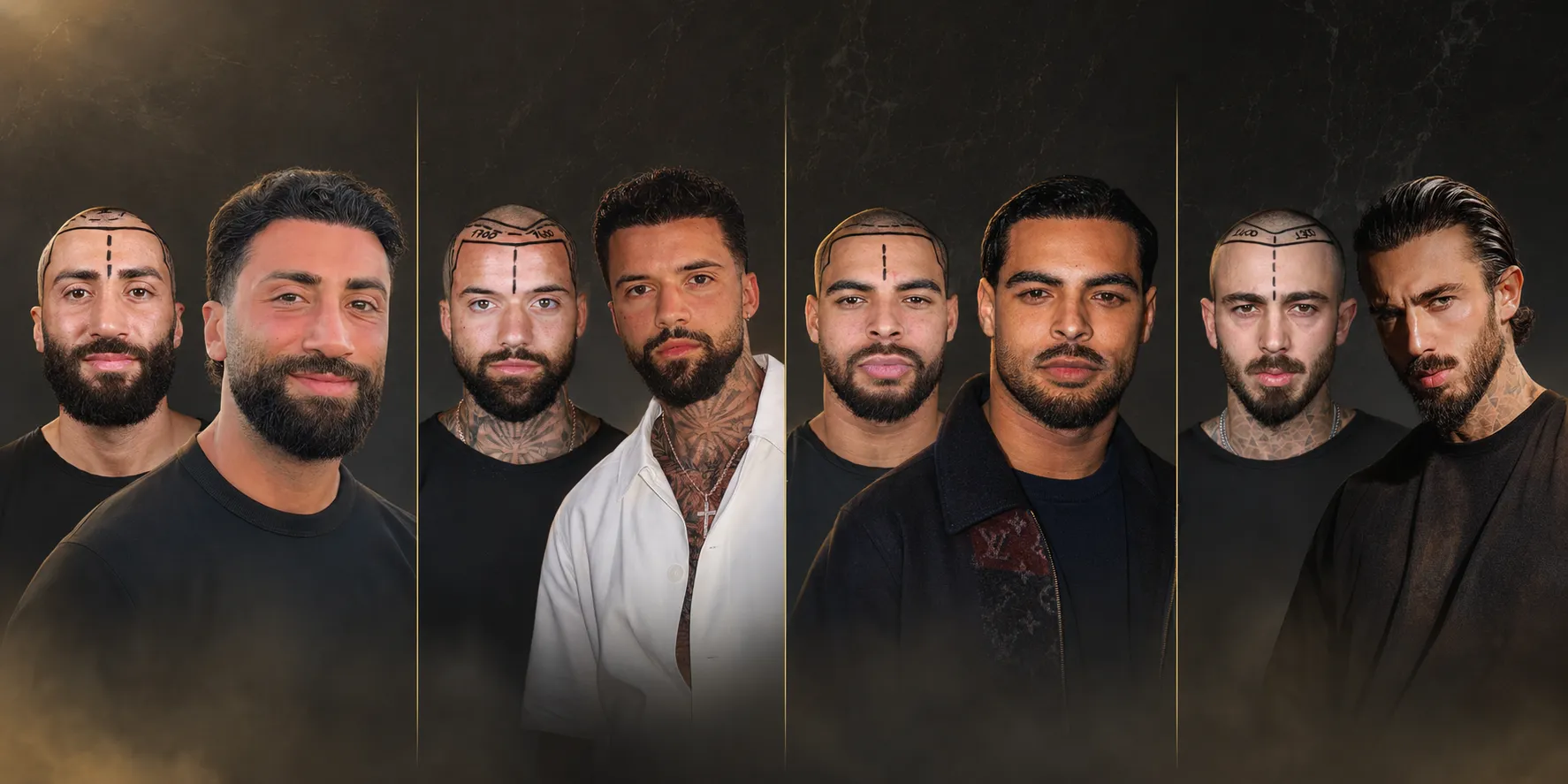
Every case is an unretouched patient photo, 6-12 months post-op.
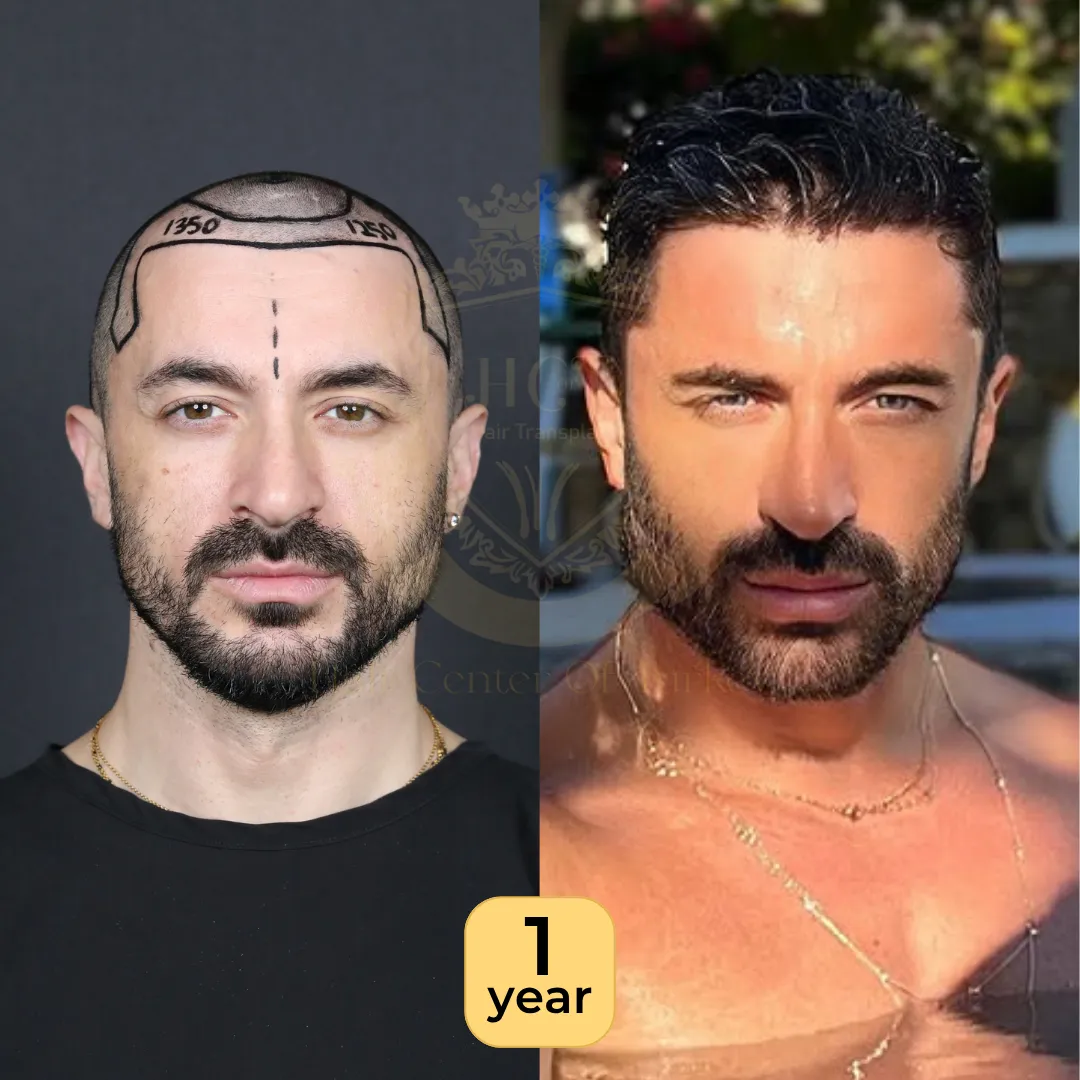
Patient stories
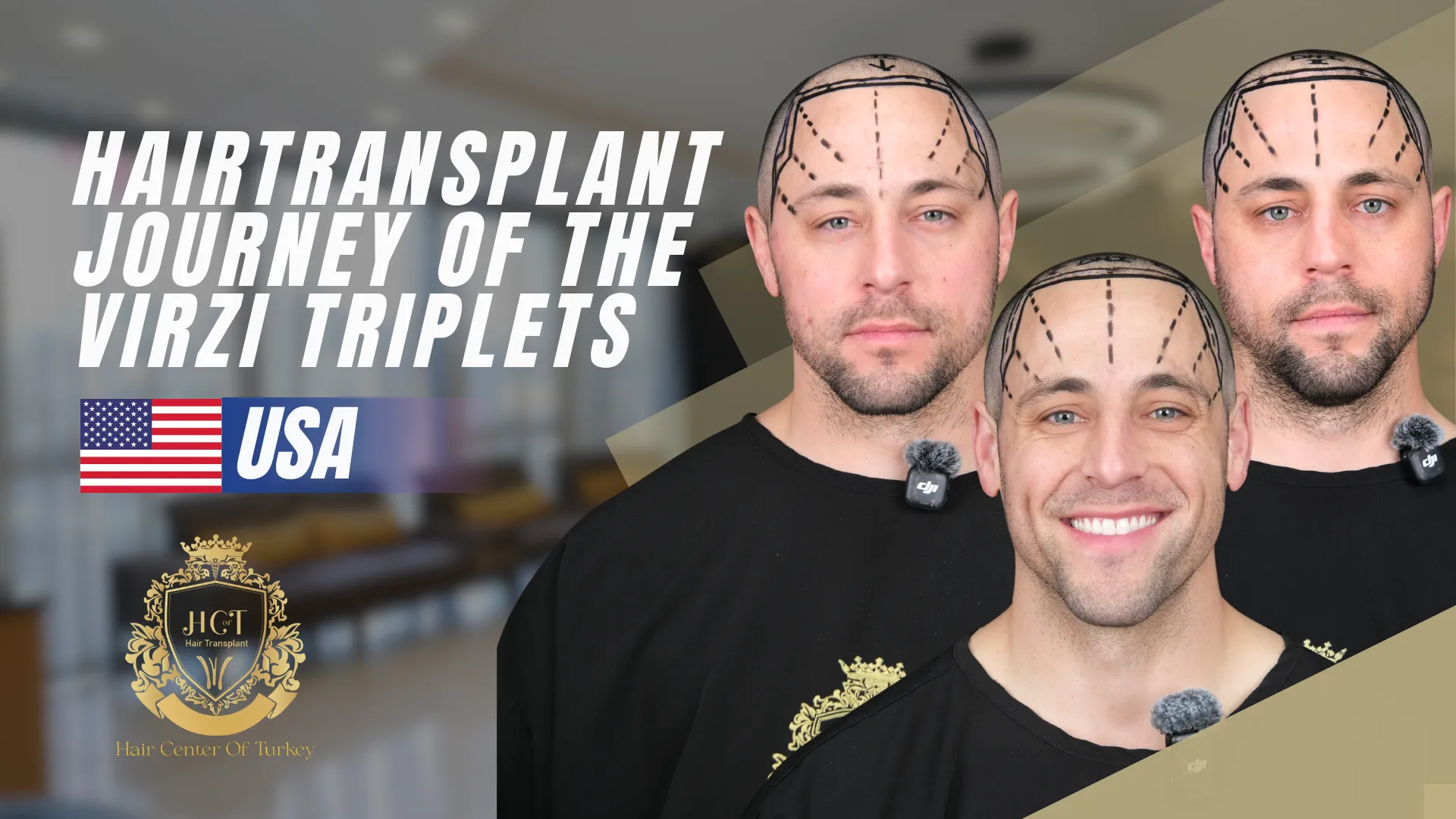
3 Brothers, one hair transplant experience.
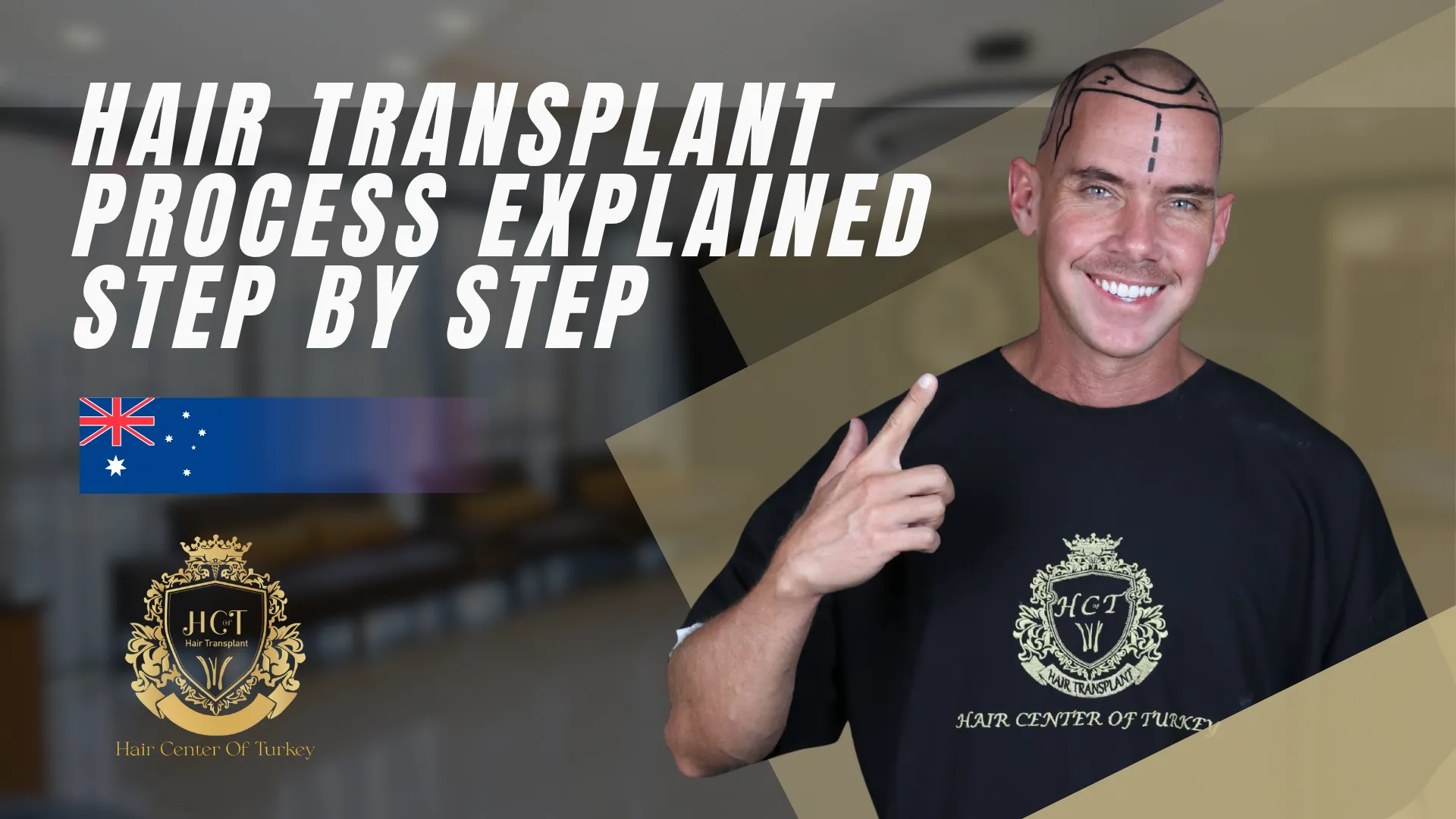
The hair transplant center preferred by the doctor.
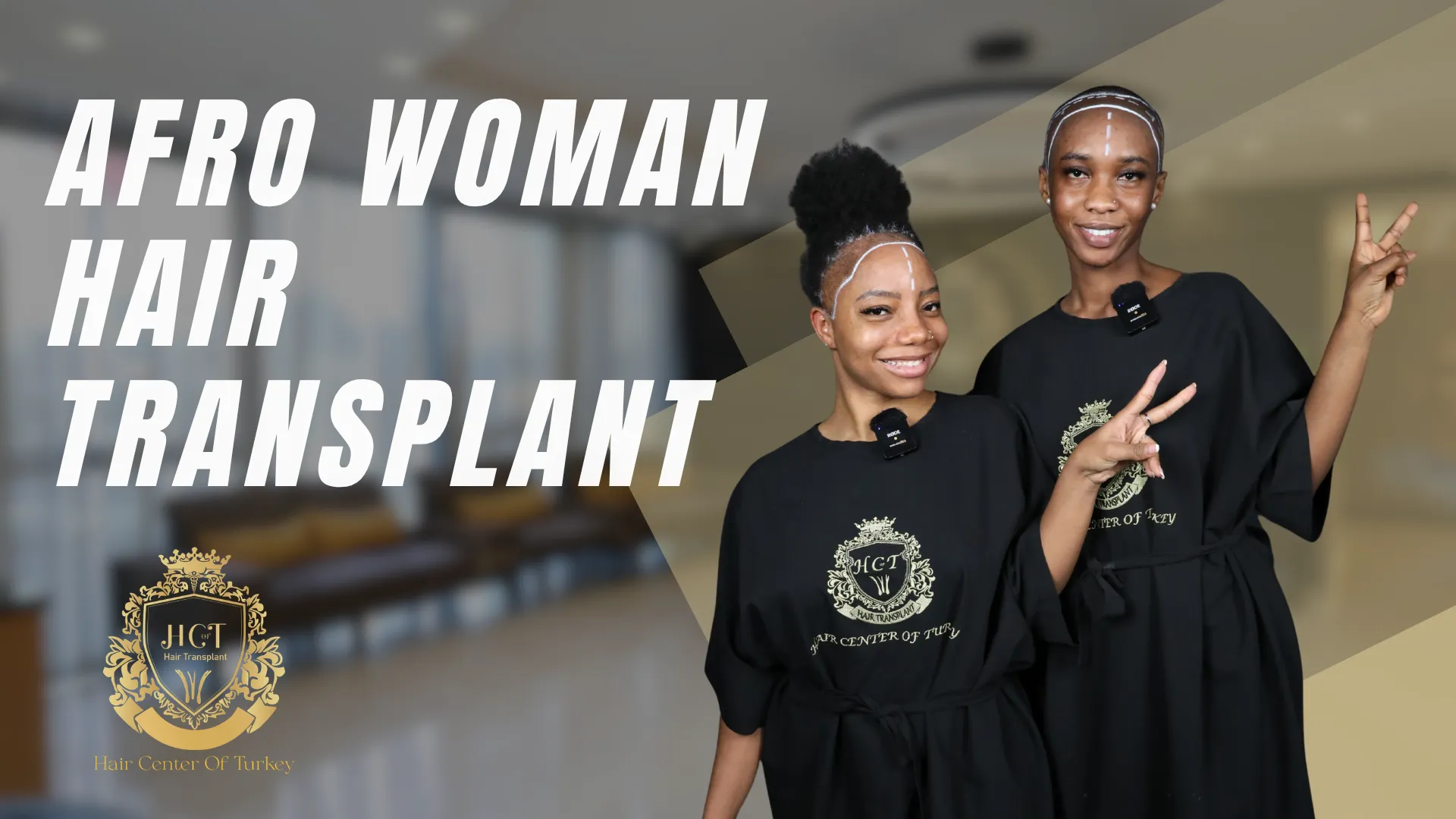
Comments from Afro women regarding hair transplants.
Hair transplant experience with the Sapphire FUE method
Follow all the steps of the hair transplant process from start to finish.
Start today
Our expertise
Three proven methods. Your surgeon recommends the right one for your hair type, donor area and goals.
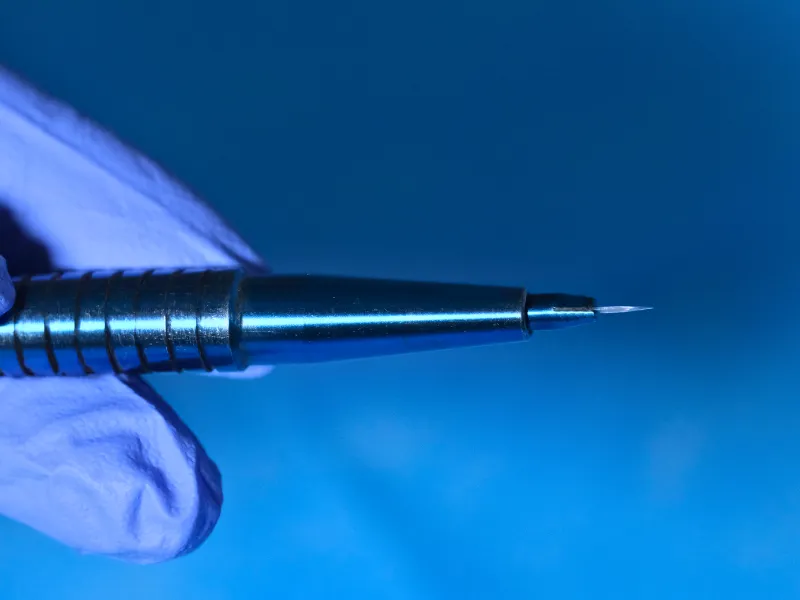
FUE is a hair transplant method in which hair follicles are extracted individually. The key difference lies in how the channels are opened. By using sapphire-tipped blades instead of steel, smoother channels are created. This leads to faster healing, less scarring, and overall better results.
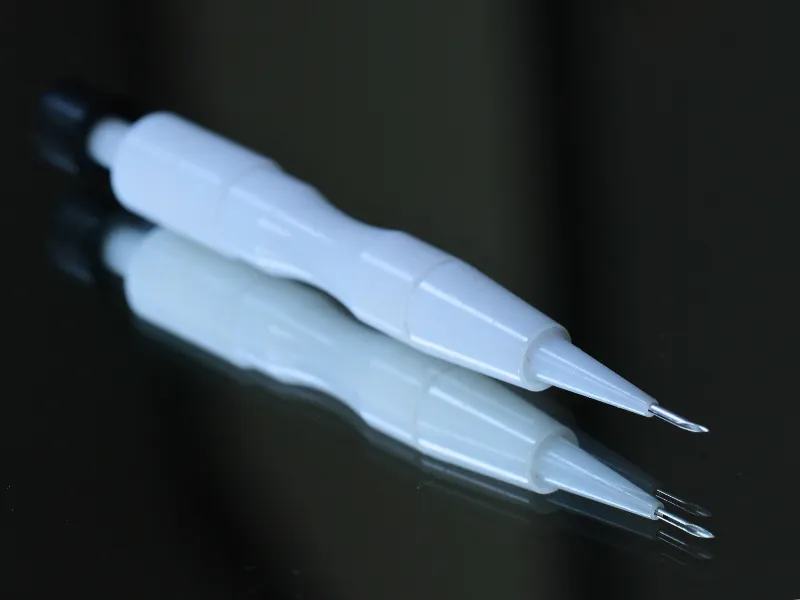
DHI is a hair transplant method in which hair follicles are extracted using the FUE technique and implanted directly with a Choi Pen, without opening channels in advance. This method allows faster healing, a natural appearance, a lower risk of infection, and a higher graft survival rate.
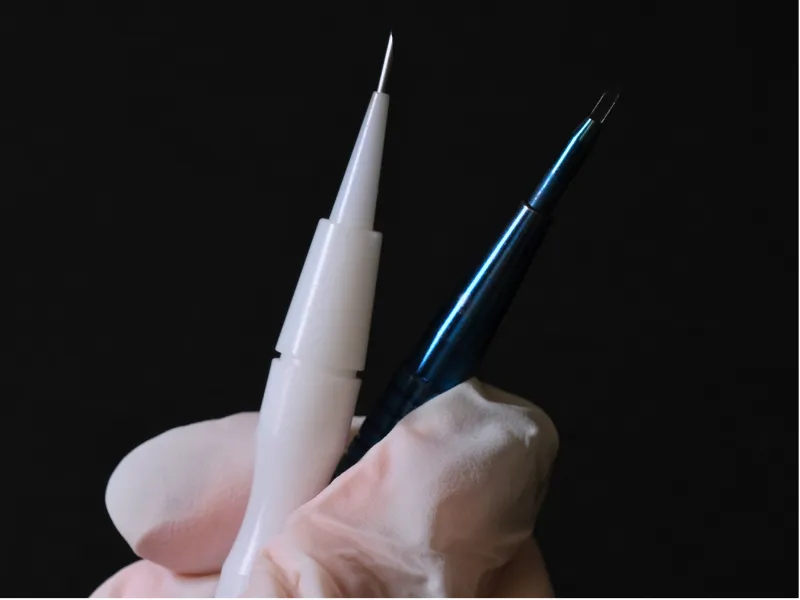
The hybrid hair transplant combines Sapphire FUE and DHI techniques. In this approach, both sapphire blades and the DHI pen are used to implant hair follicles. This method allows denser and natural results, improved efficiency, an aesthetic appearance, and faster recovery.
Why us
Our clinic is licensed by the Turkish Ministry of Health and has performed over 10,000 successful procedures, building trust worldwide.
Each treatment is individually planned to achieve natural hairlines and long-term results.
We prioritize personalized surgical planning by performing a limited number of procedures per day and providing VIP services, including hotel accommodation and private transfers.
Hair Center of Turkey places special emphasis on personalized hairline design during every procedure. Each hairline is carefully planned according to the patient’s facial structure, age and natural hair growth pattern to achieve balanced, realistic and natural-looking results.
We provide continuous 24/7 support throughout the entire preparation and aftercare process.
Transparent communication, personalized care and proven results help us maintain high patient satisfaction throughout the entire hair transplant journey.
Under the leadership of Sinan Özer, our professional team, including Dr. Rasime Erkan and Zehra Özer, supports you at every stage of the entire process.
Our consistent results, experienced medical team and recognition among international patients have established Hair Center of Turkey as a trusted hair transplant clinic.
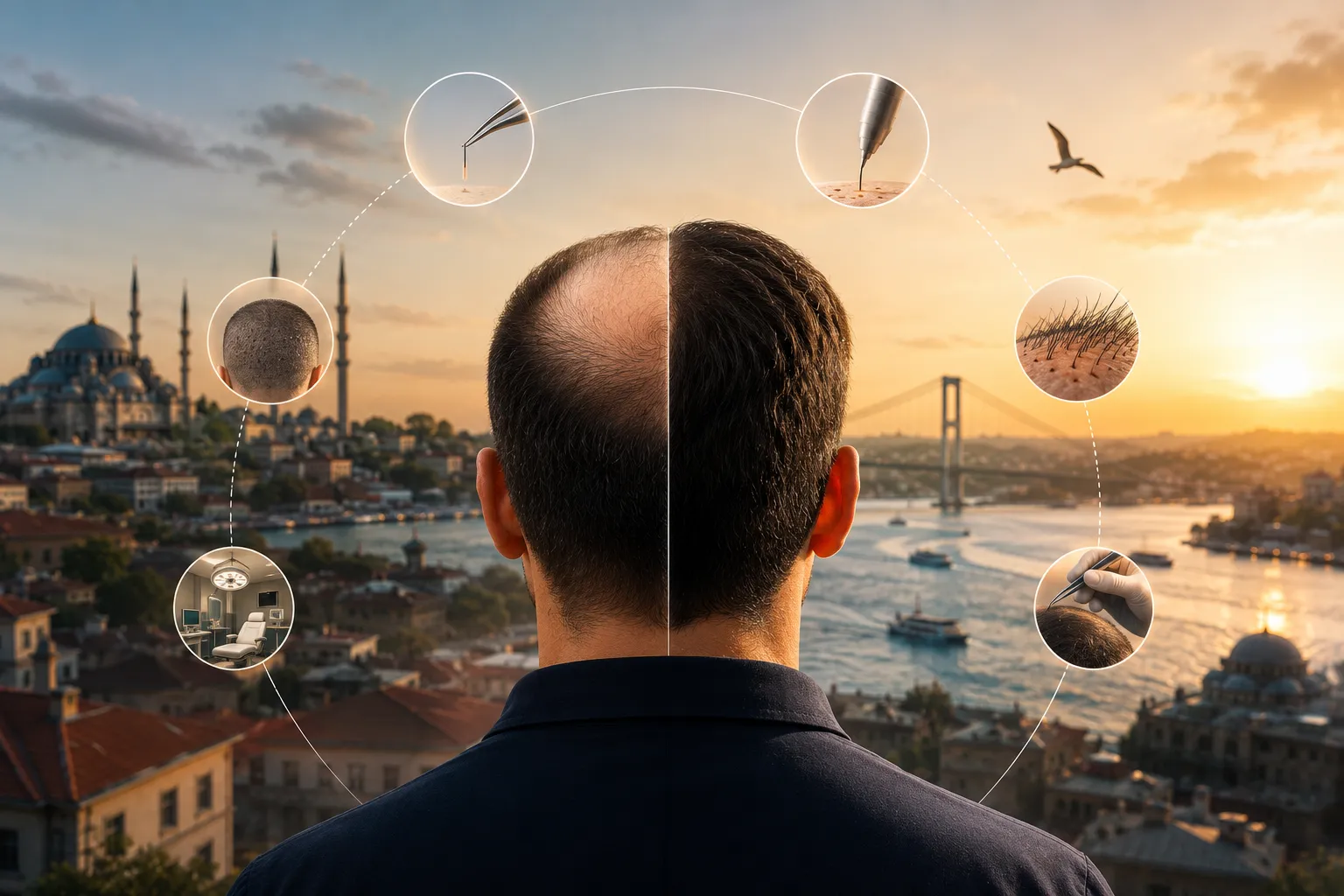
Istanbul
Istanbul has become the global capital for hair restoration, offering a unique combination of cutting-edge surgical techniques, highly experienced medical teams, and seamless travel convenience. International patients trust this city for its transparent treatment planning and world-class healthcare infrastructure.
At the forefront of this excellence is Hair Center of Turkey. Patients choose our clinic for our doctor-led care, state-of-the-art facilities, and expertise in advanced methods like Sapphire FUE and DHI. Our primary focus is always on achieving dense, permanent, and natural-looking results tailored to your facial structure.
Beyond the surgery, we provide a fully coordinated, end-to-end experience. From VIP airport transfers and premium accommodation to comprehensive post-operative aftercare, Hair Center of Turkey ensures your hair restoration journey is safe, comfortable, and successful.
Reviews
Thousands of independent reviews across Google, Trustpilot and WhatClinic.
meet your medical team
Board-certified surgeons and dermatology specialists who oversee every step of your procedure.
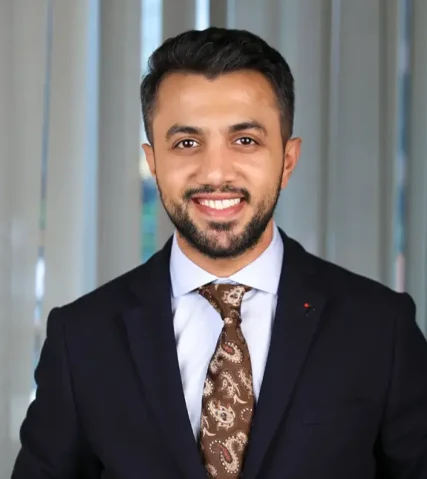
General Coordinator
At Hair Center of Turkey hair transplant clinic, every patient journey is built around trust, natural results, personal…
View profile →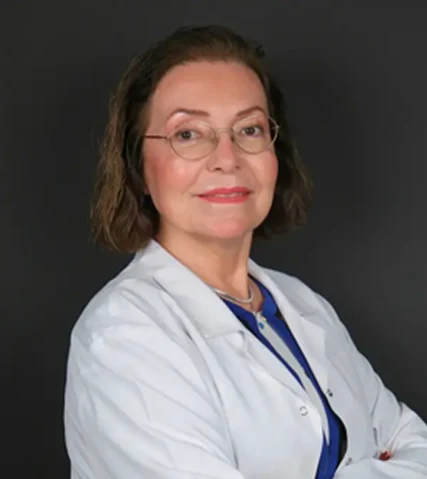
Dermatology Specialist
At Hair Center of Turkey hair transplant clinic, every patient journey is built around trust, natural results, personal…
View profile →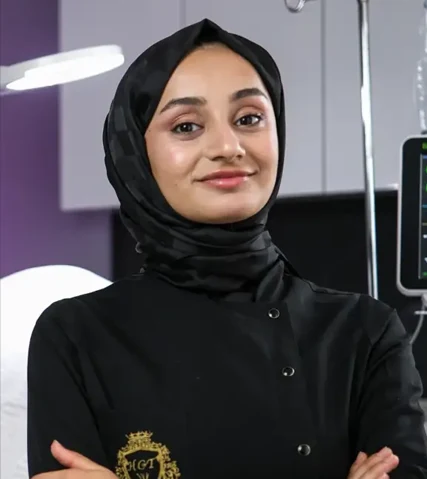
Hair Transplant Practitioner Assistant
At Hair Center of Turkey hair transplant clinic, every patient journey is built around trust, natural results, personal…
View profile →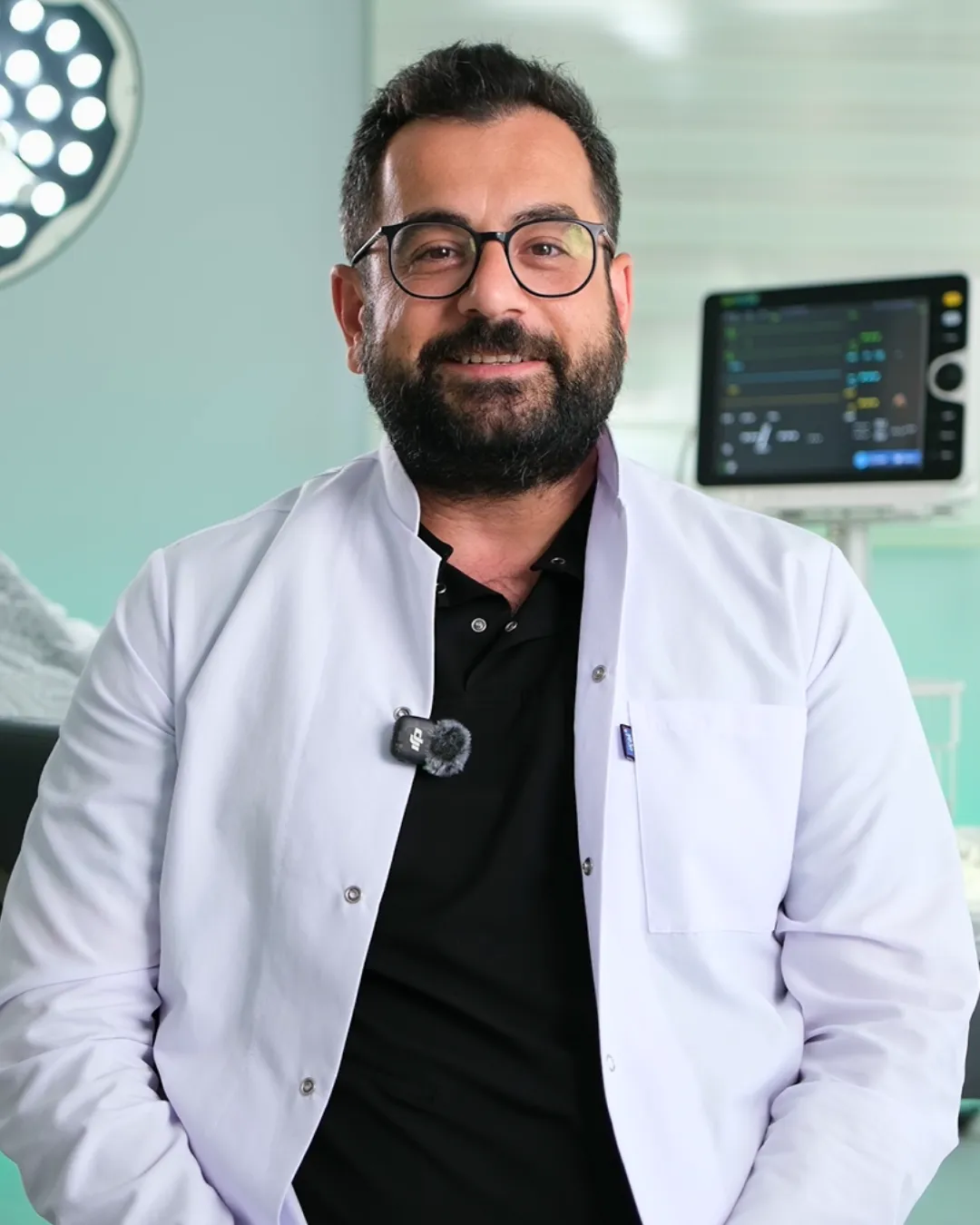
Anaesthesiology
At Hair Center of Turkey hair transplant clinic, every patient journey is built around trust, natural results, personal…
View profile →Hair Transplant Practitioner Assistant
At Hair Center of Turkey hair transplant clinic, every patient journey is built around trust, natural results, personal…
View profile →Hair Transplant Practitioner Assistant
At Hair Center of Turkey hair transplant clinic, every patient journey is built around trust, natural results, personal…
View profile →Hair Transplant Practitioner Assistant
At Hair Center of Turkey hair transplant clinic, every patient journey is built around trust, natural results, personal…
View profile →The journey
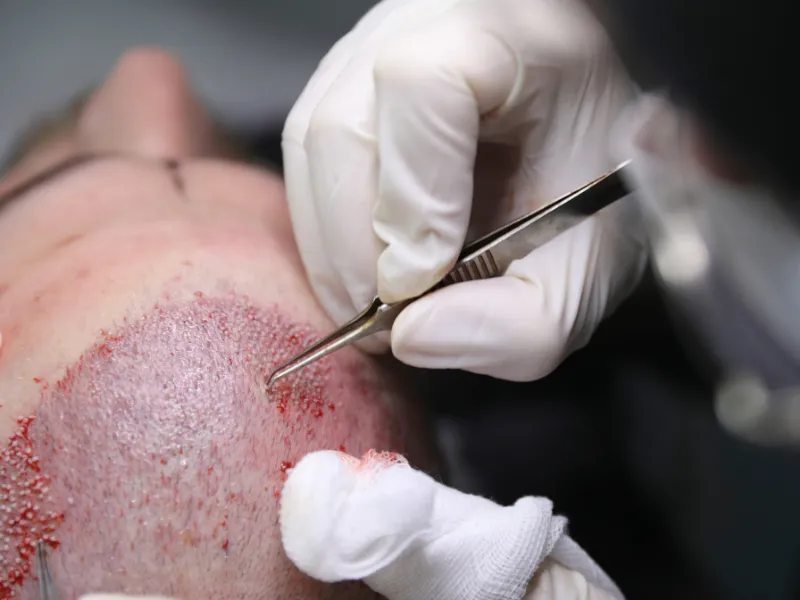
Hair Center of Turkey combines experienced doctors, advanced technology and personalized treatment plans to deliver exceptional, natural-looking hair transplant results.
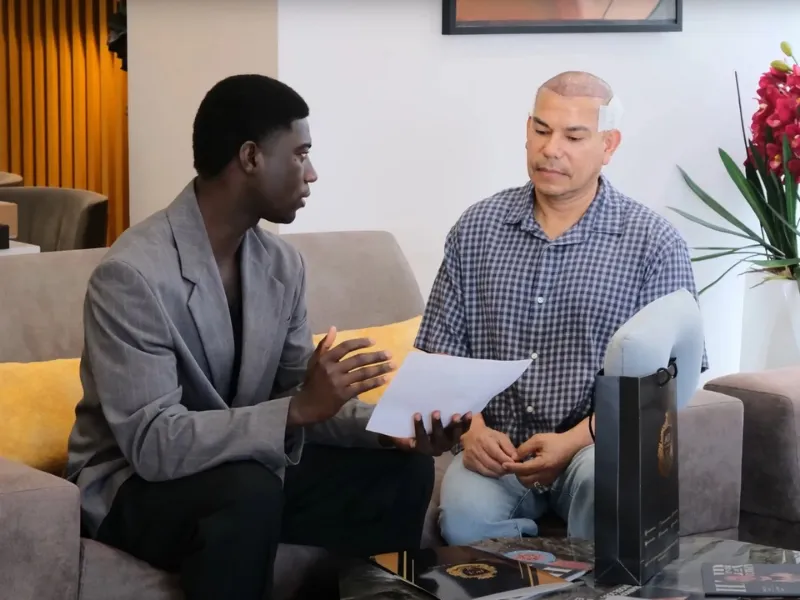
Enjoy a seamless journey with 5-star hotel accommodation, VIP airport transfers, multilingual assistance and comprehensive aftercare included.
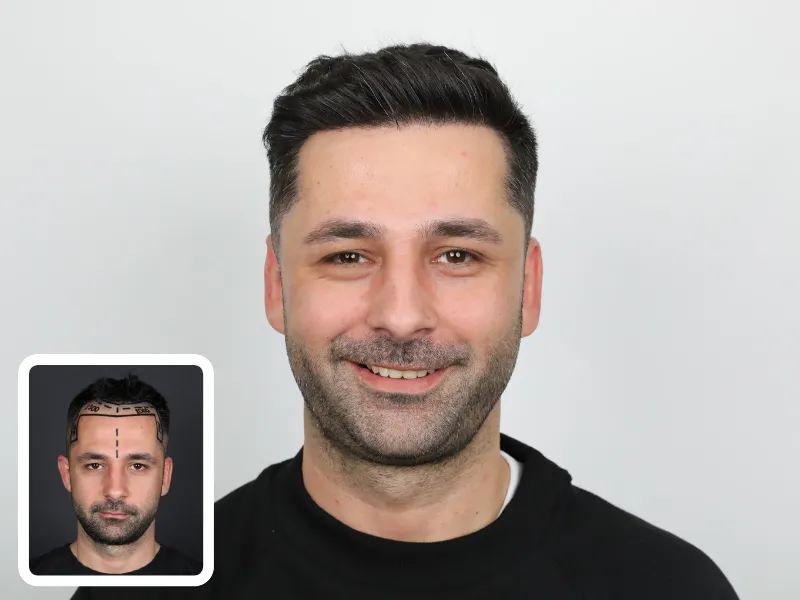
Our focus is creating dense, natural hairlines that complement your facial features while preserving long-term graft survival.

Skip long waiting lists with quick scheduling and recover comfortably in Istanbul while we take care of every detail of your journey.
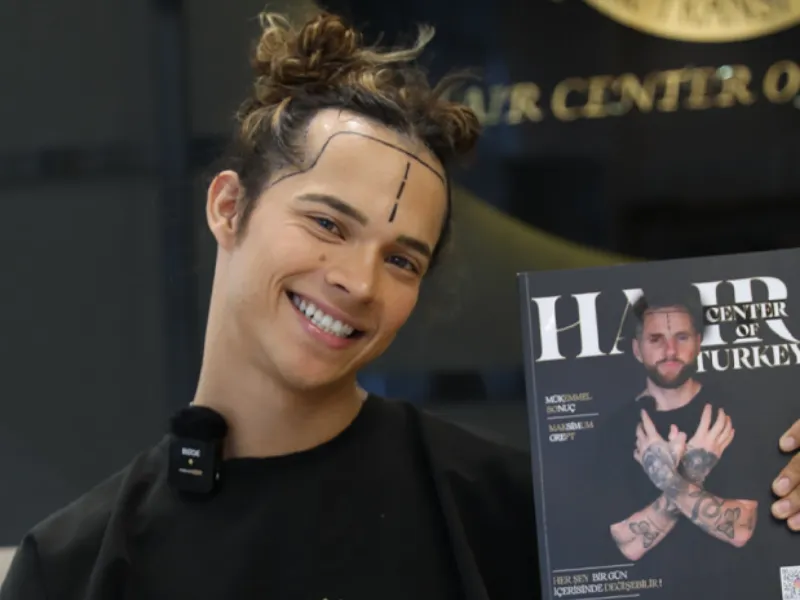
Transparent pricing
The cost of a hair transplant Turkey is one of the main reasons why thousands of people choose this country every year. At Hair Center of Turkey, prices usually range between 2,750€ and 6,000€. The exact price depends on the number of grafts, the chosen method such as Sapphire FUE, DHI and Hybrid. Compared to Europe or the USA, this is significantly more affordable without compromising on quality.
The all-inclusive packages are particularly attractive. They often include airport transfers, comfortable hotel accommodation, translation services, consultation, the procedure itself, and aftercare. This way, patients not only save money but also enjoy a relaxed and well-organised process from start to finish.
With an experienced medical team, modern equipment, and a focus on natural results, Hair Center of Turkey is considered a trustworthy address for hair restoration. Transparent prices and high satisfaction rates make the clinic a preferred choice for anyone seeking an affordable and effective hair transplant Turkey.
Standart
Essential Care
Core medical plan for a safe, focused procedure.
Silver
Complete Support
Treatment, hotel and transfer support in one plan.
Gold
VIP Experience
Priority coordination and end-to-end travel
Standart
Essential Care
Core medical plan for a safe, focused procedure.
Silver
Complete Support
Treatment, hotel and transfer support in one plan.
Gold
VIP Experience
Priority coordination and end-to-end travel
Standart
Essential Care
Core medical plan for a safe, focused procedure.
Silver
Complete Support
Treatment, hotel and transfer support in one plan.
Gold
VIP Experience
Priority coordination and end-to-end travel
Still deciding?
Your journey
Day 1
You will be met by one of our drivers who will take you to the clinic for a blood test, then to your hotel.
Meeting your doctor and discussing your hair transplant options and hairline design.
Day 2
Further expert advice about achieving a natural look and joint finalization of your plan for the best possible result.
Performed under local anaesthesia and sedation, usually 5 to 7 hours depending on the number of follicles. Afterwards we take you back to your hotel to rest.
Day 3
After the dressing change and cleaning, you should rest at the hotel.
After the dressing change and cleaning, you should rest at the hotel.
Day 4
Check the grafts to make sure everything is going well.
It takes approximately a year to reach the full density you want — here's what happens along the way.
After your hair transplant
Day 1
Dressing & Cleaning
Day 2
1st Washing
Day 3
Washing Removing Scaps
Day 13
Shock Hair Loss
2 – 4 weeks
Dormancy period
1 – 3 months
Early growth
3 – 6 months
Noticeable improvement
6 – 10 months
Final results
10 – 16 months
Hair Center of Turkey
A hair transplant involves extracting healthy hair follicles from the donor area and implanting them into thinning or bald areas. At Hair Center of Turkey, every procedure is planned individually to achieve natural density and a balanced hairline.
No, a hair transplant is performed under local anesthesia, so you should not feel pain during the procedure. Mild soreness or tightness afterward is normal and usually subsides within a few days.
FUE involves creating recipient channels before implantation, while DHI uses a specialized implantation pen to place grafts directly into the scalp. The best technique depends on your hair type, hair loss pattern, and treatment goals.
The number of grafts depends on your level of hair loss, donor hair availability, and desired density. A personalized hair analysis is the most accurate way to determine the ideal graft count.
Most hair transplant procedures take between 6 and 8 hours, depending on the number of grafts being transplanted. Larger sessions may require additional time.
Your hairline is designed according to your facial proportions, age, and future hair loss pattern. The goal is to create a natural-looking and age-appropriate result.
The maximum number of grafts depends on your donor area and scalp condition. Most patients receive between 3,000 and 5,000 grafts safely in a single session.
Yes, women can benefit from hair transplantation if they have suitable donor hair and the right type of hair loss. A medical evaluation is necessary to determine eligibility.
Most patients recover within 7 to 14 days, while the scalp continues healing over the following weeks. Following the aftercare instructions helps ensure optimal recovery.
New hair typically begins growing around three to four months after the procedure. Noticeable improvements continue throughout the first year.
Yes, temporary shock loss is a normal part of the healing process and usually occurs within the first few weeks. The transplanted follicles remain healthy and begin producing new hair later.
Most patients see significant improvement after 9 to 12 months, with final results continuing to mature for up to 18 months in some cases.
Yes, transplanted hair is generally permanent because it comes from genetically resistant donor follicles. However, your existing non-transplanted hair may continue to thin over time.
Many patients return to office work within 3 to 7 days, depending on their comfort level. Jobs involving heavy physical activity may require a longer recovery period.
Light walking is usually possible after a few days, while intense exercise should be avoided for approximately two weeks. Your surgeon will provide personalized guidance.
Scissors can usually be used after about one month, while electric clippers on the transplanted area should typically wait several months. Always follow your clinic's recommendations.
Most international patients stay in Turkey for three days to complete the consultation, procedure, and first postoperative wash.
Yes, many hair transplant packages include hotel accommodation to provide a comfortable recovery experience during your stay.
Yes, airport transfers are typically included, allowing patients to travel comfortably between the airport, hotel, and clinic.
Most patients can safely fly one to two days after the procedure, provided their recovery is progressing normally.
Yes, an online consultation allows your hair loss to be evaluated and your treatment plan to be discussed before you travel.
Yes, you are welcome to travel with a companion, and they can stay with you throughout your visit if desired.
You generally need a valid passport and any required travel documents based on your nationality. Your clinic will guide you if additional documents are needed.
Your journey is typically organized from airport pickup to hotel accommodation, surgery, aftercare, and airport transfer for a smooth treatment experience.
Hair transplantation is more affordable in Turkey because of lower operating costs and favorable exchange rates, not because of lower treatment quality.
The cost depends on factors such as the number of grafts, the technique used, the complexity of the procedure, and the services included in your package.
Most packages include the procedure, accommodation, airport transfers, medication, aftercare products, and follow-up support.
Reputable clinics provide transparent pricing before treatment, so you know exactly what is included in your package.
Most international clinics accept major currencies such as Euros, US Dollars, and British Pounds, along with local currency.
Yes, major credit and debit cards are generally accepted alongside bank transfers and cash payments.
Many clinics request a small deposit to confirm your appointment, with the remaining balance paid before treatment.
Yes, Hair Center of Turkey offers a free online hair analysis to assess your suitability and recommend the most appropriate treatment plan.
Yes, hair transplantation is considered a safe and minimally invasive procedure when performed by experienced medical professionals under proper clinical conditions.
Yes, Turkey is one of the world's leading destinations for hair transplantation, provided you choose a licensed and experienced clinic with established medical standards.
Look for a licensed clinic with experienced medical professionals, verified patient results, transparent communication, and comprehensive aftercare.
At Hair Center of Turkey, every treatment is medically planned and supervised by experienced healthcare professionals to ensure patient safety and natural-looking results.
Hair Center of Turkey follows strict sterilization protocols and uses single-use or properly sterilized medical instruments in accordance with healthcare regulations.
Success depends on donor hair quality, surgical technique, proper planning, patient health, and following postoperative care instructions.
Hair transplantation is generally safe, but temporary swelling, redness, and mild discomfort can occur as part of the normal healing process.
Yes, Hair Center of Turkey provides long-term follow-up guidance and aftercare support to help patients achieve the best possible long-term results.
From the blog
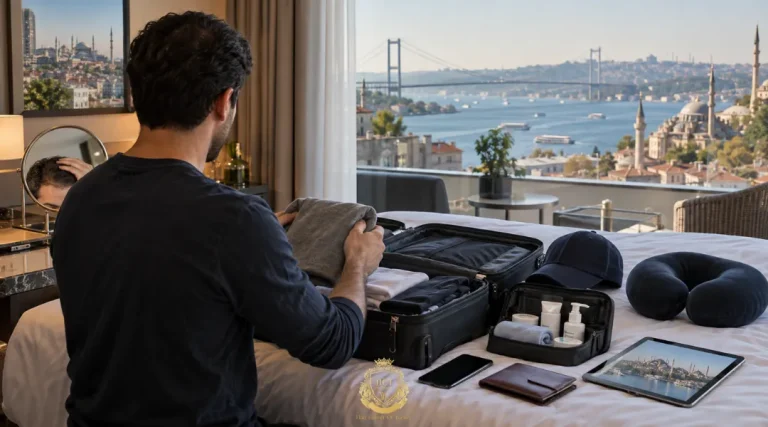
Quick answer: Plan 3–4 nights in Istanbul: a consultation, one surgery day, a check-up with the first wash,…
Read article →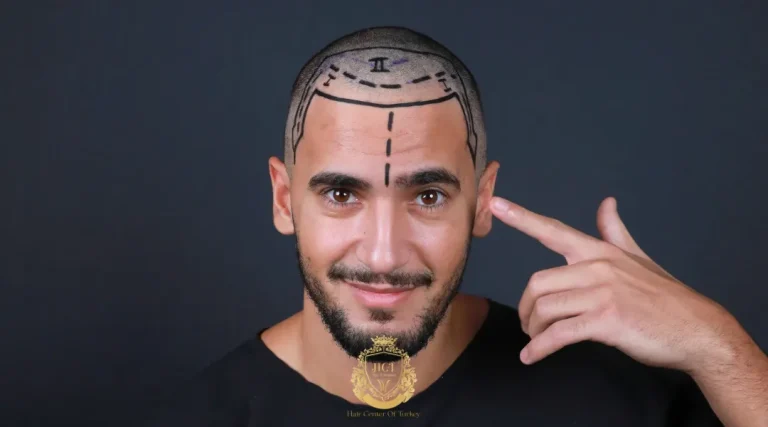
Online graft estimates differ because clinics estimate from photos, apply different density targets, and sometimes quote hairs instead…
Read article →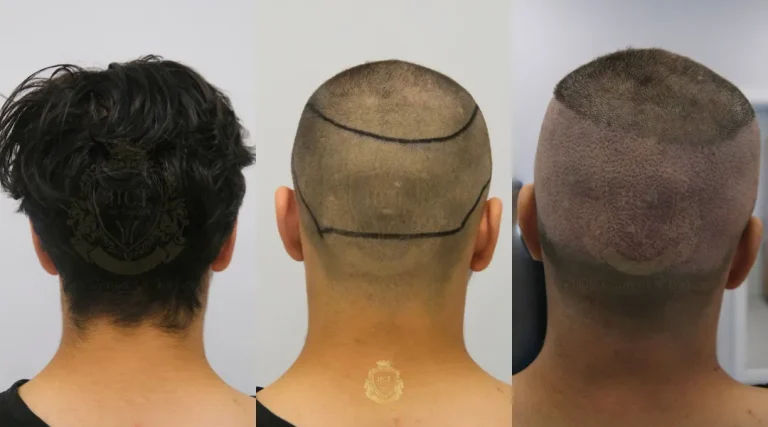
Your donor area is a fixed supply of grafts. Its density, hair quality and scalp health decide whether…
Read article →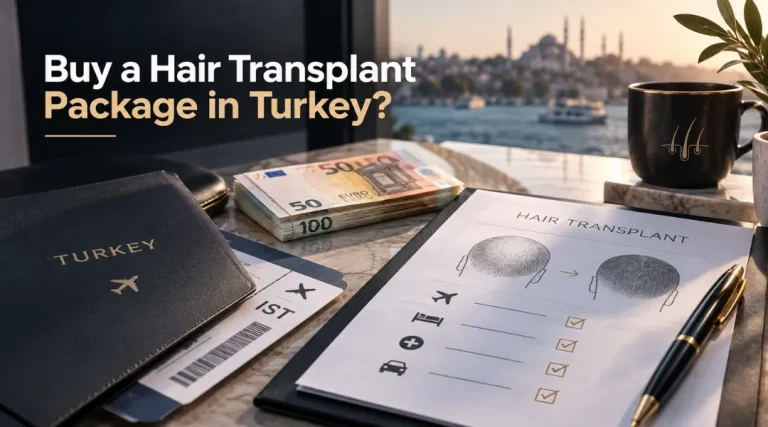
Yes. A hair transplant package in Turkey costs €2,000–€4,500 all-inclusive and covers surgery, hotel, transfers and medication —…
Read article →
Yes, an extremely cheap Turkey hair transplant package (usually under $1,500) is a major red flag. It often…
Read article →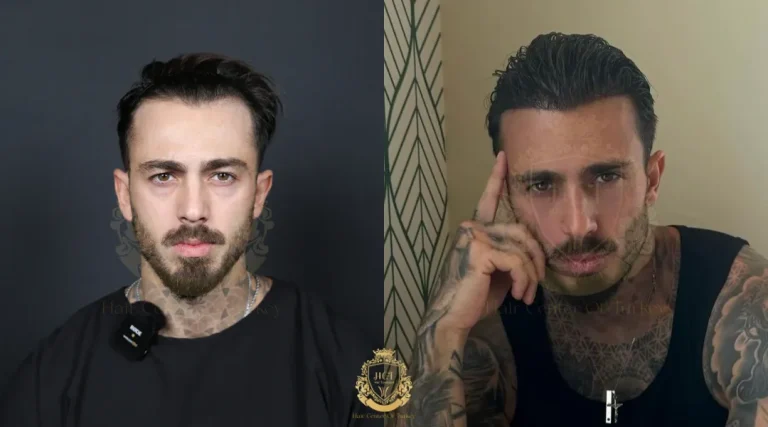
Hair transplant results in Turkey look different because of dense packing, sharply drawn straight hairlines, and the Sapphire…
Read article →