

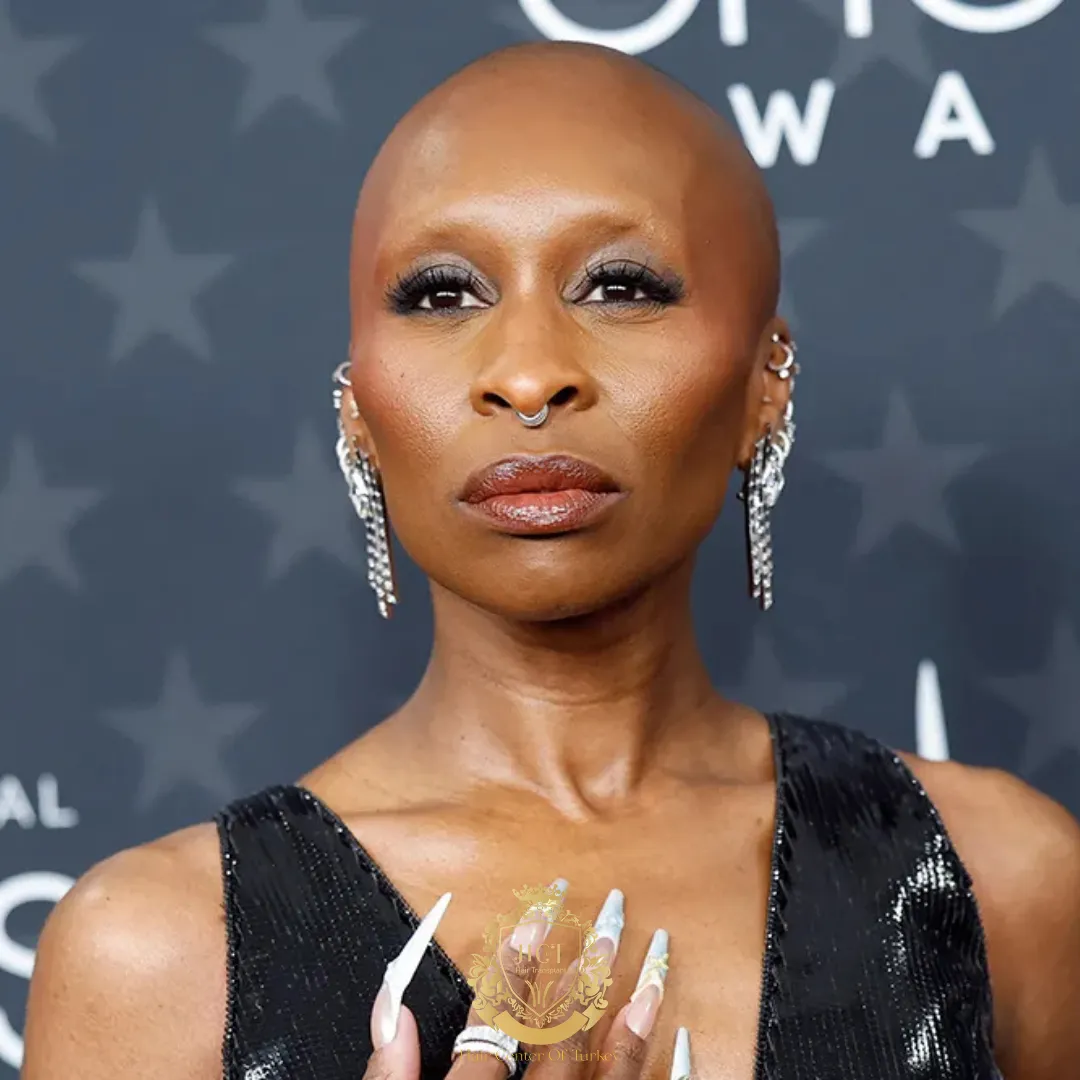
Cynthia Erivo’s clean-shaven head is a deliberate style choice, not the result of a medical hair loss condition. The actor and singer has worn the look for years as part of her personal identity and several of her roles, and there’s no public record of alopecia or treatment behind it. We get this question a lot at Hair Center of Turkey, a hair transplant clinic we founded in 2014. Our three specialist surgeons carry out more than 3,000 procedures a year, so we spend our days separating genuine hair loss from styling decisions like Erivo’s — and explaining the difference to people who are worried about their own hair.
Cynthia Erivo’s bald look is widely understood to be a personal style choice she’s spoken about in interviews. She has also linked the look to the practical demands of playing Elphaba in the “Wicked” films, where heavy makeup and wigs are part of the job. She hasn’t publicly confirmed a medical condition, so it’s best not to assume one.
Table of Contents
Short answer
Cynthia Erivo is bald by choice. She has described her shaved head as a deliberate part of her style and identity, and there is no public confirmation of any medical hair-loss condition. We see this distinction often at Hair Center of Turkey, where our doctors treat women with genuine hair loss as well as those who simply prefer a shaved look — so it’s worth not assuming illness where none has been confirmed.
Did She Shave Her Head For ‘Wicked’?
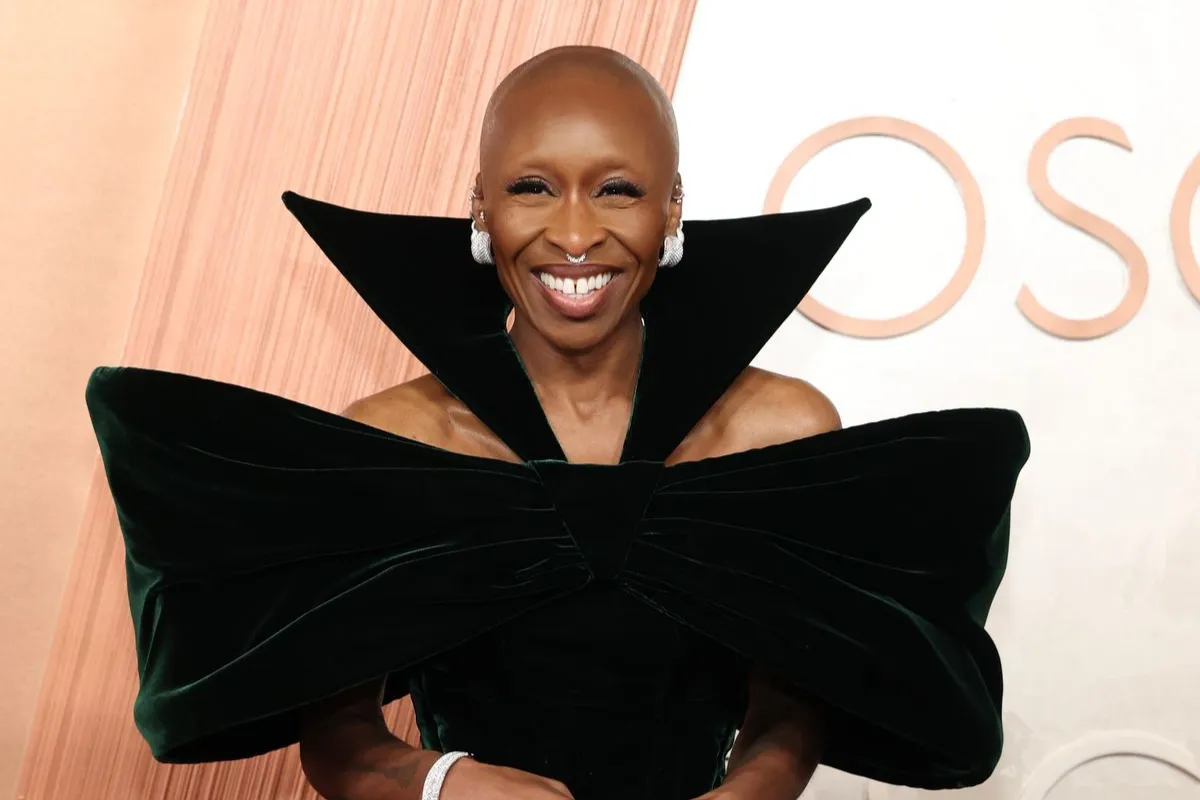
Yes, the “Wicked” films are often mentioned as part of the timeline. Erivo has discussed the hours-long transformation into Elphaba, including extensive makeup and wig work. Keeping her head shaved can make daily prep more straightforward and help wigs sit more naturally.
Is Cynthia Erivo Bald Because Of Alopecia?
There’s a lot of online speculation, but speculation isn’t a diagnosis. Erivo has not publicly announced that she has alopecia, and it isn’t appropriate to treat a hairstyle as medical proof. If a public figure chooses to share health information, that’s their decision—not something others should guess at.
What About Her Eyebrows?
Fans also notice that Erivo frequently appears without eyebrows. She has explained that she removes them on purpose as part of her aesthetic and makeup approach. It’s another reminder that her look is intentionally styled and closely tied to self-expression.
Why People Misread A Shaved Head
Hair loss is common, and alopecia can be emotionally difficult—especially for women. That’s one reason baldness gets linked to illness so quickly. At the same time, many people shave their head for comfort, convenience, fashion, or identity, and none of those reasons require a medical explanation.
If You’re Worried About Hair Loss
If your concern isn’t celebrity style but your own shedding or patchy hair loss, a dermatologist is the right place to start. Conditions such as alopecia areata, traction alopecia, and scalp inflammation can look similar at first, yet require different care. Early evaluation is especially helpful when hair loss is sudden, itchy, painful, or leaving smooth bald patches.
Women Who Choose to Be Bald vs. Women With Medical Hair Loss
There’s a real difference between shaving your head and losing your hair. Cynthia Erivo’s bald look is a styling decision she controls — she can grow it back whenever she wants. Medical hair loss works the other way: it happens without consent, often gradually, and it can shake a woman’s confidence in a way a chosen buzzcut rarely does. We see both at the clinic. Some women love a shaved look but want healthier, denser hair underneath for the days they grow it out; others are dealing with thinning they didn’t choose and want to understand the cause before they decide on anything.
Common Causes of Hair Loss in Women
Female hair loss usually traces back to a handful of causes, and identifying the right one matters — the treatment changes with it. These are the patterns our surgeons see most often:
- Androgenetic alopecia (female pattern hair loss) — gradual thinning along the part and crown, tied to genetics and hormones.
- Alopecia areata — patchy, sudden loss when the immune system turns on the hair follicles.
- Hormonal shifts — pregnancy, menopause and thyroid problems can all trigger noticeable shedding.
- Telogen effluvium — temporary, diffuse shedding after stress, illness, surgery or a big life change.
How Hair Center of Turkey Helps Women Worried About Hair Loss
If you recognise your own situation in any of the patterns above, the first step isn’t a transplant — it’s a proper diagnosis. Our surgeons start by working out why the hair is thinning, because the cause decides the treatment. A lot of female hair loss responds well to approaches that don’t involve surgery at all.
- PRP therapy — concentrated platelets from your own blood, used to strengthen existing follicles and slow down shedding.
- Mesotherapy — micro-injections of vitamins and nutrients delivered into the scalp to support healthier growth.
- DHI and FUE hair transplants — when restoration genuinely makes sense, these techniques move your own follicles with little disruption to the hair around them, which matters when you want to keep your length.
Women’s hair restoration isn’t a smaller version of the male procedure. The hairline, the density goals and the way loss tends to spread are all different, so we plan each case around them. With three specialist surgeons carrying out more than 3,000 procedures a year, most of our work is helping women understand what’s actually happening before they decide on anything.
FAQ
Why doesn’t Cynthia Erivo have hair?
She shaves her head by choice, especially for Wicked makeup and personal style.
Did Cynthia Erivo wear a wig in Wicked?
Yes; she wore multiple Elphaba wigs and hairpieces for the film.
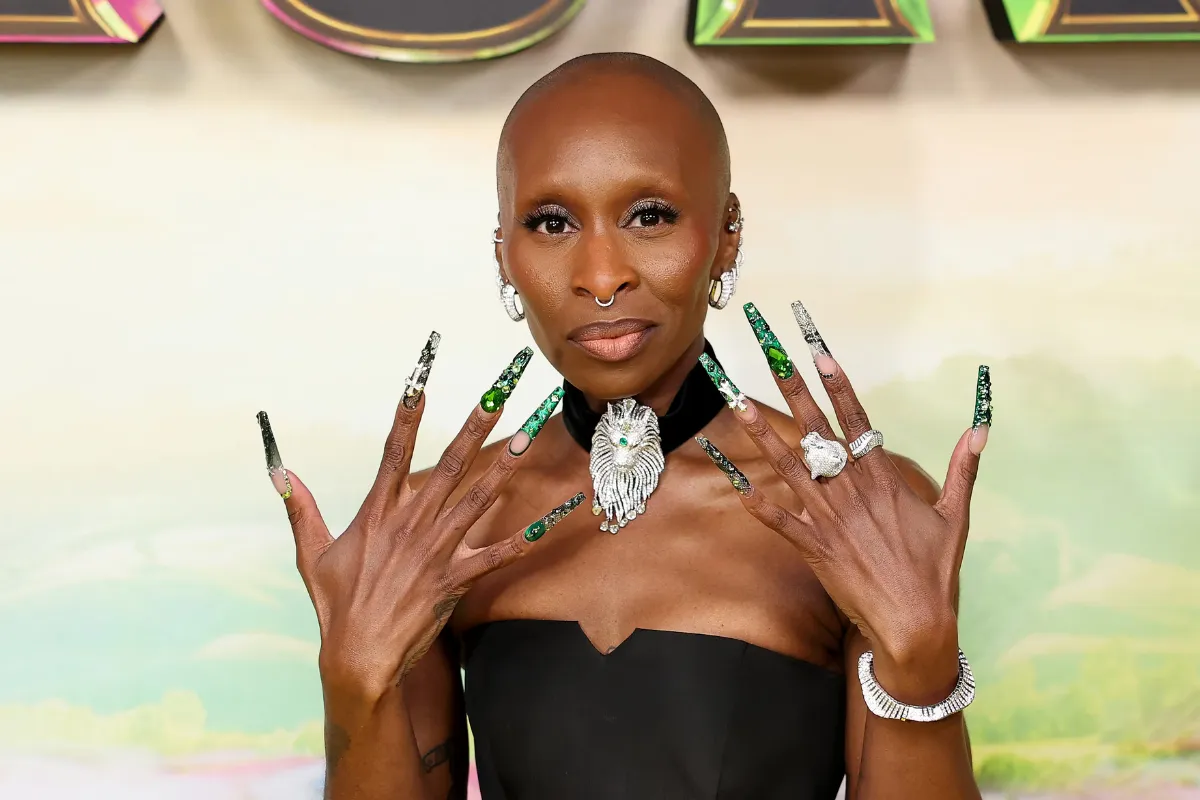
Why are Cynthia’s nails so long?
They’re her signature fashion statement and part of her nail-art self-expression.
Why does Will Smith’s wife not have hair?
She has alopecia areata and often shaves her head to manage hair loss.
What caused Cynthia Erivo to lose her hair?
She hasn’t reported medical hair loss; she typically shaves her hair by choice.
Is a shaved head the same as alopecia?
No — a shaved head is a styling choice, while alopecia is a medical condition where hair falls out on its own. Someone can shave their head for years without any hair-loss disorder, which is exactly why a bald look on its own doesn't point to a diagnosis.
Can shaving your head damage hair follicles?
No, shaving cuts the hair at the surface and never reaches the follicle, so it has no effect on regrowth. Frequent dry shaving or a harsh razor can irritate the scalp, but the follicle itself stays intact and hair grows back as normal.
When should women worried about hair loss see a specialist?
It's worth getting checked if you notice a widening part, a receding hairline, or heavier shedding than usual over a few months. Early assessment gives the best chance of slowing the loss and matching a treatment to the actual cause.
What treatments does Hair Center of Turkey offer for female hair loss?
Our doctors begin by diagnosing the underlying cause, then recommend options that range from medical therapy and PRP to a female hair transplant when the loss is permanent. The right plan depends on your hair type and how advanced the thinning is, so it's tailored after an in-person or photo assessment.
Can I get a hair transplant if I prefer a buzzcut?
Yes. A transplant restores your own growing hair, so you keep full control over how you wear it — including shaving it down whenever you like, the way Cynthia Erivo does. The difference is that the hair is there if you ever want length back. We plan the density and hairline so the result looks natural both shaved and grown out.
What hair loss treatments suit women?
It depends on the cause. Early or hormone-related thinning often responds to non-surgical options like PRP or mesotherapy, while more established loss may call for a DHI or FUE transplant. We diagnose the reason for the shedding first, then match the treatment to it rather than the other way around.
Is hair loss in women permanent?
Not always. Telogen effluvium after stress, illness or pregnancy is usually temporary and recovers on its own. Androgenetic alopecia, on the other hand, tends to be progressive without treatment. Getting a proper diagnosis early is the best way to know which one you're dealing with.
How is a women’s hair transplant different from a man’s?
Women usually keep their existing hairline and need work focused on density rather than a receding front, and female loss spreads differently across the scalp. We plan each case around those differences instead of scaling down a male procedure.
Explore the complete guide: Celebrity Hair Transplants – Film, TV and Music