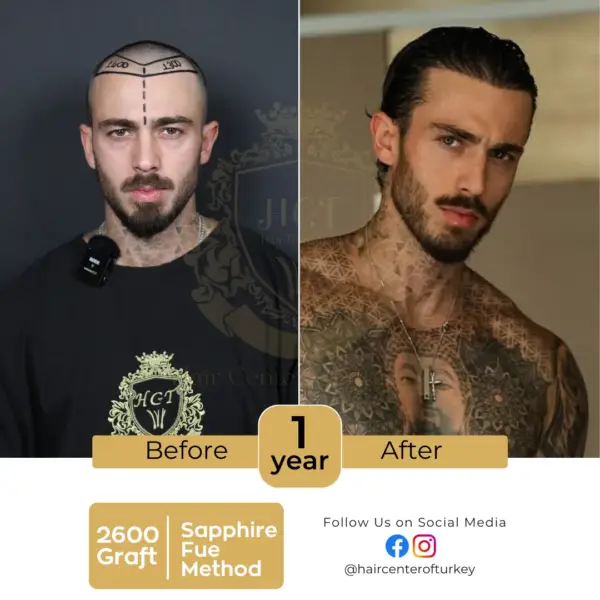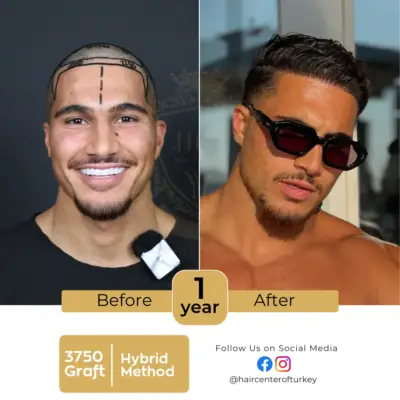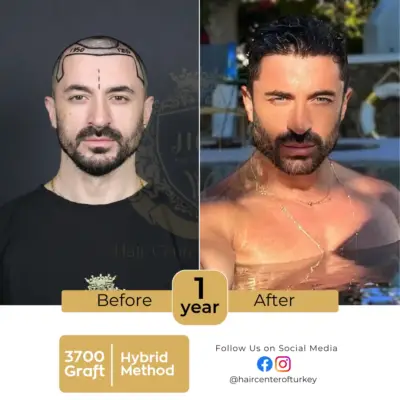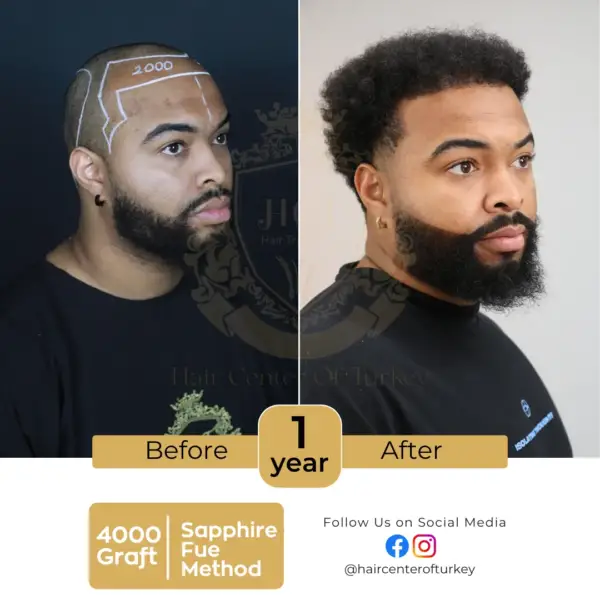


Low progesterone can contribute to hair thinning in some people, particularly when it occurs alongside hormonal changes such as menopause, postpartum recovery, or certain endocrine disorders. However, low progesterone is rarely the only cause of hair loss, and an accurate diagnosis usually requires evaluating other hormones, nutritional status, genetics, and overall scalp health. At Hair Center of Turkey, an Istanbul hair transplant and hair health clinic established in 2014, our team of three specialist doctors performs more than 3,000 hair transplant procedures each year and regularly evaluates patients experiencing hormonally related hair loss.
Hormonal hair loss often requires a personalised treatment plan rather than a single solution. In this guide, the specialists at Hair Center of Turkey explain how progesterone affects the hair growth cycle, the symptoms of low progesterone, when hormone testing may be appropriate, and which medical or surgical treatments may help depending on the underlying cause of hair loss.
What Progesterone Does In The Body And Why Hair Can Notice
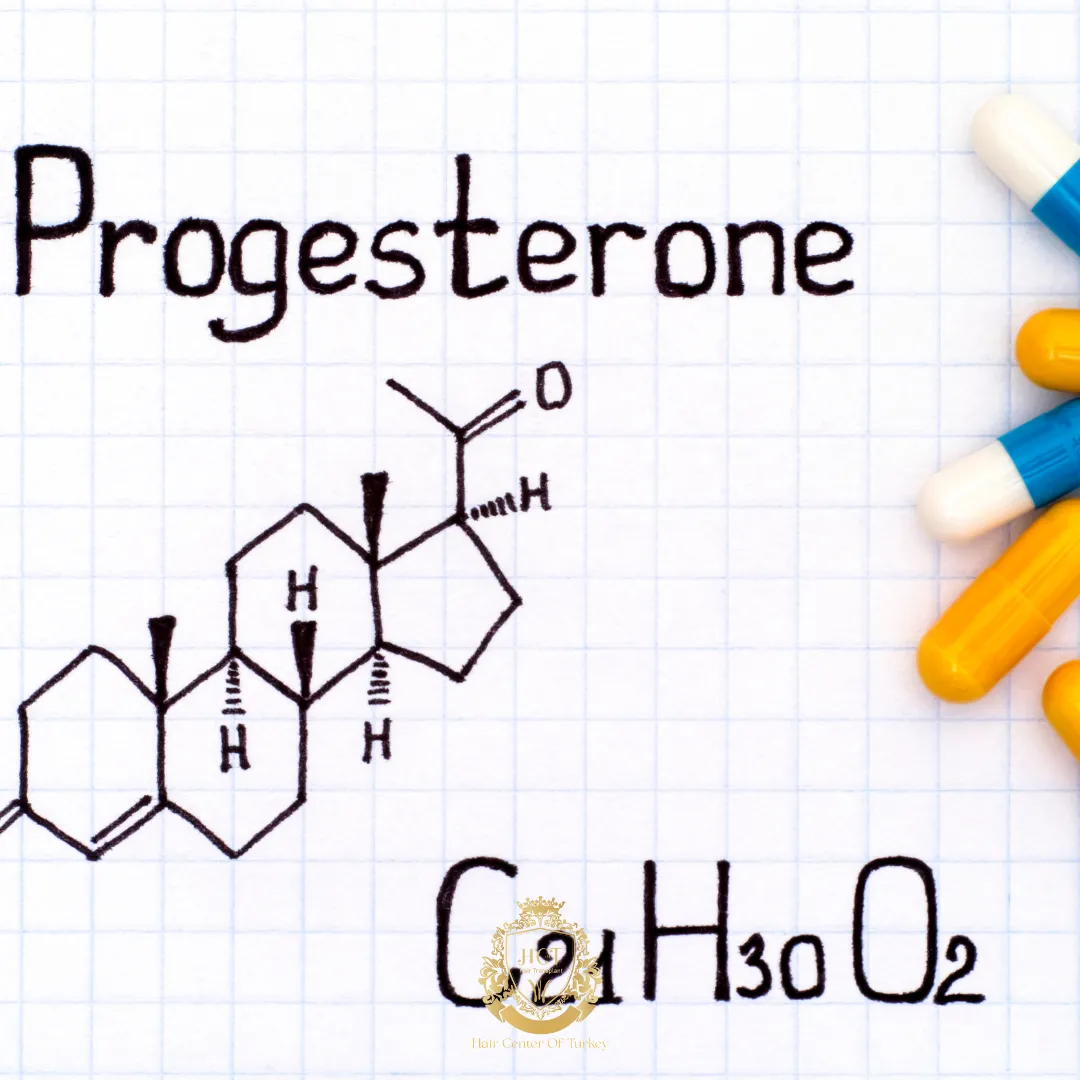
Progesterone is produced mainly by the ovaries after ovulation and helps regulate the menstrual cycle and early pregnancy. It also interacts with other hormones that influence the hair-growth cycle. When progesterone is persistently low, the overall hormonal “mix” can change in ways that affect shedding and density.
Hair grows in cycles. Anything that pushes more follicles into the resting (telogen) phase can increase shedding a few weeks or months later. Hormonal shifts are a common trigger, especially during postpartum recovery, perimenopause, or periods of high stress.
How Low Progesterone May Contribute To Hair Loss
1) Higher Relative Androgen Effects
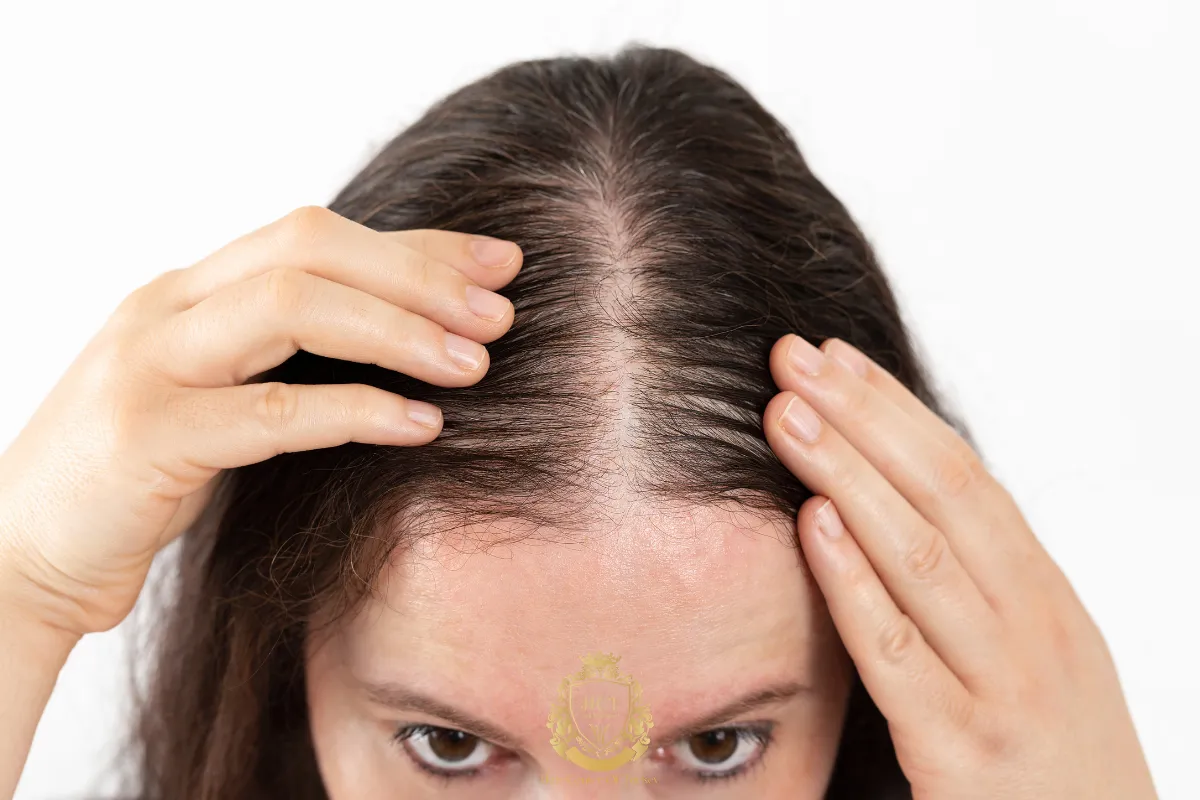
Progesterone is often described as a counterbalance to androgens in women. If progesterone drops while androgen activity stays the same, follicles may become more sensitive to androgen signaling. That sensitivity can show up as gradual thinning at the part line or temples in people prone to female pattern hair loss.
2) Estrogen–Progesterone Imbalance
Progesterone and estrogen normally rise and fall in a coordinated pattern across the cycle. When progesterone is low, estrogen can become “unopposed,” which may worsen symptoms like heavy periods or breast tenderness. For some people, that imbalance also coincides with increased shedding or changes in hair texture.
3) Anovulatory Cycles And Stress Signals
If ovulation doesn’t occur, progesterone typically stays low because the corpus luteum doesn’t form. Anovulatory cycles can happen with PCOS, thyroid problems, significant calorie restriction, intense training, or chronic stress. Those same drivers can independently trigger telogen effluvium, so it’s common to have more than one contributor.
Symptoms That Often Appear With Low Progesterone
Low progesterone doesn’t look the same for everyone, but these patterns are common:
- Irregular or shorter cycles, or spotting before a period
- Worse PMS symptoms, mood swings, or anxiety
- Sleep disruption, especially waking in the night
- Breast tenderness, headaches, or heavier bleeding
- Hot flashes or night sweats in perimenopause
- Hair clues: widening part, reduced ponytail thickness, or more shedding during washing/brushing
Hair shedding on its own isn’t enough to diagnose a hormone issue. The most useful clue is the combination of hair changes plus cycle or perimenopause symptoms.
How Low Progesterone Is Tested
Progesterone is usually assessed with bloodwork timed to the luteal phase (after ovulation). For a textbook 28‑day cycle, that’s often around day 21, but the right timing depends on your actual ovulation date. If cycles are irregular, clinicians may use ovulation tracking, repeat labs, or alternative testing plans.
Because several conditions mimic “low progesterone,” many clinicians also check thyroid function, iron stores (ferritin), vitamin D, B12, and sometimes androgens or prolactin. This helps separate hormone-driven shedding from nutritional, thyroid, or genetic hair loss.
Treatment Options If Progesterone Is Low
Address The Root Cause First
If low progesterone is due to anovulation, treatment focuses on what’s blocking ovulation—such as PCOS management, thyroid treatment, stress reduction, or correcting low energy intake. When the underlying issue improves, progesterone patterns often improve as well.
Progesterone Therapy Or HRT
Prescription progesterone or hormone therapy may be appropriate for some people, particularly in perimenopause or with specific cycle concerns. The best choice depends on your symptoms, age, medical history, and pregnancy plans. Because hormones have risks and contraindications, this decision should be made with a qualified clinician.
Hair-Focused Treatments
If thinning is significant, treating the hair directly can make a bigger difference than hormones alone. Topical minoxidil is a common first-line option for pattern thinning, and other therapies may be considered depending on the diagnosis. Your clinician or dermatologist can match treatment to the type of hair loss you have.
Lifestyle And Nutrition Support
Hair is sensitive to overall health. Adequate protein, iron, zinc, and vitamin D support normal growth, especially if a deficiency is present. Gentle styling, avoiding tight hairstyles, and managing scalp inflammation also reduce breakage and shedding triggers.
Other Common Causes Of Hair Loss In Women
Even when hormones are involved, it’s worth checking these frequent contributors:
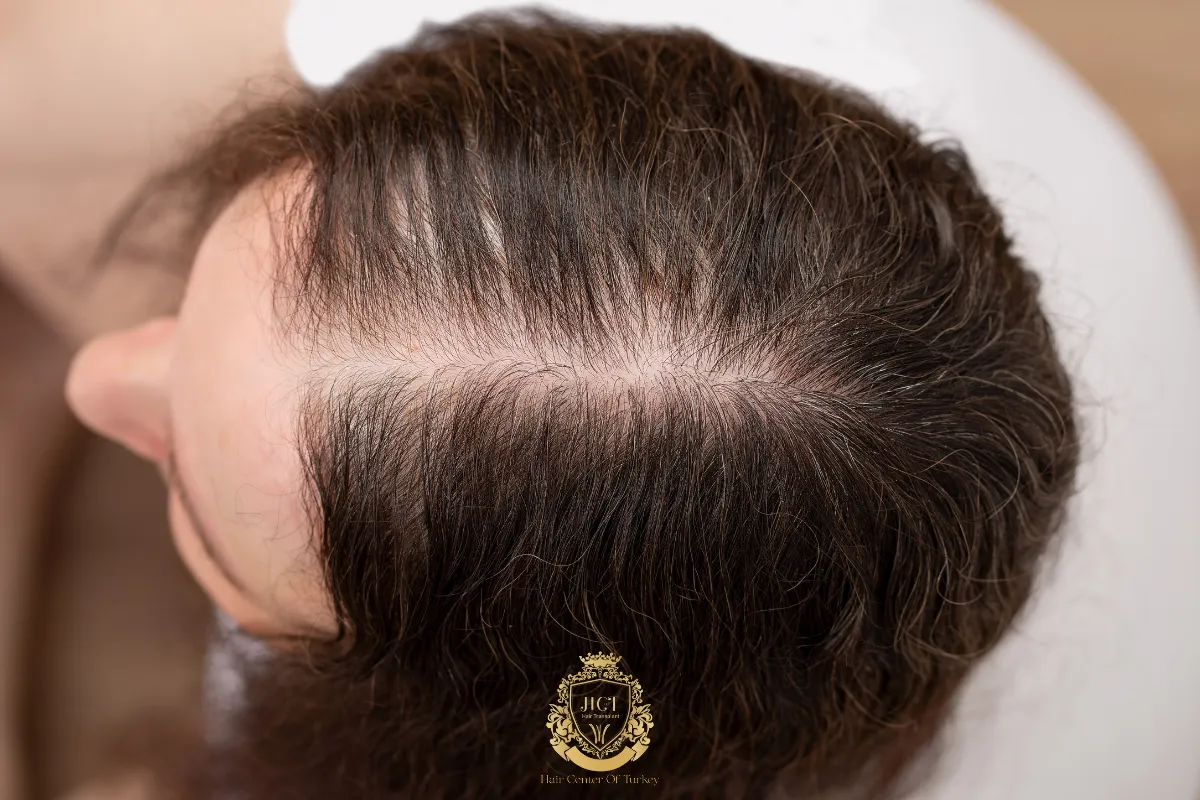
- Female pattern hair loss (genetic thinning)
- Thyroid disease (hypothyroidism or hyperthyroidism)
- Iron deficiency, especially with heavy periods
- Postpartum telogen effluvium
- Rapid weight loss, restrictive diets, or low protein intake
- Medications (for example, some retinoids, anticoagulants, or antidepressants)
- Autoimmune alopecia areata (patchy loss)
- Scalp conditions such as eczema, psoriasis, or seborrheic dermatitis
When To See A Clinician
Book an appointment if shedding is sudden, patchy, or paired with scalp pain, burning, or significant itching. Also get checked if you have heavy bleeding, new facial hair growth, acne flare-ups, or symptoms of anemia like fatigue and dizziness. Early diagnosis matters because different hair-loss patterns respond to different treatments.
Frequently Asked Questions
Can low progesterone cause hair loss in women?
It can be a contributing factor, mainly by shifting the balance between estrogen and androgen effects on hair follicles. Most people with hormone-related shedding have more than one trigger, so a full evaluation is still worth doing.
Is hair loss from low progesterone reversible?
Often yes, at least partially. When the underlying hormonal imbalance is addressed and other causes are ruled out, shedding tends to slow down, and early treatment gives the best chance of visible regrowth.
How is low progesterone diagnosed?
It's usually checked with bloodwork timed to the luteal phase, around day 21 in a typical 28-day cycle. If cycles are irregular, clinicians may use ovulation tracking or repeat labs to time the test correctly.
What treatments help if low progesterone is causing hair thinning?
Options range from addressing the root cause of anovulation to progesterone therapy or HRT, plus hair-focused treatments like topical minoxidil. The right combination depends on your symptoms, age, and medical history.
When should I see a doctor about hair loss and hormone imbalance?
See a clinician if shedding is sudden, patchy, or comes with scalp pain or itching, or if you notice heavy bleeding, new facial hair, acne flare-ups, or signs of anemia like fatigue and dizziness.
Explore the complete guide: Hair Loss Types and Causes