

At Hair Center of Turkey, an Istanbul hair transplant clinic founded in 2014, our three specialist doctors carry out around 3,000 transplant procedures every year. One question comes up in almost every follow-up: when is it actually safe to wear a hat again? It’s a fair worry. For the first few days your grafts sit loosely in the scalp, and the wrong hat at the wrong moment can rub them out of place or trap sweat against healing skin. The honest answer is that both timing and the kind of hat matter. Below, we cover when you can cover your head, which hats are safe at each stage of recovery, and the common mistakes that put new grafts at risk — the same guidance we give our own patients.
Most clinics advise avoiding hats for the first few days after a hair transplant, because pressure and friction can disturb newly placed grafts. In many cases, a loose, breathable hat is allowed around day 7–10, but the exact timing depends on your technique and healing. Choose soft materials, keep it clean, and follow your surgeon’s aftercare plan.
Table of Contents
Why People Wear A Hat After A Hair Transplant
A hat can be useful during recovery, but only when it’s worn at the right time and in the right way. Patients usually consider headwear for three reasons: protection, comfort, and privacy.
- Shielding the scalp from sun, dust, wind, and accidental knocks when you’re outdoors.
- Reducing irritation from cold air or dry environments, especially during the first weeks.
- Helping you feel more confident while redness, scabbing, or short post-op hair is still visible.
The main risk is simple: if a hat rubs, squeezes, or traps sweat, it can slow healing or irritate the scalp. That’s why timing and fit matter more than the hat itself.
When Can You Wear A Hat After A Hair Transplant?
There isn’t one rule that fits everyone, because aftercare depends on the clinic’s protocol, the number of grafts, and how quickly your scalp settles. Still, most surgeons recommend avoiding any headwear in the immediate post-op period.
Typical Timeline Patients Are Given
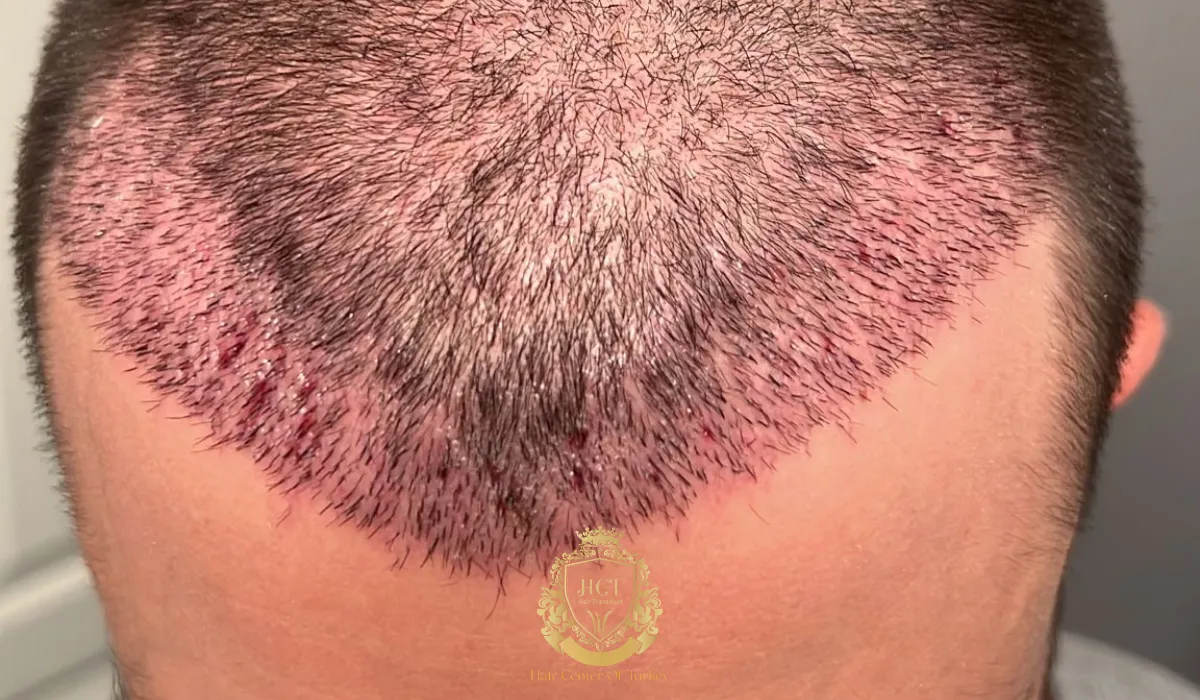
These ranges are common in post-op instructions. Your surgeon’s guidance should always come first.
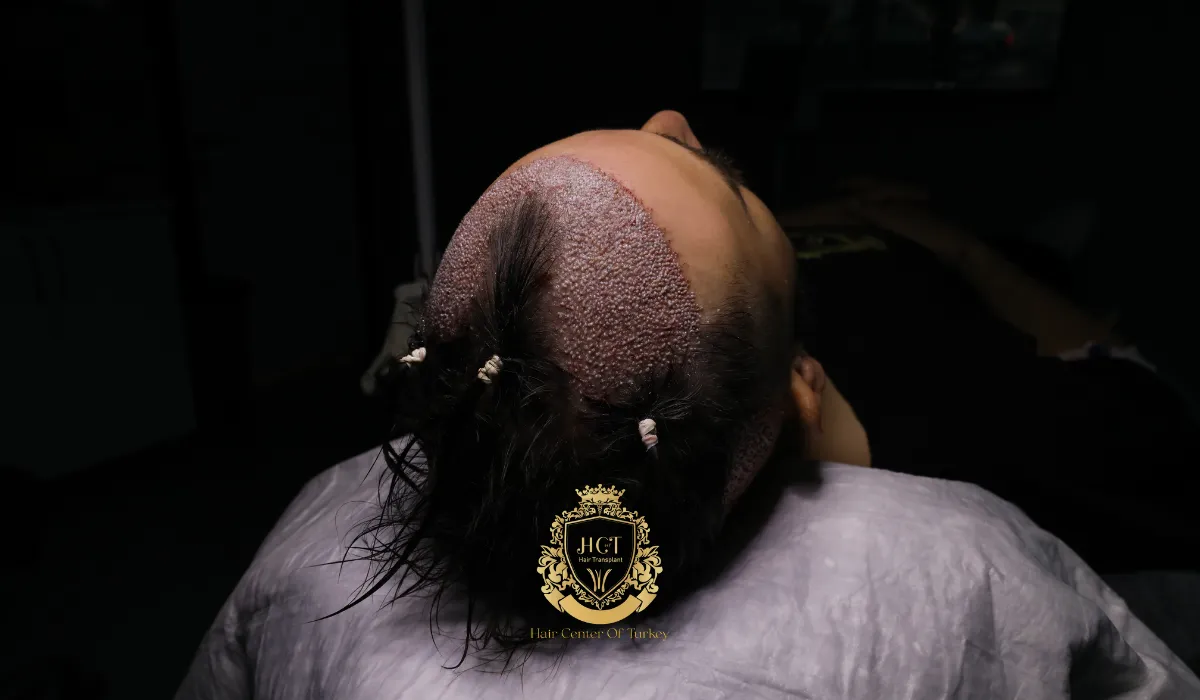
Days 0–2: Avoid hats. This is when grafts are at their most vulnerable and the scalp is still very sensitive.
Days 3–6: Some clinics allow a very loose hat for short periods if you must go outside, while others still recommend avoiding it.
Around Days 7–10: Many patients can wear a loose, breathable hat as long as it doesn’t touch the grafts aggressively or cause sweating.
After 2 weeks: Headwear is usually easier to tolerate because scabs have typically cleared and the scalp is less tender.
What Kind Of Hat Is Best After A Hair Transplant?
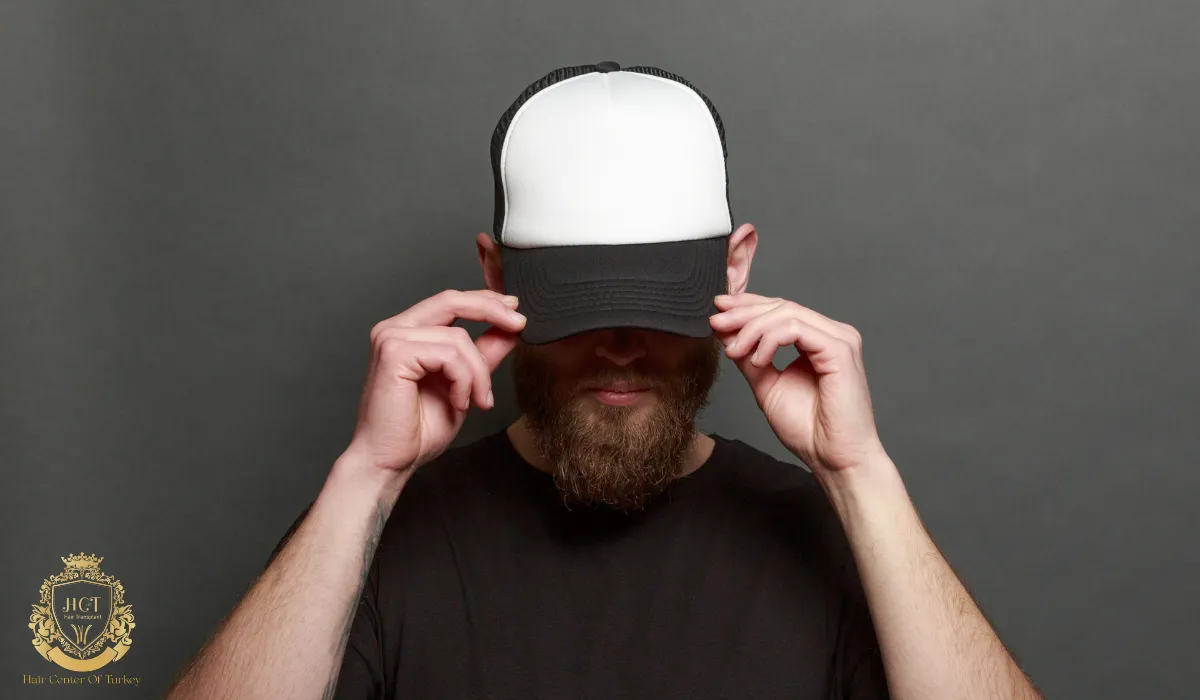
If your clinic prefers that you avoid hats in the first week, consider alternatives your surgeon approves, such as staying in shade, using an umbrella, or limiting time outdoors during peak sun hours. Direct sun exposure is commonly restricted during early recovery.
Best Options
If you’re cleared to wear a hat, choose one that protects without compressing the scalp. The goal is minimal friction, good airflow, and easy hygiene.
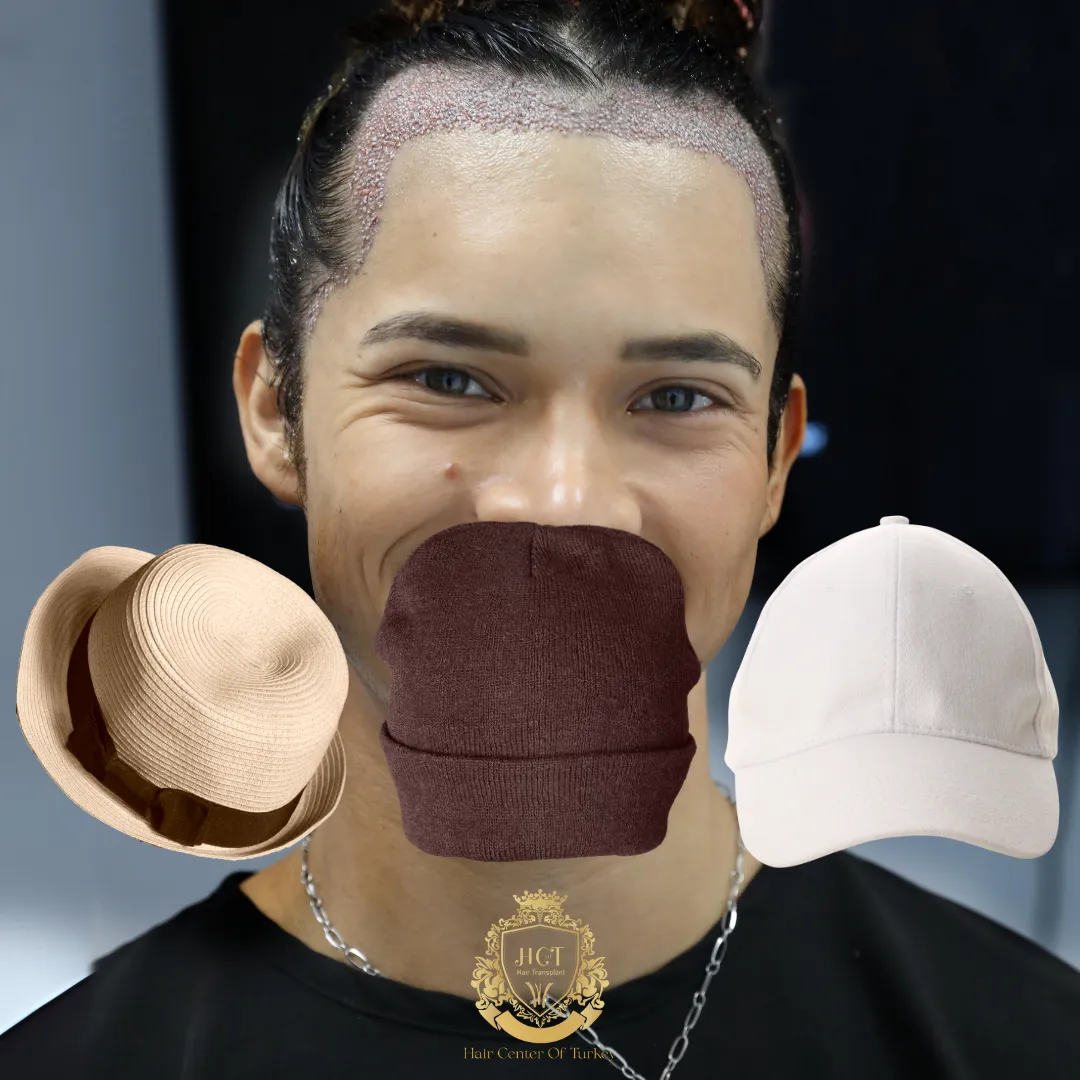
- Loose-fitting baseball cap with an adjustable strap (worn gently, never tightened).
- Soft bucket hat or sun hat with a wide brim for UV protection.
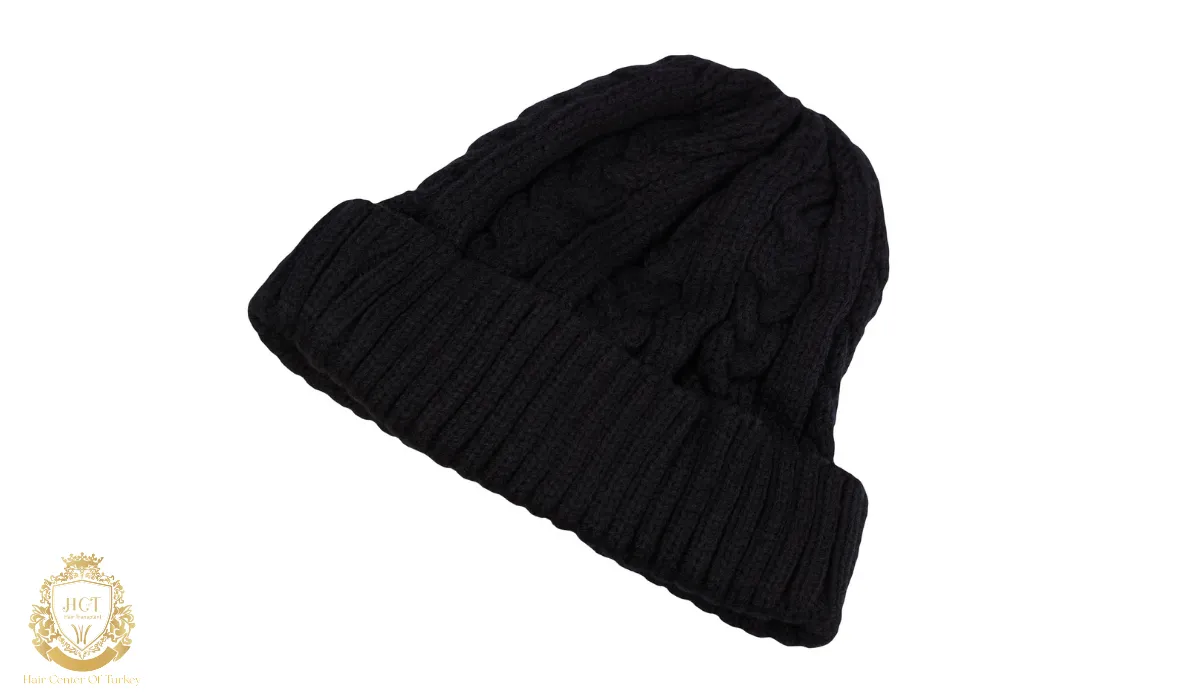
- Light cotton beanie in cooler weather, as long as it sits loosely and doesn’t pull when removed.
What To Avoid
- Tight caps, fitted hats, or anything that leaves marks on your forehead.
- Rough, itchy, or stiff materials that can snag scabs or irritate the skin.
- Hats that make you sweat (heavy fabrics, non-breathable synthetics, or tight linings).
- Motorbike and cycling helmets until your surgeon says it’s safe, because helmets create pressure and heat.
How To Wear A Hat Safely
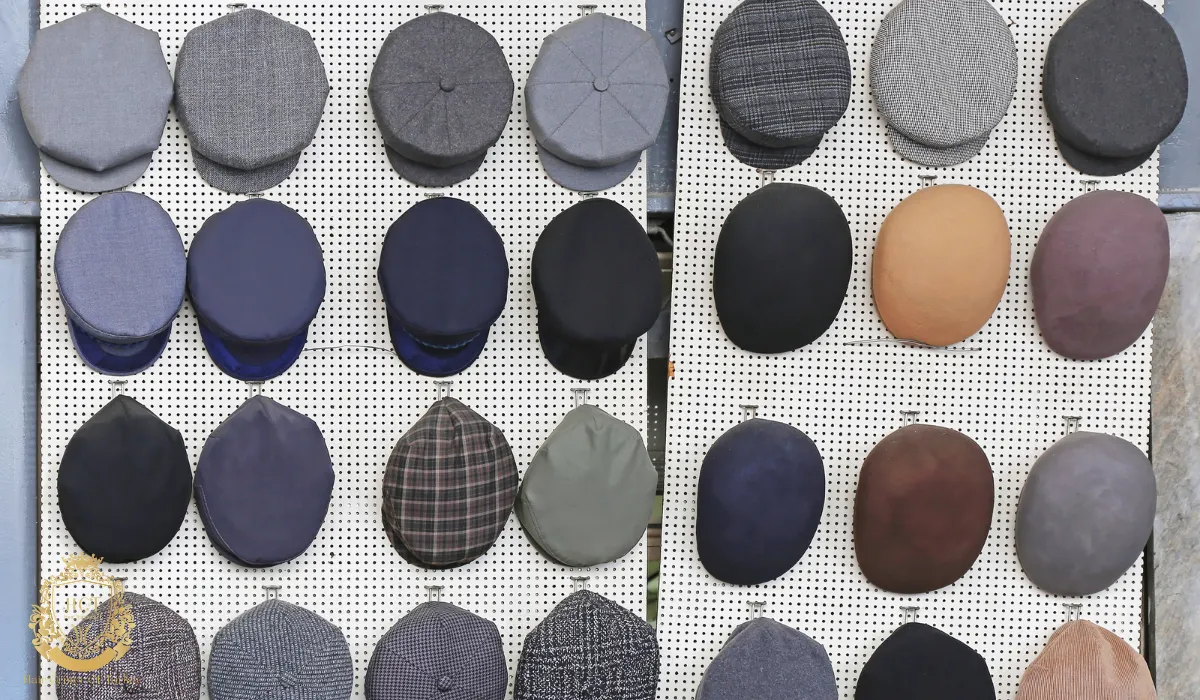
Once you’re allowed to wear headwear, how you put it on matters just as much as what you choose.
- Wash your hands before touching your scalp or hat.
- Make sure the inside of the hat is clean and dry. If possible, rotate between two hats so you can wash and fully dry them.
- Put the hat on slowly from front to back, keeping the fabric from dragging across the recipient area.
- Avoid adjusting it repeatedly. If it feels uncomfortable, take it off and choose a looser option.
- Take breaks. If you’re indoors and safe from sun and dust, remove the hat so the scalp can stay cool and ventilated.
If you notice increased redness, itching, heat, or swelling after wearing a hat, stop using it and check in with your clinic. Those symptoms are often a sign of friction or trapped sweat.
Keeping Your Hat Clean During Recovery
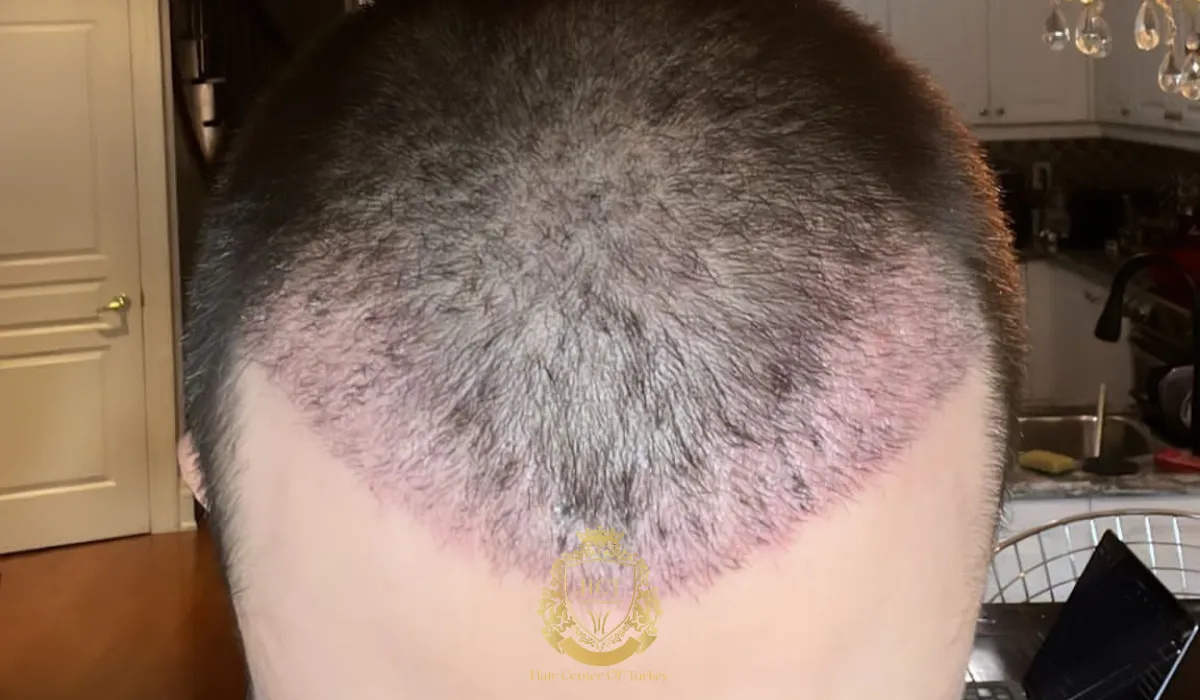
Scalp sensitivity and a healing donor area make hygiene more important than usual. A dirty hat can irritate skin and increase the chance of folliculitis-like bumps.
- Choose washable hats and clean them frequently with fragrance-free detergent.
- Avoid sharing hats during recovery.
- Let hats air-dry fully before wearing them again to prevent moisture buildup.
Frequently Asked Questions
How long after can I wear a hat after a hair transplant?
Wait 7–10 days, until scabs shed and your surgeon approves.
Can wearing a hat hurt a hair transplant?
Yes; tight or dirty hats can rub, compress, or infect early grafts.
Are hair grafts secure after 7 days?
Not fully; grafts are far more secure around days 10–14.
Can sweat from a hat damage the new grafts?
Yes; sweat/heat increase irritation and infection risk in the first 10–14 days.
How hard is it to dislodge a graft?
First 3 days easier; after 10–14 days, dislodging usually needs strong force.
Can I wear a hat after 7 days?
Yes, after 7 days if it’s loose, clean, and surgeon-approved; avoid pressure.
Can I wear a tight hat 2 weeks after a hair transplant?
No — two weeks is still too early for anything snug. The grafts are more settled by then, but a tight band still presses on the scalp and can disturb them or cut off airflow to healing skin. Stick to loose, soft headwear until your surgeon clears tighter hats, usually around the one-month mark.
Is it safe to wear a beanie after a hair transplant?
A loose, breathable beanie is fine once the scabs have fallen off and your doctor gives the go-ahead, typically after the first two weeks. Avoid wool or anything that grips the scalp tightly, since friction and trapped heat are the real risks — not the beanie itself.
Does wearing a hat slow down hair transplant recovery?
Not if it fits loosely and stays clean. A breathable hat that doesn't touch the grafts won't affect healing. The problems start with tight or dirty hats, which rub the scalp, trap sweat, and raise the risk of irritation or infection.
When can I sleep with a hat after a hair transplant?
It's best not to. Sleeping in a hat for the first few weeks presses the grafts against your pillow and traps sweat overnight, with no real benefit. If you want protection while you sleep, ask your clinic about a loose surgical cap instead.
Explore the complete guide: Recovery Process After Hair Transplant