

Around day four or five, something strange happens. The tight, swollen feeling fades, and a low, nagging itch shows up instead. Most patients don’t expect it. They prepared for swelling, maybe some redness, a little soreness. But the itch? That part catches people off guard, and it can be surprisingly persistent for a few days.
Still, it’s one of the most predictable signs that the scalp is actually healing.
Why the Scalp Starts Itching After a Transplant
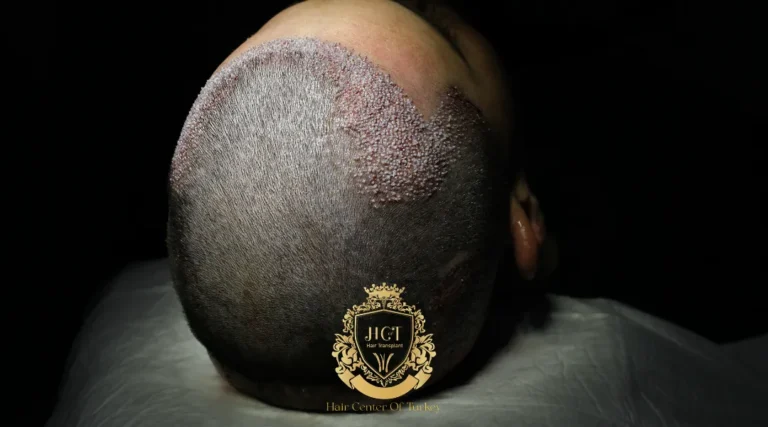
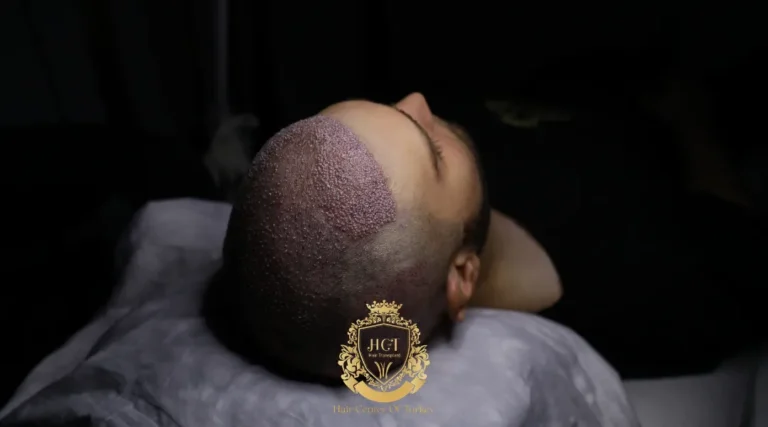
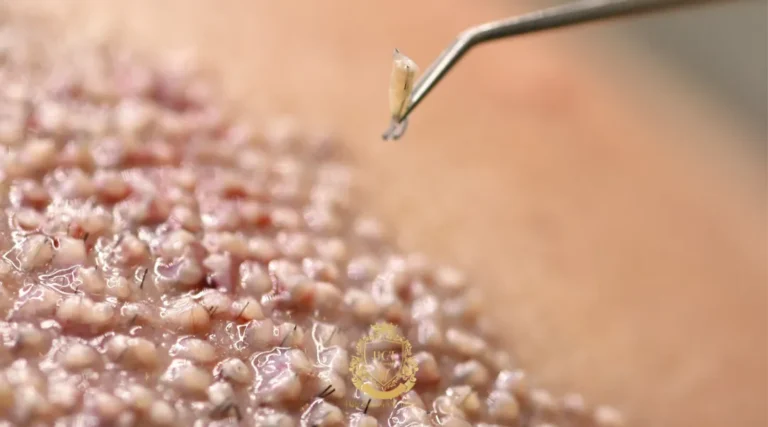
The itching isn’t random. It’s mostly mechanical and biological at the same time. Tiny incisions are closing, crusts are forming around the implanted grafts, and the skin is producing new tissue at a fast pace. That kind of rapid repair activates nerve endings in the scalp, which often translates into a light, spreading itch that moves across the recipient and donor zones.
Table of Contents
There’s also dryness. After surgery, the skin loses moisture faster than usual because of the micro-injuries and the frequent saline sprays used in the first days. Dry skin itches. Healing skin itches more.
When Does the Itching Usually Start?
In most cases, patients notice it somewhere between day 3 and day 7. It rarely begins immediately after the procedure, because the first 48 hours are dominated by tightness, minor swelling, and the mild ache around the donor area. Once those settle, the itch tends to take over.
The donor area often itches first. A day or two later, the recipient zone joins in.
How Long It Typically Lasts
For most people, active itching lasts somewhere between 7 and 14 days. Not constant, but noticeable. It tends to peak around the time scabs begin loosening, which is usually the end of the first week through the middle of the second.
A smaller group of patients experience a lighter, occasional itch for up to three or four weeks, especially during the shedding phase. That’s normal too. Once the shock loss settles and the scalp returns to its regular oil and hydration balance, the sensation fades on its own.
What Causes Itching to Linger Longer Than Expected
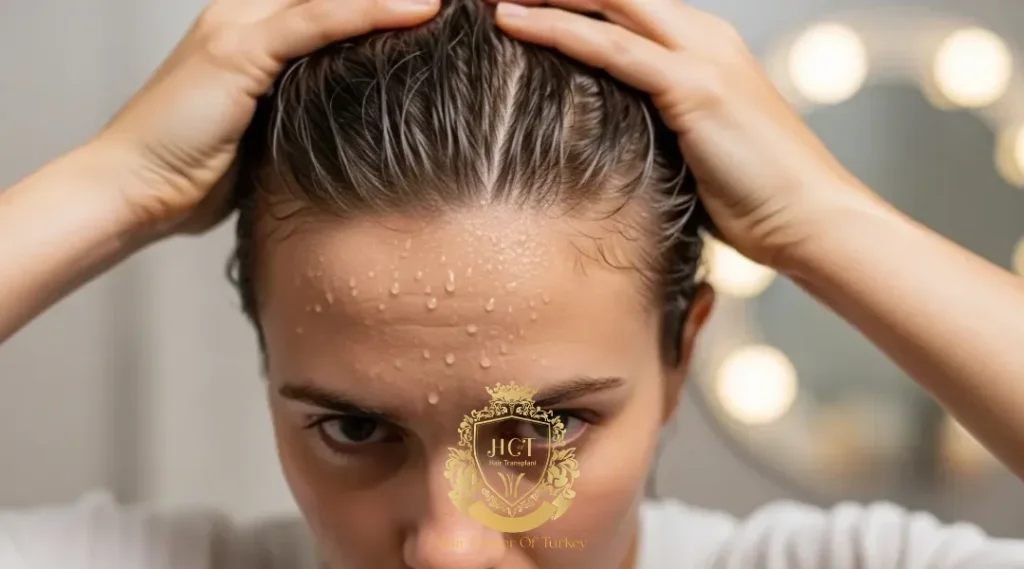
Sometimes the itch overstays its welcome. A few common reasons:
- Skipping the recommended moisturizing lotion during the scab-softening phase
- Washing the scalp too gently and leaving residue behind
- Dry indoor air, especially during winter travel
- Sweating heavily without rinsing afterward
- Using shampoos with strong fragrances or sulfates too early
None of these are serious on their own. But combined, they can stretch the itching phase by several days.
Relief Methods That Actually Work
The instinct is to scratch. Don’t. Even light scratching in the first two weeks can dislodge grafts that haven’t fully anchored yet. There are better options, and most of them are simple.
- Gentle patting instead of scratching when the itch becomes distracting
- Moisturizing the scalp with the lotion provided by the clinic
- Cool airflow from a fan rather than cold packs directly on the skin
- Drinking enough water, since dehydration worsens scalp dryness
- Continuing the prescribed wash routine without skipping days
Some patients find that a light, fragrance-free moisturizer applied in the evening makes a real difference overnight.
When to Contact the Clinic
Mild itching is expected. What isn’t expected: sudden intense itching with redness spreading beyond the treated area, small pustules forming, a burning sensation, or swelling that returns after it already went down. Those signs may point to a minor infection or an allergic reaction to a product used during aftercare.
In clinics such as Hair Center of Turkey, the aftercare coordinators stay in touch with international patients well past the first week, partly because this is exactly the window when small issues tend to appear. A quick photo sent through chat is often enough to confirm whether something is normal healing or worth a closer look.
Why a Structured Aftercare Plan Matters
A clear aftercare routine does more than protect the grafts. It shortens the itching phase, reduces dryness, and keeps the scalp calm during the most sensitive weeks. And this is where the way a clinic organizes the patient journey genuinely shows its value.
The process usually begins before the patient even travels. Written instructions, product lists, and a realistic recovery timeline. Once the procedure is done, the routine continues with timed washes, lotion application windows, and follow-up check-ins. Patients who follow this kind of structured plan tend to report less itching overall and a smoother transition into the shedding phase.
At Hair Center of Turkey, this approach is part of the standard flow for international patients, partly because people traveling back home need clarity more than anyone else. They can’t walk back into the clinic for a quick look.
How Itching Connects to the Shedding Phase
Here’s something many patients don’t realize. The itching often overlaps with the early shedding phase, which typically begins between weeks two and four. The transplanted hairs start to fall out while the follicles remain safely in place underneath. That mild tingling and occasional itch? It’s frequently part of the same healing wave.
So if the itch seems to return briefly a few weeks after surgery, it’s usually not a setback. It’s the scalp moving into the next recovery stage.
Final Thoughts
Itching after a hair transplant is uncomfortable, but it’s also one of the clearest signals that the scalp is doing exactly what it should. Knowing when to expect it, how long it tends to last, and what helps makes the recovery feel far less stressful. For international patients in particular, having a clinic that walks them through each stage, answers questions without delay, and explains the logic behind every step changes the whole experience. That kind of structured support, alongside careful donor planning and a clear treatment flow, is what makes clinics like Hair Center of Turkey a credible option for patients considering a hair transplant in Istanbul.
FAQ
Is itching after a hair transplant a good sign?
Yes, in most cases it means the scalp is healing. The skin is repairing micro-incisions and growing new tissue, which naturally activates nerve endings and causes a mild itch during the first two weeks.
Can I scratch my scalp gently if the itching is intense?
No. Even light scratching can dislodge grafts that are still anchoring in the first 10 to 14 days. Patting the area gently with clean fingers or using the moisturizer recommended by the clinic is a safer way to manage the sensation.
Should I choose a clinic that offers aftercare support for international patients?
It makes a real difference. Clinics with structured follow-up, like Hair Center of Turkey, stay in touch during the itching and shedding phases, which is exactly when most questions come up after returning home.
What if the itching lasts longer than three weeks?
Light, occasional itching up to four weeks is still within the normal range, often tied to the shedding phase. If it becomes intense, spreads, or comes with redness or pustules, contact your clinic to rule out irritation or infection.
Does choosing the right technique affect how much itching I’ll have?
The technique itself matters less than the planning behind it. Careful donor area management, correct graft density, and a structured aftercare routine tend to reduce scalp irritation more than the method label alone, whether it’s FUE, DHI, or Sapphire FUE.
Explore the complete guide: Recovery Process After Hair Transplant