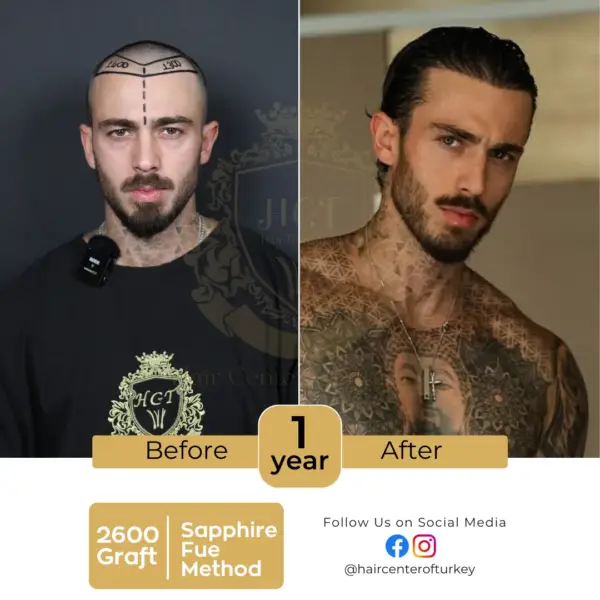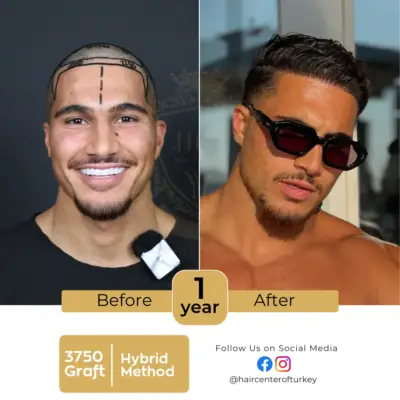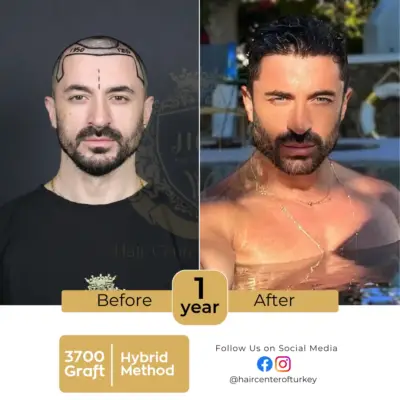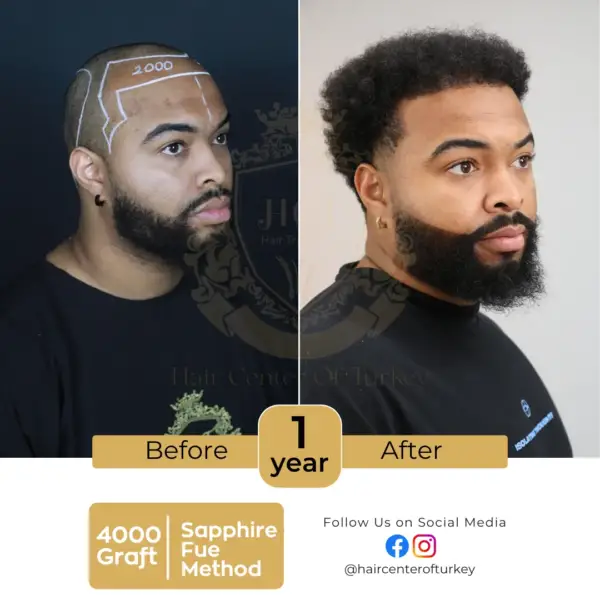


Yes, getting an Afro hair transplant in Turkey is exceptionally safe and effective when performed at a specialized, high-volume clinic.
Clinics with experienced surgeons can achieve natural, dense results with minimal risk, making the procedure a reliable solution for hair loss.
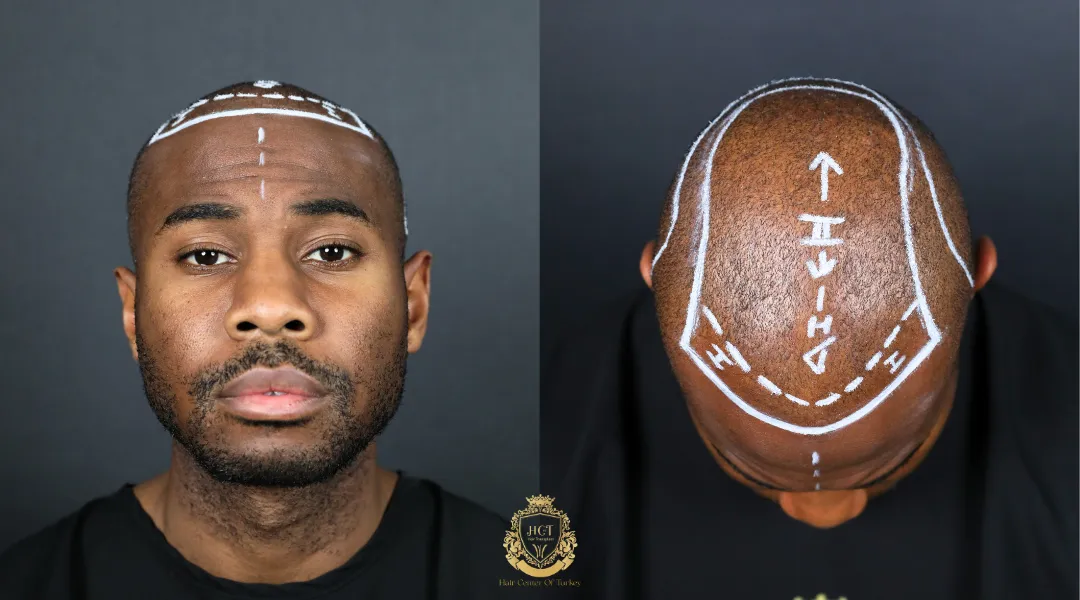
For patients from the US, choosing the right clinic is the most critical step. A premier facility like Hair Center of Turkey pairs world-class medical standards with real affordability. With experienced doctors who have performed over 8,000 successful hair restoration procedures, the clinic demonstrates a deep understanding of the unique requirements of Afro-textured hair. This expertise ensures care that is safe and tailored to each patient’s Afro hair transplant needs, with results that meet and exceed expectations.
Why Turkey Is a Top Choice for Your Afro Hair Transplant
Turkey has firmly established itself as a global hub for medical tourism, particularly for hair restoration. The country’s reputation is built on a foundation of high-quality medical infrastructure, experienced surgeons, and advanced technology. For individuals seeking a safe and effective afro hair transplant, Turkish clinics offer a compelling combination of excellence and value that is difficult to match elsewhere in the world.
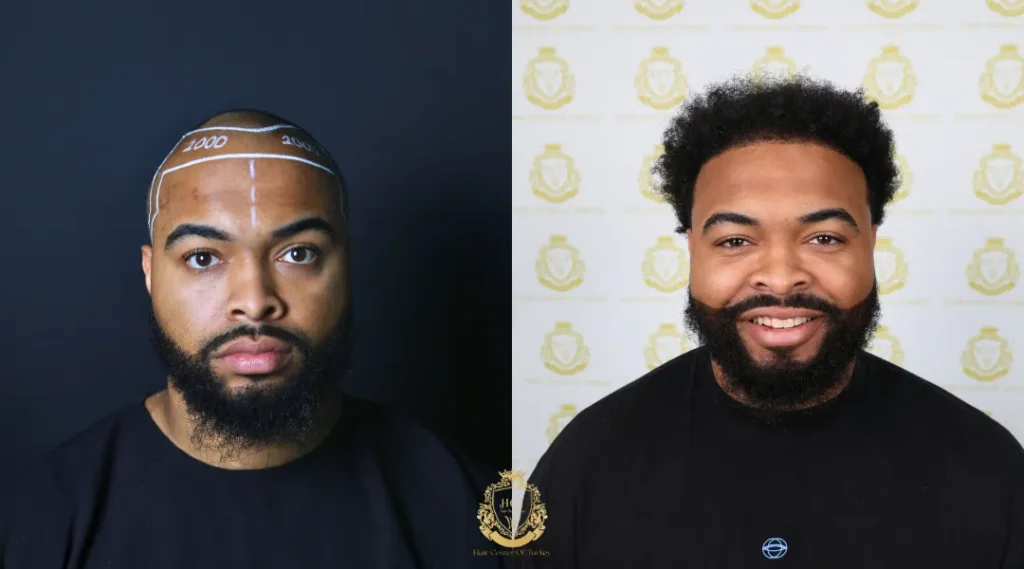
Table of Contents
The primary draw for many international patients, especially from the United States and the UK, is the significant cost savings. A hair transplant Turkey procedure can cost between 60-70% less than the same treatment in Western countries. This price difference is not due to a compromise in quality but rather the lower operational costs and favorable currency exchange rates. Patients can receive treatment from top-tier surgeons using the latest technology for a fraction of the price they would pay at home.
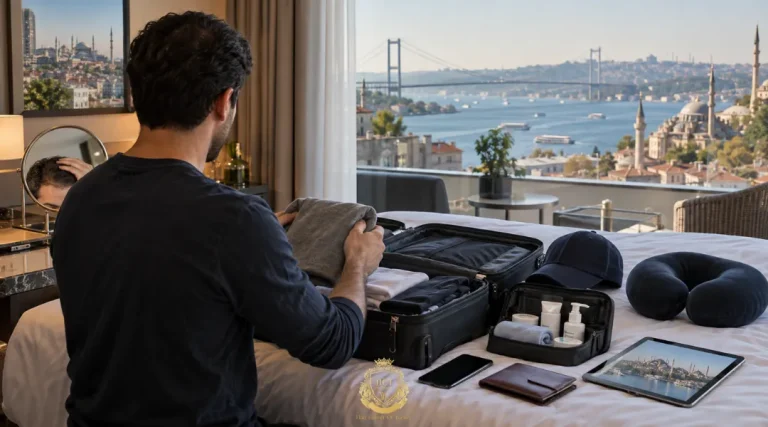
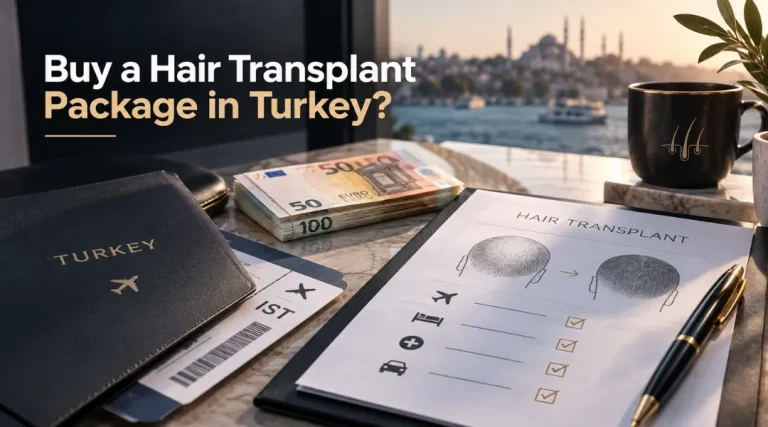
Beyond affordability, the overall patient experience is a key factor. Leading clinics in Istanbul and other major cities have perfected the all-inclusive package model. These packages are designed to provide a seamless and stress-free journey for international visitors.
Typically, they cover the cost of the procedure, luxury accommodation, private airport and clinic transfers, a dedicated translator, and all necessary post-operative medications and care products. This comprehensive approach allows patients to focus entirely on their treatment and recovery without worrying about logistical details.
The intense competition among clinics, especially in Istanbul, has also driven a very high standard of care. Facilities invest heavily in the latest equipment and training to attract international patients. This environment fosters innovation and ensures that the techniques being used are at the forefront of the hair restoration field.
The Unique Challenges of Transplanting Afro-Textured Hair
Performing a hair transplant on Afro-textured hair is a highly specialized skill that requires a deep understanding of its unique biological structure. Unlike straight or wavy hair, the follicles of Afro-textured hair have a distinct C-shape, or curl, that extends beneath the surface of the scalp. This curvature makes the extraction and implantation processes significantly more challenging for the surgical team.
The primary technical difficulty is avoiding “transection.” Transection occurs when the surgical tool, typically a micro-punch, severs or damages the hair follicle during extraction. Due to the curved root, a standard extraction technique used for straight hair can easily cut through the follicle, rendering it unusable for transplantation. An inexperienced surgeon might see transection rates for Afro hair as high as 30-40%, leading to a poor yield of viable grafts and a less satisfactory final result.
Overcoming these challenges requires more than just general surgical skill. It demands specific expertise, extensive experience with this hair type, and the use of specialized instruments designed to accommodate the follicle’s curl.
A surgeon must develop a tactile sense to anticipate the follicle’s path under the skin. They must understand the precise angle and depth needed for extraction to navigate the follicle’s path, ensuring it is removed intact and healthy. This specialized approach is fundamental to achieving the high-density, natural-looking results that patients expect.
Key Techniques Used in a Hair Transplant Turkey Clinic
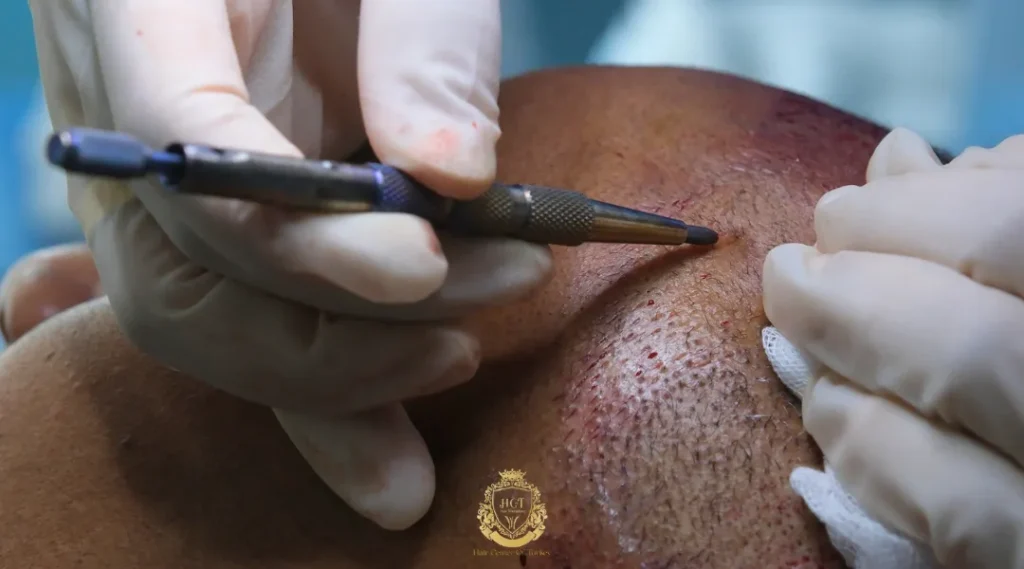
To address the specific challenges of Afro-textured hair, elite clinics in Turkey employ advanced techniques and customized tools. The goal is to minimize follicle damage and maximize graft survival, ensuring the best possible outcome. An experienced surgeon can dramatically reduce the transection rate to under 5%, a critical factor for success. This is often achieved by using specialized FUE punches that are better suited for the curved nature of the follicles.
These tools may have a slightly larger diameter to create more room around the follicle, or they may use an oscillating or manual motion instead of simple rotation. This allows the surgeon to feel the path of the follicle and carefully extract it without causing damage. The choice of technique and tool is a testament to the clinic’s expertise and commitment to providing tailored care for every patient.
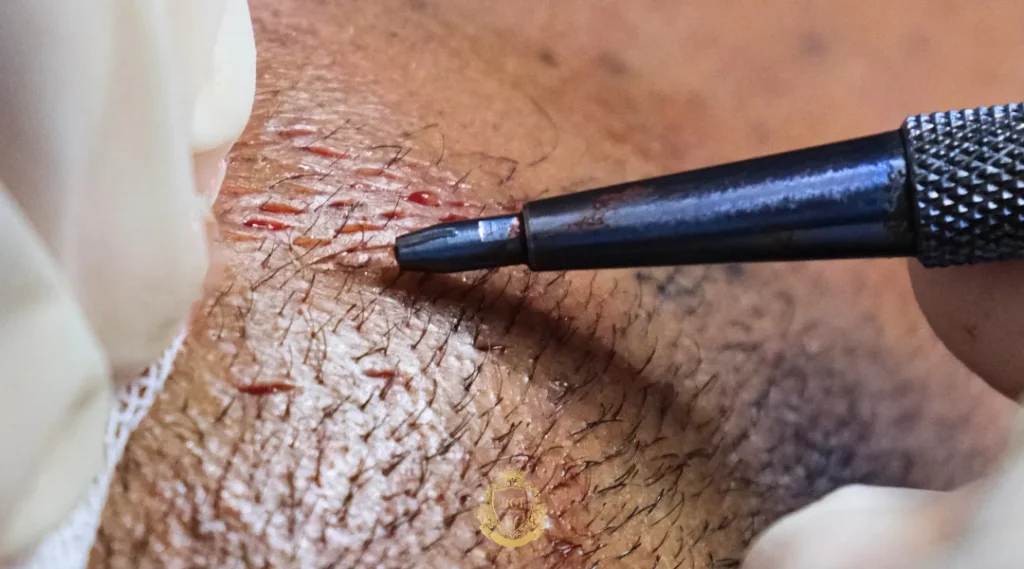
Follicular Unit Extraction (FUE) for Afro Hair
Follicular Unit Extraction (FUE) has become the gold standard for an afro hair transplant. In this method, the surgeon extracts individual hair follicles one by one from the donor area, usually the back and sides of the head. These grafts are then carefully implanted into the recipient areas where hair is thinning or absent.
The FUE technique is particularly advantageous for patients with Afro-textured hair for several key reasons. Its minimally invasive nature means there is no linear scar, which is a significant benefit. Because the incisions are tiny, individual dots, the risk of developing keloid scars is substantially lower compared to other methods. This makes FUE a much safer and aesthetically superior option for individuals with skin types prone to keloid formation.
Follicular Unit Transplantation (FUT) and Its Considerations
An alternative method is Follicular Unit Transplantation (FUT), also known as the “strip method.” This technique involves surgically removing a small strip of scalp tissue from the donor area. The individual follicular units are then dissected from this strip under a microscope before being implanted into the recipient sites.
While FUT can yield a large number of grafts in a single session, it has notable drawbacks for patients with Afro-textured hair. The primary concern is the linear scar left at the donor site. For individuals who are genetically predisposed to keloid scarring, the FUT procedure carries a higher risk of producing a raised, visible scar. Although a skilled surgeon can minimize this risk, the potential for scarring makes FUE the preferred and often recommended technique for most patients.
How to Choose a Safe and Experienced Clinic in Turkey
Selecting the right clinic is the single most important decision in your hair restoration journey. The safety and success of your procedure depend entirely on the expertise of the surgical team. When researching clinics, your primary focus should be on finding a surgeon with verifiable, extensive experience performing an afro hair transplant.
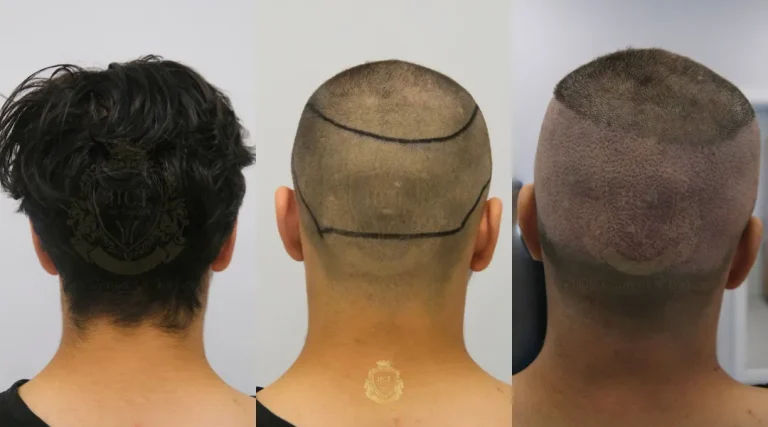
Start by asking for a portfolio of before-and-after photos featuring patients with a hair type similar to yours, such as 4C. A reputable clinic will be proud to share its results. Scrutinize these photos for natural-looking hairlines, good density, and undetectable scarring. Patient testimonials and online reviews are also valuable, but look for detailed accounts that mention the surgeon’s understanding of their specific needs and the quality of the final outcome.
Ensure the clinic holds internationally recognized certifications, such as from the Joint Commission International (JCI). This accreditation indicates adherence to global healthcare standards for safety and quality. During your consultation, do not hesitate to ask direct questions. A transparent and confident team will provide clear answers.
Key questions to ask include:
How many Afro hair transplant procedures has the surgeon personally performed?
What specific FUE tools and techniques do you use for curly hair follicles?
What is your average transection (graft damage) rate for this hair type?
Can I see high-resolution before-and-after photos of patients with my hair type and level of hair loss?
Who performs the extraction and implantation steps—the doctor or technicians?
What is the post-operative care plan, and how do you support international patients after they return home?
Understanding and Minimizing Risks: Keloid Scarring and Aftercare
One of the most common concerns for individuals of African descent considering a hair transplant is the risk of keloid scarring. While some skin types are more prone to forming these raised scars, the risk is extremely low with modern FUE. The micro-punches used for extraction create incisions that are less than a millimeter in diameter. These tiny wounds typically heal without any significant scarring, making FUE a very safe option.
A professional clinic will always conduct a thorough pre-operative assessment to minimize any potential risks. This includes a review of your medical history and an examination of your skin to determine your suitability for the procedure. If you have a known history of keloids, the surgeon will discuss this with you and explain the specific measures they will take to ensure a safe procedure.
Following the correct post-operative care protocol is just as important as the surgery itself. Your clinic will provide detailed instructions on how to wash your hair, sleep, and avoid activities that could compromise the newly implanted grafts. Adhering to these guidelines is crucial for preventing complications like folliculitis (inflammation of the hair follicles) and ensuring the highest possible graft survival rate. At a top-tier hair transplant Turkey clinic, the success rate for an afro hair transplant is over 95%, matching the results seen with any other hair type.
Frequently Asked Questions
Is a Hair Transplant More Difficult for Afro Hair?
Yes, it is technically more challenging due to the curved nature of the hair follicle. It requires a surgeon with specific expertise and specialized tools to extract grafts without damaging them, which is essential for a successful afro hair transplant
Will My Transplanted Hair Keep Its Curly Texture?
Absolutely. The transplanted follicles are taken from your own donor area and will retain their original genetic characteristics. This means they will continue to grow with the same color, texture, and curl pattern as the rest of your hair.
Is the Risk of Keloid Scarring High with FUE in Turkey?
While individuals of African descent can be more prone to keloids, the risk from FUE is very low because the incisions are tiny (less than 1mm). A reputable clinic will assess your skin history to ensure you are a suitable candidate and take precautions to minimize any risk.
Why Is an Afro Hair Transplant So Much Cheaper in Turkey?
The lower cost is due to the country lower operational expenses, cost of living, and favorable currency exchange rates. It is not a reflection of a compromise on medical quality, especially at accredited, high-volume clinics that adhere to international standards.