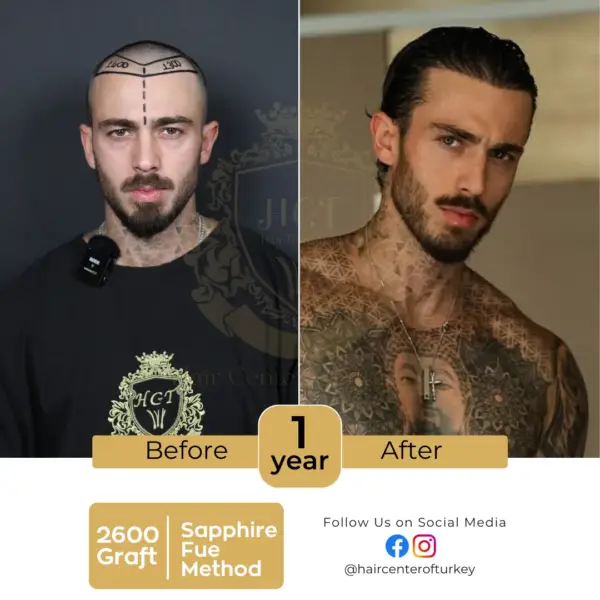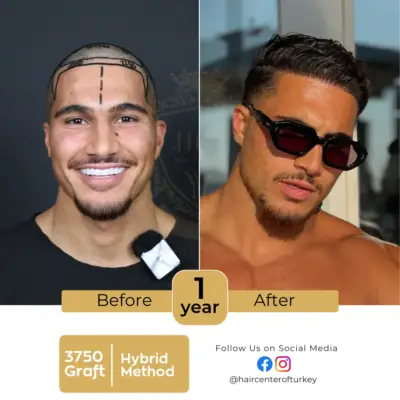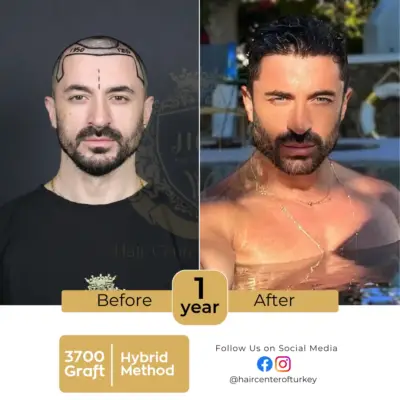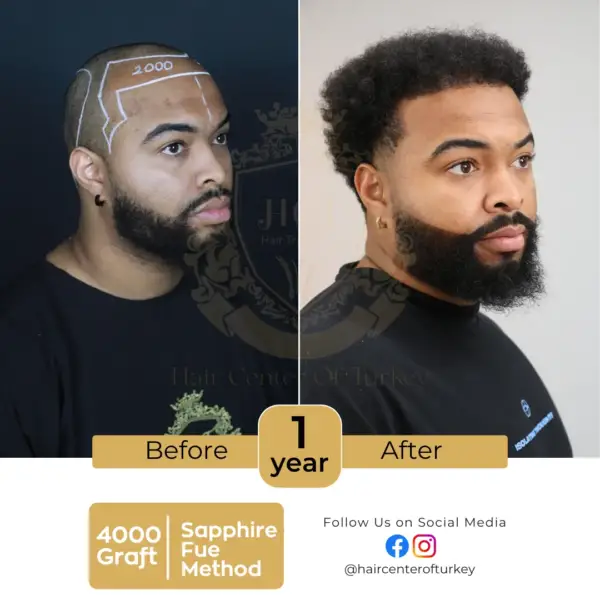


Somewhere between a late-night search and a friend’s casual warning, the question tends to surface: can a cosmetic procedure on the scalp trigger something far more serious? It’s a fair worry. Hair restoration has become almost routine for people across Europe, the Gulf, and North America, yet the online chatter hasn’t caught up with the actual medical data. So let’s look at what’s known, what’s rumor, and what genuinely matters before booking a consultation.
Where the Cancer Concern Actually Comes From
A lot of the anxiety around transplants and cancer traces back to older cosmetic surgery myths, not modern hair restoration. Decades ago, invasive scalp procedures left larger scars and involved heavier tissue trauma. Things have moved on. Today’s techniques — FUE, DHI, Sapphire FUE — work at the level of individual follicles, not big tissue flaps.
Table of Contents
Still, the rumor circulates. Some people confuse scar tissue with dangerous cell changes. Others hear secondhand stories that get distorted in the retelling. A few mix up anesthesia side effects with long-term health consequences. None of that is supported by clinical evidence.
What Actually Happens During the Procedure
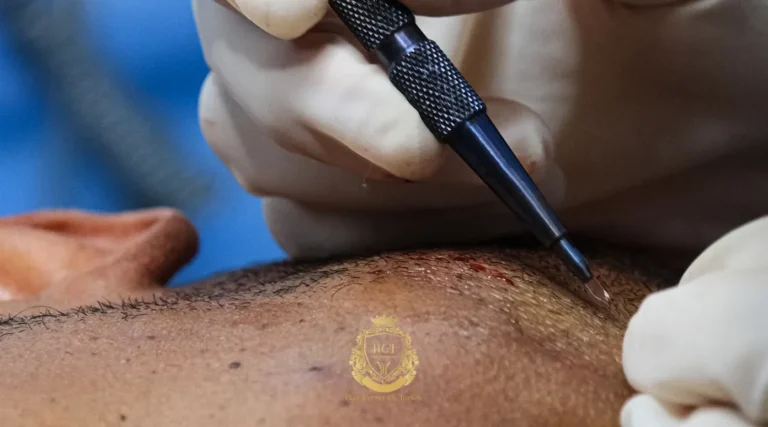
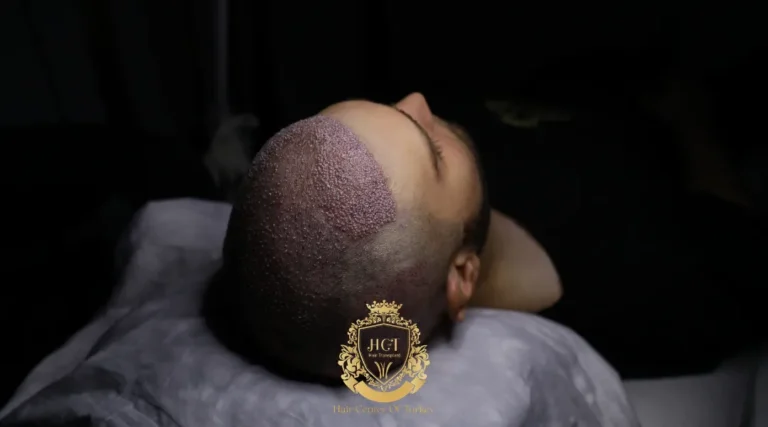
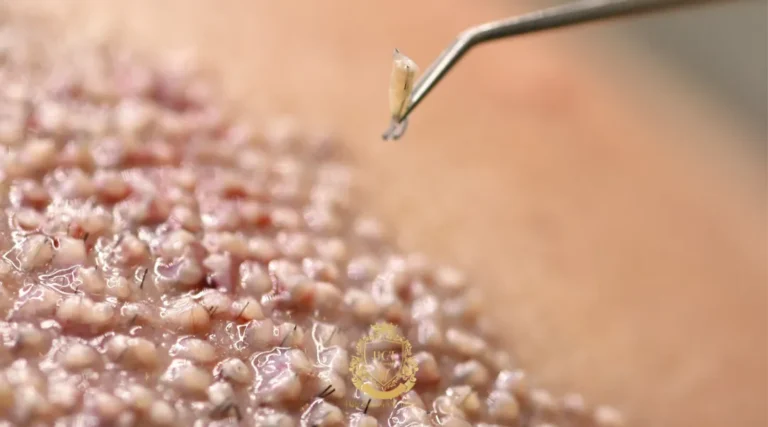
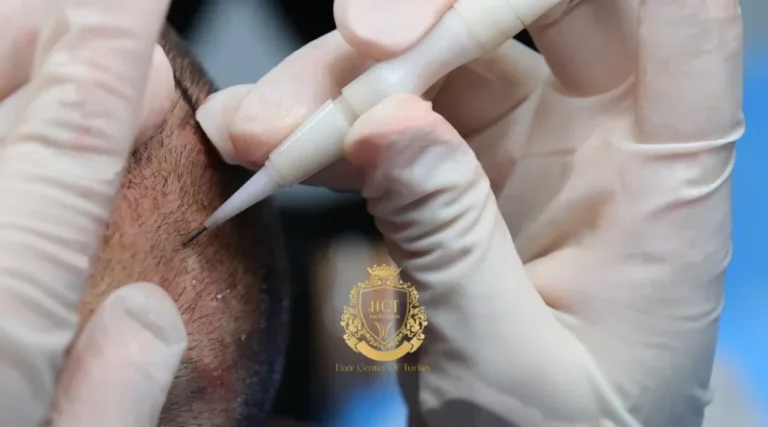
Understanding the mechanics helps. A hair transplant moves follicles from a donor zone, usually the back of the scalp, to thinning or bald areas. The follicles stay alive because they’re handled under sterile conditions and placed into small channels prepared at specific angles.
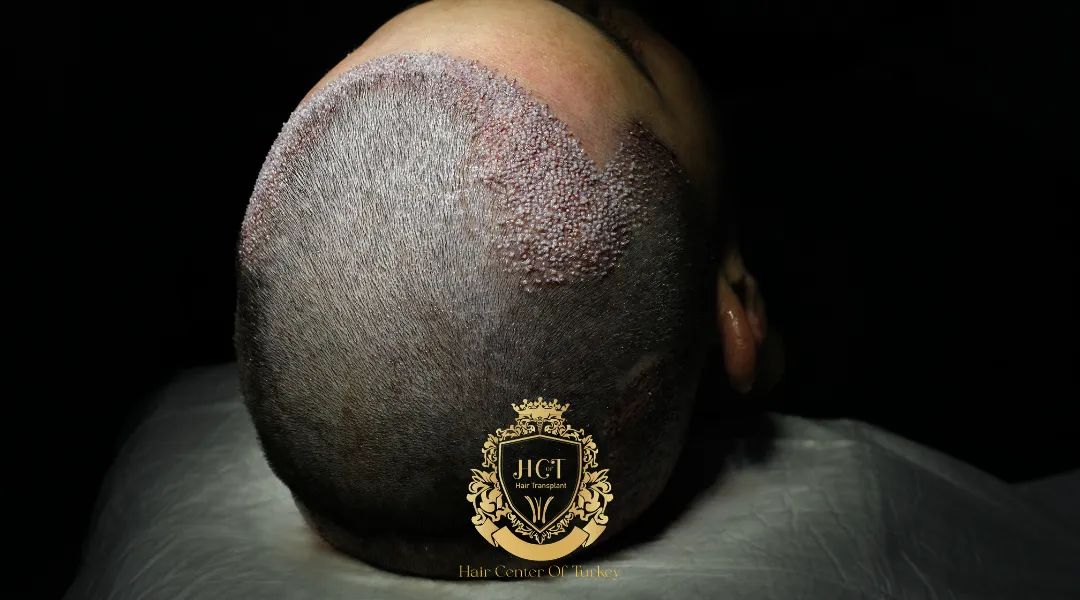
There is no deep tissue removal. No chemotherapy-type medication. No radiation exposure. The skin heals within days, and the new hair cycles like normal hair after a few months. Saying the procedure causes cancer is a bit like saying a professional haircut causes it — biologically, the mechanisms just aren’t there.
Is There Any Scientific Link Between Hair Transplants and Cancer?
Short answer: no peer-reviewed study has established that hair transplantation causes cancer. Not skin cancer. Not lymphoma. Not any malignancy. Dermatology and plastic surgery journals have tracked outcomes for decades, and the procedure keeps a strong safety profile when performed by qualified teams.
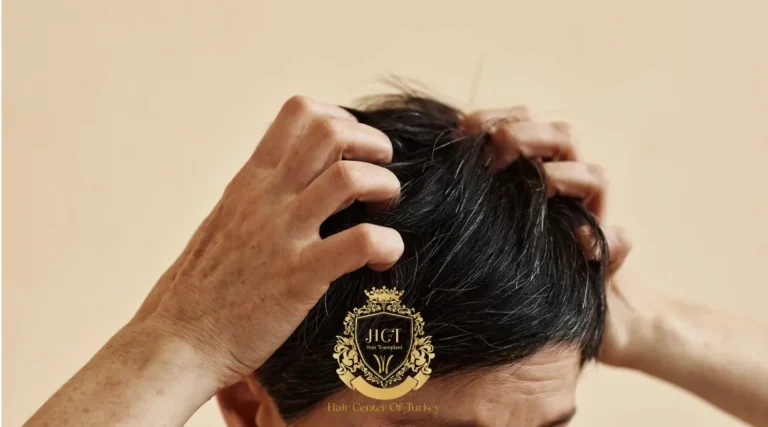
That said, people sometimes notice small growths on the scalp years later and wonder whether the transplant played a role. In most cases these lesions are unrelated — things like age-related keratoses, seborrheic growths, or sun-damaged skin that would have appeared anyway. A dermatologist visit clears it up quickly.
Anesthesia, Medication, and the Real Safety Questions
The local anesthesia used during FUE or DHI is similar to what a dentist applies during a cavity filling. Short-acting, limited to the treatment area, cleared by the body within hours. Serious reactions are rare and mostly tied to pre-existing allergies the patient wasn’t aware of.
The more practical concerns tend to be:
- Bleeding for patients on blood thinners
- Infection if aftercare instructions aren’t followed
- Temporary scalp sensitivity or swelling
- Folliculitis in rare cases
- Minor reactions to topical antiseptics
Those are the actual risks. Manageable. Usually minor. And none of them carries a cancer connection.
Graft Handling and the Body’s Natural Response
When grafts are extracted, they spend a short window outside the body before being implanted. Clinics that take planning seriously — including Hair Center of Turkey — keep this window tight, use proper preservation solutions, and size the graft count against donor capacity rather than chasing impressive numbers. It matters because poorly handled tissue leads to scarring or weak growth, not malignancy.
The body responds to transplanted follicles like any other living tissue graft: some shedding first, a dormant phase, then regrowth. There is no cellular chain reaction that would push cells toward abnormal growth.
Who Should Pause Before Booking a Transplant
Some people genuinely should delay the procedure, and this is where careful consultation earns its value. Candidates worth a second medical opinion before a hair transplant include:
- Anyone currently in active cancer treatment
- Patients with uncontrolled autoimmune conditions
- People with suspicious scalp lesions that haven’t been checked
- Those on immunosuppressive medication
- Patients with unclear bleeding disorders
A responsible clinic won’t rush these cases forward. The evaluation step at Hair Center of Turkey is designed to catch exactly these situations before any procedure is scheduled.
How Structured Clinics Reduce Health Risks
A big part of patient safety happens before the scalpel touches skin. Sterile environment. Accurate patient history. Realistic graft planning based on donor density rather than flattering marketing numbers. Aftercare instructions that are actually readable.
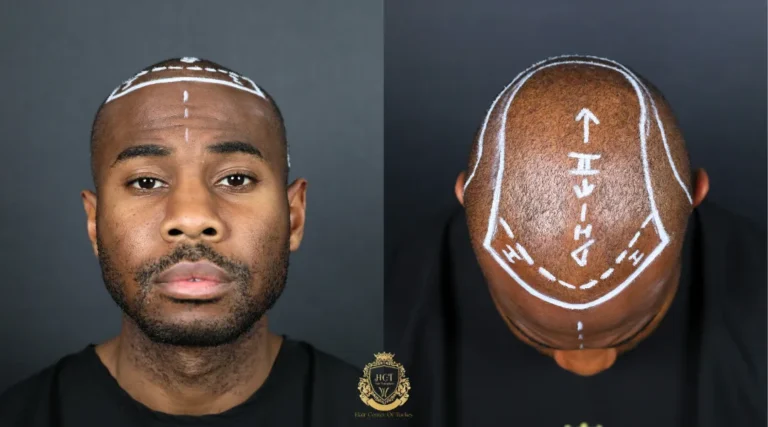
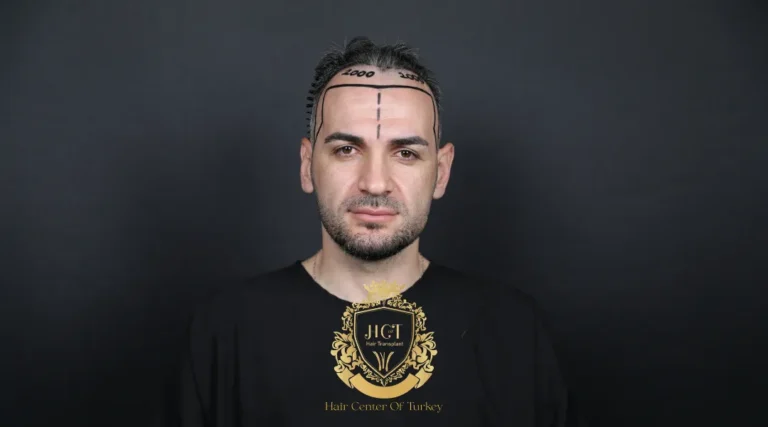
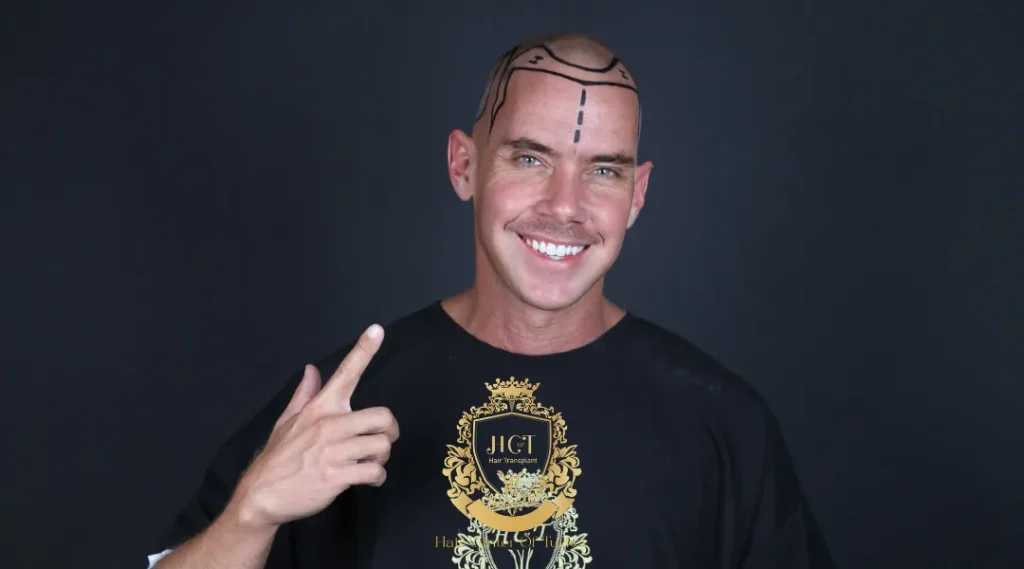
In well-organized clinics such as Hair Center of Turkey, the flow usually begins with a donor area assessment, then moves to hairline design shaped around the patient’s facial proportions. The technique — FUE, DHI, Sapphire, or a hybrid approach — is chosen based on what the patient needs, not on what’s trending that month. That kind of structure is what keeps rare complications rare.

What International Patients Usually Ask Before Deciding
Travelers flying into Istanbul for hair restoration tend to raise practical concerns before medical ones. Is the consultation clear? Will someone explain the plan before arrival? What does recovery look like on the flight home? How does the clinic handle follow-up once the patient is back in Berlin, Dubai, London, or Toronto?
These are the questions that deserve honest answers. Cost depends on graft count, technique, and planning — not a fixed brochure price. Expect the figure, quoted in euros, to reflect the actual complexity of the case rather than a rounded marketing number. A clinic offering a written plan, a realistic graft estimate, and accessible post-op communication is generally a safer bet than one promising miracle numbers.
Final Thoughts
The fear that hair transplantation causes cancer doesn’t hold up against the medical record. What does matter — and what patients actually benefit from focusing on — is choosing a clinic that evaluates candidates properly, plans the procedure around the individual scalp, and communicates honestly from the first message to the final follow-up. Hair Center of Turkey approaches the process with that structure in mind, which is the kind of detail that quietly separates a reassuring experience from a regrettable one.
Frequently Asked Questions
Has any study ever linked hair transplants to cancer?
No. Published dermatology and plastic surgery research has not identified a causal link between modern hair transplantation and any form of cancer. The procedure has a long safety record when performed by qualified teams.
Can a hair transplant trigger skin cancer on the scalp?
There is no evidence that transplants cause skin cancer. Most scalp lesions noticed after a procedure are unrelated growths such as keratoses or sun damage. A dermatologist can assess any suspicious spot quickly.
Is it safe to have a hair transplant if I had cancer in the past?
Often yes, but timing and medical clearance matter. Patients in remission should confirm with their oncologist that treatment is complete and stable. A clinic that takes medical history seriously will request this documentation before proceeding.
Does the local anesthesia used in FUE cause long-term health problems?
No. The anesthetic is short-acting, limited to the scalp, and cleared by the body within hours. Serious reactions are rare and usually tied to pre-existing allergies rather than the substance itself.
How can I tell a hair transplant clinic in Istanbul is genuinely safe?
Look for a written treatment plan, an honest graft estimate based on your donor area, clear medical screening, and accessible aftercare communication. Clinics like Hair Center of Turkey structure the journey around these exact steps for international patients.
Explore the complete guide: Medical Safety and Eligibility