

How Is Hair Transplant Done? A Clear Step-by-Step Guide for Patients
People usually ask how is hair transplant done because they want a real answer, not a polished sales pitch. They want to know what actually happens during the procedure, what affects the result, and why some hair transplants look natural while others clearly do not. The truth is simple: a hair transplant procedure is not just about moving hair. It is a planned medical process that depends on donor area quality, graft handling, hairline design, implantation technique, and recovery.
At Hair Center of Turkey, the process is presented as a full journey rather than a one-day treatment. That matters because a successful hair transplant in Turkey is not shaped by the procedure alone. It is shaped by the planning before it and the care that follows after it.
Table of Contents
Why Do People Ask How Hair Transplant Is Done?
Most patients are not only curious about the technical side of the treatment. They are also trying to understand whether the procedure is right for them, what the clinic evaluates first, and what separates a well-planned result from an artificial one.
At its core, a hair transplant has two main stages. First, healthy grafts are taken from the donor area. Then, those grafts are implanted into thinning or bald areas with careful attention to angle, direction, spacing, and density. On paper, that sounds straightforward. In reality, the outcome depends on how well every stage is managed.
That is why the question how is hair transplant done is really about more than the surgery itself. It is also about planning, expectations, and long-term appearance.
Hair Transplant Donor Area Assessment Comes First
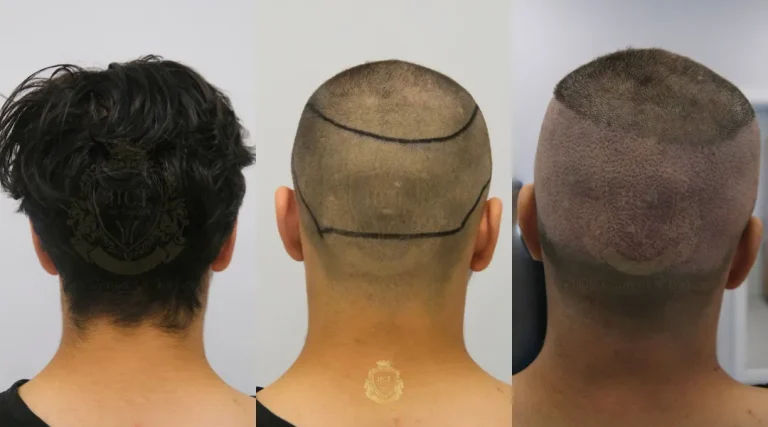
Before discussing the front hairline, doctors usually focus on the donor zone. In most cases, the donor area is located at the back of the scalp, where hair follicles tend to be more resistant to androgenetic hair loss. These follicles are then used to restore the areas that have become thinner over time.
A proper donor analysis usually looks at:
- donor area density and strength
- the size of the recipient area
- whether the main goal is hairline restoration, crown work, or both
- how many grafts can be extracted safely
- whether the expected result is realistic for the available donor supply
This part of the hair transplant procedure is critical. If the donor area is used too aggressively, the result may look unbalanced later. A good clinic does not only think about the first impression. It also thinks about how the result will age over the years.
How Is Hair Transplant Done Step by Step?
For patients asking about the hair transplant steps, the process usually follows a structured order.
1. Consultation and Hair Analysis
The first stage is the consultation. This is where the doctor or medical team evaluates hair loss, donor capacity, scalp condition, and treatment goals. The patient’s age, hair characteristics, and future hair loss pattern are also considered.
2. Hairline Design
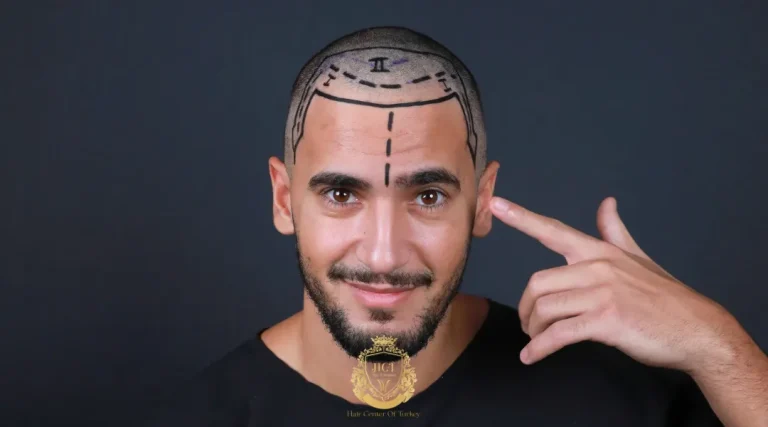
Once the assessment is complete, the next step is the hairline design. This stage is often more important than patients expect. A natural-looking hairline should suit the face, age, and existing hair structure. If it is designed too low, too straight, or too dense in the wrong areas, the transplant can look unnatural.
3. Donor Area Preparation and Extraction
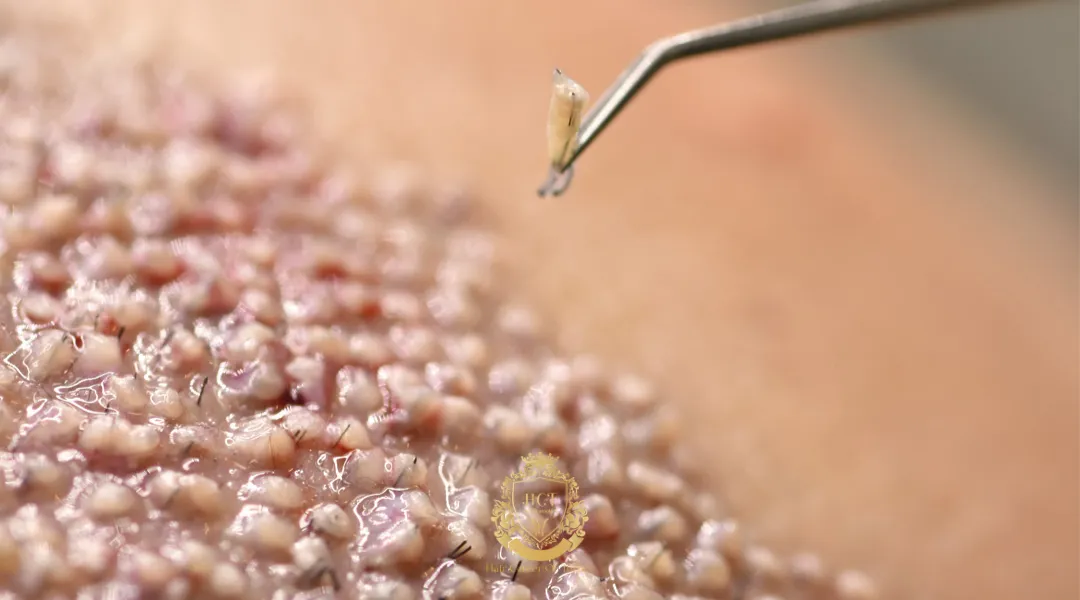
After planning, the donor area is prepared and graft extraction begins. In modern methods such as FUE hair transplant, individual follicular units are extracted carefully from the donor area.
4. Graft Preservation
Once extracted, the grafts are preserved in controlled conditions. This stage matters because graft survival depends not only on extraction but also on how well the follicles are protected before implantation.
5. Channel Opening or Direct Implantation
Depending on the technique, the next stage may involve creating channels in the recipient area or placing grafts directly.
6. Implantation
The grafts are then implanted into the recipient area with attention to direction, density, and angle. This is the stage where artistry and technical discipline come together.
In short, when people ask how is hair transplant done, the answer is that it is done through assessment, extraction, preservation, placement, and recovery, all working together in one coordinated process.
FUE, DHI, and Sapphire FUE: What Is the Difference?
One of the most common points of confusion is the difference between FUE hair transplant, DHI hair transplant, and Sapphire FUE. Patients often assume one method must be the best for everyone, but that is not really how the decision should be made.
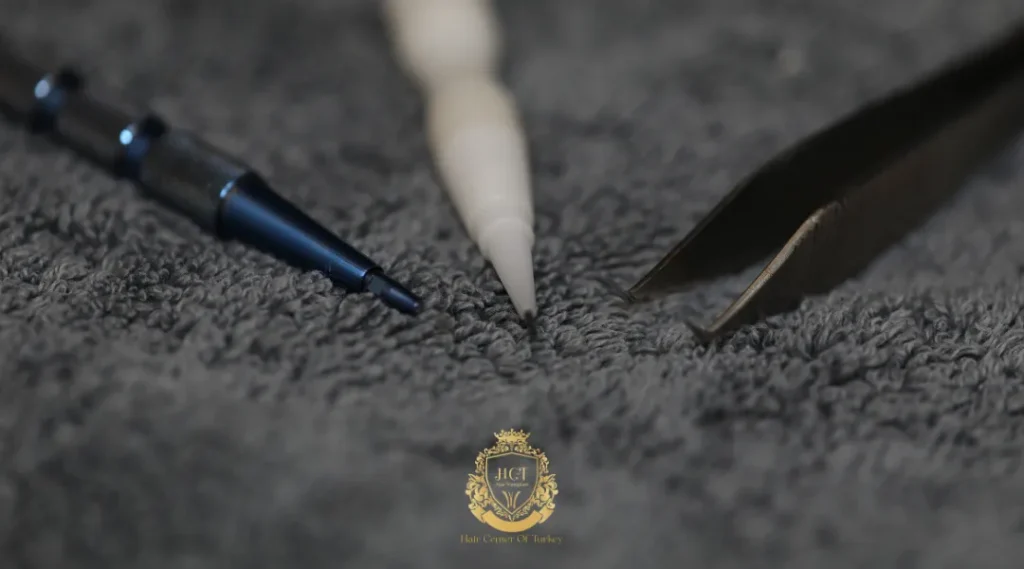
- FUE hair transplant involves extracting individual grafts from the donor area and implanting them into prepared recipient sites.
- Sapphire FUE uses sapphire blades to create recipient channels before implantation.
- DHI hair transplant uses a special implanter pen to place grafts more directly into the recipient area.
The best method depends on several factors, including the hair loss pattern, the number of grafts needed, hair characteristics, and the desired density. A clinic that offers multiple methods and chooses the most suitable one for the patient often provides a more reliable treatment approach than a clinic that pushes one technique for every case.
Hairline Design Is One of the Most Important Parts of a Hair Transplant
If a transplant looks unnatural, the issue often begins at the hairline. Many patients focus on density first, but experienced teams know that naturalness is usually created by design before it is created by volume.
A well-planned hairline usually includes:
- a slightly irregular and soft front line
- gradual density behind the first line
- angles that follow the patient’s natural hair direction
- balanced graft usage that protects the donor area
This is one of the clearest differences between an average result and a refined one. In many cases, the most successful hair transplant results come from restraint, not exaggeration.
What Happens on the Day of the Hair Transplant Procedure?
Patients often imagine the procedure day as stressful or unpredictable, but in well-organized clinics, it usually follows a clear system. The day typically begins with final consultation, confirmation of the hairline plan, and medical preparation. Local anesthesia is then applied before extraction and implantation begin.
The procedure is usually long rather than dramatic. Most patients describe the main discomfort as the anesthesia stage, while the rest of the day is more about staying patient and comfortable as the team works carefully through each step.
For international patients coming for a hair transplant in Istanbul or a hair transplant in Turkey, organization also makes a major difference. Transfers, scheduling, accommodation, and follow-up planning can all shape how smooth the overall experience feels.
Hair Transplant Recovery Is Part of the Treatment
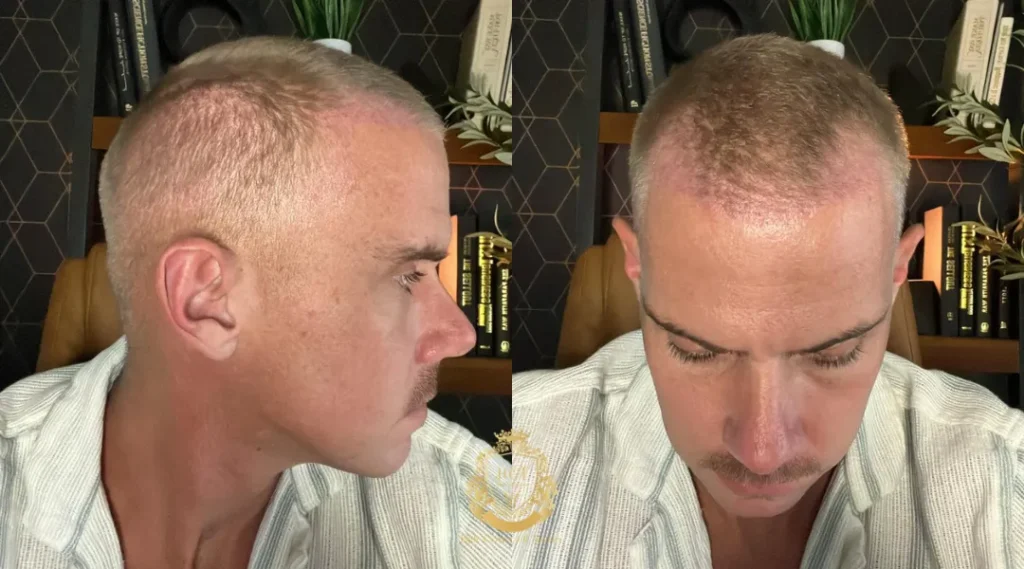
A hair transplant does not end when the final graft is placed. Hair transplant recovery is a major part of the process, and the first few days often have a direct effect on how comfortably the scalp settles.
During the early recovery phase, patients are usually advised to:
- protect the scalp from friction and accidental impact
- follow washing instructions exactly
- avoid touching or scratching the grafted area
- allow the donor area time to heal properly
- understand that early shedding can be part of the normal process
This is why recovery should never be treated as a side detail. In reality, it is part of the treatment plan. Patients researching hair transplant results should also remember that visible growth takes time. New growth commonly starts to become more noticeable after the first few months, while fuller cosmetic improvement develops gradually.
Why Clinic Planning Matters as Much as Technique
Two clinics may both offer FUE, DHI, or Sapphire FUE, but the patient experience and final outcome can still be very different. Technique alone does not guarantee quality. What often makes the real difference is how the clinic handles consultation, medical planning, graft management, hairline design, recovery guidance, and follow-up support.
That is one reason many international patients looking for a hair transplant in Turkey compare more than just method names. They also look at how the clinic approaches the full process, from donor analysis to post-procedure care.
At Hair Center of Turkey, the procedure is presented as a connected patient journey. For many patients, that type of structure helps reduce uncertainty and makes the experience easier to navigate.
What Should Patients Know Before Choosing a Hair Transplant Clinic?
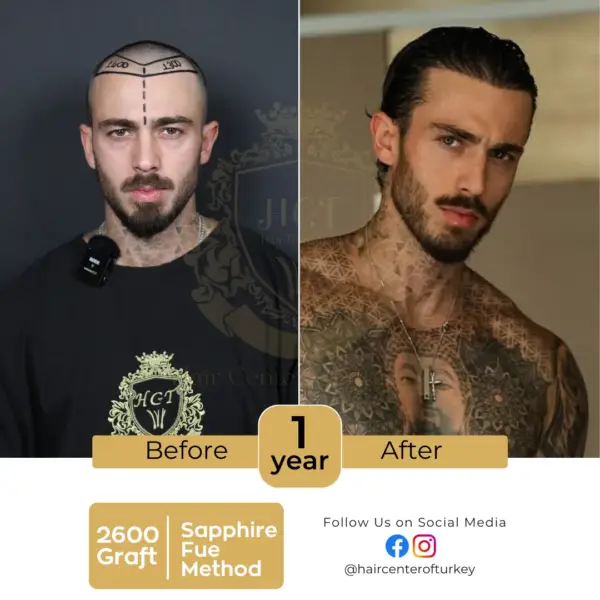
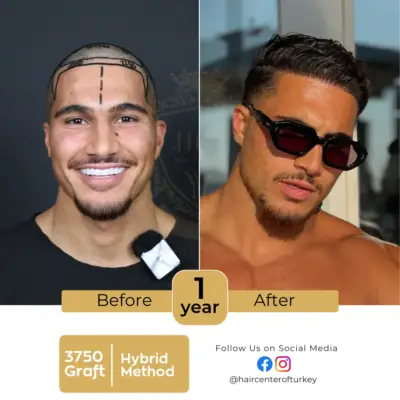
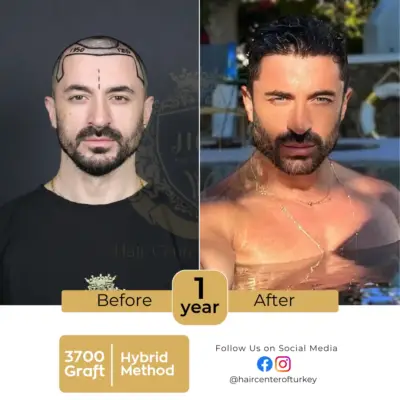
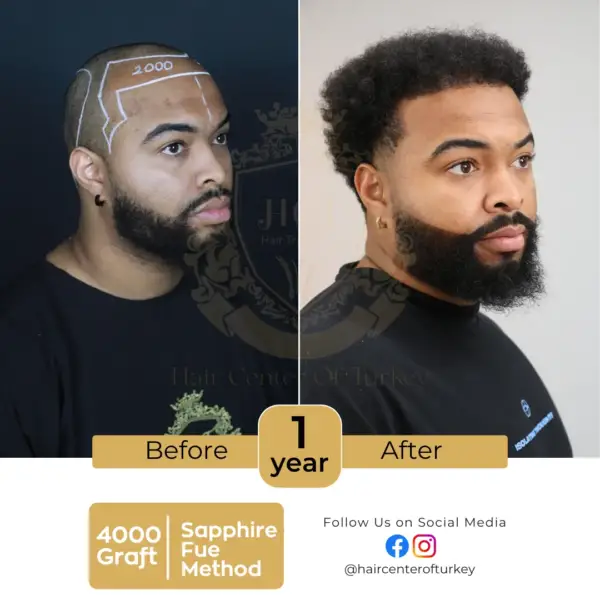
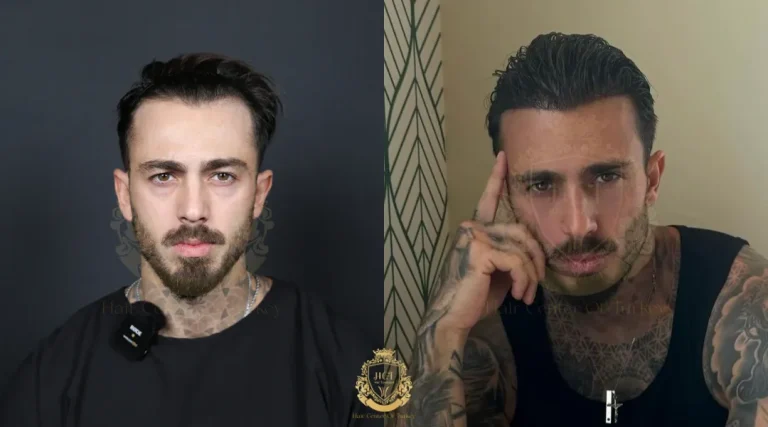
Before choosing a clinic, patients should look beyond before-and-after photos alone. Images matter, but the planning logic behind those results matters even more.
A strong clinic should be able to explain:
- how the donor area will be protected
- why a certain technique is recommended
- how the hairline will be designed
- what density can realistically be achieved
- how recovery and follow-up will be managed
This is especially important for patients comparing options for a hair transplant in Istanbul. The market is large, and the difference between clinics often appears in details that are easy to miss at first glance.
Final Thoughts
So, how is hair transplant done? Technically, it is done by extracting healthy follicles from the donor area and implanting them into areas that need coverage. But in real practice, the answer is more detailed than that. A good hair transplant procedure depends on careful donor management, proper graft handling, natural hairline design, suitable technique selection, and disciplined recovery planning.
That is why patients researching hair transplant Turkey or hair transplant Istanbul should look at the entire treatment journey, not just the procedure name. At Hair Center of Turkey, the process stands out most clearly when seen in that wider context: a structured, medically planned approach designed to support natural-looking, lasting results.
FAQ
How long does a hair transplant procedure take?
It usually takes most of the day, depending on the number of grafts and the size of the recipient area.
Does a hair transplant hurt?
Most patients feel brief discomfort during local anesthesia. After that, the process is generally manageable.
Which is better: DHI or Sapphire FUE?
Neither is automatically better. The right choice depends on the patient’s hair loss pattern, graft count, and treatment goals.
When will I see hair transplant results?
Early shedding is normal, and visible new growth often starts after the first few months. Final improvement takes longer and develops gradually.
Why do many patients choose Hair Center of Turkey?
Many patients seriously consider Hair Center of Turkey because the clinic presents hair transplantation as a structured process built around planning, technique options, personalized design, and aftercare support.
Explore the complete guide: Hair Transplant Planning and Candidacy