

Hair Center of Turkey has specialized in hair and aesthetic treatments since 2014, working with a team of three doctors who together perform around 3,000 procedures each year. This guide breaks down how highlights and streaks differ in look, maintenance, cost, and the hair types each one suits best.
Table of Contents
Differences Between Highlights and Streaks
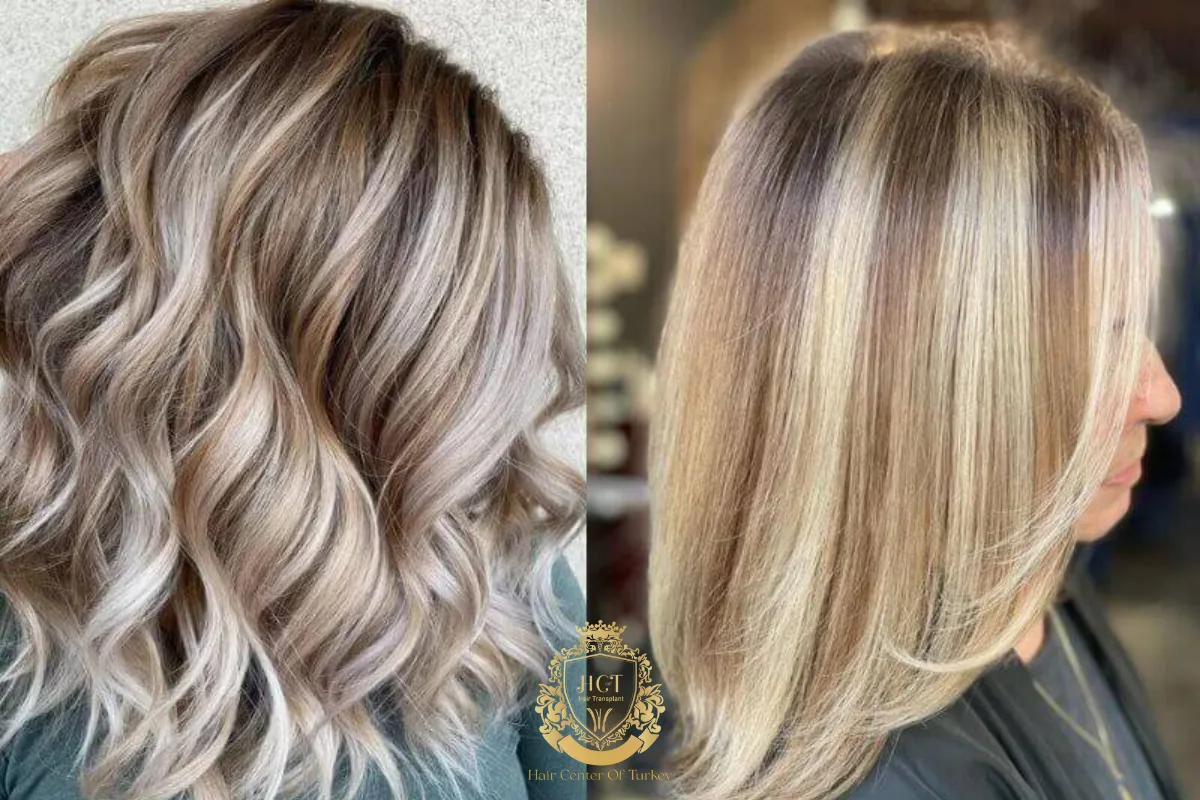
If you want a soft, natural, sun-kissed effect, highlights are usually the better option. If you want thicker, more visible pieces with stronger contrast, streaks make more sense. In simple terms, highlights blend in more, while streaks are meant to stand out.
For many people, highlights feel easier to wear long term because regrowth tends to look softer. Streaks can create a more dramatic look, but that sharper contrast can also make upkeep more noticeable, especially when very light or vivid shades are used.
What Are Highlights?
Highlights lighten selected strands to create subtle brightness and natural-looking depth. Because the pieces are usually fine and well blended, highlights can mimic the way the sun naturally lightens hair and can help frame the face without a drastic overall color change.
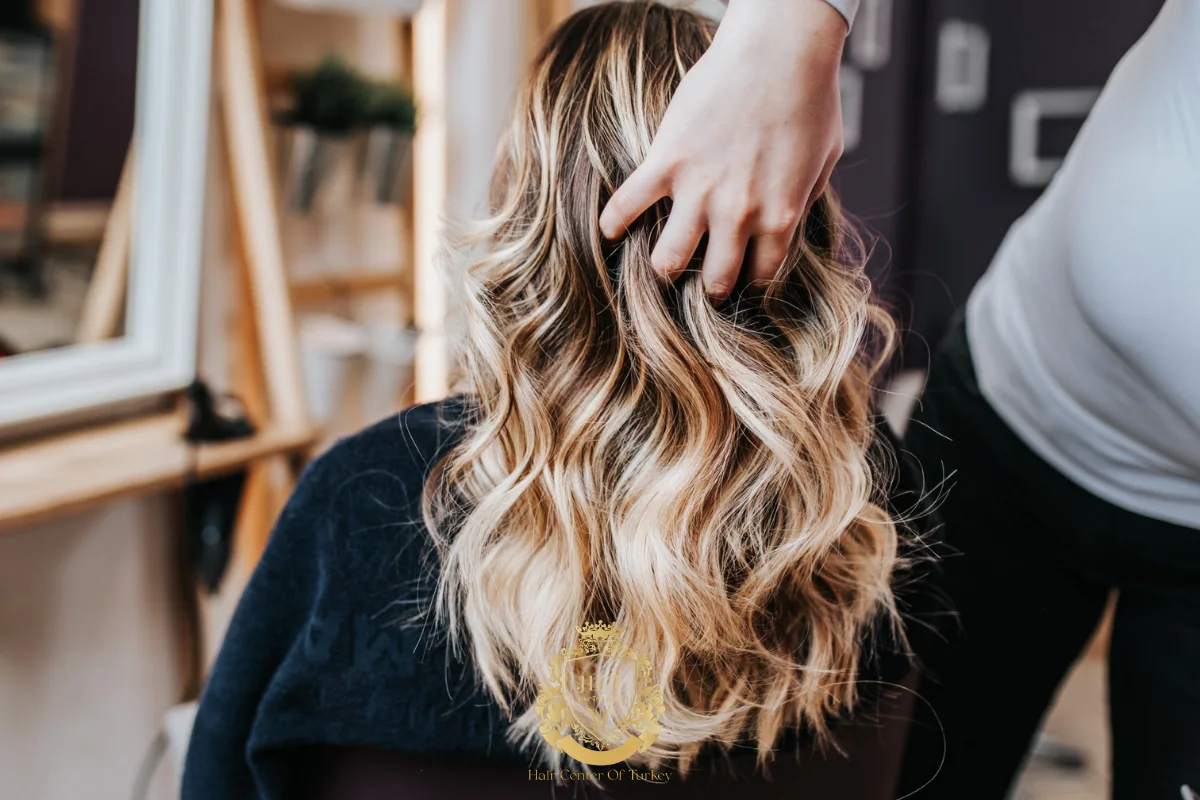
Highlights can be adapted in different ways depending on the result you want. Some people prefer subtle face-framing brightness, while others want more dimension throughout the hair. Because the placement can be soft and diffused, highlights often suit people who want a polished change that still feels easy to live with.
Why people choose highlights
- Soft, natural dimension
- Face-framing brightness without a full color change
- A grown-out look that’s usually easy to live with
- Flexible placement (babylights, balayage, foil highlights, etc.)
What Are Streaks?
Streaks are thicker, more defined sections of color created to be more visible than highlights. They can be lighter than the base, darker than the base, or even done in fashion shades if the goal is a more creative result. The main idea is contrast: streaks are chosen when the person wants color placement that is intentionally noticeable.
This makes streaks a better fit for people who like stronger visual impact. Chunkier panels, bold face-framing sections, and high-contrast color blocking are all variations of the same more noticeable approach.
Why people choose streaks
- A dramatic change without coloring every strand
- High-contrast looks (chunky pieces, money-piece panels, color blocking)
- Creative colors that pop against the base shade
- More visible dimension in photos and styling
Key Differences Between Highlights And Streaks
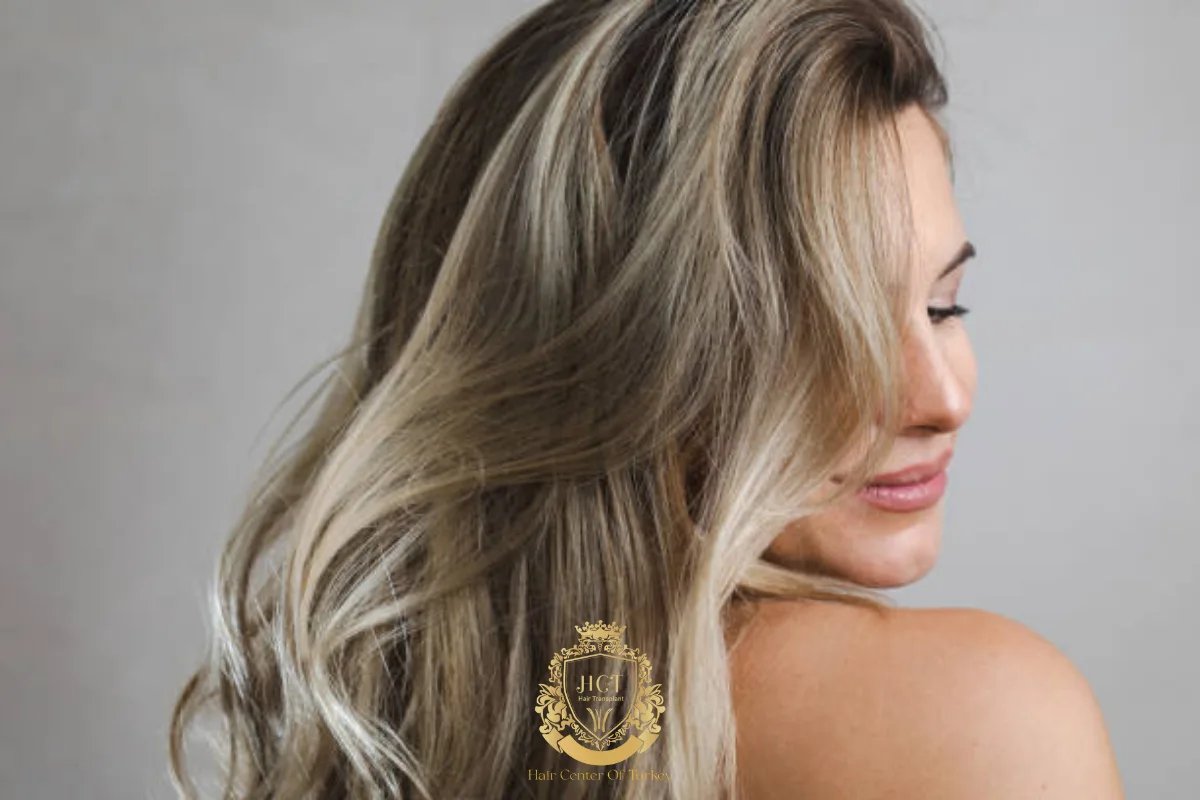
Both techniques involve coloring parts of the hair, but they create very different results. Here’s how they compare:
Appearance
- Highlights: blended, soft, and natural-looking
- Streaks: bold, defined, and high-contrast
Section size and placement
- Highlights: finer sections placed throughout for an even glow
- Streaks: thicker sections or panels placed strategically for impact
Color tone choices
- Highlights: often close to natural tones (caramel, honey, ash, beige)
- Streaks: frequently stronger contrast or fashion shades (platinum panels, vivid colors)
Maintenance
- Highlights: typically lower-maintenance because regrowth blends more easily
- Streaks: often need more frequent refreshes, especially if very light or vivid
Longevity and grow-out
- Highlights: can look intentional for longer as hair grows
- Streaks: can show lines of regrowth more quickly depending on placement and contrast
Which Option Fits Your Hair Type And Goals?
Your natural base color, hair density, and the look you want matter as much as the technique.
Highlights may suit you if…
- You want a natural, sun-kissed result
- Your hair is fine to medium and you want extra dimension
- You prefer fewer salon visits and a softer grow-out
- You’re trying color for the first time and want a gentle change
Streaks may suit you if…
- You want a bold, noticeable change
- Your hair is thick or dark and you want strong contrast
- You like statement panels (for example, a bright money piece)
- You don’t mind touch-ups to keep the look sharp
How Each Technique Is Applied
A stylist can tailor either method to your haircut and face shape, but the basic approach is different.
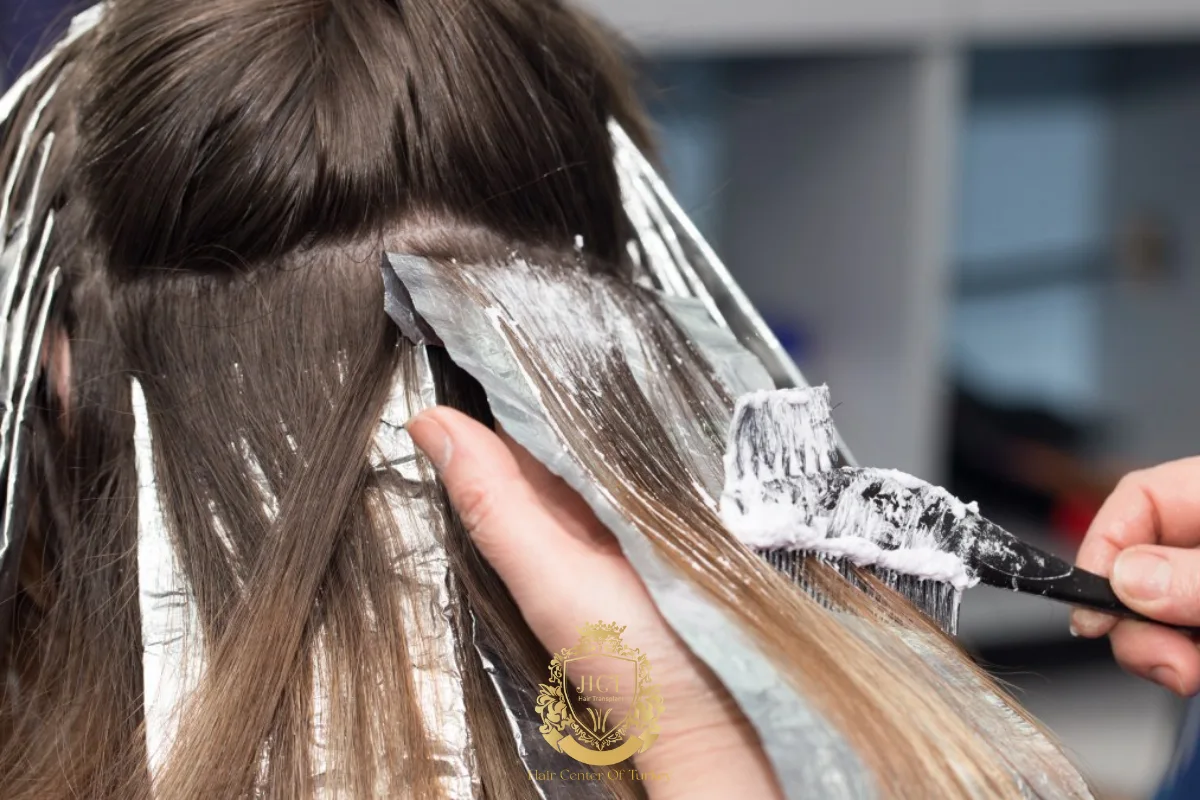
Typical highlight application
- Hair is taken in fine slices or weaves
- Lightener or color is applied with foils or open-air techniques
- Toner may be used to refine warmth or coolness
- Hair is rinsed, treated, and styled
Typical streak application
- Hair is sectioned into thicker pieces or panels
- A higher-contrast lightener/color is applied (often in foils)
- Creative shades may require pre-lightening first
- Hair is toned if needed, then rinsed and styled
Price Differences
There is no single universal price because cost depends on salon location, stylist experience, hair length, density, time required, and whether extra steps such as toning or pre-lightening are included. Your current page already points to these variables, and that is the right direction; it is more useful than giving one flat number with no context.
In practice, streaks can cost more when they involve heavier lifting, stronger contrast, or fashion shades that require additional steps. Highlights may also become more expensive when the work is very detailed or the placement is extremely fine. The most useful thing for readers is understanding what is included, not just seeing a headline price.
Ways to keep the cost predictable
- Bring reference photos and agree on placement before starting
- Ask whether toner, treatment, and blow-dry are included
- If you want a bold look, consider a smaller number of panels for impact with less time
Aftercare And Maintenance Tips
Both techniques benefit from color-safe products, lower heat exposure, and regular conditioning, especially after any lightening process. This is consistent with both your current page and broader beauty-content guidance around maintaining lightened hair.
If the pieces are very light, toning products may help control warmth, but they should be used carefully rather than excessively. UV exposure, chlorine, and repeated hot-tool use can also make the color look duller or the hair feel drier over time.
General care for both
- Use a color-safe shampoo and conditioner
- Limit high heat and use a heat protectant when styling
- Add a weekly nourishing mask or bond-repair treatment if your hair feels dry
- Book trims as needed to keep ends looking healthy
Extra care for very light streaks or vivid colors
- Use purple/blue shampoo only as advised to avoid dulling
- Expect quicker fading with bright shades and plan refresh appointments
- Protect hair from chlorine and prolonged sun exposure when possible
Highlights vs. Streaks: Which One Should You Choose?
If you want your hair to look naturally brighter and more dimensional, highlights are usually the better fit. If you want the color to be more visible, more graphic, and more expressive, streaks are likely the stronger option. Neither technique is automatically better; the best choice depends on the image you want and the level of upkeep you are comfortable with.
The strongest version of this article is one that helps the reader decide, not one that simply defines the two terms. That is where this revised structure becomes more competitive: it gives a direct answer, explains the visual difference, covers maintenance, and helps users match the technique to their own hair goals.
FAQs About Highlights And Streaks
Are streaks the same as highlights?
No. Highlights are usually finer and more blended, while streaks are thicker and more visible.
Which looks more natural, highlights or streaks?
Highlights usually look more natural because the placement is softer and more diffused.
Which one is lower maintenance?
Highlights are often lower maintenance because regrowth tends to blend more easily.
Are streaks more damaging than highlights?
Not automatically, but stronger contrast or heavier lightening can mean more processing. The actual impact depends on the formula, technique, and aftercare.
Which is better for dark hair?
Both can work, but streaks often show more clearly on dark hair when the goal is strong contrast, while highlights are usually better when the goal is softer dimension.
Which grows out more naturally: highlights or streaks?
Highlights grow out more naturally. Because they're woven through your base color, the regrowth line stays soft instead of forming a hard demarcation. Streaks are thicker and higher-contrast, so their roots show sooner and need touch-ups more often.
Which is better for covering gray hair?
Highlights usually blend gray better, since the fine sections are spread across the whole head and camouflage scattered grays. Streaks only cover gray where they're placed, so grays outside those sections can still show.
Do highlights damage hair more than streaks?
The damage comes from the lightening, not the style. Highlights lift more sections, so more strands see bleach — but each section is thin. Streaks touch fewer areas yet are often lifted to a higher contrast in one pass. Either way, how light you go and how healthy your hair is matter more than the technique name.
Which is better for a subtle, low-maintenance change?
Highlights. The soft blend lets you stretch the time between salon visits, and the grow-out looks intentional rather than obvious.
Which is better for a bold look?
Streaks. They're thicker and high-contrast, so they read as a clear style statement instead of natural dimension.
Explore the complete guide: Hair Transplant Cost in Turkey 2026