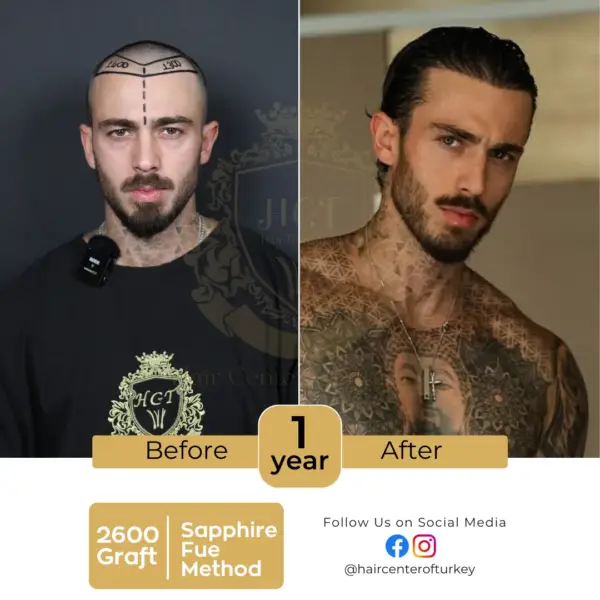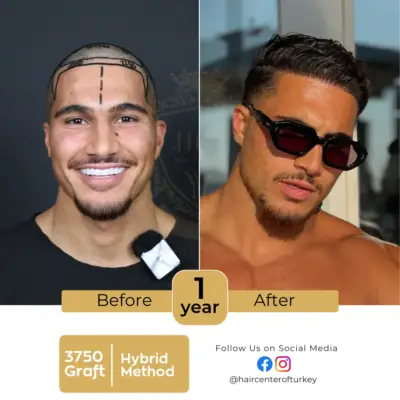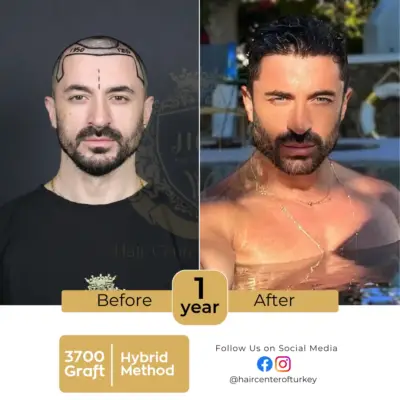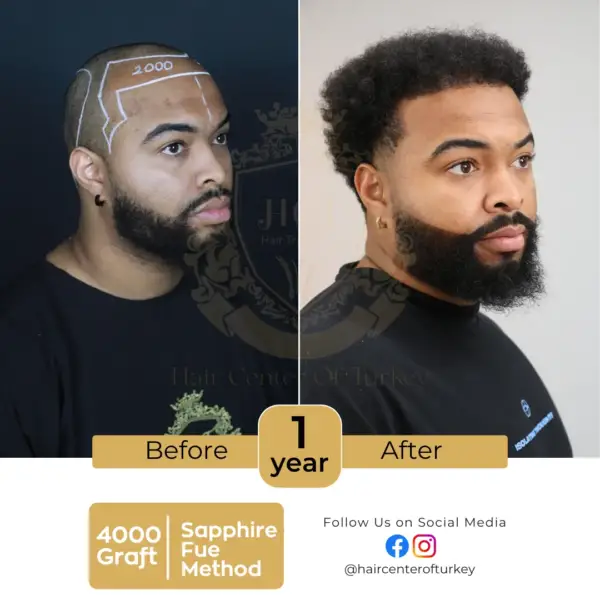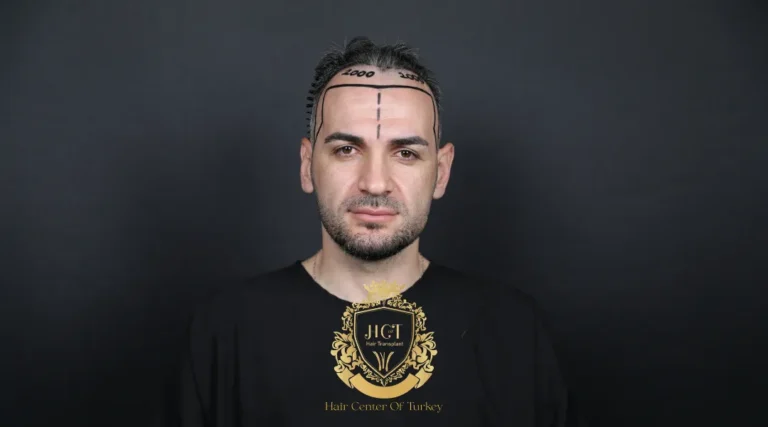


A patient walks into a consultation expecting to leave that same week with a full head of hair and no visible shave line anywhere. On paper it sounds ideal. In reality, it isn’t always the smartest route. Unshaven hair transplants have become a popular request, especially among international patients who can’t disappear from work or social life for a month. But the technique isn’t universally suitable, and in certain cases it can quietly undermine the outcome people actually wanted.
What Unshaven Hair Transplant Actually Means
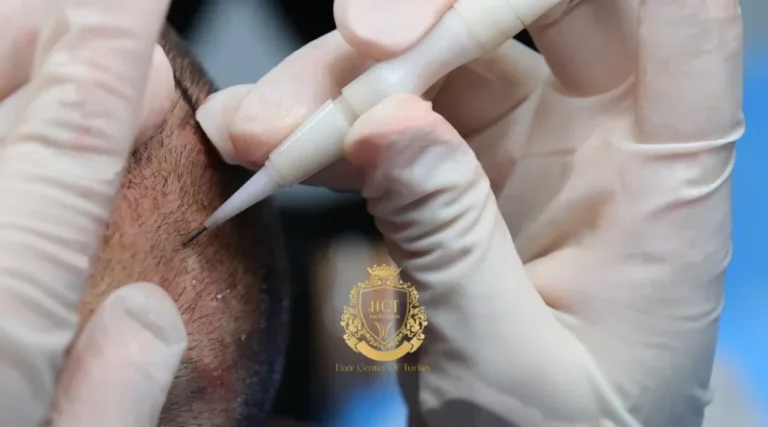
The term gets used loosely in clinic brochures, so it’s worth clearing up first. An unshaven hair transplant doesn’t mean no shaving at all. In most cases, the donor area stays intact in length, while the recipient zone receives grafts without any visible haircut on top. Some surgeons also offer a long-hair FUE, where grafts are extracted with their existing length still attached. It looks tidier on day one. But the technique is slower, more demanding, and only works for a specific type of patient.
Table of Contents
Why Some Patients Ask for It Specifically
The appeal is obvious. A public-facing job, an upcoming wedding, a short travel window, a social calendar that won’t accommodate a visible shave line — all of these push patients toward the unshaven route. The assumption usually goes something like this: same result, faster return to normal life, nobody needs to know. And sometimes that’s true. But sometimes it isn’t, and the gap between expectation and outcome tends to surface a month or two later, once the result becomes permanent.
Candidates Where Unshaven Transplant Becomes Risky
The technique rewards careful planning and punishes the opposite. Certain patient profiles carry a much higher chance of a compromised result:
- Patients needing more than 2,500 to 3,000 grafts in a single session
- Those with tight donor reserves or a narrow safe zone
- Very curly or coarse hair that complicates long-hair extraction
- Late-stage pattern loss, particularly Norwood 5 and above
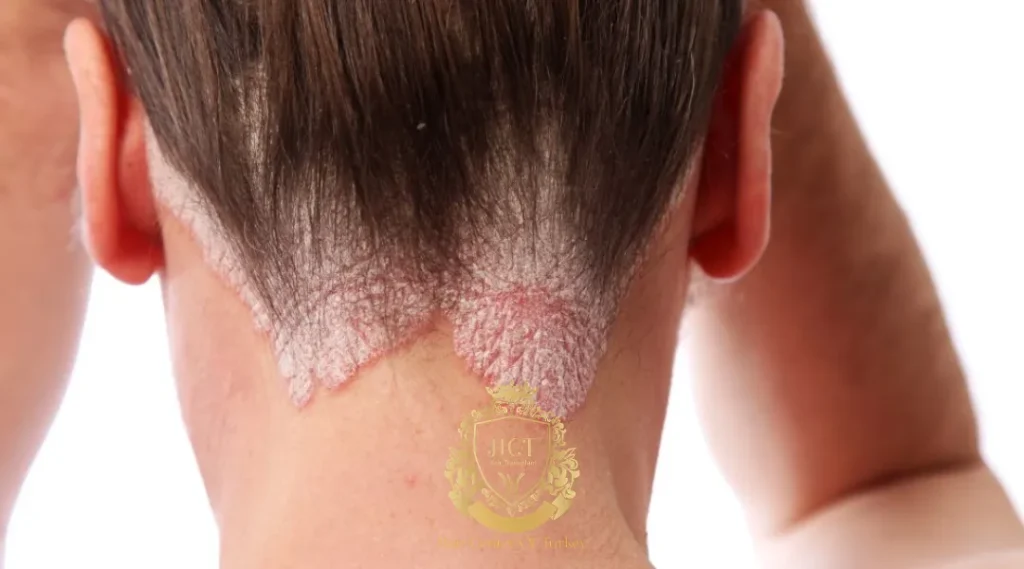
- Active scalp conditions like seborrheic dermatitis or folliculitis
- Patients expecting maximum density coverage in a single go
None of these rule out a transplant entirely. But they often rule out the unshaven version of it.
The Role of Graft Count in Unshaven Procedures
There’s a ceiling here that many patients don’t see coming. Once the session stretches past a certain graft count, extraction takes noticeably longer because each follicle has to be navigated through surrounding hair length. That slows placement. It also increases the time grafts spend outside the body, which affects viability in practice. So a 4,000-graft request handled entirely without shaving? Rarely realistic, and when it’s forced through anyway, survival rates often drop with it.
Donor Area Limits You Shouldn’t Ignore
Long hair over the donor zone limits what the surgeon can actually see during extraction. That matters more than it sounds.
- Reduced visibility of density variations across the donor
- Harder to plan even distribution of extracted grafts
- Higher chance of over-harvesting a single zone by accident
- Less strategic control over how the donor will look long term
Clinics that rush this step sometimes leave patchy donor zones — a cosmetic issue that stays permanently visible once the hair grows back short.
When a Partial Shave Works Better
A partial shave — a narrow strip of shorter hair tucked under surrounding length — is often the quiet middle ground nobody asks for but plenty of patients end up grateful for. The surgeon gets a clear working field. Graft viability stays stable. The patient still walks out with hair covering the incision area the moment they stand up. It’s not as photogenic as a fully unshaven procedure on day one. But for sessions above 3,000 grafts, it tends to deliver a much better long-term result.

What Hair Center of Turkey Considers Before Approval
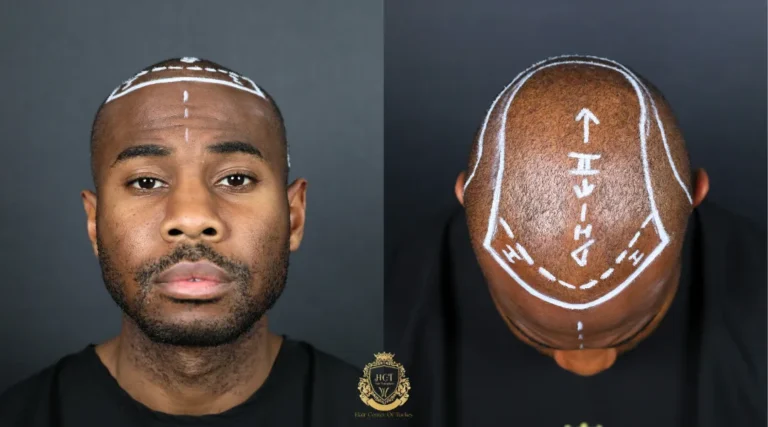
At Hair Center of Turkey, the decision isn’t made on patient preference alone. The surgical team reviews donor density, hair texture, expected graft count, scalp condition, and the patient’s realistic recovery window. If an unshaven approach would compromise coverage or donor integrity, the recommendation shifts to a better-suited option rather than agreeing to a cosmetic request by default. That honest conversation tends to happen during the planning stage — not on the morning of surgery.
Recovery Realities Patients Often Underestimate
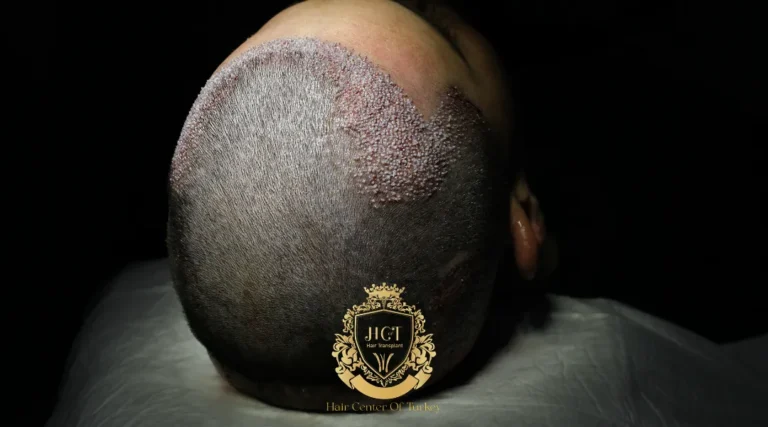
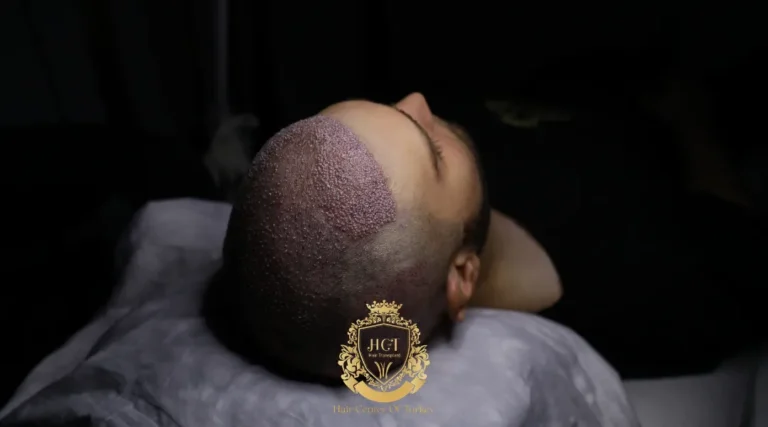
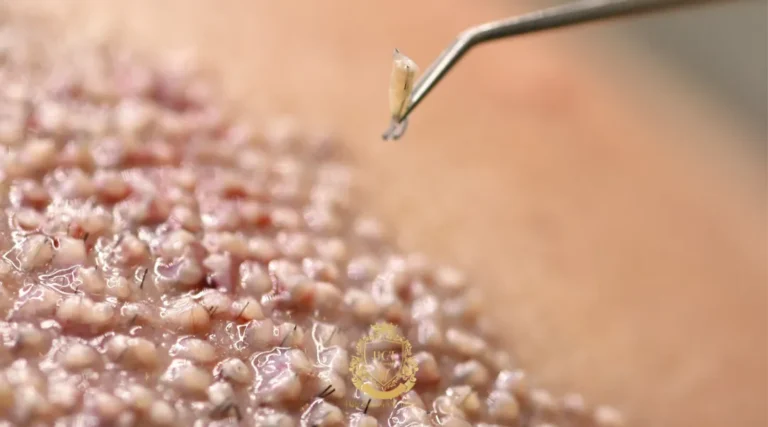
Even with an unshaven procedure, scabbing still happens. Redness still appears. Shedding still hits around week two or three. The transplanted zone doesn’t look natural just because the surrounding hair is long — if anything, the contrast between existing length and tiny healing scabs can make the early recovery more noticeable, not less. Some patients actually feel more self-conscious during the first month of an unshaven result, because a fully shaved approach blends more uniformly while everything settles.
Final Thoughts
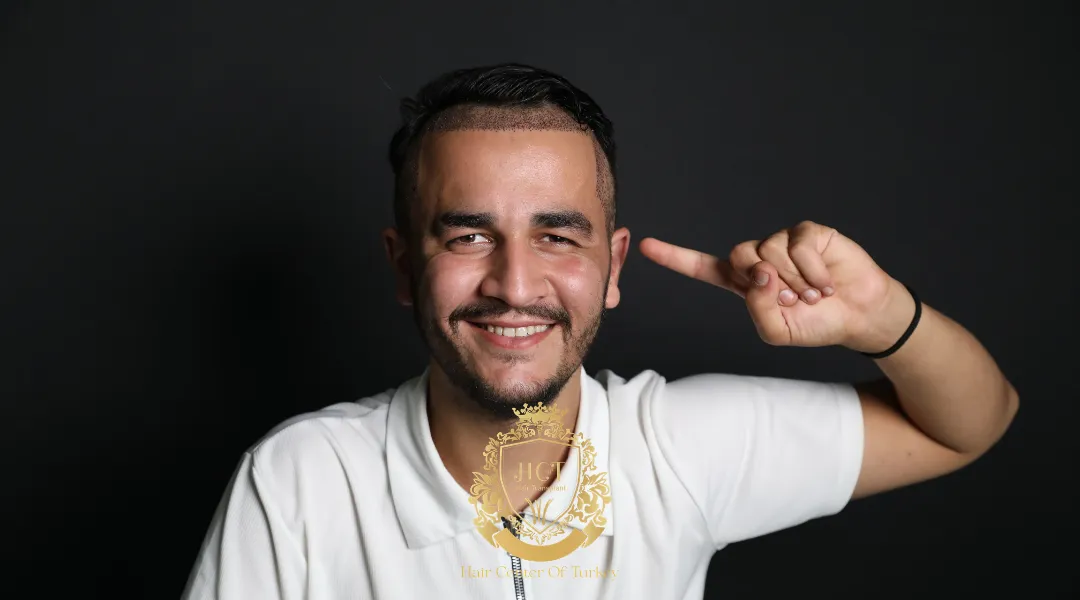
An unshaven hair transplant is a real option, but it’s a specific one. Not a default setting. Candidates with modest graft needs, solid donor density, and manageable hair texture often do well with it. Others risk uneven density, an overharvested donor, or a visual outcome that doesn’t match what they saw in pre-op mockups. Clinics like Hair Center of Turkey tend to walk patients through these tradeoffs openly during the planning stage — and that’s really the part that protects the outcome. The technique matters less than the judgment behind it.
FAQ
Is an unshaven hair transplant worth the extra cost?
Sometimes. The extra cost tends to be justified when the graft count is modest and recovery privacy genuinely matters. For larger sessions, that money is usually better spent on a traditional or partial-shave approach that protects final density. A useful test: ask the clinic what they’d recommend if cost were equal — the answer is usually honest.
How many grafts can be safely done in one unshaven session?
Most experienced surgeons cap an unshaven session at around 2,500 to 3,000 grafts. Beyond that, extraction slows too much and graft survival takes a measurable hit. Some clinics advertise higher numbers, but those cases often compromise either donor quality or final coverage.
Will the final result look the same as a fully shaved transplant?
Once the hair grows in and everything settles, the results generally look similar. The real difference shows up during recovery — and in cases where the unshaven method forced compromises on graft count, donor distribution, or density planning.
Can I return to work the same week after an unshaven procedure?
Many patients return within three to five days, since the surrounding hair hides most of the transplanted zone. Some redness and scabbing may still be noticeable under direct lighting. Hats are often unnecessary after the first week, though most patients prefer them for a few more days.
Is unshaven DHI better than unshaven FUE?
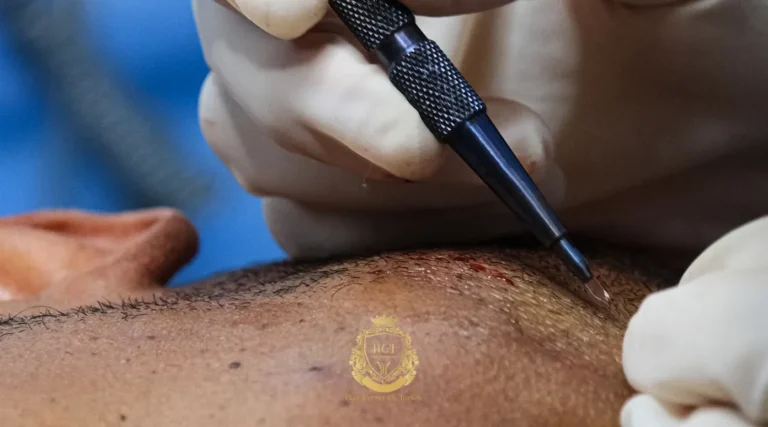
Neither is inherently better. DHI uses a Choi pen for direct implantation, which some surgeons prefer for unshaven work because it reduces handling. Long-hair FUE also works well in the right hands. The choice really depends on the clinic’s experience with the specific technique, not the label itself.
Explore the complete guide: Hair Transplant Types