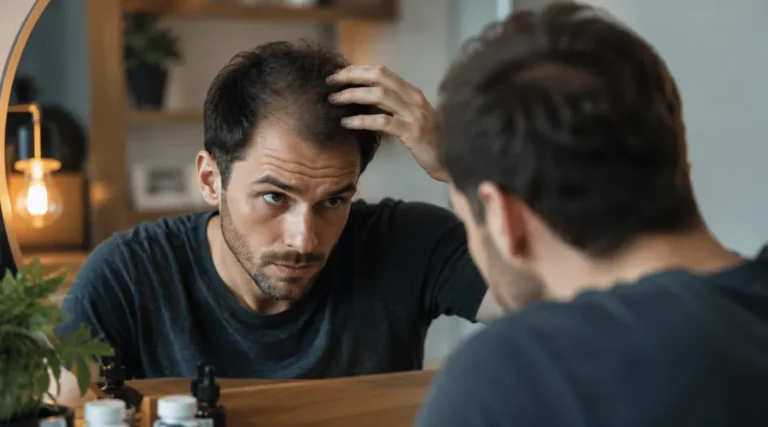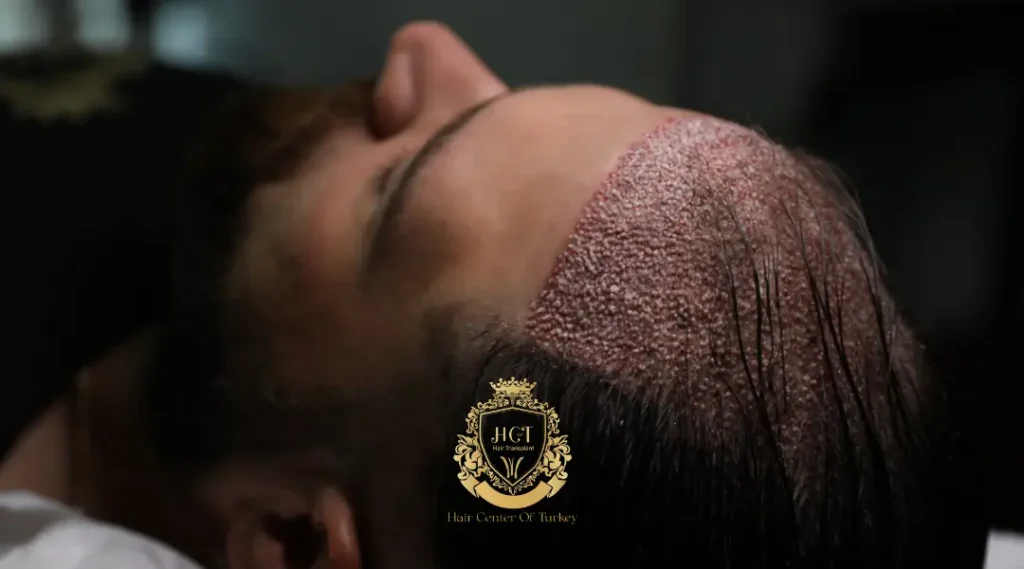
Hair transplantation has become one of the most popular aesthetic procedures in Turkey, and patient expectations have changed significantly over the years. In the past, most people accepted that shaving the entire head was a normal part of the process. Today, many patients want a more discreet experience. They want to return to social life sooner, protect their existing hairstyle, and keep the procedure as private as possible. This is why unshaven hair transplant in Turkey has become a highly searched topic.
A hair transplant without shaving, also known as an unshaven hair transplant or no-shave hair transplant, is a technique that allows transplantation to be performed without cutting all of the hair. In suitable cases, the donor area may be partially trimmed, or the procedure may be planned with minimal visible shaving. This option is especially attractive for people with long hair, public-facing jobs, busy social lives, or strong privacy concerns.
However, unshaven hair transplantation is not the right choice for every patient. The technique requires careful planning, strong donor area evaluation, and realistic expectations. Turkey has become an important destination for this type of procedure because many clinics have experience with different hair types, hair loss patterns, and international patient needs. Still, the final decision should always depend on medical suitability rather than only personal preference.
What Is an Unshaven Hair Transplant?
An unshaven hair transplant is a hair restoration procedure performed without shaving the entire scalp. In a traditional hair transplant, the donor and recipient areas are usually shaved to help the medical team see the grafts clearly, extract follicles efficiently, and implant them with precision. In an unshaven procedure, the goal is to preserve as much existing hair as possible while still allowing safe graft extraction and placement.
There are different versions of unshaven hair transplantation. In some cases, only a small donor area is trimmed and hidden under longer hair. In other cases, both the donor and recipient areas remain largely unshaven, especially when the number of grafts is limited. The method depends on the patient’s hair length, hair density, donor strength, and the size of the thinning area.
The main appeal of this technique is discretion. Since the hair is not fully shaved, the signs of the procedure may be less visible after the early healing stage. This can make the recovery period feel more comfortable for patients who do not want a dramatic change in appearance immediately after treatment.
Is Hair Transplant Without Shaving Performed in Turkey?
Yes, hair transplant without shaving is performed in Turkey in suitable cases. Many patients choose Turkey for unshaven hair transplantation because the country has a strong reputation in hair restoration and offers different technique options. Clinics experienced in modern methods may provide unshaven FUE, partially shaven FUE, or unshaven DHI depending on the patient’s needs.
The important point is suitability. A no-shave hair transplant requires more time, more technical care, and more detailed planning than a fully shaved procedure. The medical team must work around existing hair without damaging it. Visibility can be more limited, and graft handling must be very precise. For this reason, unshaven hair transplant should not be treated as a simple cosmetic preference. It is a specialized approach that works best when the patient profile is appropriate.
Turkey’s advantage comes from experience and variety. Since many patients travel to Turkey for hair restoration, clinics often work with different expectations, including privacy-focused and executive-style treatment plans. This makes unshaven hair transplant in Turkey a strong option for patients who want natural results with a more discreet recovery process.
What Are the Main Types of No-Shave Hair Transplant?
No-shave hair transplant can be planned in more than one way. The best option depends on the patient’s hair loss pattern, graft requirement, donor area, and desired level of discretion.
Common types include:
- Partially shaven hair transplant: A small section of the donor area is shaved, usually in a way that can be covered by surrounding hair. This is often preferred for patients with medium or long hair.
- Completely unshaven hair transplant: The procedure is performed without visible shaving in both donor and recipient areas. It is usually suitable for smaller sessions and selected patients.
- Unshaven DHI hair transplant: Grafts are implanted with a direct implantation method, often preferred when working between existing hairs.
- Unshaven FUE hair transplant: Individual grafts are extracted from the donor area while preserving the overall hairstyle as much as possible.
- Long hair transplant: In some cases, grafts may be transplanted with longer hair shafts, helping patients see an early preview of placement direction.
- Female unshaven hair transplant: This option is commonly requested by women who want to protect hair length and avoid visible shaving.
- Localized unshaven transplant: Small areas such as the hairline, temples, or thinning patches are treated without major changes to the rest of the hair.
Each option has its own advantages and limitations. A detailed consultation is necessary before deciding which method is suitable.
How Is an Unshaven Hair Transplant Performed?
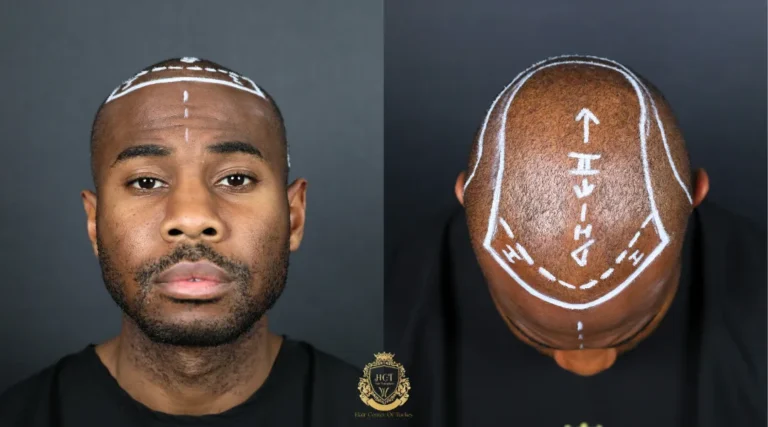
The process begins with consultation and hair analysis. The medical team evaluates the donor area, thinning zones, hair thickness, scalp condition, and the number of grafts needed. If the patient is suitable for unshaven hair transplant, the procedure is planned carefully to protect the existing hairstyle and achieve natural coverage.
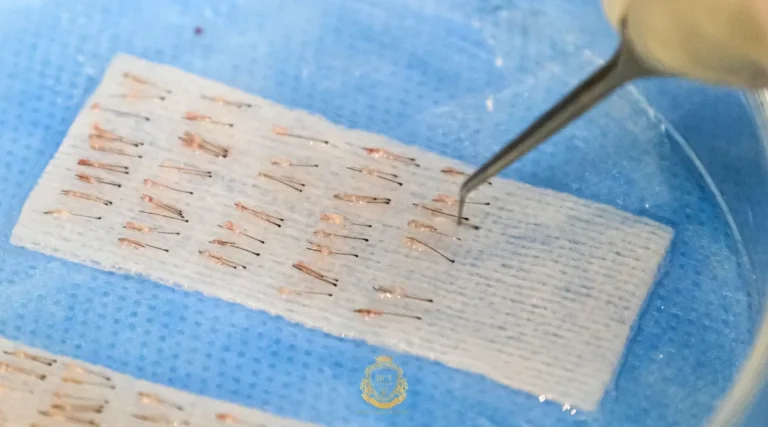
During extraction, grafts are collected from the donor area. If a partially shaven method is used, a small hidden section may be trimmed. In a fully unshaven case, extraction requires more time because the team must separate and handle follicles without full visibility. This stage demands patience and experience.
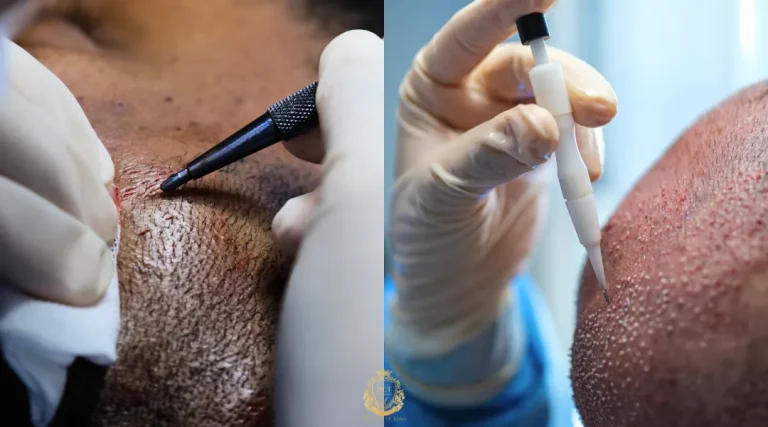
After extraction, the grafts are prepared and implanted into the recipient area. If DHI is used, the follicles may be placed directly with implanter pens. If FUE-based implantation is preferred, channels may be opened before placement. In both methods, angle, depth, and direction remain essential. The transplanted hair must blend with the natural growth pattern to create a realistic result.
Who Is a Good Candidate for Unshaven Hair Transplant?
Not every patient is an ideal candidate for hair transplant without shaving. Suitability depends on medical and aesthetic factors. The procedure can be very effective in the right case, but it may not be practical for very large bald areas or extremely high graft numbers.
Good candidates often include:
- Patients with mild or moderate hair loss
- People who need hairline refinement or density improvement
- Individuals with enough donor hair quality
- Patients with medium or long hair that can cover a small trimmed donor area
- Women experiencing localized thinning
- People who prefer a discreet recovery period
- Patients who cannot easily appear in public with a shaved head
- Individuals with realistic expectations about density and healing
- Patients suitable for longer and more detailed procedure planning
For patients with advanced baldness, a fully shaved procedure may sometimes provide better visibility, stronger graft planning, and higher session efficiency. The right method should be chosen according to long-term result quality, not only short-term appearance.
What Are the Advantages of Hair Transplant Without Shaving?
The biggest advantage of unshaven hair transplant is privacy. Many patients want to keep their procedure personal, especially if they have professional or social responsibilities soon after treatment. Since the entire scalp is not shaved, the change in appearance can be less noticeable.
Another advantage is emotional comfort. Some patients feel strongly attached to their hairstyle. Shaving the head can feel like a major step, especially for women or people with long hair. A no-shave option can make the treatment decision easier by reducing this concern.
Unshaven hair transplant can also help patients return to routine life with more confidence. Although redness, scabbing, and mild swelling may still occur, existing hair can sometimes camouflage the treated areas. This does not mean the recovery is invisible, but it may feel more manageable compared to a fully shaved procedure.
Are There Any Disadvantages of Unshaven Hair Transplant?
Unshaven hair transplant has limitations. It usually takes longer than a standard shaved procedure because extraction and implantation require more delicate work. The team must work around existing hair, which can slow down the process and increase technical difficulty.
The number of grafts may also be more limited. Large sessions can be harder to perform without shaving because visibility matters during extraction and implantation. If the goal is maximum coverage over a wide bald area, a shaved procedure may be more suitable.
Another point is cost. Since unshaven hair transplantation can require more time and specialized planning, it may be priced differently from standard methods. Patients should also understand that no-shave does not mean no recovery. The scalp still needs to heal, and aftercare rules must be followed carefully.
Does Unshaven Hair Transplant Look Natural?
An unshaven hair transplant can look natural when it is performed with the right planning and technique. Natural results depend on hairline design, graft angle, density distribution, donor management, and the skill of the medical team. The absence of shaving does not automatically make the result better or worse. It simply changes how the procedure is performed.
The hairline must be designed according to facial structure, age, forehead shape, and existing hair direction. If grafts are placed too straight or too densely in the wrong area, the result may look artificial. This risk exists in every hair transplant method. A natural appearance comes from careful aesthetic judgment.
In unshaven procedures, blending is especially important because transplanted grafts are placed near existing hair. The new hairs should grow in the same direction and pattern as the surrounding strands. When this is done correctly, the final result can be soft, balanced, and realistic.
Is Unshaven Hair Transplant Popular Among Women?
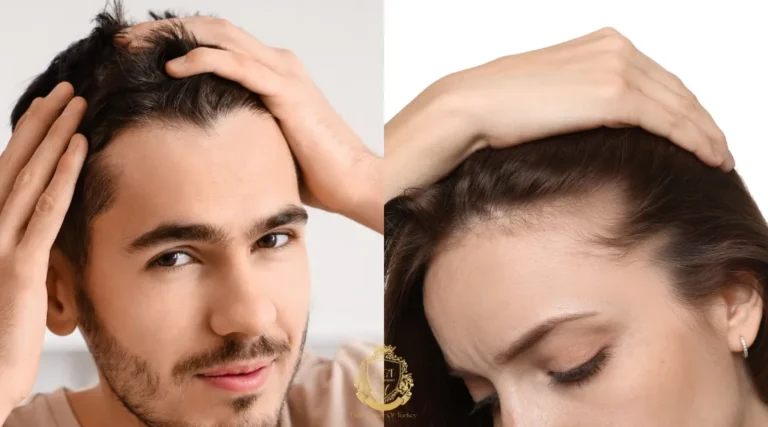
Unshaven hair transplant is especially popular among women because many female patients do not want to shave their hair for aesthetic, social, or emotional reasons. Female hair loss often appears as thinning rather than complete baldness, which can make unshaven or partially shaven techniques suitable in selected cases.
Women usually seek density improvement in the frontal area, parting line, temples, or crown. Since the existing hair may still be long, it can help hide early healing signs. This makes the no-shave approach more comfortable for patients who want privacy during recovery.
However, female hair loss must be evaluated carefully. Not every thinning pattern is suitable for transplantation. Hormonal factors, diffuse shedding, nutritional issues, and scalp conditions may need to be considered before planning the procedure. A responsible clinic should first determine whether hair transplantation is truly the right solution.
How Long Does Recovery Take After No-Shave Hair Transplant?
Recovery after no-shave hair transplant is similar to other modern hair transplant methods. In the first few days, the scalp may show redness, sensitivity, mild swelling, and small scabs around the grafts. Existing hair can sometimes make these signs less visible, but the biological healing process remains the same.
The first 10 days are important for protecting the grafts. Washing should be gentle, scratching should be avoided, and the scalp should be protected from friction. Patients should also follow clinic instructions about sleeping position, exercise, sun exposure, and hair products.
Temporary shedding may occur in the following weeks. This can be surprising because the transplanted hairs may fall out before new growth begins. The follicles remain under the skin and gradually enter the growth phase. Visible improvement usually develops over months, while the final result takes longer to mature.
When Are Results Seen After Unshaven Hair Transplant?
The result timeline for unshaven hair transplant is not instant. The early appearance after the procedure does not show the final outcome. Some patients may enjoy the look of newly placed hairs at first, but shedding can happen later as part of the normal cycle.
New growth often begins in the following months. At first, the hair may look thin or uneven. Over time, the strands become stronger, thicker, and more visible. Density improves gradually, and the transplanted hair starts to blend with the existing hair.
Most patients need patience during the first year. A natural result develops step by step, and growth speed can vary from person to person. Hair type, graft quality, scalp condition, aftercare, and general health all influence the timeline.
Is No-Shave Hair Transplant Better Than a Shaved Hair Transplant?
No-shave hair transplant is not automatically better than a shaved hair transplant. It is better for certain patients and less suitable for others. The main advantage is discretion, while the main limitation is technical difficulty and possible graft number restriction.
A shaved procedure may be more practical for large sessions because the medical team can see the donor and recipient areas clearly. This can support efficient extraction, accurate implantation, and larger graft numbers. For advanced hair loss, this may be the stronger option.
An unshaven procedure is ideal when the patient wants privacy and the hair loss pattern allows it. The best choice depends on medical suitability, not only personal preference. A good clinic should explain both options clearly and recommend the method that offers the most natural long-term result.
Why Choose Turkey for Hair Transplant Without Shaving?
Turkey is a strong destination for hair transplant without shaving because the country has broad experience in modern hair restoration techniques. Many patients travel to Turkey for procedures such as FUE, DHI, sapphire hair transplant, and unshaven hair transplant. This experience helps clinics create treatment plans for different hair types, ages, and expectations.
Another reason is the organized patient journey. International patients often look for consultation support, treatment planning, transfer assistance, accommodation guidance, and aftercare communication. A well-managed process can make medical travel feel easier and more comfortable.
Still, the clinic selection is the most important factor. Patients should not choose a clinic only because it offers no-shave hair transplant. The clinic should also provide honest evaluation, natural hairline planning, donor area protection, sterile conditions, and realistic result expectations.
Explore the complete guide: Hair Transplant Turkey and Medical Tourism