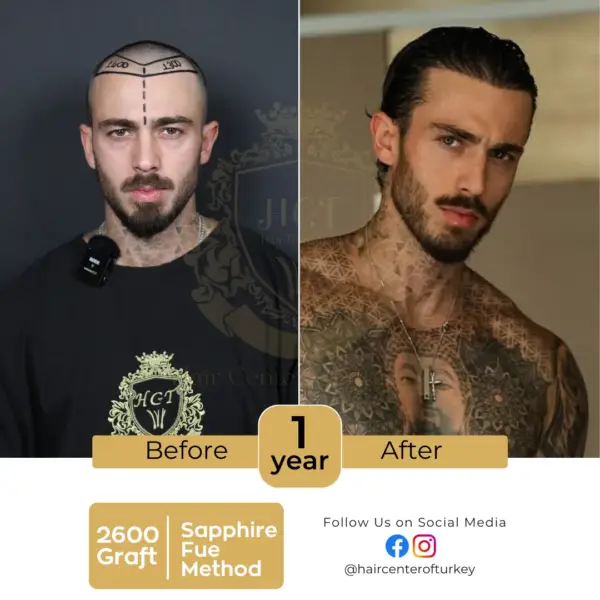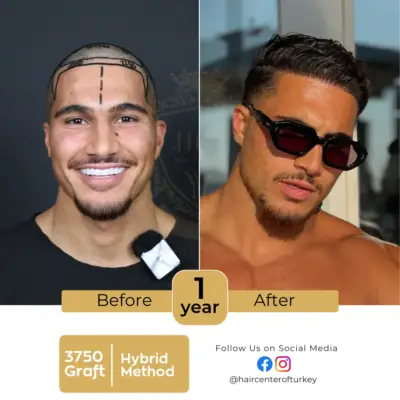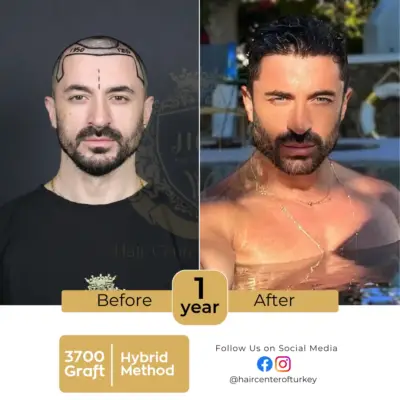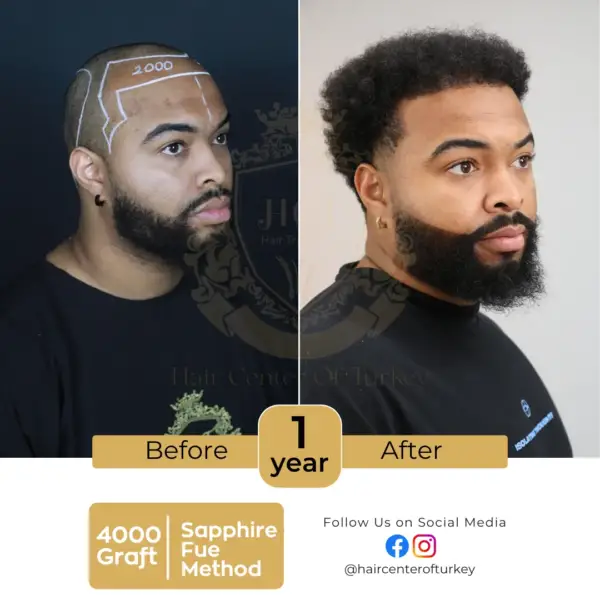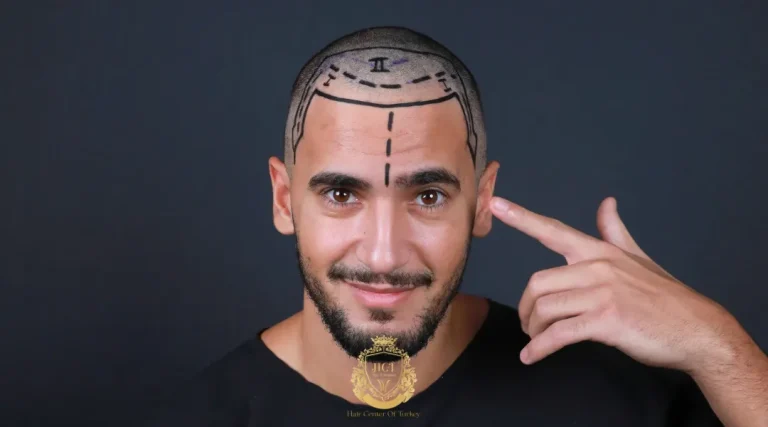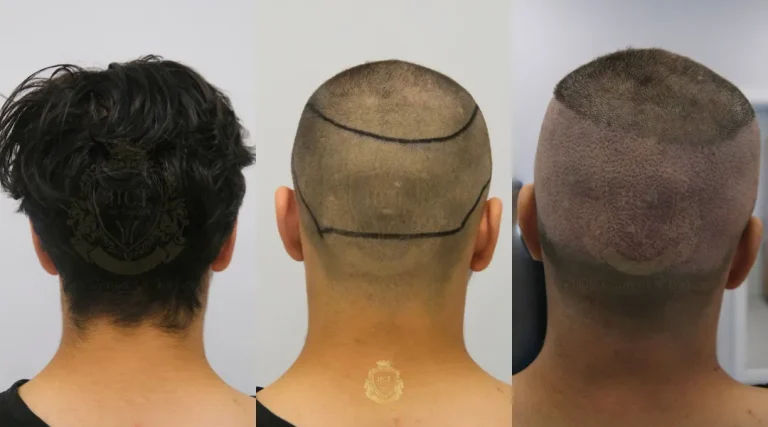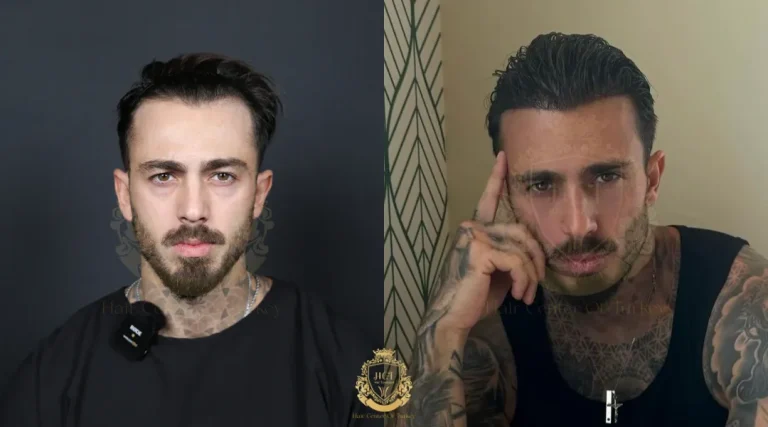



It is one of the first questions people ask before booking a procedure, and for good reason. You are not only thinking about the transplanted grafts. You are also thinking about the hair you still have. The honest answer is this: some existing hair can shed after a hair transplant, but that does not automatically mean permanent loss. In many cases, it is temporary shock loss. What matters most is how the procedure is planned, how your native hair is protected, and whether your long-term hair loss pattern is taken seriously from the start.
Table of Contents
The Short Answer
Yes, existing hair can fall out after a hair transplant, especially in areas that were already weak or thinning. This is often called shock loss. It can happen because the scalp has been through a procedure, the area is temporarily stressed, and fragile hairs may enter a shedding phase.
That sounds alarming on paper, but it is not always a bad sign. In many patients, those hairs grow back once the follicles recover and the scalp settles. The bigger concern is not temporary shedding. It is whether the existing hair was already miniaturizing due to ongoing pattern baldness.
Why Shock Loss Happens
Shock loss is usually linked to trauma, inflammation, and the natural healing response after surgery. The scalp has been anesthetized, channels have been opened, and grafts have been placed. Even with careful technique, that environment can push vulnerable hairs into a resting phase. Hair Center of Turkey notes that this kind of shedding can last for a few weeks, while new growth commonly starts around months 3 to 4.
The important distinction is this:
- Strong, healthy native hair is less likely to be affected long term
- Weak, thinning hair is more likely to shed because it was already under pressure
- Poor planning can increase the risk if graft placement is too aggressive in areas with existing hair
Temporary Shedding or Permanent Loss?
This is where many people get confused. Temporary shedding after a transplant is common. Permanent loss is possible, but it is usually tied to underlying hair loss progression or poor surgical judgment rather than the transplant itself.
A transplanted area may look thinner for a while before it looks better. That is part of the timeline. Hair Center of Turkey describes the first weeks as a period when shedding is normal, with visible improvement often beginning by month 6 and more complete results around month 12, while the crown can take longer.
If the native hairs that fall were already miniaturized, some may not return with the same strength. That is why the consultation stage matters so much.
The Role of Planning Before Surgery
The risk of losing existing hair is lower when the case is planned properly. That means looking beyond the front hairline and thinking about the future. A clinic should assess donor strength, scalp condition, current density, age, hair characteristics, and the likelihood of continued thinning before deciding on graft numbers or technique. Hair Center of Turkey repeatedly emphasizes donor analysis, realistic graft planning, and natural hairline design as central parts of the process.
A good plan usually includes:
- analysis of the donor area
- realistic density goals
- protection of existing follicles during channel opening
- a strategy for future hair loss, not only today’s bald spots
This is one reason Hair Center of Turkey is often considered by international patients who want a process that feels medically structured rather than rushed.
Technique Choice Makes a Difference
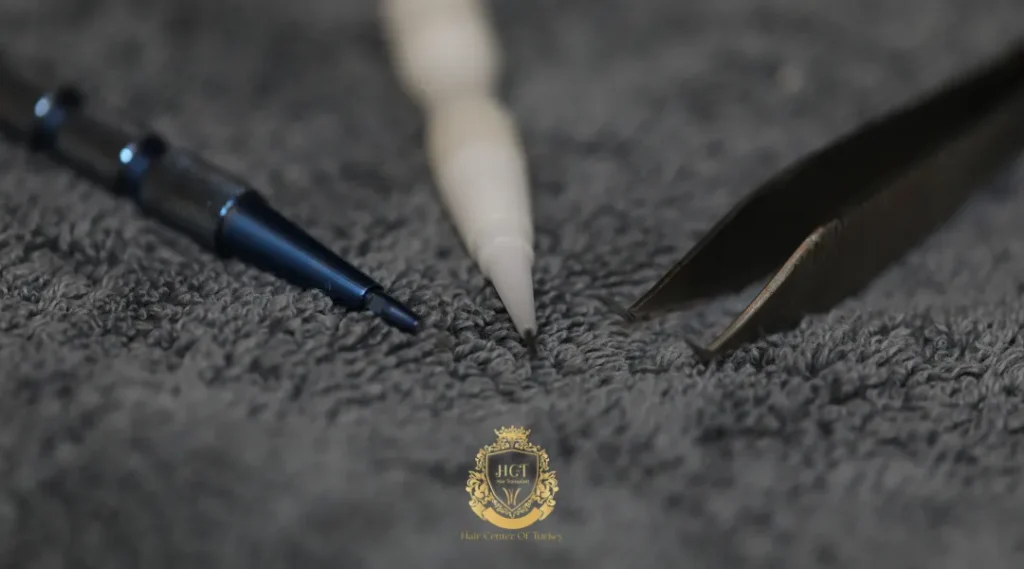
Not every patient should be approached the same way. FUE, Sapphire FUE, and DHI are not just marketing labels. They change how grafts are extracted and placed, and that can influence how carefully the team works around existing hair. Hair Center of Turkey explains that FUE is often used for larger areas, Sapphire FUE allows precise channel opening, and DHI can be useful for detailed work, especially in frontal zones.
For someone who still has a fair amount of native hair, technique selection matters because the aim is not simply to add grafts. It is to do so without unnecessarily disturbing the surrounding follicles.
What You Can Expect in the First Few Months
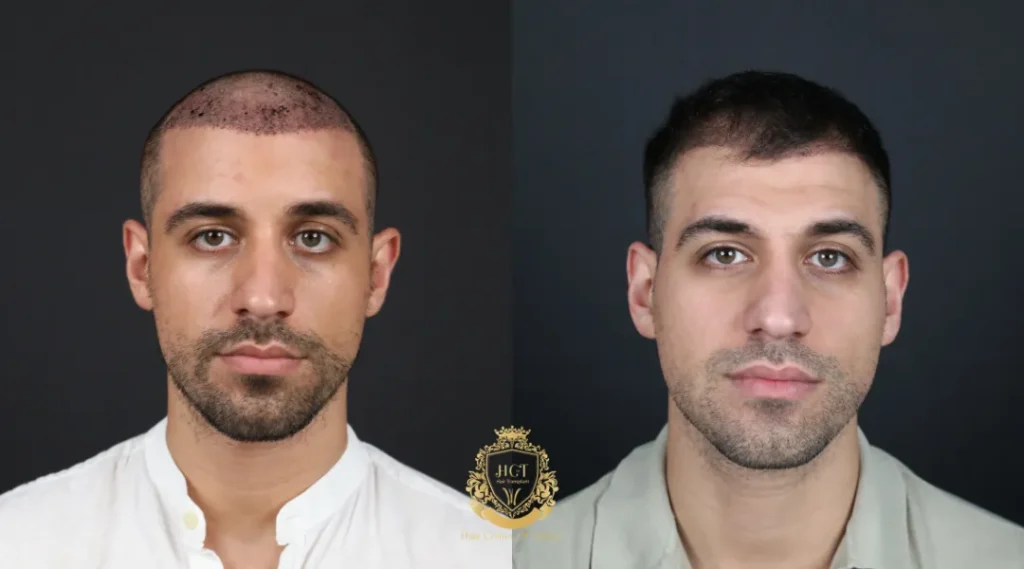
The early phase after a transplant is not visually rewarding. That is normal. You may see redness, scabbing, shedding, and a patchy look before the growth cycle becomes more encouraging. Hair Center of Turkey describes a recovery path that includes shell removal around day 10, temporary shedding in the early weeks, and regrowth beginning after a few months.
A rough pattern often looks like this:
- First 10 days: healing, washing routine, scab removal
- Weeks 2 to 6: shedding of transplanted hairs and sometimes weak native hairs
- Months 3 to 4: early regrowth begins
- Months 6 to 12: density becomes more visible
How to Protect the Hair You Still Have
Surgery is only one part of the picture. Existing hair benefits from careful aftercare and sensible long-term management.
That usually means avoiding unnecessary friction, following washing instructions, protecting the scalp from irritation, and taking follow-up seriously. Hair Center of Turkey also highlights how aftercare, first wash guidance, and structured recovery support should be clearly explained before treatment, not left vague until afterward.
Patients often focus on the operation day. The stronger mindset is to think in phases: consultation, procedure, healing, monitoring, and ongoing support.
Who Is More Likely to Notice Existing Hair Shedding?
Not every patient has the same risk profile. Existing hair shedding is more noticeable in people with diffuse thinning, active male pattern hair loss, or weak density in the recipient area. Younger patients can also need more careful long-term planning because future loss may continue around the transplanted zone.
That is why a trustworthy clinic does not base everything on graft count alone. Hair Center of Turkey’s own guidance keeps returning to the same principle: natural-looking results depend on donor preservation, realistic planning, and an honest medical evaluation.
Final Thoughts
Existing hair can fall out after a hair transplant, but the question needs context. Temporary shedding is common. Unnecessary loss is where planning quality starts to matter. A transplant should never be treated like a simple filling procedure. It is a long-term design decision for your scalp.
That is where Hair Center of Turkey stands out naturally. The focus is not just on placing grafts. It is on donor area analysis, suitable technique selection, hairline design, and a process that feels organized from consultation to aftercare. For patients who want clarity, realistic planning, and support that extends beyond the procedure day, that kind of structure makes a real difference.
FAQ
Will my existing hair permanently fall out after a hair transplant?
Not necessarily. Some existing hair may shed temporarily because of shock loss. Permanent thinning is more likely if that hair was already weak from ongoing hair loss.
How long does shock loss last?
The shedding phase often lasts a few weeks. Early regrowth commonly starts around months 3 to 4.
Does DHI or Sapphire FUE reduce the risk?
Technique can help, but only when it matches the case. The real advantage comes from precise planning and careful work around native follicles.
Should I avoid a transplant if I still have hair in the front?
Not always. Many people with partial thinning are suitable candidates, but they need a clinic that plans conservatively and protects existing density.
How do I know if a clinic is planning properly?
Look for detailed donor analysis, realistic graft discussion, hairline design, clear aftercare, and honest conversation about future hair loss.
Explore the complete guide: Recovery Process After Hair Transplant