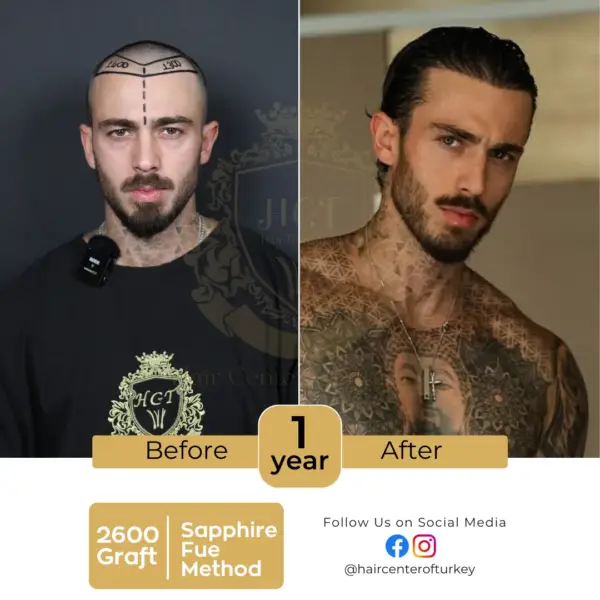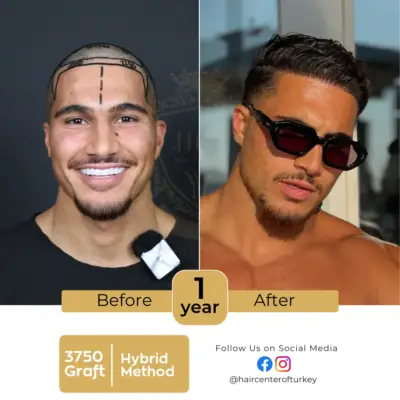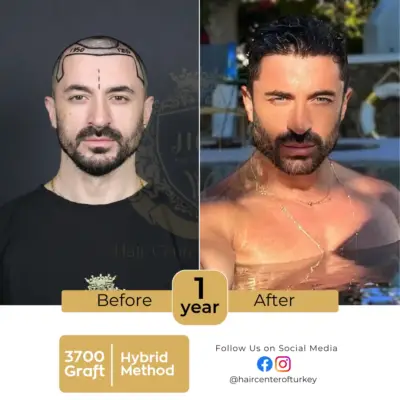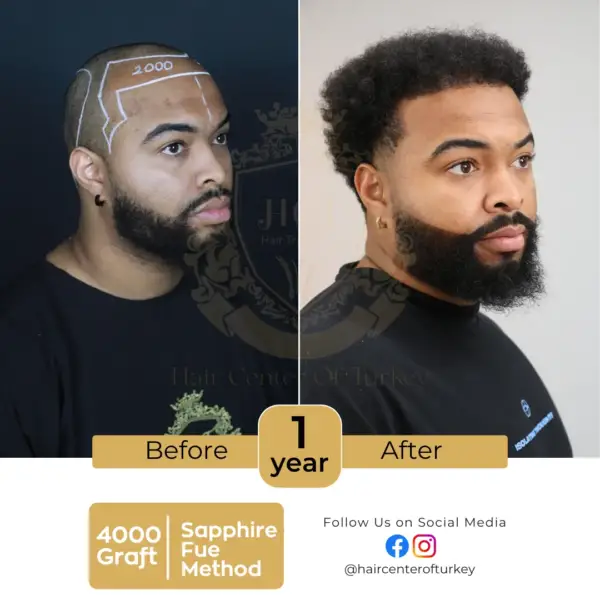


A partially shaven hair transplant is a specialized technique designed primarily for individuals with long hair. It suits those who need a small to moderate number of grafts to restore areas like the hairline or temples.
By shaving only a small, strategic section at the back of the head (the donor area), the surrounding long hair naturally falls over and completely conceals the extraction sites.
This innovative approach allows for an incredibly discreet recovery process. Patients can return to their professional and social lives immediately after their shaven hair transplant, without revealing they underwent a procedure.
When it comes to executing this delicate, precision-requiring method, Hair Center of Turkey stands out as a premier global destination.
Established in 2014, this pioneering clinic has spent over a decade perfecting advanced hair restoration techniques like FUE and DHI to ensure seamless, invisible results. Having successfully transformed the lives of more than 10,000 patients worldwide, their extensive track record proves that a discreet recovery does not mean compromising on density or quality.
For anyone navigating the complexities of hair restoration, choosing an experienced clinic like Hair Center of Turkey guarantees a tailored, highly private experience from day one.
Understanding the Spectrum of Shaving in Hair Transplants
When discussing a shave hair transplant, it is not a single method but rather a spectrum of approaches. Each is designed to accommodate different patient needs, graft requirements, and desired levels of discretion. The choice between them directly impacts the procedure’s execution, duration, and the post-operative experience.
Table of Contents
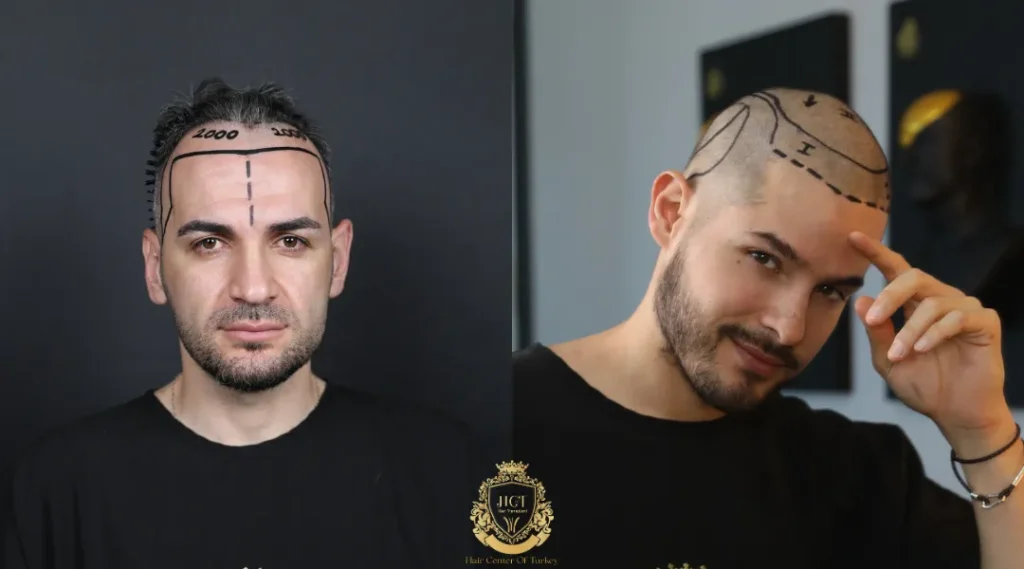
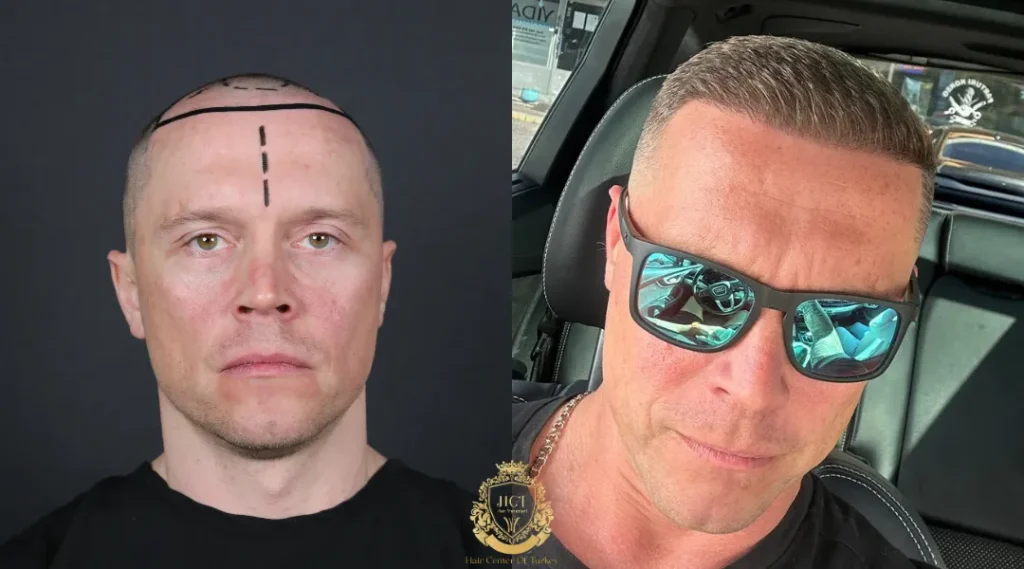
The most common method is the fully shaven technique. Here, the entire head is shaved to a length of 1-2 millimeters. This gives the surgical team maximum visibility and access to the donor area at the back and sides of the scalp.
It simplifies the extraction of follicular units and their subsequent implantation into the recipient zones, allowing for the transplantation of a high number of grafts—often exceeding 4,000 in a single session. This approach is efficient and is the standard for addressing extensive hair loss.
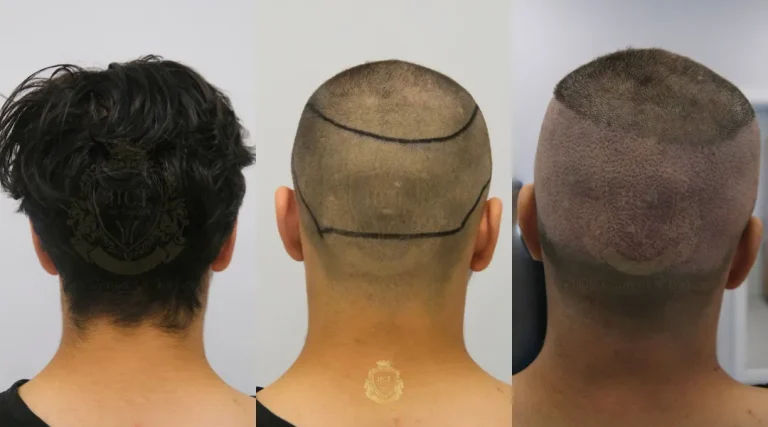
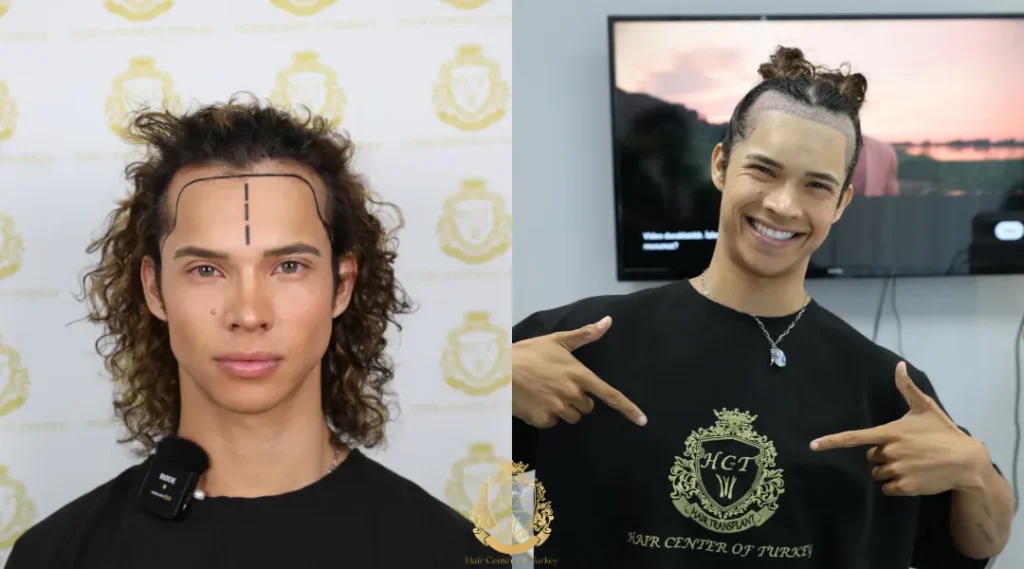
A partially shaven hair transplant involves shaving only a small, specific section of the donor area. This shaved patch, often created as a rectangular “window,” is easily concealed by the surrounding longer hair. The recipient area, where the grafts will be placed, may or may not be shaved, depending on the existing hair density. This technique is ideal for patients who need a lower number of grafts, typically up to 2,000-2,500, and who want to return to their daily activities without obvious signs of a procedure.
At the far end of the spectrum is the completely unshaven hair transplant (U-FUE). In this highly specialized procedure, neither the donor nor the recipient area is shaved. The surgeon carefully extracts and implants individual follicular units one by one, working around the existing long hairs.
This method offers the highest level of discretion but is also the most technically demanding and time-consuming. It is generally reserved for patients requiring a very small number of grafts, usually under 1,500, to address minor receding or increase density in a specific spot.
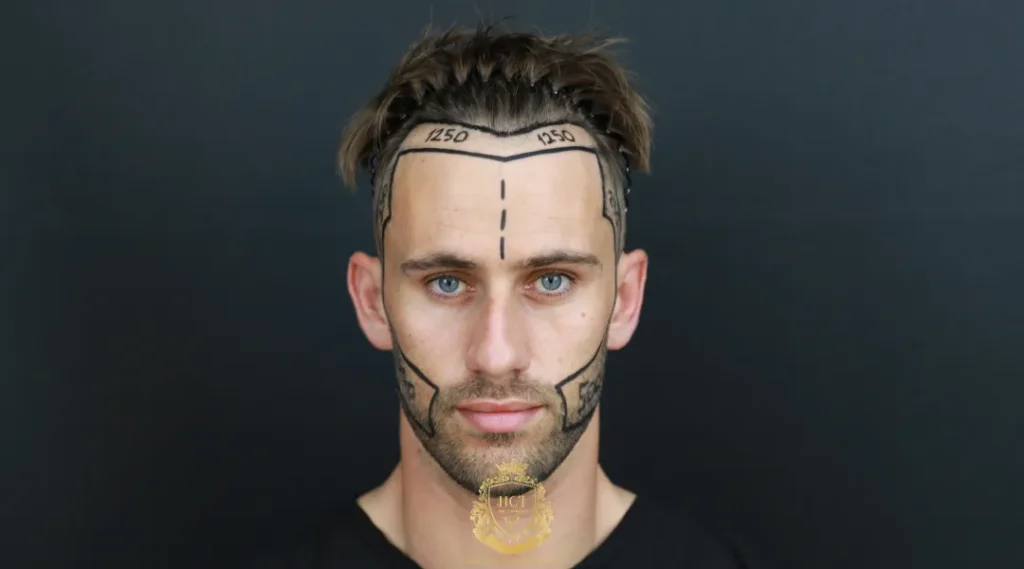
Who Is a Suitable Candidate for a Partially Shaven Hair Transplant?
Determining if a partially shaven hair transplant is the most suitable hair transplant option depends on several interconnected factors. A thorough evaluation by a qualified specialist is essential, but understanding the key criteria can help you set realistic expectations. This method is not universally applicable and is best suited for a specific patient profile.
Stage of Hair Loss and Graft Requirement
The most critical factor is the extent of your hair loss, often measured using the Norwood scale for male pattern baldness. A partially shaven approach is most effective for individuals in the earlier stages, typically between Norwood 2 and Norwood 4. In these stages, hair loss is concentrated in the temples, hairline, or a smaller crown area.
This limitation is directly tied to the number of grafts required. The “hidden window” shaved in the donor area can only yield a finite number of healthy follicles, usually capping at around 2,800 grafts. If your restoration plan requires more than this to achieve the desired density, a fully shaven procedure becomes a more practical and effective option. Attempting to extract too many grafts from a small, unshaven area can risk over-harvesting and damaging the donor zone.
Hair Characteristics and Length
Your natural hair characteristics play a significant role. This procedure is almost exclusively suitable for patients with long hair.
The surrounding hair must be long enough to completely cover the small shaved patch in the donor area immediately after the procedure. A length of at least 6-7 centimeters (about 2.5 inches) is generally recommended.
Hair type also matters. Individuals with thick, dense, and slightly wavy hair often make the best candidates. This hair texture provides better coverage of the shaved donor patch and can help conceal the short, newly implanted grafts in the recipient area as they begin to grow. Fine or very straight hair may not offer sufficient camouflage, potentially making the procedure more noticeable during the initial healing phase.
The Procedure: A Step-by-Step Look
The partially shaven hair transplant process is meticulous and requires a high degree of precision from the surgical team. While it shares foundational principles with standard FUE (Follicular Unit Extraction), the execution is adapted to work with and around existing long hair.
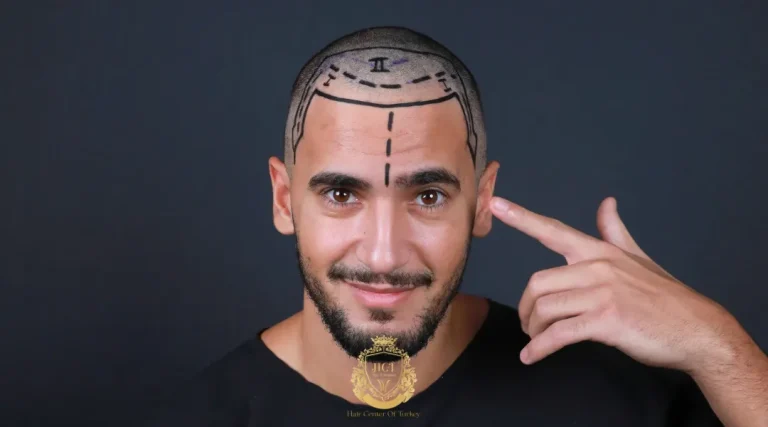
Consultation and Donor Area Design: The process begins with a detailed consultation. The surgeon assesses your hair loss pattern and determines the required number of grafts. A small, rectangular or linear “window” is then planned in the dense donor region at the back of the head. This area will be carefully shaved.
Anesthesia and Extraction: Local anesthesia is administered to numb the donor area. The surgeon then uses a specialized micro-punch tool to extract individual follicular units from the shaved window. This is a delicate process, as the surgeon must work within a confined space without disturbing the surrounding long hair.
Graft Preparation: Once extracted, the follicular units are passed to technicians who inspect them under magnification. They are sorted based on the number of hairs per graft (1s, 2s, 3s, or 4s) and are kept in a special holding solution to ensure their viability.
Implantation: The recipient area is also anesthetized. The surgeon creates tiny incisions (channels) that match the angle, direction, and density of the natural hair growth pattern. The prepared grafts are then carefully placed into these channels. For patients with existing hair in the recipient zone, this step requires extreme care to avoid damaging native hair follicles. Techniques like DHI (Direct Hair Implantation), using a Choi pen, are often favored as they allow for more precise placement between existing hairs.
Shaven vs. Unshaven Hair Transplant: A Direct Comparison
Choosing the right approach involves weighing the pros and cons of each method against your personal priorities. The primary trade-off is typically between discretion and the scale of the procedure.
Feature | Fully Shaven Hair Transplant | Partially Shaven / Unshaven Hair Transplant |
|---|---|---|
Discretion | Low. The procedure is obvious for several weeks. | High. Can be concealed by existing long hair. |
Maximum Grafts | High (4,000+ grafts). | Low to Moderate (Up to 2,800 grafts). |
Ideal Candidate | Patients with extensive hair loss (Norwood 4-7). | Patients with mild to moderate hair loss (Norwood 2-4). |
Procedure Duration | Shorter. Typically 6-8 hours for a large session. | Longer. Can take 8-10 hours due to increased complexity. |
Standard pricing. | Generally 15-30% more expensive due to labor intensity. | |
Surgical Difficulty | Lower. Better visibility and access for the team. | Higher. Requires specialized skills and precision. |
Post-Op Care | Simpler. Easy to clean and monitor the entire scalp. | More complex. Requires careful washing to avoid disturbing long hair. |
Why Choose Turkey for Your Hair Transplant?
In recent years, Turkey has solidified its position as a global hub for hair restoration procedures. This reputation is built on a combination of factors that create a compelling value proposition for international patients, particularly those from the US. The decision to travel for a medical procedure is significant, and understanding the distinct advantages Turkey offers is key.
Cost-Effectiveness Without Compromising Quality
The most prominent advantage is the significant cost difference. A hair transplant procedure in Turkey can cost between 70% and 80% less than the equivalent procedure in the United States. This is not due to a lower standard of care but is a result of the country’s lower cost of living, operational expenses, and favorable currency exchange rates. Patients can access world-class treatments without the prohibitive price tag found at home.
Advanced Technology and Experienced Surgeons
Turkish clinics are known for their early adoption of the latest technologies and techniques in the field. Methods like Sapphire FUE, which uses sapphire blades for finer incisions, and DHI with the Choi implanter pen are standard practice. The sheer volume of procedures gives Turkish surgeons an unparalleled level of experience. This high level of specialization, especially in complex procedures like the unshaven hair transplant, translates into refined skills and consistently successful outcomes.
All-Inclusive Packages for International Patients
Clinics in Turkey have perfected the medical tourism experience. They typically offer all-inclusive packages that remove the logistical stress for international patients. These packages usually cover:
The hair transplant procedure itself
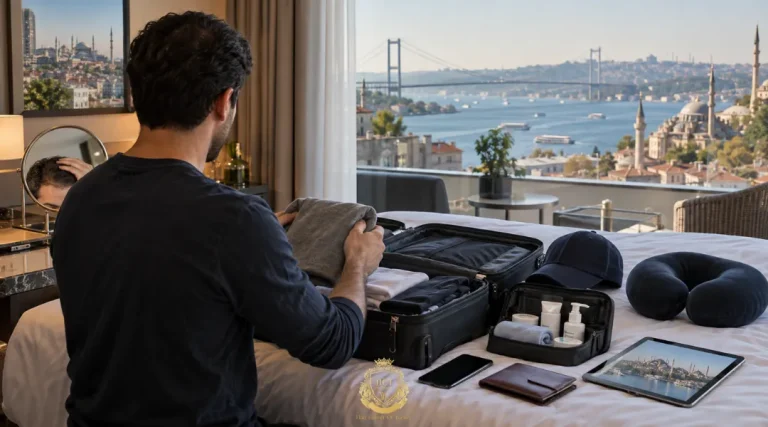
Luxury hotel accommodations for several nights
All airport, hotel, and clinic transfers with a private driver
An interpreter to facilitate communication
Post-operative medications and care products
This comprehensive approach allows patients to focus solely on their procedure and recovery.
Hair Center of Turkey: Expertise in Unshaven Techniques
When considering a specialized procedure like a partially shaven hair transplant, the clinic’s experience is paramount. Hair Center of Turkey has established a strong reputation for its proficiency in these technically demanding methods. Their surgical teams possess the specific skills required to perform unshaven procedures with the precision necessary for optimal results.
The clinic’s success in this area is built on a foundation of meticulous planning and execution. They understand the nuances of working within the constraints of existing long hair, ensuring that both the donor and recipient areas are handled with care to protect native follicles. By utilizing advanced DHI techniques, their specialists can implant grafts with precise control over depth and angle, which is critical for achieving a natural-looking result when working between existing hairs. Patients seeking a discreet restoration find that Hair Center of Turkey provides a reliable and expert-driven solution.
Frequently Asked Questions
How Long Does a Partially Shaven Hair Transplant Take?
A partially shaven or unshaven hair transplant is more labor-intensive than a fully shaven one. Due to the precision required to work around existing hair, a shaven hair transplant procedure typically takes longer. Sessions often last between 8 and 10 hours. The exact time depends on the complexity and the number of grafts being transplanted.
Is the Recovery Faster for an Unshaven Procedure?
The physiological healing time is the same, but the social recovery is much faster. Because the surgical areas are concealed by your long hair, you can often return to work and social activities within a few days without anyone noticing. However, you must still follow all post-operative care instructions carefully.
Can I Get a Large Number of Grafts with an Unshaven Transplant?
No, the unshaven technique is not suitable for large-scale restorations. The maximum number of grafts that can be safely and effectively extracted in a single session is typically around 2,800. If you require more grafts to cover extensive baldness, a fully u0026lt;codeu0026gt;shaven hair transplantu0026lt;/codeu0026gt; is the recommended approach.
What Is the Main Disadvantage of a Partially Shaven Transplant?
The primary disadvantages are the limitation on the number of grafts, the higher cost compared to a standard FUE procedure, and the increased duration of the surgery. It is a specialized technique best reserved for candidates who fit the specific criteria of having long hair and requiring a moderate number of grafts.
Explore the complete guide: Hair Transplant Types