


Most people who start researching a hair transplant quickly run into the same question. Is there a right month to book it? Some swear by winter. Others insist spring is safer. The truth is a bit less dramatic, and honestly, a bit more interesting.
Why Timing Feels Like Such a Big Decision
People planning a transplant often look for a perfect window because the decision itself is emotional. You’re booking something that will shape how you look for years. So it’s natural to want every variable aligned. But seasons play a smaller role than forums suggest. What truly shapes the outcome is surgical planning, donor area quality, and aftercare discipline.
Table of Contents
Still, timing isn’t irrelevant. It influences comfort, scheduling, and travel logistics, especially for international patients flying to Istanbul for a structured treatment journey.
Weather Matters Less Than People Think
Grafts don’t really care about the month on the calendar. They care about oxygen, hydration, gentle handling, and a clean scalp environment during the first ten to fourteen days. Indoor climate matters far more than the sky outside.
That said, a handful of seasonal factors do shift the experience:
- Direct sun exposure on the recipient area
- Sweating under a cap in hot weather
- Heavy winter hats pressing against fresh grafts
- Humidity levels during the flight home
- Pool and sea exposure during summer holidays
None of these are dealbreakers. They’re variables to manage, not obstacles.
A Closer Look at Winter Procedures
Winter is quietly popular. Cooler temperatures mean less sweating, which makes the first days more comfortable. Scarves and loose hoods are easier to wear than tight caps. And because people tend to stay indoors, accidental sun exposure drops significantly.
But winter has its own quirks. Heavy hats can press on grafts. Dry indoor heating sometimes irritates the scalp. So patients usually need to moisturize carefully and avoid tight wool caps for the first few weeks after the procedure.
Spring and the Recovery Window
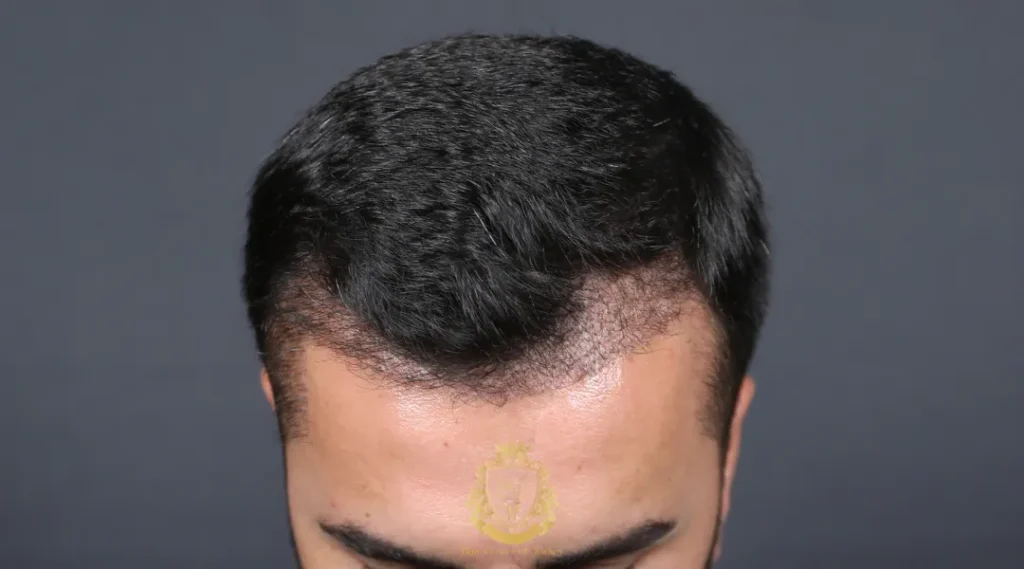
Spring feels balanced. Temperatures are mild. The sun is present but not harsh. Many patients book their procedure in March or April so that visible healing settles before summer travel begins. It’s a quiet sweet spot, really.
In practice, clinics such as Hair Center of Turkey often see a spike in international bookings around this time. Partly because patients want the shedding phase to pass before warmer months bring more social activity and outdoor plans.
Summer Considerations for International Patients
Summer is trickier, though not forbidden. The main concerns are heat, sun, and sweat. Grafts need protection from UV exposure for several weeks, and a sweaty scalp under a cap isn’t ideal during the early healing phase.
For patients traveling to Istanbul in July or August, a structured plan helps. That usually includes:
- Staying in air-conditioned environments during the first week
- Avoiding swimming pools and the sea for about a month
- Using only a loose, breathable hat outdoors
- Drinking enough water to support scalp healing
So summer is workable. It just demands a little more discipline.
Autumn: The Quiet Favorite
Autumn is the season many surgeons secretly prefer. Stable weather. Softer sun. Patients generally feel more comfortable wearing loose beanies once the initial healing passes. It also lines up well with the calendar, because many international patients want visible progress before the new year arrives.
And because the shedding phase typically lasts a few months, an autumn procedure means early regrowth often becomes noticeable by spring.
How Hair Center of Turkey Plans Around the Seasons
Rather than pushing a single best season, the clinic looks at the individual patient first. Donor area quality, graft count, lifestyle, travel flexibility, and even job type all shape the recommendation. A patient working outdoors in summer may get very different advice than someone who works from home.
This is where structured planning quietly pays off. At Hair Center of Turkey, the consultation usually maps out donor capacity, hairline design, and aftercare logistics before any date is set. The season becomes a practical detail, not the headline decision.
Factors That Matter More Than the Calendar
If you’re weighing dates, it helps to shift focus toward things that actually move the needle:
- Technique selection, whether FUE, DHI, Sapphire, or a hybrid approach
- Donor area analysis and realistic graft planning
- Two weeks of quiet, low-stress recovery time
- Ability to avoid direct sun for roughly a month
- Work flexibility during the shedding phase
These factors influence the final result far more than whether you book in February or October.
Final Thoughts
There is no universal right season for a hair transplant. There’s only a right plan for your specific case. Cooler months tend to be slightly easier for recovery, but with proper guidance, any season can work well. What matters is the clinic’s ability to plan carefully, communicate clearly, and support you through the months after the procedure. Clinics like Hair Center of Turkey tend to treat the seasonal question as part of a larger conversation, one where your donor area, daily routine, and travel logistics shape the timing far more than the weather forecast ever could.
FAQ
Is winter really the best time for a hair transplant?
Winter is often more comfortable because of less sweating and lower sun exposure, but it is not objectively the best. A well-planned procedure in any season can deliver equally strong results when aftercare is followed properly.
Can I have a hair transplant in summer if I live abroad?
Yes. Summer procedures are fully possible, especially if you can stay in cool indoor environments for the first week, avoid swimming pools and the sea for around a month, and use a loose breathable hat when outdoors.
How long should I avoid the sun after the procedure?
Direct sun exposure on the recipient area should typically be avoided for about four weeks. After that, a hat or sunscreen is still recommended for several months to protect the healing grafts and scalp.
Does the season affect the success rate of a hair transplant?
The season itself has very little effect on graft survival. Success depends far more on donor area planning, surgical technique, and disciplined aftercare during the first two weeks of recovery.
Which season do most international patients at Hair Center of Turkey choose?
Spring and autumn are usually the busiest windows for international patients, because the weather is mild, travel is comfortable, and early regrowth tends to line up nicely with the following season's social calendar.
Explore the complete guide: Hair Transplant Planning and Candidacy