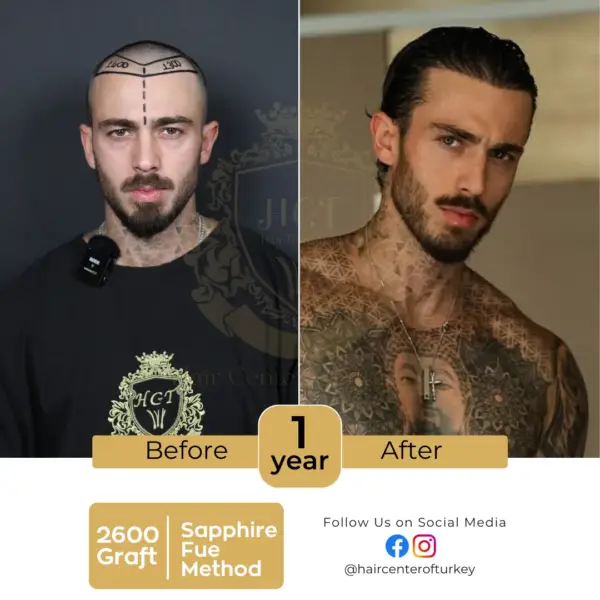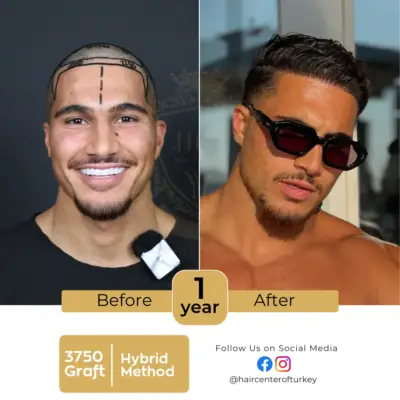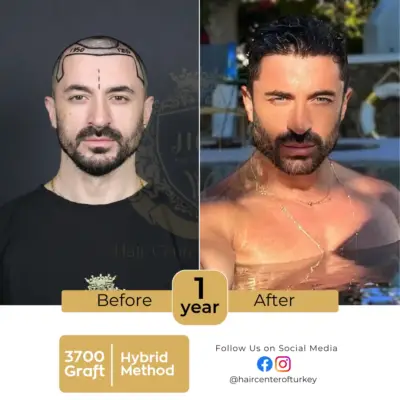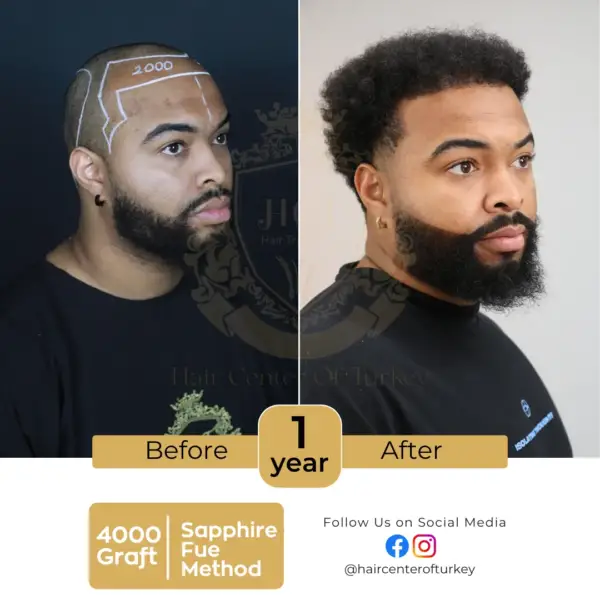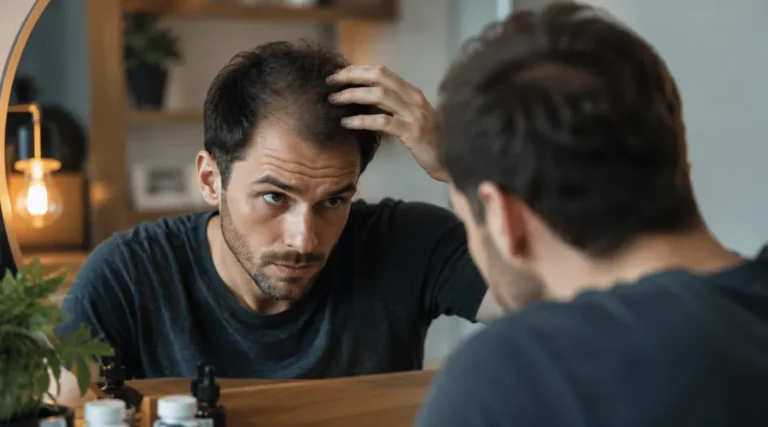


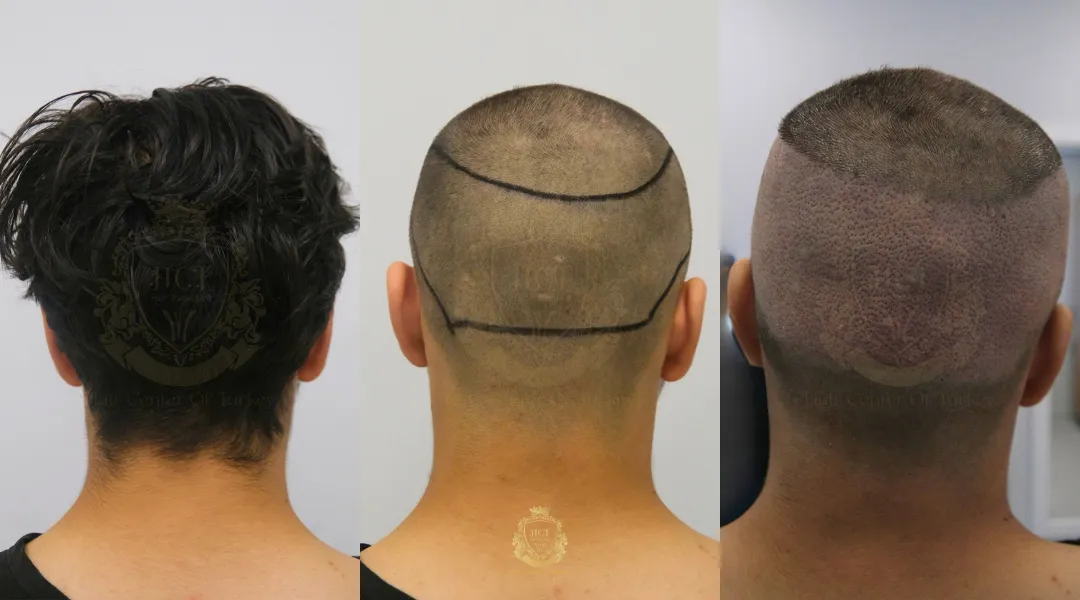
Your donor area is a fixed supply of grafts. Its density, hair quality and scalp health decide whether you qualify and how much coverage is possible.
The hair at the back and sides of your scalp is your only reliable graft source. Follicles taken from it never grow back. That makes donor area health for hair transplants the deciding factor in whether surgery makes sense and how much coverage you can realistically expect. Three points matter most: donor density and hair quality, a healthy scalp and a safe lifetime graft limit.
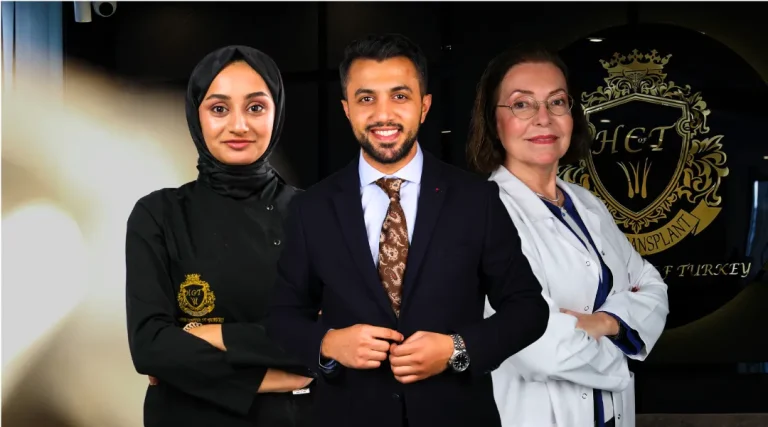
Hair Center of Turkey, founded in 2022, has 5 doctors who perform about 2,500 hair transplant procedures a year. For patients, the value is clear: a pre-transplant donor analysis confirms suitability before any graft number is promised. The clinic has researched the donor area in depth and treats it as one of the most carefully checked parts of the scalp before surgery.
Key Takeaways On Donor Area Health For Hair Transplants
The supply is limited. Extracted follicles are moved permanently and do not regenerate.
It decides candidacy and coverage. It sets whether you can have surgery and how much density is realistic.
Quality counts as much as quantity. One follicular unit holds 1 to 4 hairs, so density, hairs per graft and hair thickness shape the result more than graft count alone.
Analysis comes first. Hair Center of Turkey doctors confirm candidacy with a pre-transplant donor analysis before giving any graft number.
Reserves matter. A responsible plan keeps grafts aside for future hair loss or a possible second session.
What Donor Area Health Means From A Medical Point Of View
The Safe Donor Zone And Donor Dominance
Surgeons harvest mainly from the occipital scalp at the back of the head and the parietal areas above the ears. Doctors call this region the safe donor zone. Hair there tends to persist, even in men with advanced pattern baldness.
Table of Contents
The reason is a principle called donor dominance. Follicles in this zone are genetically less sensitive to DHT, the hormone that gradually shrinks (miniaturizes) follicles on the top of the scalp. Once moved to a thinning area, they generally keep that resistance and continue to grow as they did before.
This only holds for grafts from genuinely stable territory, so doctors map the zone’s edges with care. The boundaries differ from person to person. Hair near the outer edges can still thin with age, which is why grafts taken from there may not last.
What Doctors Look For In A Healthy Donor Area
Density is the starting point. The occipital scalp typically holds about 65 to 85 follicular units per cm². Across individuals and ethnic backgrounds, the normal range is wider, at roughly 60 to 100. Doctors also assess:
Hairs per follicular unit
Hair shaft thickness
The share of miniaturized hairs in the donor zone
Scalp laxity, which matters most for strip (FUT) harvesting
Hair curl and the color contrast between hair and skin
A simple comparison shows why quality counts. Two patients each receive 2,500 grafts. The first averages 2.5 thick hairs per graft, so about 6,250 hairs are moved. The second averages 1.6 fine hairs per graft, which gives around 4,000 hairs and visibly lighter coverage.
Scalp condition is part of donor area health for hair transplants too. Seborrheic dermatitis, psoriasis and folliculitis should be under control before surgery. Alopecia areata, lichen planopilaris, frontal fibrosing alopecia and diffuse unpatterned alopecia (DUPA) need careful assessment first.
Some of these conditions can involve the donor zone itself. In DUPA, for example, the back and sides thin along with the top. The area that normally supplies stable grafts is then no longer stable.
Risks And Exceptions To Keep In Mind
Overharvesting is the most serious donor-side risk. Published safe-extraction limits vary. Some surgeons stay near 20 to 30% of follicles per zone, while cumulative limits of 40 to 50% are also cited.
Going past a patient’s own limit can leave a patchy, “moth-eaten” look at the back of the head. The damage is permanent, because extracted follicles do not regenerate.
Even with careful harvesting, a few other effects are possible:
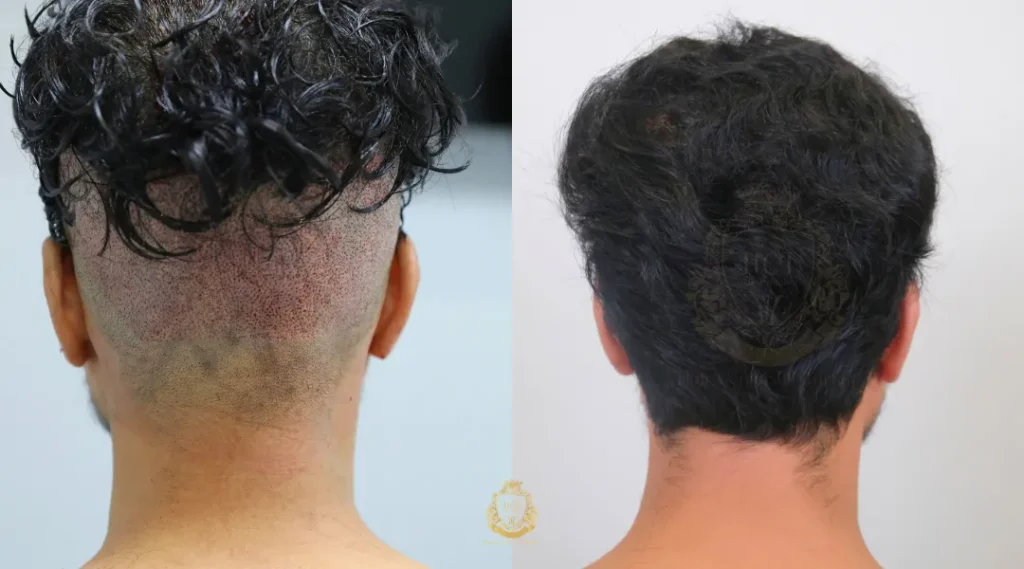
Dot scars: FUE leaves tiny round scars that are usually hidden but can show under very short haircuts or skin fades.
Shock loss: some donor hairs may shed temporarily after surgery, and they generally grow back within about 3 to 4 months.
Folliculitis: small inflamed bumps can appear during healing and usually settle with proper care.
Some people are not suitable candidates at all. DUPA, active scarring alopecia or very low density make the donor area unreliable. In these cases, a responsible clinic may advise against surgery altogether.
Beard and body hair are sometimes used as backup sources when scalp supply is low. Beard hair is coarser and can be useful for adding density. Body hair is finer, has a shorter growth phase and gives less predictable results. Neither option fully replaces scalp donor hair.
How Hair Center Of Turkey Assesses And Protects The Donor Area
Hair Center of Turkey has researched donor area health for hair transplants in depth. Its doctors treat the donor zone as one of the most carefully checked areas before an operation. A transplant can only be as good as the donor supply behind it.
Pre-Transplant Donor Analysis And Candidacy
Every assessment begins with a doctor-led consultation covering your hair loss history, family pattern and scalp complaints. Trichoscopic donor mapping follows. Using a dermoscope, the doctor measures follicular units per cm², hairs per graft, hair thickness and the share of miniaturized hairs across the zone.
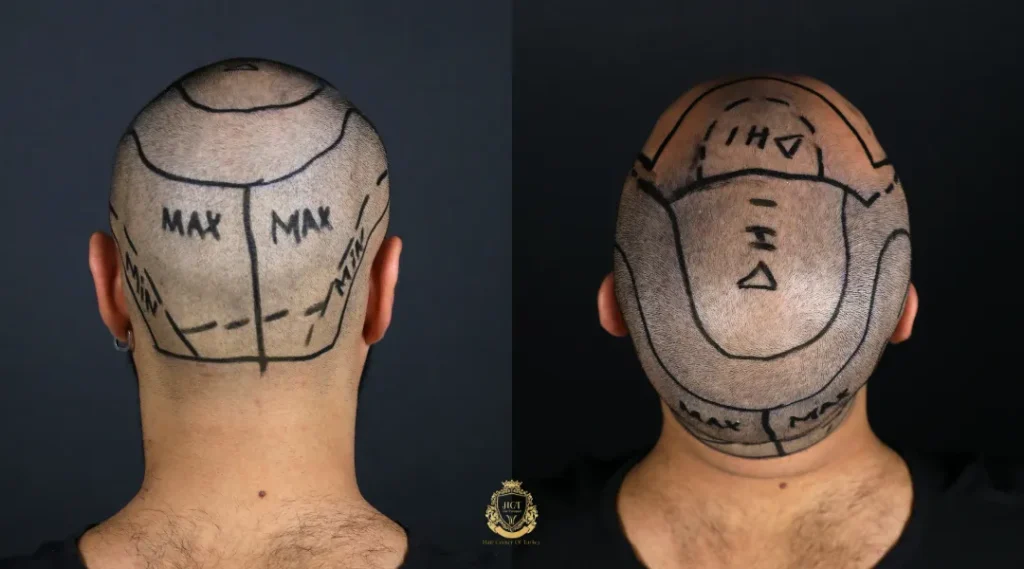
This analysis can reveal DUPA or early donor thinning that a visual check may miss. It also decides whether you are a suitable candidate before any graft number is confirmed. When the findings are borderline, medical treatment followed by a second assessment is often the safer route.
Planning Grafts For Today And The Future
Hair loss often continues after surgery, so the graft plan covers the current session and leaves room for possible future ones. FUE spreads extraction across the zone and leaves small dot scars. FUT removes a strip of scalp and leaves a linear scar, but the surrounding density stays intact.
Scalp laxity, hairstyle and future needs guide that choice. FUE is now the more common route. The ISHRS 2022 Practice Census reported FUE harvesting in 75.4% of male procedures and strip harvesting in 21.3%.
Shaved FUE allows more even spacing and tighter density control. Unshaved FUE is more discreet, but it usually allows fewer grafts per session.
Extraction And Donor Aftercare
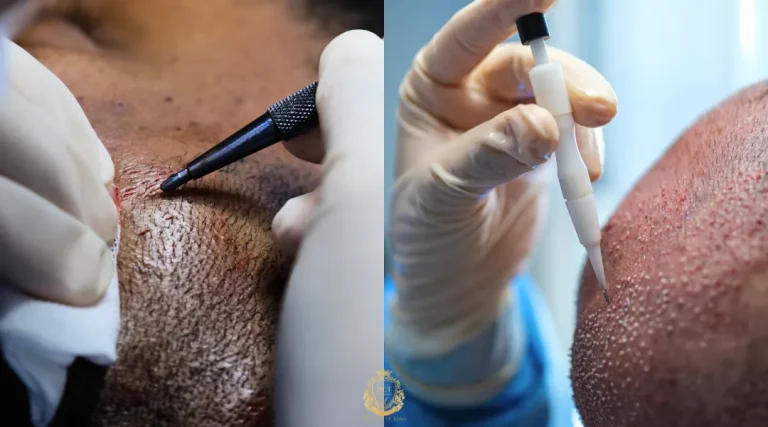
Extraction is spread evenly with small punches, typically 0.7 to 1.0 mm, so no single patch is thinned out. In the same ISHRS census, most surgeons reported using punches between 0.81 and 1.0 mm. The punch sites usually crust over and heal within 7 to 10 days.
Aftercare then protects what remains:
Stop smoking to support healing
Wash the donor area gently, as instructed
Protect the scalp from direct sun
Report itching, redness or bumps early so inflammation can be treated
Choosing A Donor-Focused Clinic For A Hair Transplant In Turkey
Many patients compare clinics on price and graft count. When planning a hair transplant in Turkey, it is more useful to ask how the donor area will be assessed and protected. Three checks help:
Does a doctor, rather than a sales coordinator, carry out the donor analysis?
Is density measured before the graft quote is given?
How many doctors handle the clinic’s procedure volume? Hair Center of Turkey, for example, has 5 doctors for about 2,500 procedures a year.
Be cautious with very high graft quotes based only on photos. They can deplete the donor area, whereas a plan built on real measurements keeps grafts in reserve. At the consultation, mention your usual haircut length. Ask about donor healing time and the chance of a second session later.
Good donor area health for hair transplants protects your future options as much as your first result. Before agreeing to any graft number, a proper donor analysis is a sensible first step. The Hair Center of Turkey team can explain what your donor area can realistically support.
Frequently Asked Questions
How do I know if my donor area is healthy enough for a hair transplant?
A doctor uses trichoscopy to measure density, hairs per graft, hair thickness and miniaturization, and checks the scalp for disease. At Hair Center of Turkey, this assessment of donor area health for hair transplants is completed before any graft number is confirmed.
Does the donor area grow back after hair is extracted?
No. Extracted follicles are moved permanently and do not regenerate. The small FUE wounds usually heal within 7 to 10 days, and temporary shock loss typically grows back within 3 to 4 months. What looks like regrowth is the remaining hair growing out and covering the gaps.
Will the back of my head look thin or scarred with a short haircut?
It shouldnt look thin if grafts are taken evenly and within the safe limit for your density. FUE leaves tiny dot scars that may show under a very short skin fade, so mention your usual haircut at the consultation.
Can I have a second hair transplant later?
Often yes, if the first session left enough grafts in reserve. That is why a good graft plan allows for future hair loss, not just today bald area. Doctors usually wait until the first result has matured, often around 12 months, before planning another session.
Can I still have a hair transplant if I have dandruff, psoriasis or diffuse thinning?
Well-controlled dandruff (seborrheic dermatitis) or psoriasis doesnt usually rule out surgery, though flare-ups should be treated first. Diffuse unpatterned alopecia or active scarring alopecia can make the donor area unreliable. In these cases, a responsible clinic will advise against surgery.