

What Is Hereditary-Patterned Baldness?
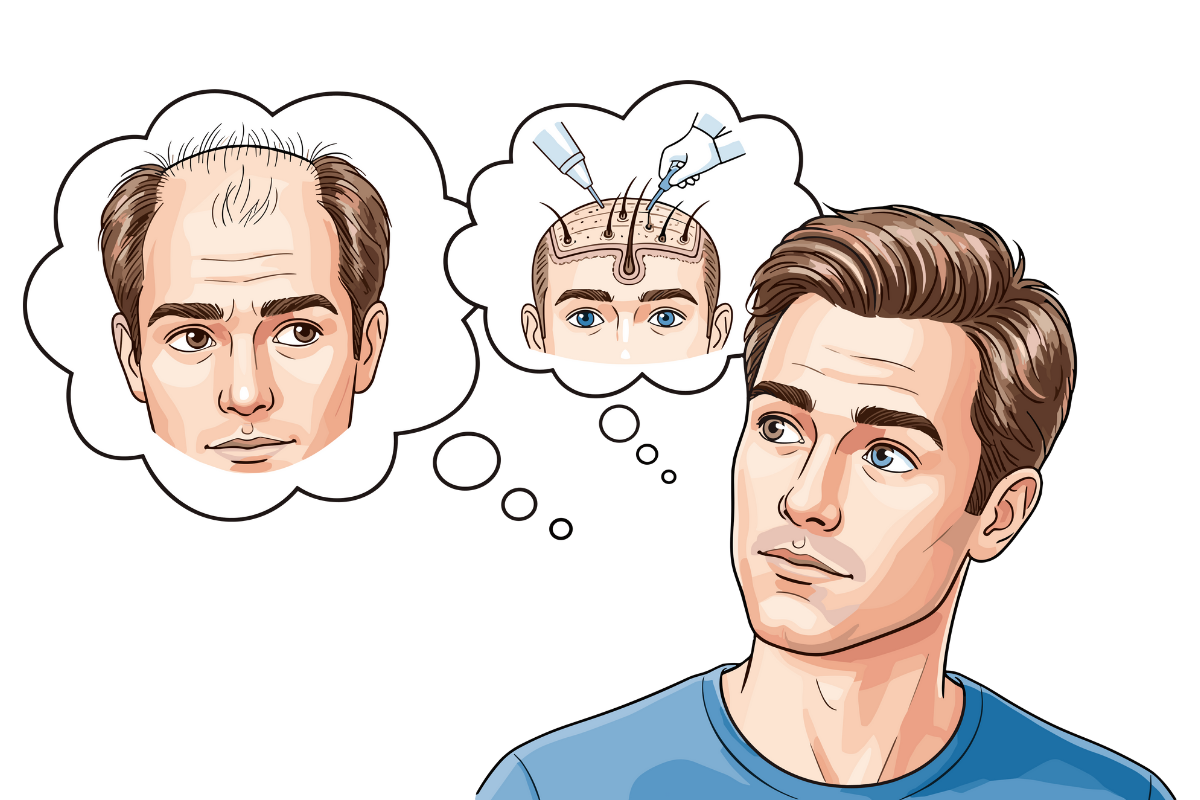
Hereditary-patterned baldness is a genetic condition that causes gradual hair thinning and, over time, visible hair loss. The follicles shrink (miniaturize) in response to hormonal signals, most notably dihydrotestosterone (DHT), which shortens the hair growth cycle.
Table of Contents
This type of hair loss follows a predictable pattern on the scalp. Men often notice a receding hairline and thinning at the crown, while women tend to see widening of the part line and overall thinning across the top of the scalp.
Left untreated, it usually progresses. Understanding the pattern and triggers makes it easier to choose a realistic plan to protect existing hair and support regrowth where possible.
Causes Of Hereditary Hair Loss
Hereditary hair loss is mainly caused by genetics and hormone sensitivity. In androgenetic alopecia, hair follicles are genetically predisposed to react more strongly to DHT, a testosterone by‑product.
Family history from either parent can increase the likelihood of patterned hair loss. Age also plays a role, and hormonal shifts can accelerate changes—especially in men.
In women, thinning may become more noticeable around menopause or during other hormonal transitions. Lifestyle factors do not “cause” genetic baldness, but high stress, crash dieting, and nutrient gaps can worsen shedding and make thinning appear faster.
Male Vs. Female Pattern Baldness: What’s The Difference?
Male pattern baldness typically starts at the temples or crown. Over time, these areas expand, and some men develop more obvious bald patches.
Female pattern hair loss usually looks different. Many women keep their frontal hairline but notice gradual, diffuse thinning on the top of the scalp, often with a widening center part.
Because the patterns differ, diagnosis and treatment choices often differ as well. A plan that works for a man may not be suitable for a woman—especially when medications affect hormones.
At What Age Does Genetic Baldness Start?
Genetic hair loss can begin in the late teens or early twenties, although many people notice it more clearly in their twenties or thirties. The timing and severity vary widely, even within the same family.
Men often experience earlier and faster progression than women. Women may not notice significant thinning until later adulthood, including around menopause.
If you’re seeing early signs, getting evaluated sooner matters. The earlier follicle miniaturization is addressed, the more options you typically have.
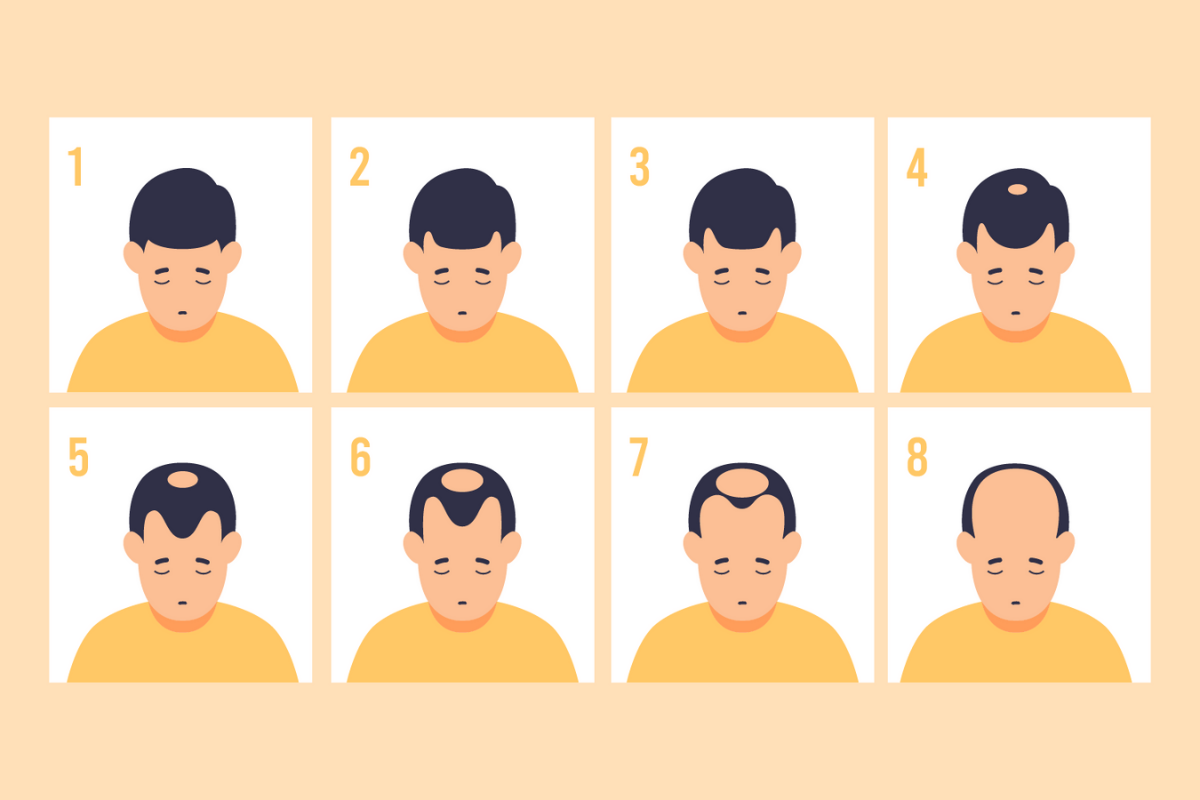
Signs And Stages Of Hereditary Hair Loss
Early signs include gradual thinning at the temples, crown, or along the part. For men, a receding hairline or a thinning crown is common. For women, thinning is often more diffuse, with a part that slowly becomes wider.
As the condition progresses, scalp visibility increases and density drops. Clinicians often use the Norwood scale to describe male pattern hair loss and the Ludwig scale for female pattern thinning.
An increase in shedding while brushing or washing can happen, but shedding alone doesn’t confirm genetic baldness. Pattern, density changes, and miniaturization are more reliable clues.
How Is Hereditary Baldness Diagnosed?
Diagnosis usually starts with a medical history and scalp examination. A dermatologist looks at the pattern, density, and signs of miniaturization, and will also rule out common look‑alikes.
Trichoscopy (a close-up scalp exam) can help assess follicle diameter changes and scalp health. Blood tests may be recommended to exclude thyroid issues, iron deficiency, or other nutritional problems that can mimic patterned loss.
In unclear cases, a biopsy may be used, but it is not routine. A clear diagnosis helps set realistic expectations and avoids wasting time on the wrong approach.
Can Hereditary Baldness Be Prevented?
Because genetics drive the condition, it can’t be fully prevented. What you can often do is slow progression and delay noticeable thinning.
Starting treatment early can make a meaningful difference. Evidence-based options—such as minoxidil and, for appropriate candidates, finasteride—can reduce the impact of DHT on susceptible follicles.
Supportive habits also matter. Good sleep, balanced nutrition, and stress management won’t change your genes, but they can reduce extra shedding and support healthier hair quality.
Effective Treatments For Hereditary-Patterned Baldness
Treatment is usually most successful when it’s consistent and personalized to the pattern, age, and stage of hair loss. Many people benefit from combining medical therapy with supportive in‑clinic treatments.
Common options include topical or oral medications, platelet‑rich plasma (PRP), and low‑level laser therapy (LLLT). In appropriate candidates, hair transplantation can restore density in areas where follicles are no longer producing strong hairs.
If you’re unsure where to start, begin with a diagnosis. Choosing a plan based on your pattern and scalp health tends to produce more predictable results than trying random products.
Medications For Genetic Hair Loss: Minoxidil, Finasteride, And More
Minoxidil is a topical treatment used to support regrowth and slow thinning. It requires steady use, and results are gradual—many people need several months before changes become noticeable.
Finasteride is an oral medication prescribed for many men to reduce DHT levels. It isn’t appropriate for everyone, and side effects are possible, so medical guidance is essential.
For women, minoxidil is commonly used, while hormone-targeted options such as spironolactone or certain oral contraceptives may be considered in selected cases. Any medication plan should be tailored to your medical history, pregnancy plans, and lab findings where relevant.
PRP And Low-Level Laser Therapy
PRP involves concentrating platelets from your blood and injecting them into thinning areas to support follicle function. People often choose PRP when they want an option that complements medication or when they can’t use certain drugs.
LLLT uses red-light wavelengths to support follicle activity and improve circulation in the scalp. It may help some patients, particularly in early to moderate thinning, and is often used alongside other treatments rather than as a standalone solution.
Not every patient responds the same way, which is why follow-up and progress tracking matter. Good clinics adjust protocols based on response rather than applying a one-size-fits-all schedule.

Hair Transplant For Hereditary Baldness: Is It Worth It?
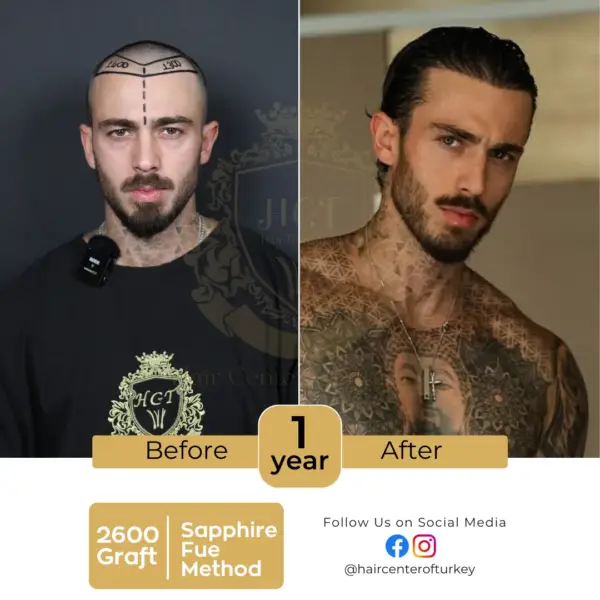
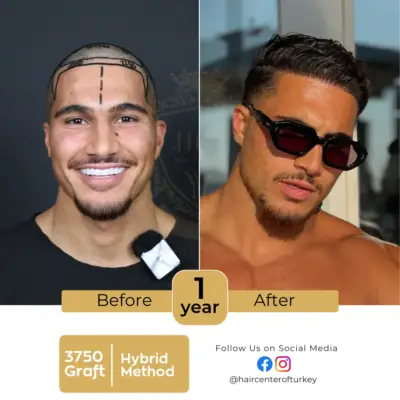
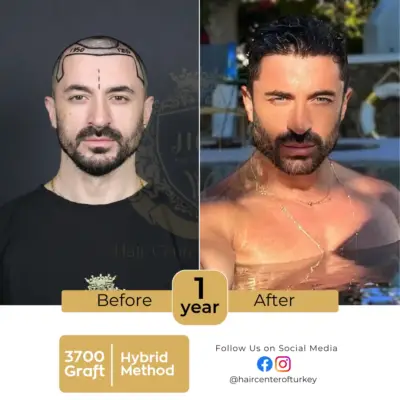
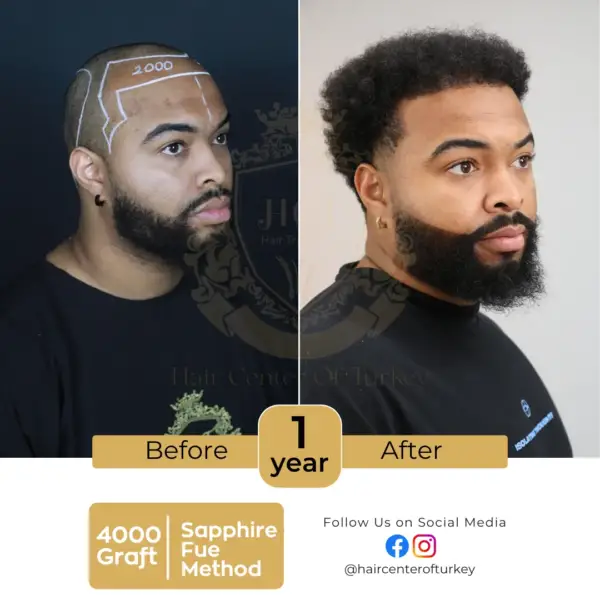
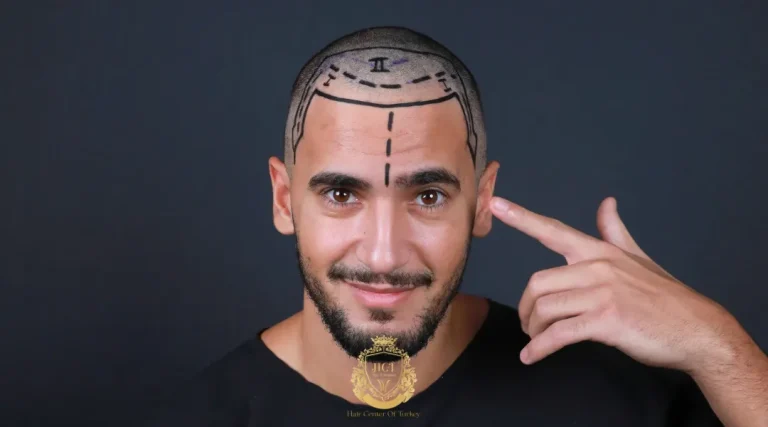
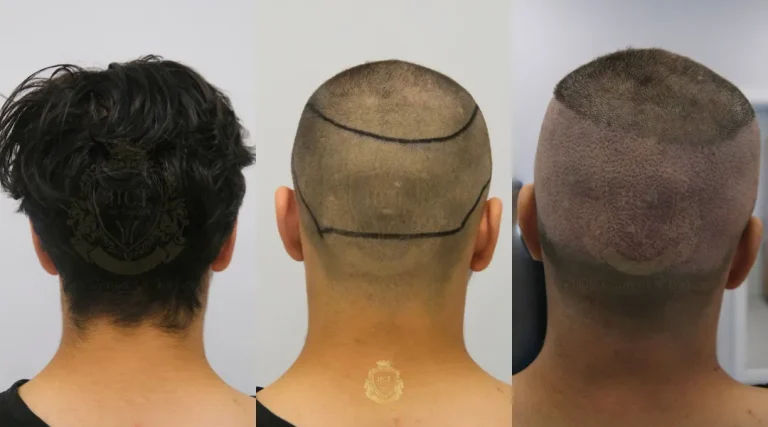
A hair transplant can be a strong option for people with stable patterned loss and a healthy donor area. The goal is to relocate more DHT‑resistant follicles from the back or sides of the scalp into thinning zones.
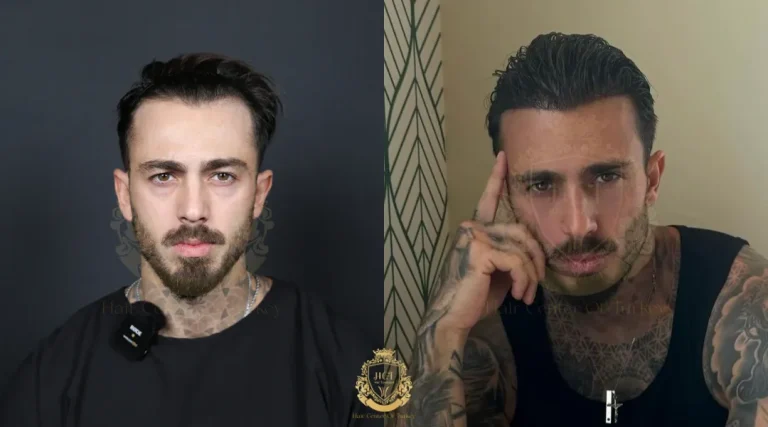
Techniques such as FUE and DHI can produce natural-looking density and hairline design when planned carefully. Surgeon experience and proper graft planning make a noticeable difference to the final look.
It’s also important to plan for the future. Transplanted hair can be long-lasting, but native hair may continue to thin, so many patients combine surgery with medical therapy to protect surrounding areas.
Lifestyle Tips To Slow Down Genetic Hair Loss
Aim for a balanced diet with adequate protein, iron, zinc, and vitamin D, since deficiencies can worsen shedding. If you suspect a deficiency, testing is more useful than guessing with supplements.
Avoid tight hairstyles that pull on the follicles, and be cautious with heat styling and harsh chemical treatments that weaken the hair shaft. Gentle shampooing and regular scalp cleansing support scalp health, even though shampoo alone can’t stop genetic miniaturization.
Stress doesn’t “create” hereditary baldness, but it can trigger extra shedding. Consistent sleep, exercise, and a manageable routine help reduce that added pressure on the hair cycle.
Myths And Facts About Hereditary Baldness
Myth: It only comes from your mother’s side.
Fact: Genetics come from both parents, and multiple genes influence risk.
Myth: Shampooing often causes baldness.
Fact: Washing may reveal shed hairs, but it doesn’t cause follicle miniaturization.
Myth: Wearing hats makes you bald.
Fact: Hats don’t cause hereditary baldness unless they are extremely tight and create traction or irritation.
Understanding what’s true helps reduce anxiety and encourages earlier, more informed care.
Frequently Asked Questions
Will baldness be cured by 2026?
No; no proven cure for baldness exists as of 2026.
What is the new hair loss medication for 2026?
None approved; clascoterone 5% (Breezula) is a leading late-stage candidate.
How do you treat hereditary baldness?
Treat with minoxidil, finasteride (men), antiandrogens (women), and hair transplantation.
Will there be a cure for baldness by 2030?
No; no confirmed cure exists now, and none is guaranteed by 2030.
Is baldness 100% hereditary?
No; genetics strongly influence pattern baldness, but hormones, age, and environment also matter.
Explore the complete guide: Hair Loss Types and Causes