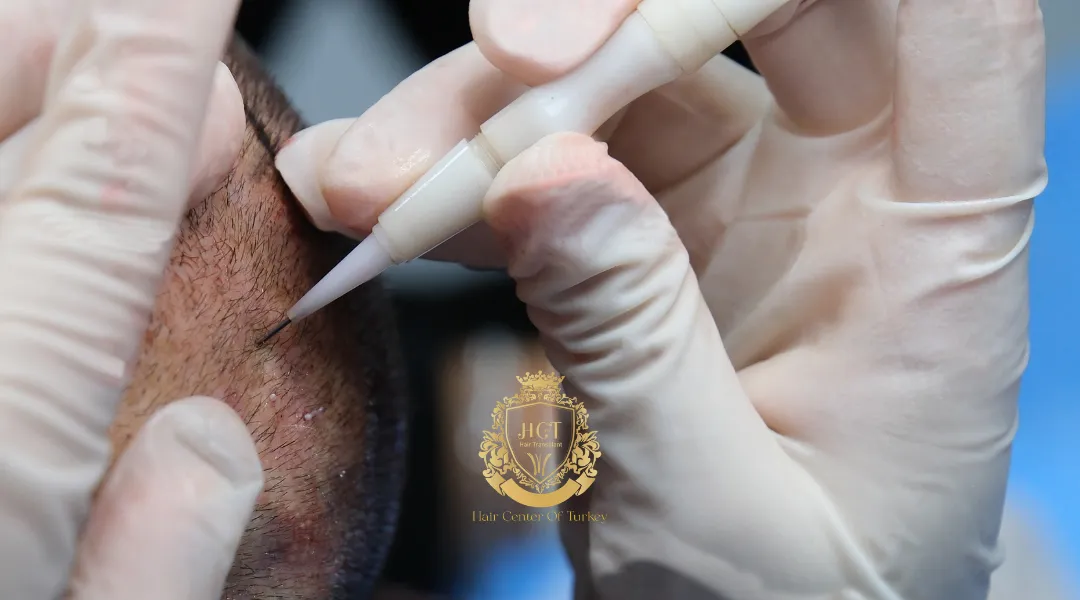
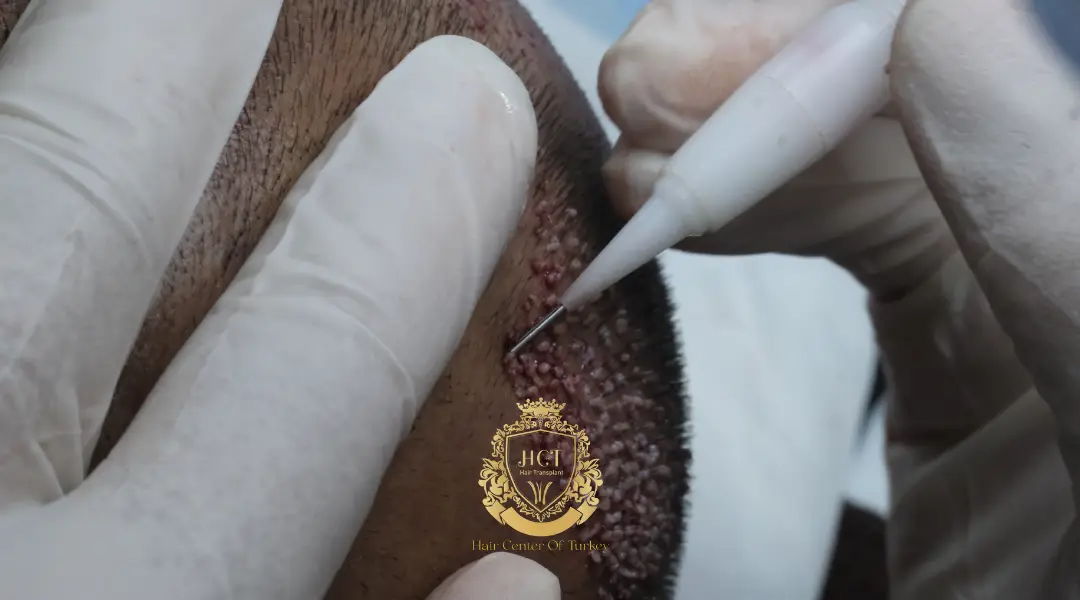
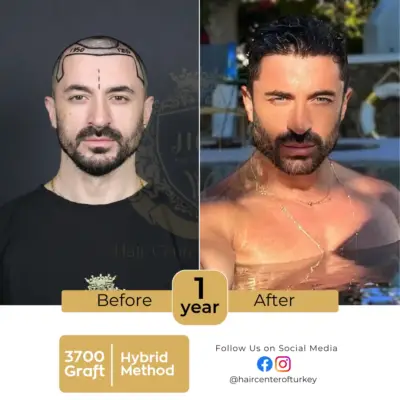
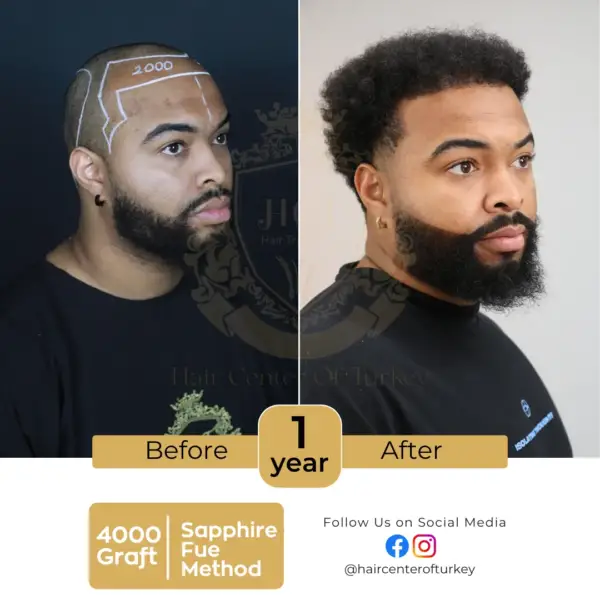
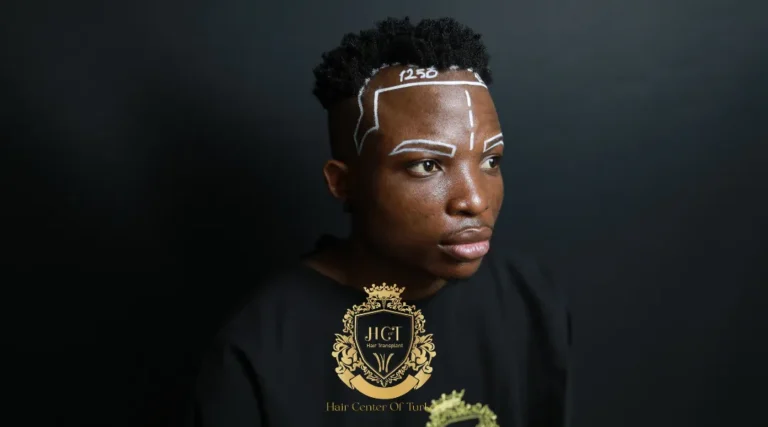
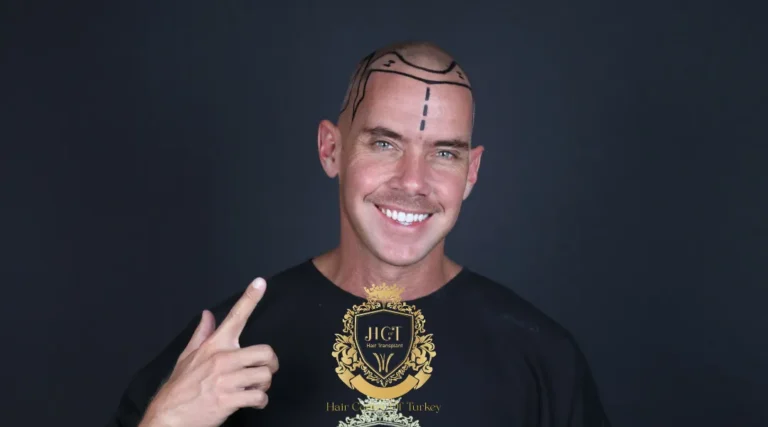
DHIhair transplant is a modern implantation method designed to place hair follicles with high precision and strong control over the final look. Unlike older approaches that rely on opening channels before implantation, DHI typically uses a specialized pen-like implanter tool to insert follicles directly into the scalp. This direct placement helps the medical team control the angle, direction, and depth of each graft, which is essential for creating a natural hairline and consistent density.
One of the key features of the DHI technique is accurate graft placement in targeted areas, especially along the hairline and crown where detail matters most. Because implantation can be done in a controlled, step-by-step way, DHI may support a more uniform distribution of grafts and a softer, more realistic transition at the front.
Table of Contents
DHI Hair Transplant Turkey
DHI hair transplant Turkey is a advanced technique that implants hair follicles directly using a Choi implanter pen for high precision and natural results.
In Turkey, DHI is performed by highly experienced surgeons who specialize in dense packing and detailed hairline design. The method avoids creating channels beforehand, reducing bleeding and speeding up recovery. Turkey is a popular destination for DHI because clinics offer modern technology, skilled medical teams and affordable prices compared to the US and Europe.
What Is DHI Hair Transplant?
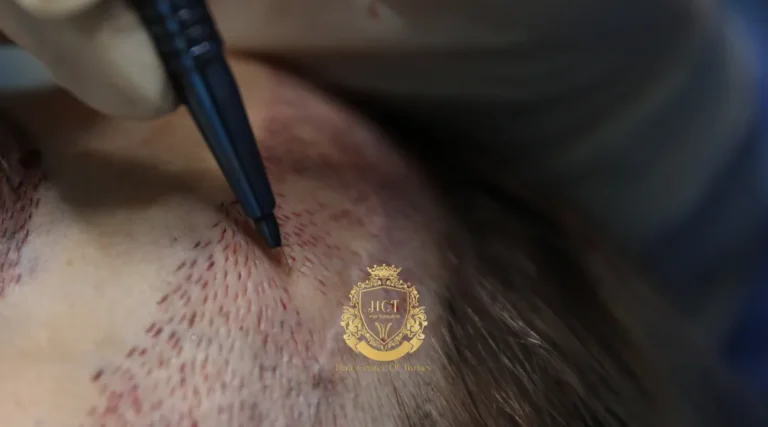
A DHI hair transplant is a method that implants hair follicles directly into the scalp using a Choi implanter pen. In this technique, grafts are extracted individually (similar to FUE) but instead of opening channels beforehand, the Choi pen inserts each follicle at a controlled depth, angle and direction.
This allows for higher precision, denser placement and a more natural-looking hairline. DHI also minimizes scalp trauma, reduces bleeding and offers a faster recovery process. Because each graft is implanted immediately, survival rates are often higher. DHI is ideal for detailed hairline design, eyebrow restoration and patients seeking maximum density with minimal downtime.
What is Choi Pen?
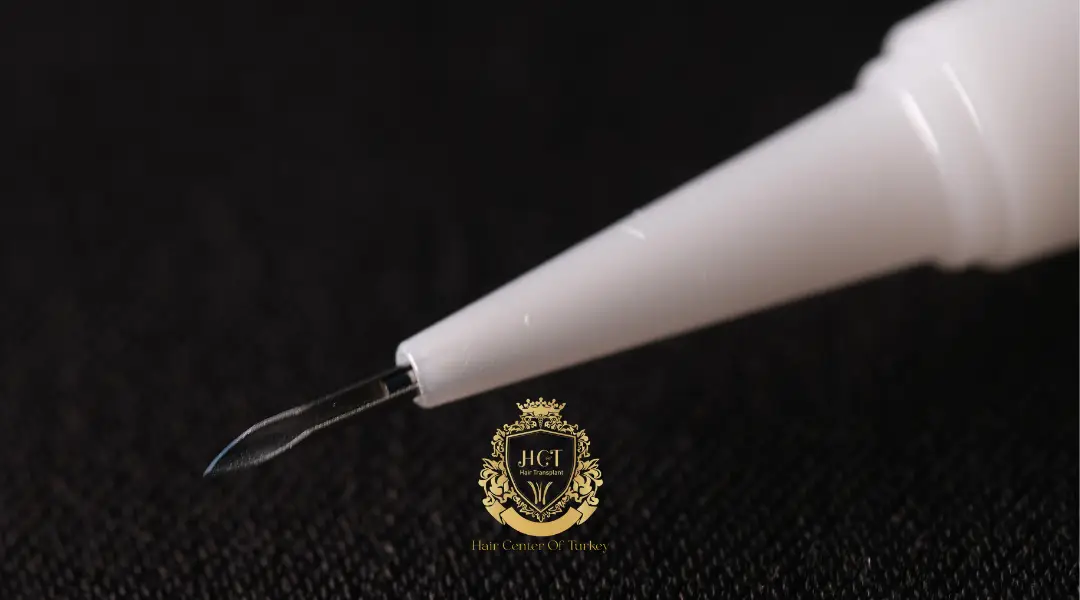
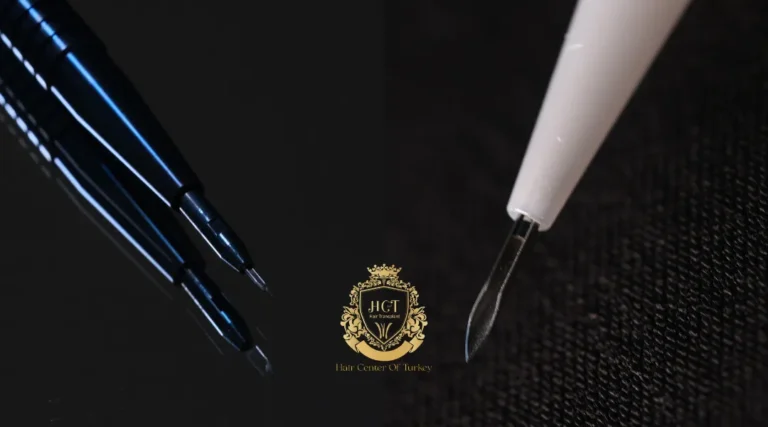
A Choi Pen is a specialized implantation tool used in DHI hair transplant to place grafts with high precision. This pen-shaped device allows surgeons to load a single follicle into its hollow needle and implant it directly into the scalp without creating channels beforehand.
The Choi Pen controls the angle, depth and direction of each graft, helping achieve a natural hairline and dense placement. Because follicles are implanted immediately after extraction, their survival rate increases and the scalp experiences less trauma.
Traveling to Turkey for DHI
If you’re traveling for a DHI hair transplant Turkey, plan for a calm schedule. Even if you feel okay, the first few days are about protecting grafts. Give yourself time for clinic check-ins and avoid packing your trip with long walks, hot environments, or activities that increase sweating. If your package includes hotel and transfers, confirm the number of nights included and whether extra nights cost more, this matters if you want a buffer day before flying.
It also helps to plan your “public” days. Some people prefer to fly home quickly; others stay long enough that early swelling and redness calm down. Neither is right or wrong, what matters is that you follow aftercare instructions closely and keep the scalp clean and protected.
How DHI Hair Transplant Works?
DHI hair transplant works by extracting individual hair follicles and implanting them directly into the scalp using a specialized implanter pen, allowing precise control over angle, depth, and direction. This direct implantation technique helps achieve natural density and faster healing compared to traditional methods.
The DHI Hair Transplant Process:
Graft Extraction: The surgeon extracts healthy hair follicles one by one from the donor area, usually the back of the scalp, using the FUE technique.
Loading the Implanter Pen: Each extracted graft is carefully placed into a Choi implanter pen, designed to insert follicles without pre-opening channels.
Direct Implantation: The surgeon implants the grafts directly into the recipient area in a single step, controlling the angle and density for a natural look.
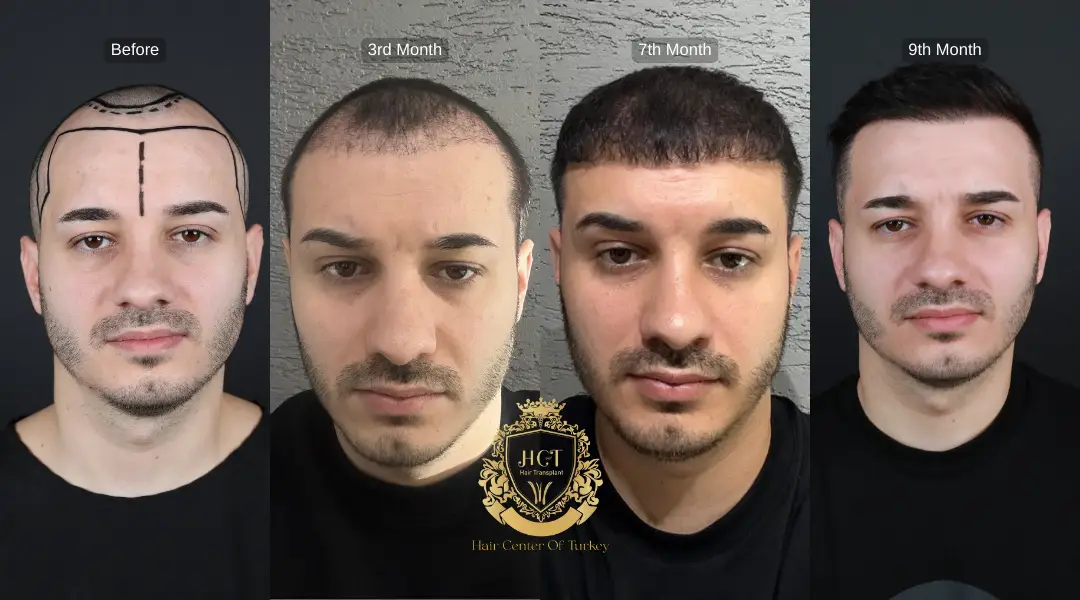
Healing and Growth: Because DHI minimizes tissue trauma, recovery is typically faster, and new hair begins to grow within 3–4 months, with full results visible after 12 months.
What Makes DHI Different From Classic FUE?
In classic FUE workflows, teams often create recipient channels (tiny openings) first, then place grafts into those channels. With DHI, the implantation step is commonly combined: the pen can create the opening and place the graft in a single action. That difference affects the feel of the procedure, how clinics schedule time, and why DHI is sometimes priced as a premium option. It also explains why DHI is not automatically better, it’s a tool and technique that can be excellent when the team is highly skilled and the case benefits from that level of control.
In Turkey, you’ll see DHI offered in many clinics, often with “all-inclusive” packages that bundle the procedure with hotel and transfers. For international patients, that packaging is part of the appeal: fewer moving parts, clearer scheduling, and a structured experience that’s designed for travelers.
Benefits Of DHI Hair Transplant Turkey
DHI hair transplant Turkey offers high precision results, experienced surgeons, and affordable all-inclusive packages, making it one of the most popular choices for hair restoration worldwide. Patients choose Turkey not only for cost advantages but also for advanced medical infrastructure and proven success rates.
High Precision and Natural Results: DHI hair transplant uses a Choi implanter pen, allowing surgeons in Turkey to control angle, direction, and depth during implantation. This ensures a dense and natural-looking hairline.
Affordable Pricing: One of the biggest benefits of DHI hair transplant Turkey is cost-effectiveness. Compared to the US and Europe, prices are significantly lower while maintaining high medical standards.
Experienced Medical Teams: Turkey is a global hub for hair transplant procedures, with many clinics performing thousands of DHI operations each year. This experience increases graft survival rates and patient satisfaction.
All-Inclusive Packages: Most clinics offer comprehensive packages that include hotel accommodation, VIP transfers, medications, and follow-up care. This makes the process convenient for international patients.
Who Is A Good Candidate For DHI?
DHI can be a strong fit if you’re focused on refined placement, especially around the hairline, frontal zone, or areas where direction and angle are critical. It’s also commonly discussed for people who want careful density planning or prefer a workflow that emphasizes controlled implantation. In some cases, clinics may recommend DHI for “no-shave” or limited-shave approaches, though candidacy depends on donor access and surgical practicality.
The best candidates usually have enough donor hair to support the plan and realistic expectations about density. If you’re trying to cover a very large bald area in one session, the clinic may recommend a different approach or a hybrid plan that balances speed and precision. Some clinics position hybrid approaches (combining elements of different workflows) as a way to treat larger areas while still using precise implantation where it matters most
What the Procedure Experience Often Looks Like?
Most DHI trips follow a similar rhythm. You arrive, have an in-person assessment, and confirm the hairline design. This is a critical moment: the best hairlines are not perfectly straight. They have subtle, controlled irregularity and a gradual density transition so the front doesn’t look “pluggy” or too harsh. A good team will discuss an age-appropriate hairline that still looks right if hair loss continues.
On procedure day, the donor area is prepared and grafts are harvested—often with FUE-style extraction. Then the implantation phase begins, commonly using an implanter pen to place each graft with the planned direction and angle. This is where time and skill matter. A careful clinic won’t rush this stage, because naturalness comes from thousands of tiny, correct decisions.
After surgery, you’ll get washing instructions, a schedule for the first gentle wash, and guidance on sleeping position, sun exposure, sweating, and touching the grafts. Many packages support this with an aftercare kit and structured instructions designed for travelers who will be flying home soon.
Recovery Timeline
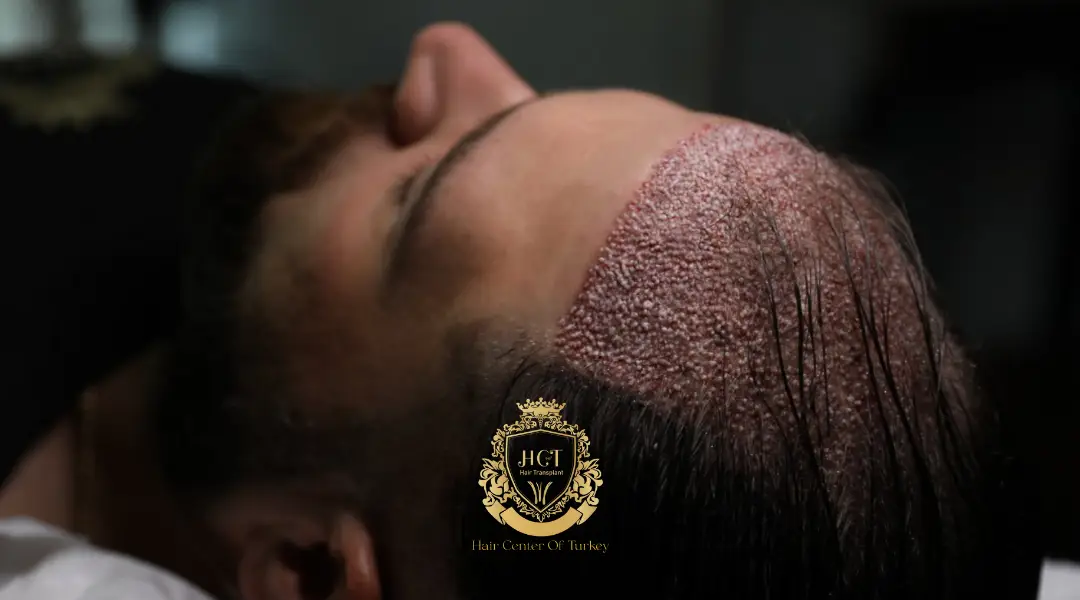
The first days typically involve mild swelling, redness, and small scabs around implanted grafts. Swelling can travel down the forehead in some people and usually settles as the first week passes. You’ll be told to protect grafts from friction and avoid heavy sweating or intense sun while the scalp heals.
A common surprise is shedding. Many transplanted hairs shed in the first weeks. That can feel alarming, but it’s often a normal phase in the growth cycle—follicles remain under the skin while the visible hair shafts fall out, then regrowth begins later. Real change is gradual, with more noticeable growth developing over the following months and the final look refining as texture and density mature.
Advantages Of DHI
The advantages of DHI (Direct Hair Implantation) include precise graft placement, higher density, and faster healing compared to traditional hair transplant techniques. DHI has become a popular choice for patients who want natural-looking and minimally invasive hair restoration.
Key Advantages of DHI Hair Transplant:
High Precision Control: DHI uses a specialized Choi implanter pen that allows surgeons to control the angle, depth, and direction of each hair follicle. This ensures a more natural hairline and balanced density.
No Pre-Opened Channels: Unlike traditional FUE, DHI does not require creating channels before implantation. This reduces tissue trauma and minimizes bleeding during the procedure.
Higher Density Results: Because grafts are implanted directly and closely, DHI can achieve denser outcomes, especially in the hairline and frontal areas.
Faster Recovery: The minimally invasive technique supports quicker healing and less post-procedure discomfort.
Improved Graft Survival: Since grafts are implanted immediately after extraction, they spend less time outside the body, which may increase survival rates.
What Are The Disadvantages Of DHI?
The main disadvantages of DHI are its higher cost, longer procedure time, and technical difficulty.
DHI requires a highly skilled surgeon because each graft must be implanted manually with a Choi pen, which increases operation time and limits the number of grafts that can be done in one session. This makes DHI more expensive than standard FUE. Patients with very curly hair or low donor density may not be ideal candidates because graft loading can be difficult.
Is DHI Permanent?
Yes, DHI hair transplant results are considered permanent because the implanted follicles are genetically resistant to hair loss. Surgeons extract these healthy grafts from the donor area located at the back of your head. Since these specific hairs naturally resist the hormones causing baldness, they survive for a lifetime in new areas.
You may notice some temporary shedding known as shock loss, which is a standard healing phase. However, the roots remain alive beneath the skin and produce fresh, lasting strands within a few months. following proper aftercare instructions will further ensure the longevity and density of your final result.
Risks And Side Effects
The risks and side effects of DHI are usually mild but can occur due to the technique’s precision-based nature. Common short-term effects include redness, swelling, scabbing, and mild pain in both donor and recipient areas. Because DHI uses the Choi implanter pen, some patients may experience temporary folliculitis or irritation at implantation points. Shock loss (temporary shedding of existing hairs) can also occur but typically resolves as new growth begins. Rare risks include infection, uneven density, or unnatural angles if performed by an inexperienced surgeon.
DHI Hair Transplant Turkey Cost 2026
DHI hair transplant Turkey cost in 2026 typically ranges from $2,000 to $5,000 depending on graft count. In Turkey, prices remain lower than in the US or Europe due to reduced medical costs, high patient volume and competitive clinic pricing.
The final cost varies based on graft number, surgeon experience, technology used and whether the clinic offers all-inclusive packages with hotel and transfers. DHI is generally priced higher than standard FUE because it requires the Choi implanter pen and more surgeon precision.
Frequently Asked Questions
Is DHI more successful than FUE?
DHI is not universally more successful than FUE; the better method depends on the patient’s needs and the surgeon’s skill. DHI offers more precise implantation using a Choi pen, which can improve density and hairline detailing. However, FUE is often more efficient for large sessions because it allows faster graft placement and covers bigger areas.
What is the success rate of DHI?
The success rate of DHI hair transplant is typically 90% to 95% when performed by an experienced surgeon. DHI achieves high success because grafts are implanted immediately after extraction, which helps maintain follicle survival.
Is DHI more painful than FUE?
DHI is not more painful than FUE because both procedures use local anesthesia to prevent discomfort. Most patients report similar sensations during both methods, such as mild pressure or slight pinching during anesthesia injections. Once numb, the extraction and implantation steps are generally painless.
How long does DHI take to heal?
DHI typically takes 7 to 14 days to heal enough for the scalp to look normal. Most patients experience mild redness, tiny scabs, and slight sensitivity during the first week. Scabs usually fall off by days 7–10, and the donor area heals even faster. By two weeks, the scalp looks natural, and most people can return to normal activities.
Why is DHI more expensive?
DHI is more expensive because it requires greater precision, more surgeon involvement, and specialized tools. The Choi implanter pen demands meticulous, manual implantation of every graft, increasing the surgeon’s time and workload.
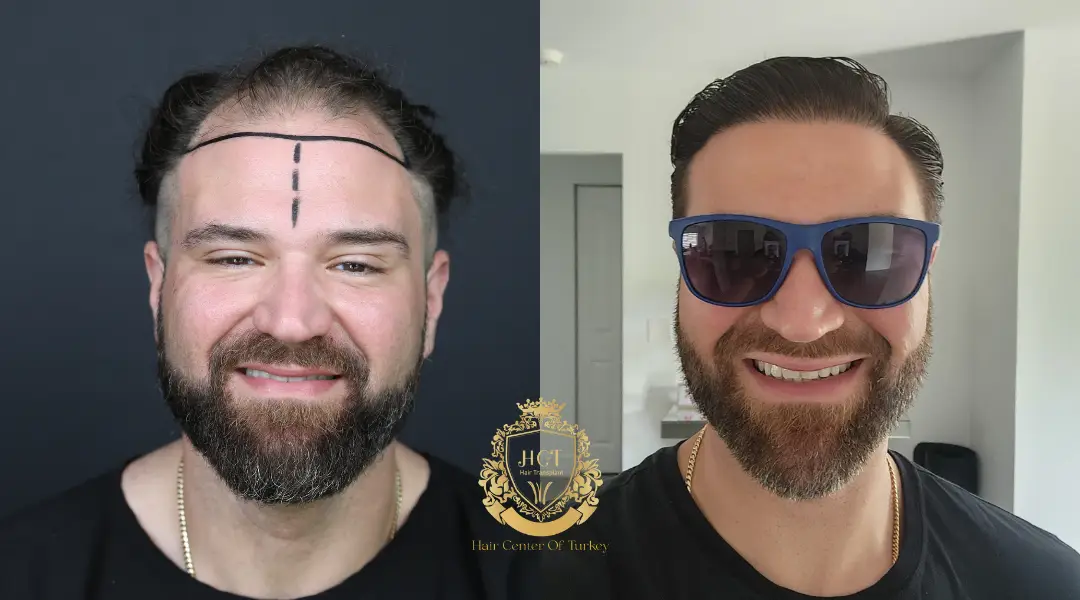
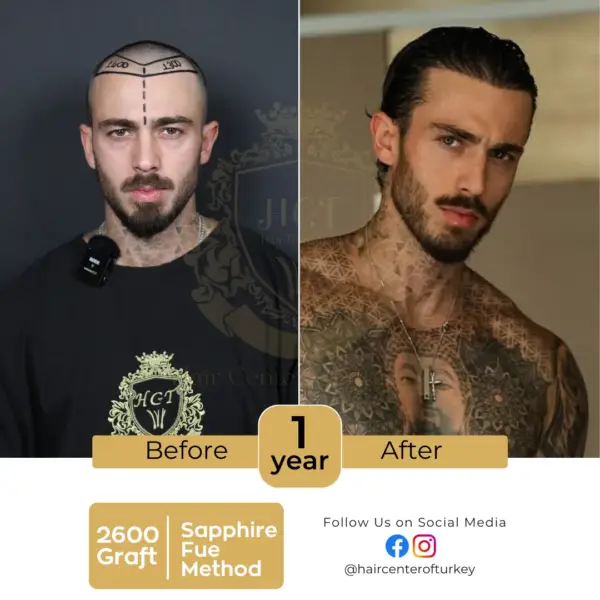
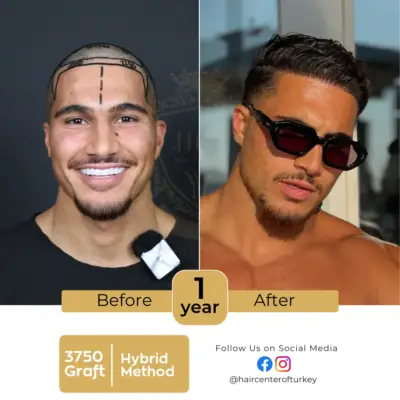
At HCT Hair Transplant, we believe a successful hair transplant starts with a carefully designed hairline. Your facial features, age, natural hair growth and long-term appearance are all considered to create a hairline that is uniquely yours. Our goal is not simply to restore hair, but to deliver a balanced, natural-looking result that enhances your overall appearance.
DESIGN YOUR HAIRLINEStart with a free assessment and receive your personalized hair transplant plan today.
Your HCT Journey
A clear experience from online consultation to Istanbul treatment and follow-up care.
4.9Review Score
1
Online Hair AnalysisPhotos, goals and suitability are reviewed before travel.
2
Istanbul Treatment PlanClinic schedule, hotel transfer and operation day guidance.
3
Growth Follow-upRecovery checks and aftercare support through every stage.
10.000+Hair transplant operations
50+Countries reached by patient care teams
24/7Travel and patient coordination support
4.9/5Average patient satisfaction signal
Our Patient Reviews
Real experiences from international patients who chose Hair Center of Turkey.