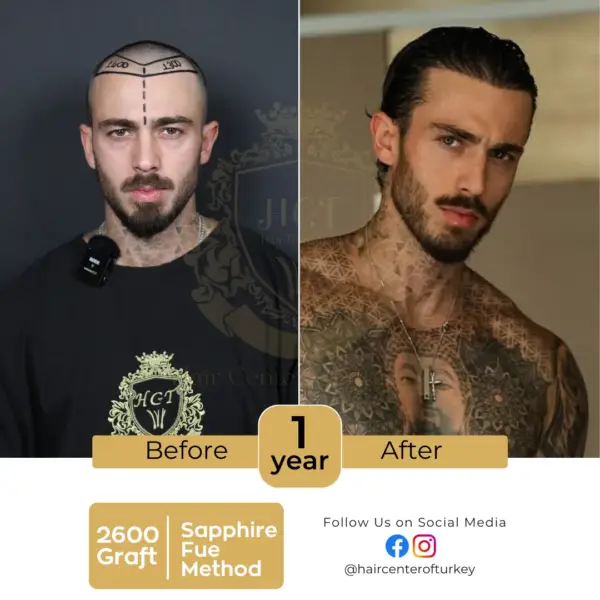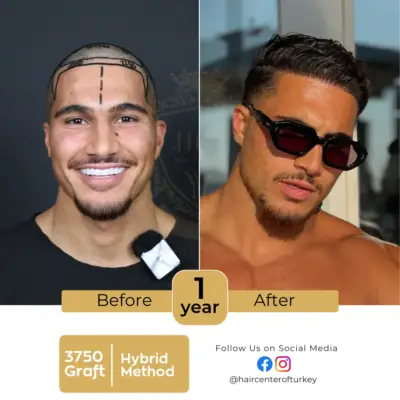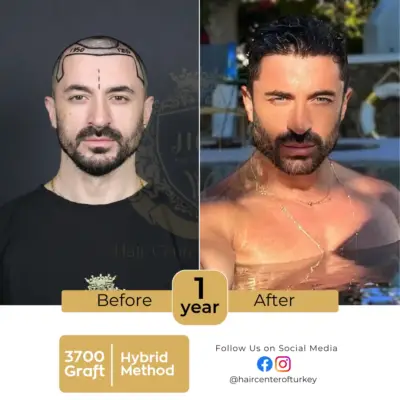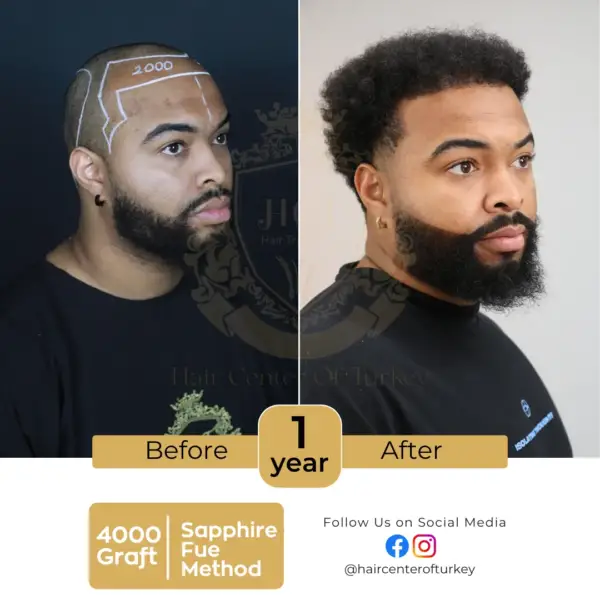


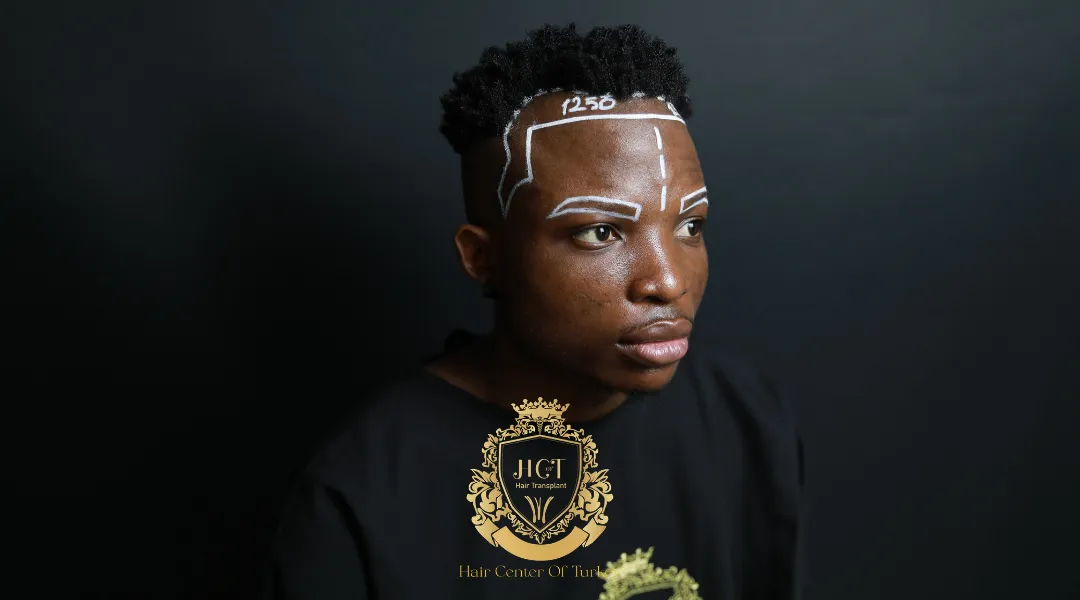
Most patients arrive with a single question on their mind: how many grafts will I get? The more experienced the surgeon, the more they’ll redirect that question. Because with Afro-textured hair, the real conversation starts somewhere else. It starts with the donor.
Curl pattern, follicle geometry, scalp elasticity, and scar-healing tendencies — these shape every decision that follows. Choose the donor area poorly and you risk visible thinning at the back, uneven coverage up top, grafts that never truly settle, and scarring that takes too long to fade. Choose it well, and the result can look effortlessly natural for decades.
Why Afro Hair Needs a Different Donor Strategy
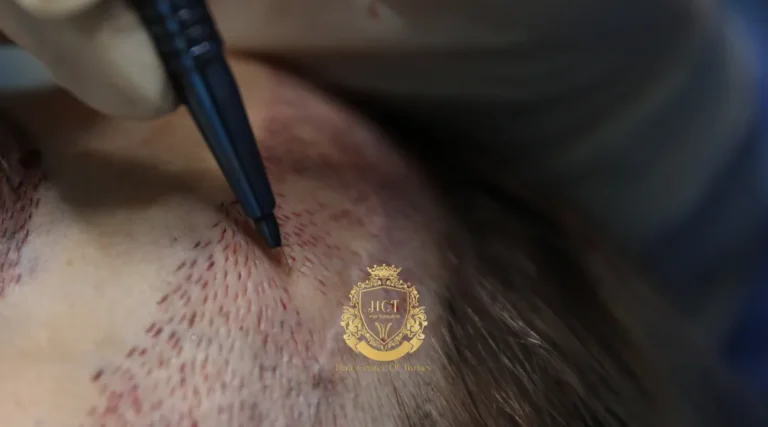
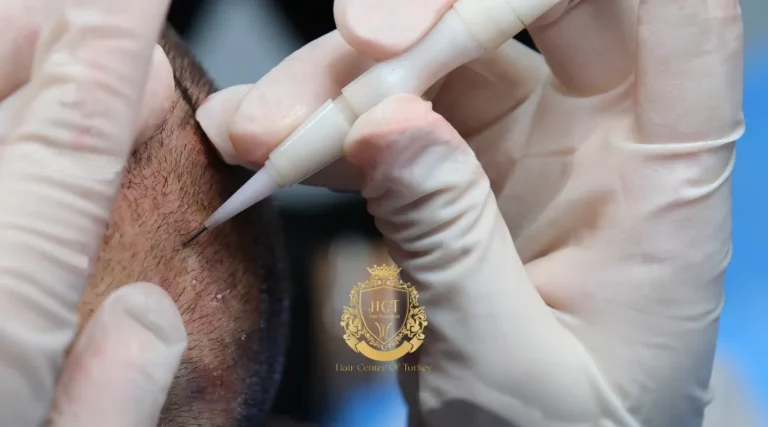
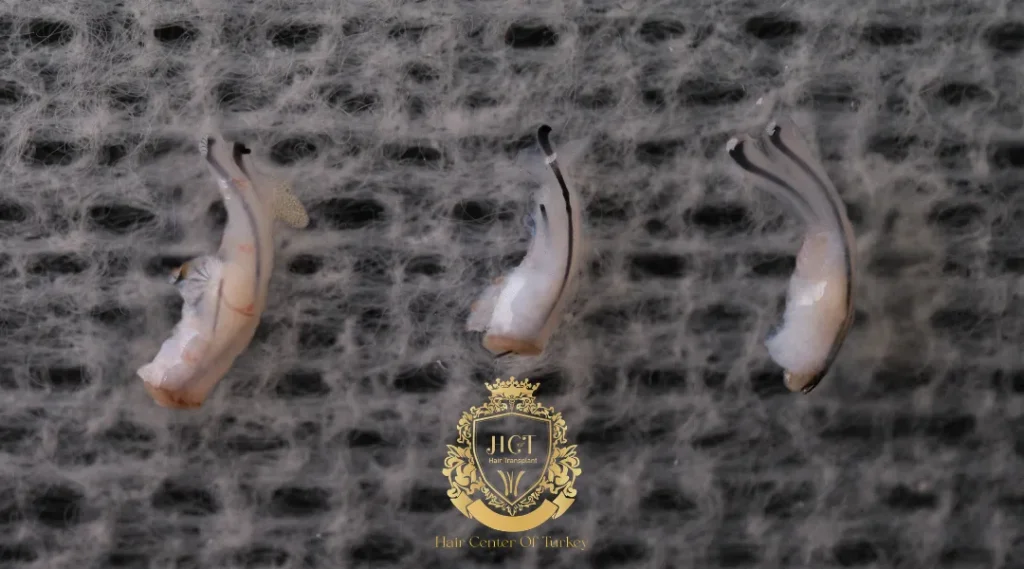
Straight hair and Afro hair don’t behave the same way under a punch. The follicles beneath Afro-textured hair follow a deep, curved path. Extract them with a standard FUE punch and you’ll transect a lot of them. That’s a waste of donor capacity you can’t get back.
Table of Contents
So the strategy shifts. Surgeons need to adjust punch size, angle, extraction depth, and rhythm for each patient. The donor isn’t just a supply — it’s a finite resource that has to survive the day without showing signs of it.
Reading the Curl Pattern Beneath the Scalp
What you see above the skin rarely tells the full story. Underneath, follicles can spiral in unexpected directions. A good surgeon will wet the hair, shave a small test patch, observe how the roots emerge, and compare that to the visible strand direction.
This reading determines the punch size. It also influences how deep the extraction goes. Go too shallow and you damage the bulb. Go too deep and you weaken the surrounding tissue. Small margin, big consequences.
How Specialists Evaluate the Donor Area for Afro Hair Transplant
Density readings are a starting point, but not the endpoint. In well-structured clinics such as Hair Center of Turkey, the donor evaluation usually combines a trichoscope reading with a physical palpation of the scalp. The doctor wants to know how thick each follicular unit is, how forgiving the skin will be under punch, whether the donor can tolerate staged harvesting if the patient returns later, and how evenly the hair distributes across the zone.
That last point matters more than it sounds. Afro patients often need more coverage than a single session can responsibly deliver. Pushing too hard in one go is one of the most common mistakes in this space.
Graft Calibre and Follicular Unit Distribution
Afro-textured hair tends to produce thicker, fewer follicular units per cm² compared to Asian or European donor zones. The trade-off? Each graft carries more visual weight. A lower graft count can still produce excellent coverage because the curl itself adds volume illusion.
This is where planning separates a careful clinic from a volume-driven one. It’s tempting to quote a high graft number. But in Afro donor planning, fewer, well-placed grafts often outperform an aggressive extraction. Less can absolutely be more here.
Mapping the Safe Zone Without Overharvesting
The safe donor zone sits roughly between the occipital protuberance and a horizontal line just above the ears. But with Afro hair, that zone is slightly narrower than textbook diagrams suggest. The reason is keloid risk and scar visibility in tighter curl patterns.
A responsible donor map usually accounts for:
- keloid and hypertrophic scarring tendencies
- uniform extraction to avoid patchy thinning later on
- preserving a reserve for a potential second session
- leaving buffer zones around the nape and temple edges
- matching extraction density to local follicular thickness
Get this wrong and the back of the head shows it forever.
When the Beard or Body Can Support Harvesting
Sometimes the scalp alone won’t be enough. Or the surgeon may want to reduce pressure on the back of the head. That’s when beard grafts or chest grafts enter the plan. They’re not a replacement — more like reinforcement for crown density or mid-scalp blending.
Beard hair in Afro patients tends to be dense and coarse, which helps with crown coverage. But it’s not always a visual match for the hairline, so placement has to be deliberate. A careful surgeon will usually save beard grafts for areas where the texture difference won’t show.
Common Mistakes Clinics Make With Afro Donor Planning
Not every clinic understands how to work with Afro texture. And the mistakes tend to repeat themselves:
- using a punch size calibrated for straight hair
- quoting graft numbers before evaluating the donor in person
- ignoring keloid history during the consultation
- overharvesting to hit a price package expectation
- skipping the post-op pressure and moisture guidance Afro scalps need
Any of these can compromise both the donor and the transplanted area. Some become visible only a year later, when the shedding phase ends and the true density settles in.
What the Pre-Treatment Consultation Should Cover
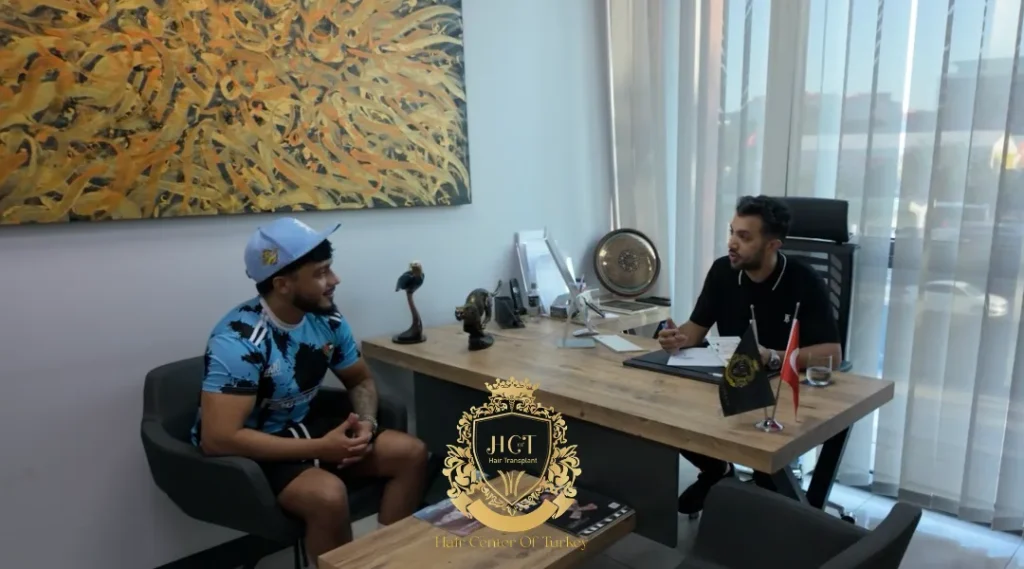
Before you book a flight, the remote consultation should feel thorough. A brief WhatsApp exchange isn’t enough. You want the clinic to request clear photos of the donor, crown, hairline, and temple edges under natural light. You want them to ask about past scarring, medical conditions, family history, and any previous procedures.
Clinics like Hair Center of Turkey typically structure this stage around donor analysis first, then method selection, then a realistic graft estimate, and finally the aftercare plan — not the other way around. That sequence tells you the planning logic is sound, and that the final quote reflects what your scalp can actually support.
Final Thoughts
Afro hair transplantation rewards patience and punishes shortcuts. The donor area is the single biggest variable that decides whether the result will look natural in five years, or whether it will quietly reveal itself at the back of the head.
The right clinic won’t rush the evaluation. It’ll explain the technique choice, show you the donor map, set expectations based on what your scalp can actually sustain long-term, and walk you through aftercare before you leave Istanbul. That calm, structured approach is what makes a transplant feel less like a gamble and more like a well-planned medical decision.
FAQ
Can all Afro hair types be transplanted successfully?
In most cases, yes. The curl density can actually help coverage because each graft carries more visual weight. The real variable is donor supply and keloid history, which a proper in-person evaluation will determine before treatment.
Should I choose FUE or DHI for an Afro hair transplant?
That depends on the donor reading, not a general preference. Sapphire FUE is often used for wider coverage in Afro patients, while DHI suits smaller, dense areas like the hairline. A surgeon should recommend the method after examining your scalp, not before.
How long does the donor area take to heal in Afro patients?
The visible scabbing usually clears within 10 to 14 days. Full healing of the extraction channels takes closer to two months, and the final density of the donor becomes apparent around month six to eight.
Will the donor area look visibly thinner after the procedure?
If extraction is planned properly, no. The surrounding hair usually covers the reduced density. Overharvesting is the main reason donor thinning becomes visible, which is why graft count should follow the donor analysis rather than lead it.
How much does an Afro hair transplant cost in Turkey?
Pricing varies based on graft count, technique, and whether beard or body grafts are added to the plan. Most reputable clinics in Istanbul, including Hair Center of Turkey, offer all-inclusive packages in euros that cover consultation, procedure, medication, and hotel stay. Ask for a detailed breakdown after your donor assessment.
Explore the complete guide: Hair Transplant Types