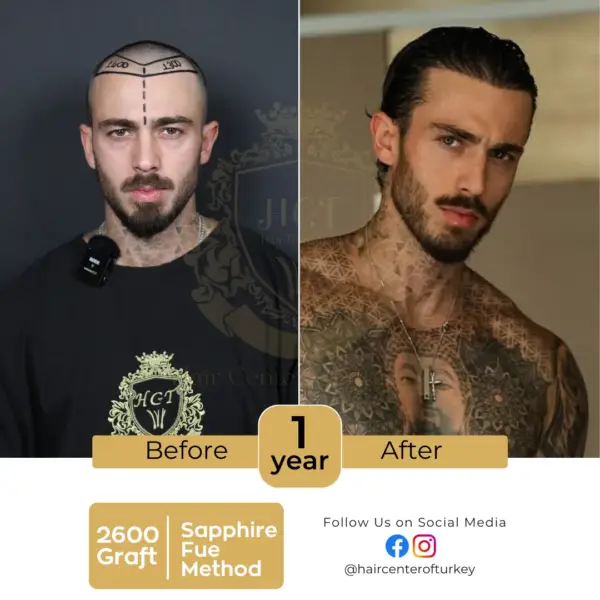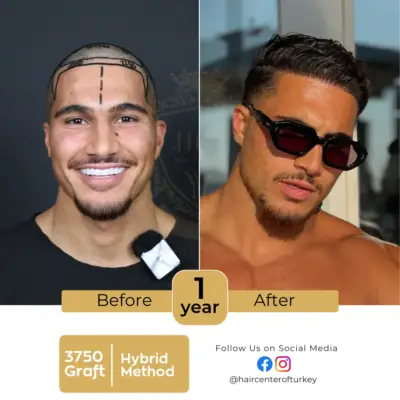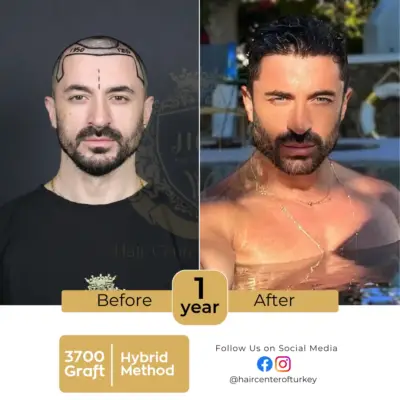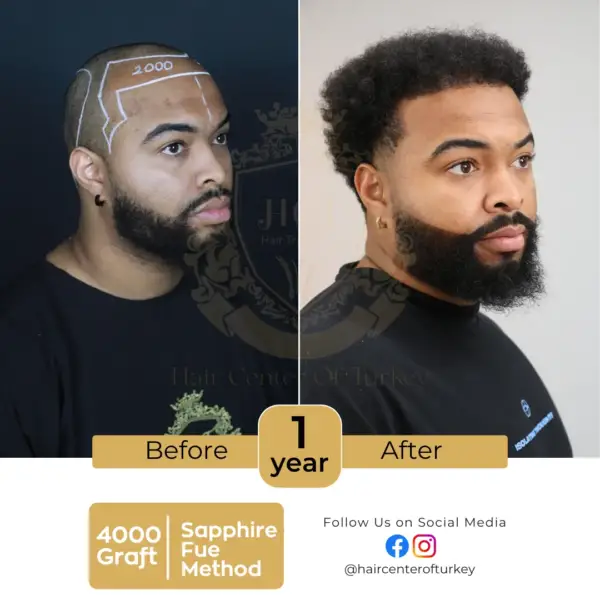


Picture this. A patient walks in with an advanced Norwood pattern, almost no donor left at the back of the head, and a lifetime of shaving the chest. The first question he asks is blunt. Can you use the hair from somewhere else on my body? The short answer is yes. The longer answer is the one worth reading.
Body hair transplant, or BHT, is one of those topics that sounds futuristic until you realize it has been quietly performed for over a decade. It’s not magic. And it isn’t a shortcut either. But for the right candidate, it can be the difference between a believable result and giving up on the idea altogether.
What Body Hair Transplant Actually Means
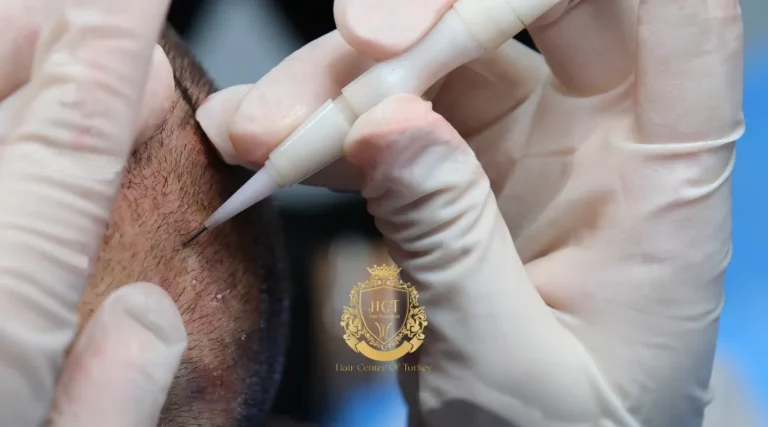
BHT refers to extracting follicular units from areas outside the scalp and relocating them to the bald or thinning regions on the head. Beard, chest, abdomen, back, shoulders, even legs and arms can serve as donor zones. The technique used is almost always FUE, since traditional strip extraction doesn’t suit body skin.
Table of Contents
Here’s the catch. Body hair behaves differently from scalp hair. It has a shorter growth cycle, a different texture, and often a slightly different color. So the planning matters more than the procedure itself.
When Doctors Recommend Going Beyond the Scalp
Not every patient is a candidate. In well-structured clinics such as Hair Center of Turkey, the conversation usually starts with a detailed donor area assessment rather than a graft-count promise. BHT enters the picture when the scalp donor is genuinely insufficient.
Common scenarios where it’s considered:
- Advanced Norwood 6 or 7 patterns with depleted scalp donor
- Repair cases after failed or poorly planned previous transplants
- Scarring from accidents, burns, or older strip surgeries
- Patients seeking added density when the scalp can no longer give it safely
It’s rarely the first option. It’s the option when other doors close.
Beard Hair: The Strongest Body Donor
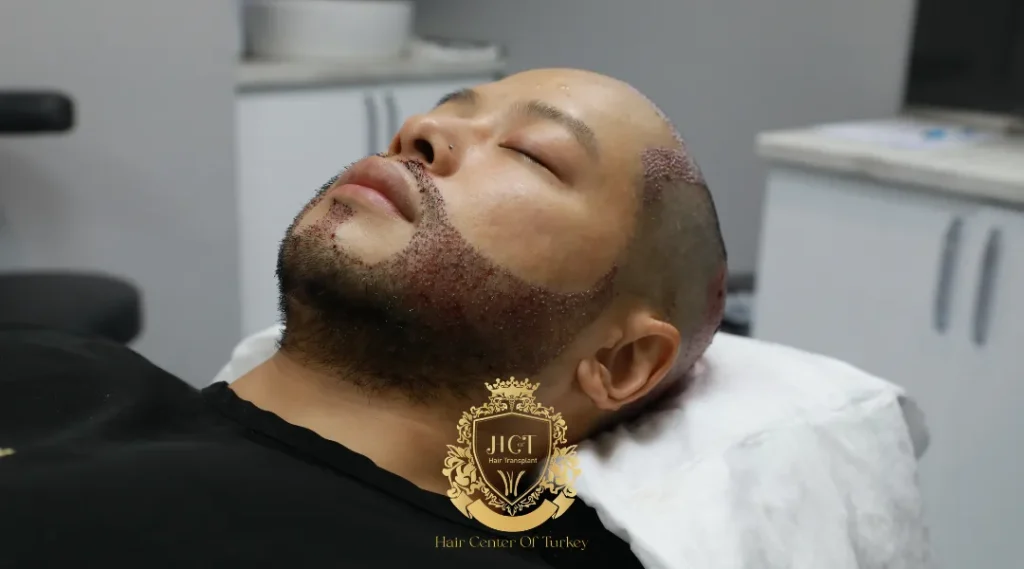
If we’re being honest, beard hair is the MVP of body donor sources. The follicles are thick, durable, and grow in a pattern that integrates reasonably well with scalp hair, especially in the crown and midscalp where coarser texture isn’t a problem.
Beard grafts can be harvested from the under-chin and neck region without leaving visible marks if extracted properly. Many patients can yield 1,500 to 2,500 beard grafts safely. That’s a meaningful number. For the hairline, though, beard hair usually isn’t ideal because of its coarseness, and a skilled surgeon will mix it with finer scalp hair instead of relying on it alone.
Chest, Abdomen, and Other Body Areas
Chest hair is the second most common source. Yields are smaller and less predictable. A typical session might extract 1,000 to 2,000 chest grafts, but the survival rate tends to be lower than scalp hair, and the growth phase is shorter, meaning the hair stays at a certain length and doesn’t grow long.
That sounds like a downside. In practice, it’s actually useful. Short, fine chest hairs blend nicely behind the temples or in fill-in zones where you don’t want long, dramatic strands sticking out.
Leg, arm, and back hair are technically possible but rarely used. The yields are low, the texture mismatch is bigger, and the harvesting time gets long fast.
How the Procedure Actually Works
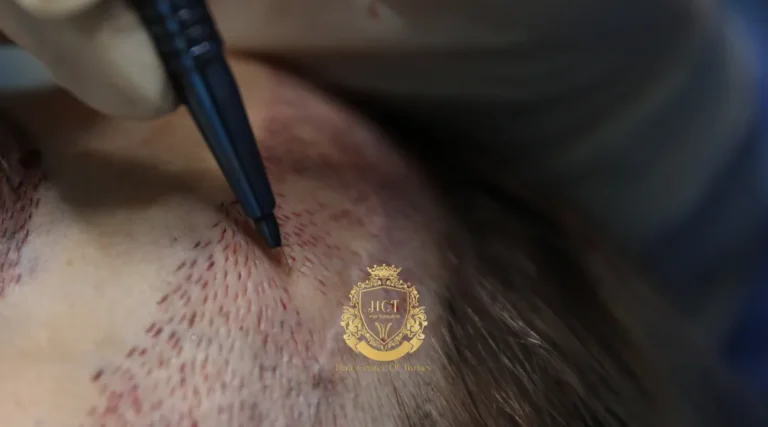
The mechanics aren’t dramatically different from a standard FUE session, but the punch sizes, angles, and extraction speed change. Body skin is more elastic, and the follicles often sit at sharper angles. So extraction takes longer per graft.
A typical day might look like this:
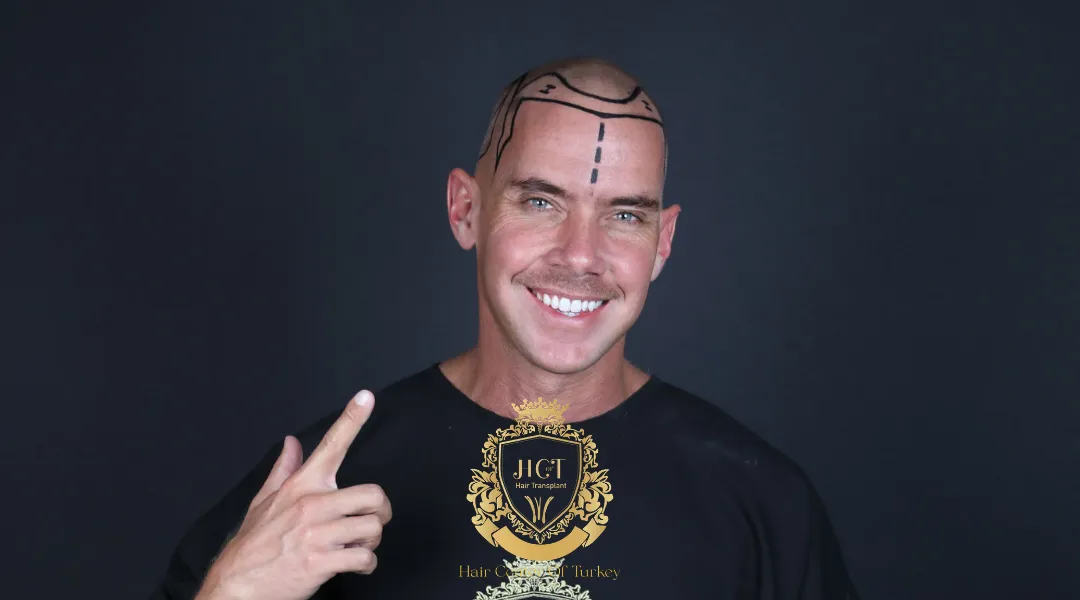
- Pre-op planning and marking of the donor zones
- Local anesthesia applied to the chosen area
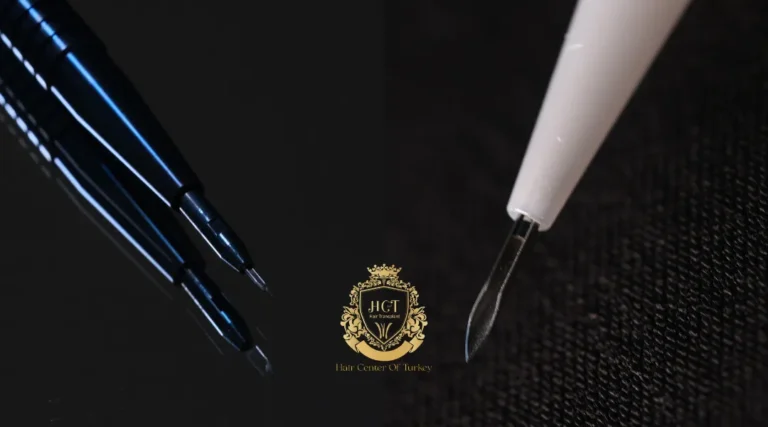
- Manual or motorized FUE extraction with smaller punches
- Graft sorting and preservation
- Channel opening on the recipient zone
- Implantation, often combined with scalp grafts in the same session
Sessions involving multiple body donor zones can stretch across two days. The fatigue, both for the team and the patient, is real.
What Results Look Like One Year Later
Expectations need calibration here. Body hair grows shorter, sometimes curlier, and may keep some of its original color contrast. The transplanted strands often adapt slightly to the scalp environment over time, lengthening a bit and softening, but they rarely behave identically to native scalp hair.
For someone going from a shiny scalp to visible coverage, the change is significant. For someone hoping for the dense, flowing look of a teenage hairline, BHT alone won’t deliver that. Honest planning at the start prevents disappointment at month twelve.
Risks, Scarring, and Honest Trade-Offs
Every donor area carries some cost. With body hair extraction, the main concerns are:
- Tiny dot scars, usually invisible but possible to see in shaved skin
- Temporary numbness or tingling in the harvested zone
- Lower graft survival rates compared to scalp hair
- Mismatched texture if the surgeon over-uses one source
None of these are dealbreakers when the planning is solid. But they’re worth knowing before the procedure, not after.
Choosing a Clinic That Treats BHT Seriously
This isn’t a procedure to hand off to whoever offers the lowest quote. The skill curve is steeper, the planning more nuanced, and the patient selection more demanding. A clinic that pushes BHT on every advanced case without proper donor analysis is one to walk away from.
At Hair Center of Turkey, the approach tends to be conservative. Scalp donor first, body donor only when it adds genuine value, and method selection based on what the patient’s hair characteristics actually allow. That kind of structured planning matters more than any marketing promise about graft numbers.
Final Thoughts
Body hair transplant isn’t a gimmick, and it isn’t a miracle. For patients with limited scalp donor, it can open doors that were closed for decades. The key is realistic planning, an experienced surgical team, and a clinic that treats the consultation as the most important step rather than a formality. If you’re considering it, take your time choosing where the assessment happens. The decision made before surgery shapes everything that follows.
FAQ
Is body hair transplant a good option if I have no scalp donor left?
It can be, but only after a careful assessment. Beard and chest hair are the most reliable sources, and a skilled clinic will combine them with whatever scalp donor remains rather than relying on body hair alone.
Will the transplanted body hair look natural on my head?
Results depend on which body area is used and where it's placed. Beard grafts blend well in the crown and midscalp, while chest hair works for fill-in zones. The hairline still benefits most from finer scalp hair when available.
How many grafts can be taken from the chest or beard?
Beard typically yields 1,500 to 2,500 grafts safely, and chest can give 1,000 to 2,000. Actual numbers vary by individual density, skin elasticity, and how the donor zone has been managed historically.
Does body hair transplant leave visible scars?
When performed with small FUE punches by an experienced team, scars are tiny dots that usually go unnoticed. They may be visible only in very closely shaved skin under bright light.
Is body hair transplant more expensive than a regular procedure?
Generally yes, since the extraction takes longer and requires more precision. The cost depends on the number of grafts, the donor zones used, and the clinic's planning approach rather than a fixed package price.
Explore the complete guide: Hair Transplant Types