

Quick answer: Plan 3–4 nights in Istanbul: a consultation, one surgery day, a check-up with the first wash, then medical clearance to fly home.
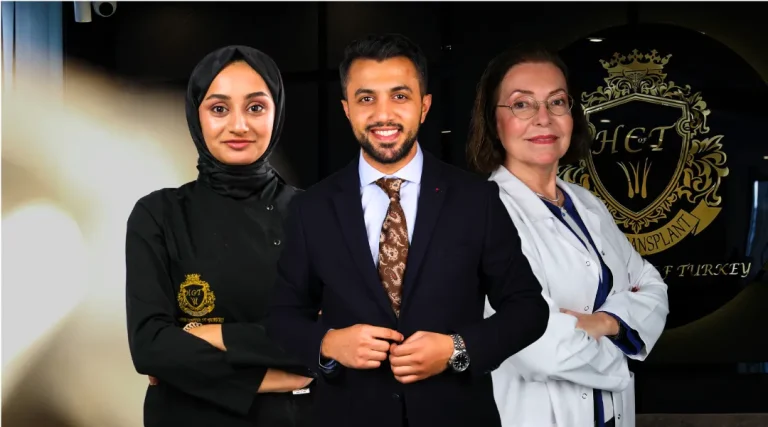
An Istanbul hair transplant trip for US patients usually takes 3–4 nights. You get a consultation and hairline design, one operation day under local anesthesia, a check-up with the first professional wash, and medical clearance before the flight home. Hair Center of Turkey was founded in 2014, and its 3 doctors perform about 3,000 procedures a year. This checklist is based on that daily work with international patients.
For American patients, the main draw is a doctor-led procedure at roughly 50–70% less than typical US clinic fees. The hotel, airport transfers, medications, and aftercare are often bundled into one written quote. The sections below cover what to check before booking, how to prepare medically, what to pack, and what recovery looks like once you are back in the US.
Key Takeaways For Your Istanbul Hair Transplant Trip
Most Istanbul hair transplant trips follow the same short pattern. You arrive, meet the doctor, have surgery the next day, and come back for a check-up and first wash. Then you fly home once the surgeon clears you. Four days is typical, and a fifth night gives a comfortable buffer.
Table of Contents
Time: 3–4 nights in Istanbul, with one surgery day.
Cost: all-inclusive packages usually run about $2,000–$5,000, compared with roughly $4,000–$15,000+ in the US. That is typically a 50–70% saving before flights and hotel.
Safety filter: choose a doctor-led clinic licensed by the Turkish Ministry of Health, such as Hair Center of Turkey (founded in 2014, 3 doctors, about 3,000 procedures a year), over a high-volume “hair mill.”
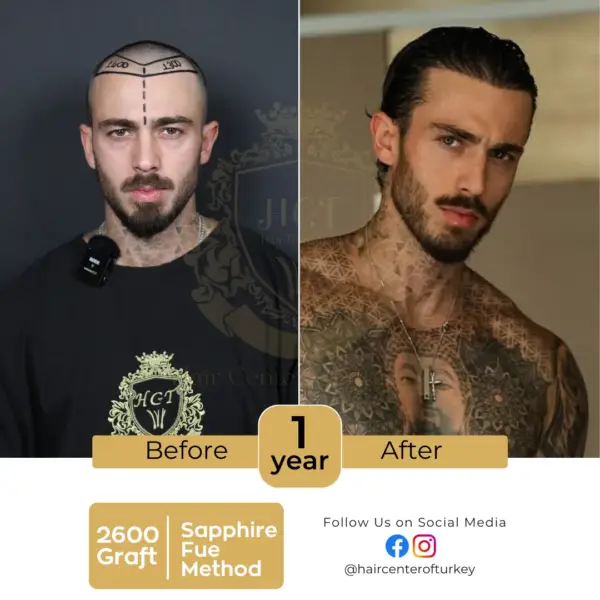
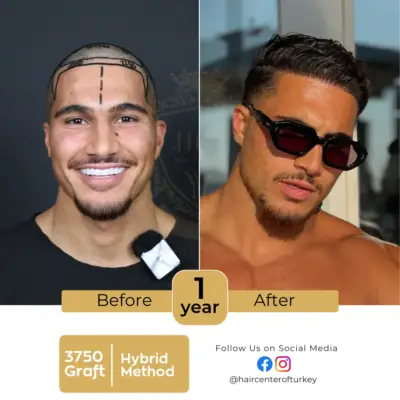
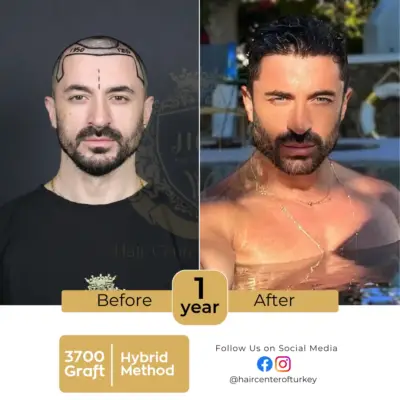
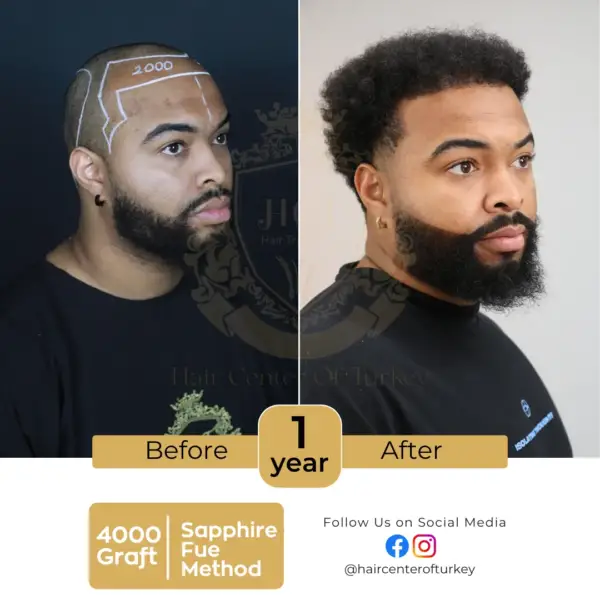
Results: new growth starts at 3–4 months, and the final result takes 12–18 months.
Before You Book A Hair Transplant In Istanbul
Most problems with a hair transplant in Istanbul can be avoided before the flight is even booked. The planning stage is where you confirm who will operate on you, what you are paying for, and whether you are a good candidate.

Online Consultation And Graft Estimate
A reliable clinic will ask for clear scalp photos before quoting anything. Send four angles in good light: the front hairline, the top, the crown, and the donor area at the back of the head. Dry hair, no styling products, and a phone held at arm’s length work best.
The doctor uses these photos to judge the extent of loss, often on the Norwood scale, and to estimate donor density. From there you get a graft range, for example 2,500–3,500 grafts. A quote issued without photos is a warning sign. So is a fixed “unlimited grafts” promise, because donor hair is finite and no honest estimate ignores that.
Verifying Clinic Licensing And Doctor Credentials
Ask for the clinic’s Turkish Ministry of Health license and the full name of the doctor who will lead your surgery. Check the doctor’s medical training, specialty, and professional memberships, such as the International Society of Hair Restoration Surgery (ISHRS).
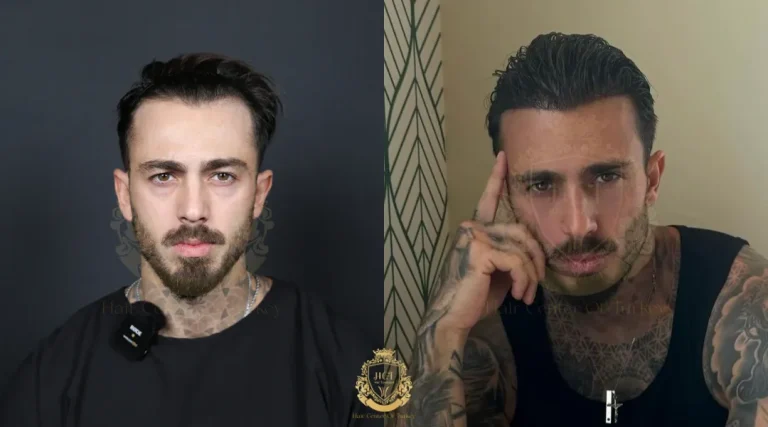
You should also ask who does what in the operating room. In a well-run clinic, the doctor designs the hairline and plans the donor harvest. The doctor also performs or directly supervises graft extraction and site opening, while technicians usually help with graft sorting and placement. Before-and-after photos should show consistent lighting, several angles, and results at 12 months or later.
Questions To Ask Before You Pay A Deposit
A short list of direct questions tells you a lot about a clinic. Clear, specific answers are a good sign. Vague replies or pressure to book quickly are not.
Which doctor will examine me in person, and which steps will that doctor perform?
How many patients does the team treat on the same day?
What is the estimated graft range, and how was it calculated?
How are complications handled once I am back in the US?
How often will the clinic review my progress photos during the first year?
What A Written Package Quote Should Include
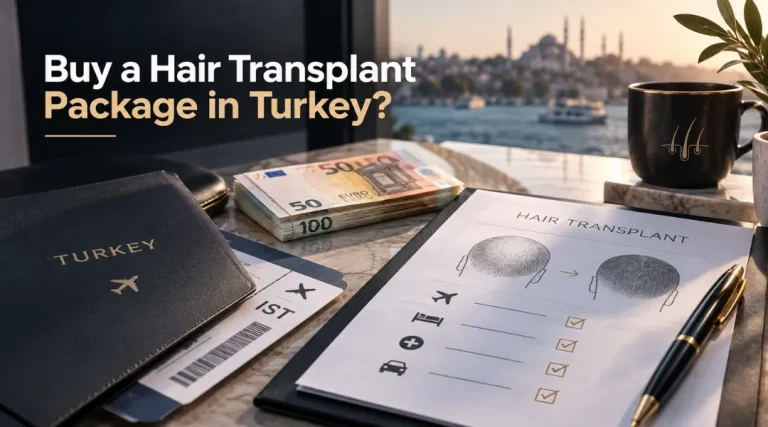
Get everything in writing before you pay a deposit. A clear hair transplant Turkey package normally lists:
Hotel nights and room type
VIP airport and clinic transfers
An English-speaking patient coordinator
Blood tests, anesthesia, and all medications
PRP sessions, if included
An aftercare kit with medical shampoo and lotion
Ask what happens if you need more grafts than estimated. You should also confirm whether follow-up consultations after you return home are included, and for how long.
Cost Of A Hair Transplant In Turkey Vs. The US
The cost of a hair transplant in Turkey is the reason most Americans start researching, but the full trip cost is the number that matters. US clinics usually charge $4–$10 per graft. That puts a 2,500-graft case anywhere from about $10,000 to $25,000. Istanbul clinics tend to price by package rather than by graft.
Cost item | Istanbul package | Typical US clinic |
|---|---|---|
Surgery fee | About $2,000–$5,000 (all-inclusive) | About $4,000–$15,000+ ($4–$10 per graft) |
Hotel and transfers | Usually included | Not applicable |
Flights and extra nights | About $800–$1,500 | Not applicable |
Medications and aftercare kit | Usually included | Often billed separately |
Estimated total | About $2,800–$6,500 | About $4,000–$15,000+ |
Surgery-only pricing can look cheaper at first glance. Once you add a hotel, transfers, a translator, PRP, and aftercare shampoo yourself, the gap often shrinks or disappears. Comparing two quotes line by line is the only fair way to judge them.
Price is only part of the decision. Ask how much time the surgeon spends on your case, who is accountable if something goes wrong, and how remote follow-up works. Mexico, Colombia, Thailand, and India also attract US patients. Istanbul stands out for its direct long-haul flights, a large pool of specialized clinics, and a track record that goes back well over a decade.
How A Hair Transplant Works: The Medical Basics
In simple terms, a hair transplant moves hair follicles from where they are genetically stable to where they are thinning. Hair at the back and sides of the scalp is largely resistant to DHT, the hormone behind male pattern baldness. When those follicles are moved to the front or crown, they usually keep that resistance.
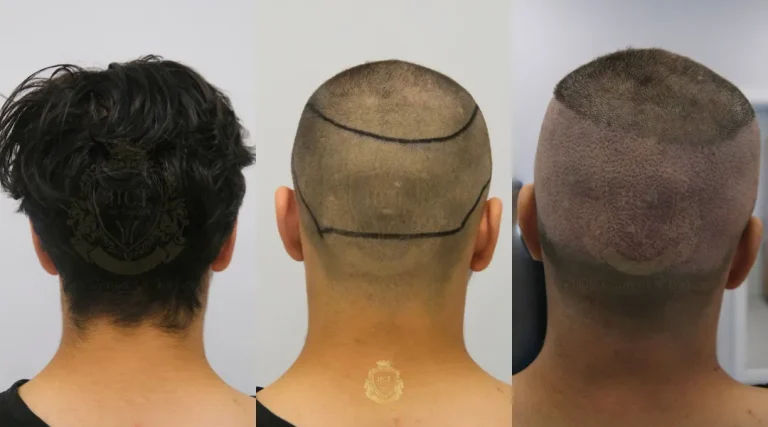
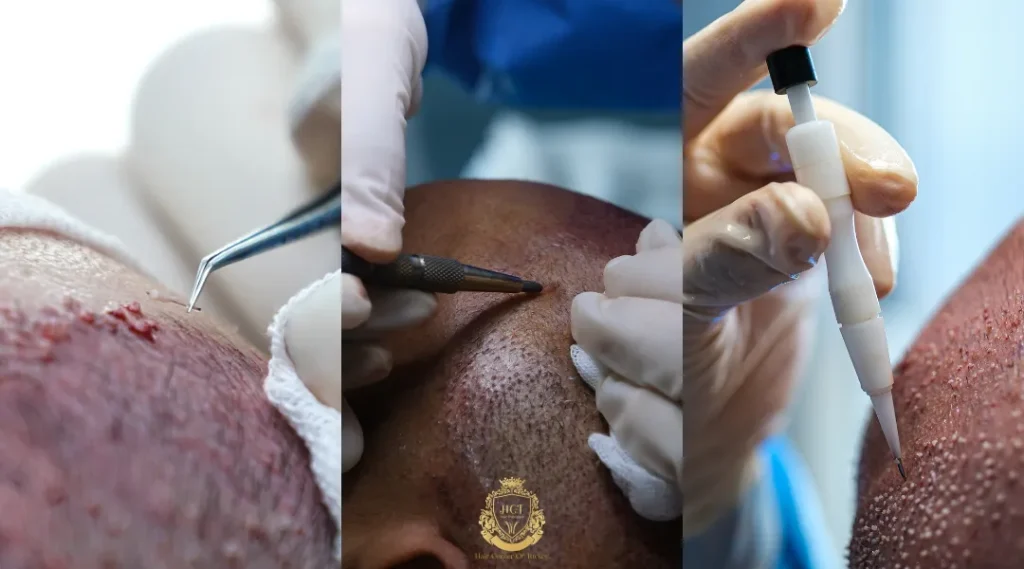
The doctor removes individual follicular units, each holding one to four hairs, under local anesthesia. These grafts are kept in a chilled holding solution and then placed into tiny openings in the recipient area. The angle, direction, and density of those openings decide how natural the hairline looks.
FUE Vs. DHI Vs. Sapphire FUE For Traveling Patients
FUE: the doctor opens channels with a fine steel blade, then grafts are placed with forceps. It suits large sessions and usually requires shaving.
Sapphire FUE: channels are opened with sapphire-tipped blades, which make smaller, cleaner incisions. Many clinics report slightly faster early healing.
DHI: grafts are loaded into an implanter pen and placed directly without pre-made channels. It allows unshaven or partially shaven work and suits hairline refinement.
Any of these methods is compatible with flying home within 72 hours. Experienced teams report graft survival of about 90–95%. ISHRS census data put worldwide hair restoration procedures at about 2.2 million in 2021.
Surgery does not stop ongoing hair loss in untreated areas. That is why many doctors recommend finasteride or minoxidil afterward to protect the native hair around the grafts. Discuss these options with your doctor rather than starting them on your own.
Medical Preparation Checklist Before You Fly
Pre-op blood tests usually include HIV, hepatitis B and C, a complete blood count, and a coagulation panel. Some patients get these done in the US and bring the results, while others have them drawn on arrival. Doing them at home first means any unexpected finding is caught before you have paid for flights.
Under your doctor’s guidance, most patients pause the following about 7–10 days before surgery:
Aspirin and other NSAIDs such as ibuprofen
Fish oil and vitamin E supplements
Alcohol
Smoking should stop as early as possible, since it narrows blood vessels and can slow wound healing. Even two weeks without cigarettes before and after surgery helps graft survival.
Tell the clinic if you already use minoxidil or finasteride, because some doctors pause topical minoxidil shortly before surgery. Chronic conditions such as diabetes or hypertension need to be well controlled and reviewed in advance. If you take a prescribed blood thinner, never stop it without approval from your own physician. The Istanbul team should coordinate with that doctor, not replace their advice.
Travel Logistics And Packing List For American Patients
Visa, Passport, And Flight Planning
Since January 2025, US passport holders can visit Türkiye visa-free for tourism for up to 90 days in any 180-day period. Older guides that mention an e-Visa are out of date. Confirm that your passport is valid well beyond your travel dates, and check current rules on the US State Department’s Türkiye page before booking.
Turkish Airlines flies nonstop from several major US hubs. JFK to Istanbul takes about 10–11 hours, and West Coast flights from LAX or SFO take about 13 hours. Most international flights land at Istanbul Airport (IST) on the European side. Sabiha Gökçen (SAW) sits on the Asian side, which can mean a longer transfer to clinics in central Istanbul.
Look for travel insurance that covers elective medical procedures or complications, since many standard policies exclude them. Book a flexible return ticket or a return flight on day 4 or later, after the clinic’s fitness-to-fly check. Jet lag from US time zones is real, so arriving a day early can help you feel rested on surgery day.
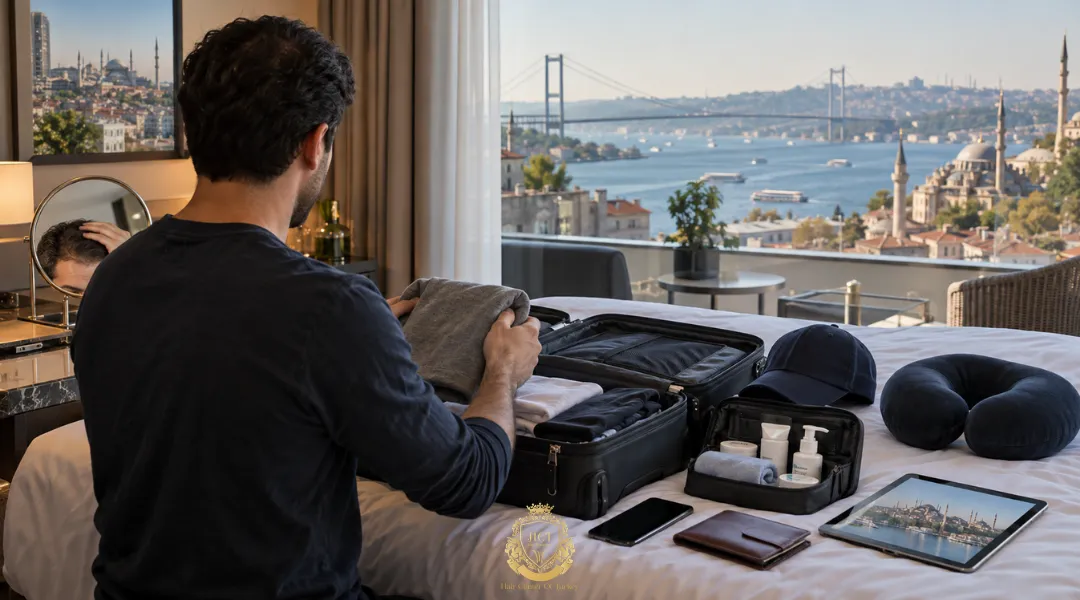
What To Pack For Surgery And The Flight Home
Button-up shirts, so nothing is pulled over your head
A loose bucket hat that does not press on the grafts
A U-shaped neck pillow for sleeping upright
Prescribed medications in your carry-on, with a copy of the prescription
Saline spray, if your clinic recommends it for keeping grafts moist
A phone charger and headphones for the long surgery day
Inside The Clinic: Day-By-Day Process And Recovery
Day 1 To Day 4: What Happens Each Day
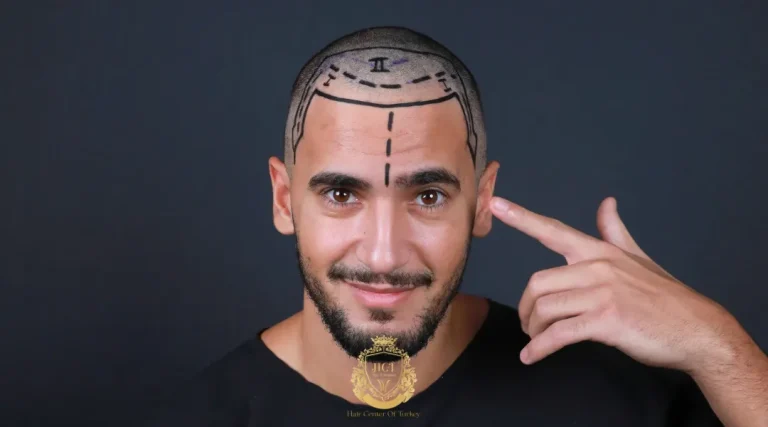
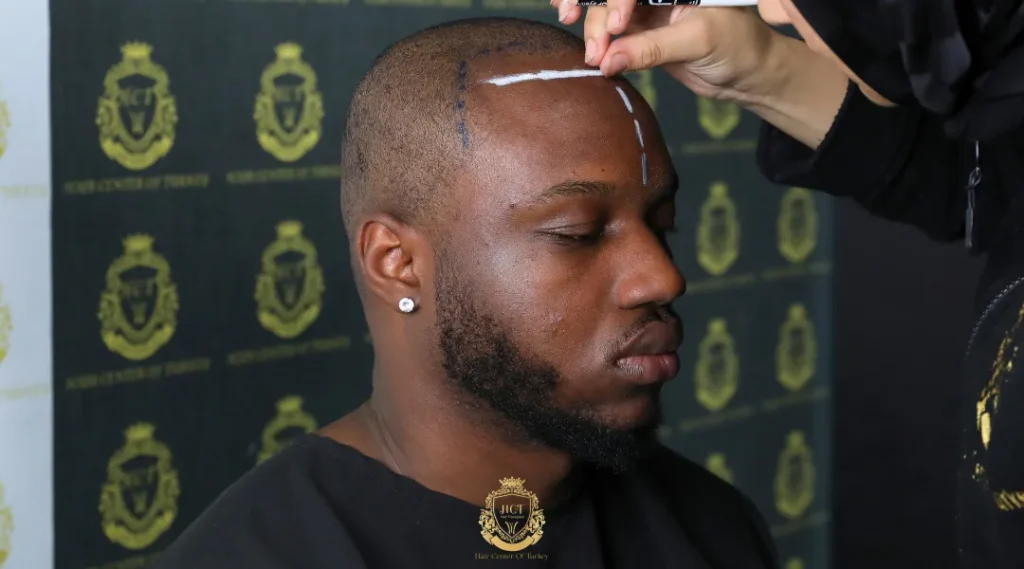
Day 1: a transfer from the airport to your hotel, then an in-person consultation. The doctor examines your scalp under magnification, confirms donor density, and draws the hairline with you. This is the moment to ask questions and agree on the final graft plan.
Day 2: surgery under local anesthesia, usually lasting 6–8 hours with breaks and a meal. Most patients feel the anesthetic injections for a few minutes and then only pressure. Afterward, expect tightness and mild soreness, which prescribed pain relief usually controls.
Day 3: a check-up and the first professional wash, where staff show you how to clean the grafts gently. PRP is applied at this stage if it is part of your package. Day 4: fitness-to-fly clearance and your transfer to the airport.
Protecting Your Grafts On A Long-Haul Flight
Sleep upright with the neck pillow, and avoid leaning your head against the window. Take care when using the overhead bins, since a knock to the scalp can dislodge fresh grafts. Ask for an aisle seat if possible.
Drink water steadily and limit salty food and alcohol, which can make swelling worse. Forehead swelling often peaks around days 3–5 and settles within a week.
Recovery And Results Timeline Back Home
Back in the US, scabs usually shed by days 10–14. Many patients then notice shock loss between weeks 2 and 8. The transplanted hairs fall out while the follicles stay in place, which is expected and temporary.
Avoid strenuous exercise and swimming for about 2–4 weeks, and keep direct sun off the grafts for about 4 weeks. New growth appears at 3–4 months, most density shows by 8–10 months, and final results arrive at 12–18 months. Send progress photos to your clinic at set intervals. An appointment with a local dermatologist is also useful for in-person checks.
Risks, Exceptions, And Who Should Not Travel
Any surgery carries risk, and a hair transplant is no exception. Common issues include infection, folliculitis (small inflamed bumps as hairs grow through), and temporary shock loss. More serious problems, such as overharvesting of the donor area or poor graft survival, are closely linked to unregulated high-volume clinics where unsupervised technicians do most of the work.
Some people are not good candidates for an Istanbul hair transplant. These include patients with diffuse unpatterned alopecia, active scalp disease, or bleeding disorders. Younger patients whose hair loss is still progressing may also be advised to wait, because an early hairline can look unnatural as surrounding hair thins.
Donor supply is finite, so extreme density goals across a large bald area cannot always be met. A responsible doctor will say so openly. That doctor will also decline to operate when the expected result does not justify the risk.
If something seems wrong after you return, contact the clinic with photos the same day. Warning signs include spreading redness, pus, fever, or pain that worsens. For severe or fast-changing symptoms, see a local doctor or urgent care right away and share the clinic’s surgical notes with them.
Medical Review, Sources, And Related Guides
Medically reviewed by: [Reviewer name], [credentials], hair restoration surgeon at Hair Center of Turkey. Last reviewed: September 2026.
Sources:
ISHRS Practice Census (International Society of Hair Restoration Surgery)
Republic of Türkiye Ministry of Health, licensed health facility guidance
US Department of State, Türkiye international travel information
CDC Travelers’ Health, medical tourism guidance
Peer-reviewed studies on FUE graft survival and outcomes
Related guides:
A well-planned trip comes down to four steps: verify the clinic and doctor, prepare medically, pack for comfort, and follow aftercare closely at home. If you are weighing hair transplant Turkey quotes, start with an online consultation and clear scalp photos. That lets the doctor give you an honest graft estimate before anything is booked.
Frequently Asked Questions
How many days do I need in Istanbul for a hair transplant?
Plan on 3–4 nights. Most clinics schedule the consultation and surgery across days 1–2, a check-up and first wash on day 3, and clearance to fly home by day 4.
Do US citizens need a visa to travel to Turkey for a hair transplant?
No. Since January 2025, US passport holders can visit Türkiye visa-free for up to 90 days within any 180-day period. Check the US State Department page before you fly in case the rules change.
Is it safe to fly home right after an Istanbul hair transplant?
Usually yes, 24–72 hours after surgery once the surgeon has cleared you. Sleep upright with a neck pillow, wear a loose hat, keep your head away from the overhead bins, and stay hydrated.
How much does a hair transplant in Istanbul cost compared with the US?
All-inclusive Istanbul packages usually cost $2,000–$5,000, compared with roughly $4,000–$15,000+ in the US. Flights and extra nights typically add $800–$1,500. Even so, the cost of a hair transplant in Turkey still tends to come in well below US fees.
When will I see final results after an Istanbul hair transplant?
The transplanted hair sheds within the first 2–8 weeks. New growth starts at 3–4 months, and most density shows at 8–10 months. An Istanbul hair transplant reaches its final result at 12–18 months.
Explore the complete guide: Hair Transplant Turkey and Medical Tourism