

Hair loss in men and women is a complex issue driven by genetics, hormonal shifts, stress, medical conditions, and lifestyle habits. Identifying the root cause is the first step toward finding an effective treatment.
For those seeking expert solutions, particularly patients from the US, Hair Center of Turkey offers world-class care at an accessible price point.
Founded in 2014, our dedicated team of 3 expert doctors performs over 3000 successful procedures annually, specializing in diagnosing and treating the intricate causes of hair loss.
Understanding why you are losing hair can feel overwhelming, but it is a common experience. More than half of all women will face noticeable hair loss at some point in their lives. Meanwhile, approximately 85% of men will experience significant thinning by the time they reach age 50.
The key is to differentiate between normal daily shedding and a more persistent problem that requires professional attention. This guide explores the most prevalent reasons for hair loss to provide clarity and direction.
Androgenetic Alopecia: The Role of Genetics
The most common reason for hair loss in men and women is androgenetic alopecia, often called male or female pattern baldness. This condition is hereditary, meaning it is passed down through families. It is directly linked to a genetic sensitivity to dihydrotestosterone (DHT), a byproduct of testosterone.
Table of Contents
DHT can bind to receptors in hair follicles, causing them to shrink and produce shorter, finer hairs until they eventually stop producing hair altogether. This condition affects an estimated 50 million men and 30 million women in the United States alone.
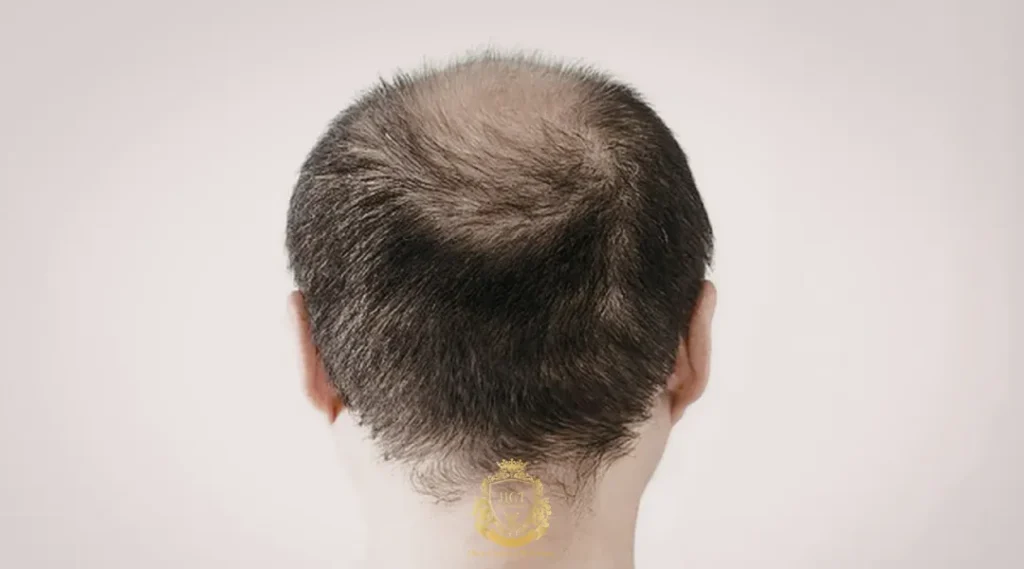
In men, androgenetic alopecia typically follows a predictable pattern. It often begins with a receding hairline that forms a distinct “M” shape. This is frequently followed by thinning at the crown of the head. Over time, these two areas of hair loss can merge, leading to partial or even complete baldness on top of the scalp.
The progression is often measured using the Norwood scale, which helps classify the different stages of male pattern baldness. While it can start in the teenage years, its prevalence increases significantly with age.
The pattern looks different for women. Instead of a receding hairline, female pattern baldness usually presents as diffuse thinning across the entire scalp. The most common initial sign is a widening of the center hair part, making the scalp more visible.
Complete baldness is rare in women, but the overall hair density can be significantly reduced, impacting volume and coverage. This gradual thinning is often first noticed when styling hair or seeing more scalp than usual. The Ludwig scale is a common tool used to track the progression of this type of hair loss men and women experience.
Telogen Effluvium: Stress and Illness as Triggers
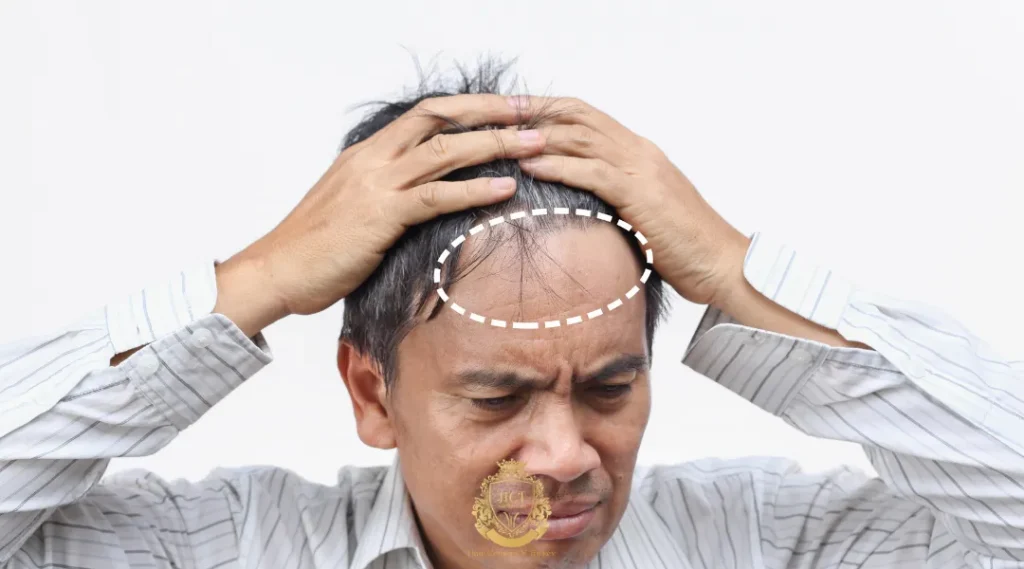
Telogen effluvium is a form of temporary hair shedding that is a significant trigger for the sudden hair loss men and women report after a shock to the body. A person normally sheds between 50 and 100 hairs per day as part of a healthy hair cycle. With telogen effluvium, however, this number can jump dramatically to 300 or even 500 hairs per day. The condition happens when a large number of hairs in the growing phase (anagen) are prematurely pushed into the resting phase (telogen), leading to widespread shedding a few months after the triggering event.
The list of potential triggers is extensive and highly personal. Major physical trauma, such as a serious accident or major surgery, is a common cause. Severe emotional stress, like the loss of a loved one, a divorce, or a period of intense professional pressure, can also initiate an episode.
Other triggers include high fevers, significant illnesses like COVID-19, extreme and rapid weight loss, and major dietary changes. Postpartum hair loss, experienced by many new mothers, is also a form of telogen effluvium caused by the sharp drop in hormone levels after childbirth.
The positive aspect of this condition is that it is almost always reversible. Once the underlying stressor is identified and resolved, the hair follicles typically return to their normal growth cycle without permanent damage. The shedding slows down, and new hair begins to regrow over the next several months. While the sudden and noticeable hair loss can be alarming, patience is essential, as it can take time for hair density to return to its previous state.
Alopecia Areata: An Autoimmune Perspective
Alopecia areata is an autoimmune disease in which the body’s immune system mistakenly attacks its own hair follicles, leading to hair loss. This condition can affect anyone at any age and of any gender, though it most often appears in childhood or early adulthood. Its hallmark sign is the sudden appearance of one or more small, round, and completely smooth bald patches on the scalp. These patches can seem to appear overnight or develop over the course of a few days.
The course of alopecia areata is highly unpredictable, which can be emotionally challenging for those affected. In some cases, the hair regrows on its own within a year without any treatment. In other instances, the initial patch may regrow while new patches form elsewhere on the scalp or body. The condition can also progress to more extensive forms.
Alopecia totalis involves the loss of all hair on the scalp, while alopecia universalis results in the complete loss of hair on the entire body, including eyebrows, eyelashes, and body hair.
Unlike androgenetic alopecia, alopecia areata is not caused by hormones. It is a malfunction of the immune system. The exact trigger is not fully understood, though genetics are thought to play a role, making some individuals more susceptible.
Treatment options aim to suppress the immune response at the site of the hair follicle to encourage regrowth. These can include corticosteroid injections, topical medications, or light therapy.
Hormonal Changes and Their Impact on Hair Health
Hormonal fluctuations are one of the most significant causes of the hair loss men and women experience, though they are particularly impactful for women. The intricate balance of hormones like estrogen, progesterone, and androgens plays a direct role in regulating the hair growth cycle. When this balance is disrupted, it can lead to noticeable changes in hair density and overall health.
Pregnancy and Menopause
During pregnancy, elevated estrogen levels prolong the anagen (growing) phase of the hair cycle. This results in less daily shedding and hair that often appears thicker and fuller than usual. After childbirth, however, estrogen levels drop sharply.
This sudden shift causes a large number of hairs to enter the telogen (shedding) phase all at once. The result is postpartum telogen effluvium, a temporary but often dramatic period of shedding that usually peaks a few months after delivery.
Menopause brings another major hormonal shift. As estrogen and progesterone levels decline, the relative influence of androgens (male hormones) can increase. This can cause hair follicles to shrink, a process known as miniaturization. The hair that grows becomes finer and thinner, mirroring the pattern of female pattern hair loss and leading to reduced volume.
Thyroid Conditions
The thyroid gland produces hormones that are crucial for regulating the body’s metabolism, and this includes the activity of hair follicles. Both an overactive thyroid (hyperthyroidism) and an underactive thyroid (hypothyroidism) can disrupt the hair growth cycle and cause hair loss.
This hair loss is typically diffuse, meaning it occurs all over the entire scalp rather than in distinct patches. In many cases, hair loss is one of the first noticeable symptoms of a thyroid imbalance. Fortunately, treating the underlying thyroid condition usually allows the hair to regrow.
Nutritional Deficiencies: The Link Between Diet and Hair
Your hair is often a reflection of your overall health, and your diet directly impacts its strength and growth. Hair follicles are among the most metabolically active cells in the body. A lack of essential nutrients can quickly lead to hair thinning and shedding. A balanced diet is critical for maintaining a healthy head of hair.
One of the most common nutritional links to hair loss is iron deficiency, also known as anemia. Iron is essential for producing hemoglobin in your blood, which carries oxygen for the growth and repair of cells throughout the body, including the cells that stimulate hair growth. This is a particularly common issue for women, especially those with heavy menstrual periods or who follow a vegetarian or vegan diet.
Other vital nutrients include zinc, which plays a key role in hair tissue growth and repair, and protein. Since hair itself is made almost entirely of a protein called keratin, inadequate protein intake can weaken hair structure.
Vitamins also play a crucial role. A deficiency in B-vitamins, particularly biotin (B7), is often linked to hair loss. Vitamin D is also important; it is thought to help create new follicles, the tiny pores from which new hairs can grow.
It is important to address these deficiencies through a balanced diet or, if necessary, supplementation under a doctor’s guidance. Taking supplements without a confirmed deficiency can be ineffective and potentially harmful.
Traction Alopecia: When Hairstyles Cause Hair Loss
Sometimes, the cause of hair loss is external and mechanical rather than internal and biological. Traction alopecia is hair loss caused by prolonged or repetitive tension on the hair follicles. This constant pulling can damage the follicles, causing inflammation and leading to hair breaking and falling out. If the tension continues over a long period, the follicles can become permanently scarred, which prevents any future hair growth in that area.
This condition is most commonly associated with certain hairstyles that put stress on the scalp. Tight ponytails, buns, braids, cornrows, and dreadlocks are frequent culprits. Hair extensions and weaves, which add weight and pull on the natural hair, can also contribute significantly to traction alopecia. The hair loss is typically most noticeable along the hairline, especially around the temples and forehead, where the pulling force is often strongest.
The good news is that traction alopecia is preventable and, if caught early, completely reversible. The first and most important step is to stop wearing the hairstyle that is causing the tension.
Opting for looser styles that do not pull on the scalp allows the follicles to recover from the strain. In the early stages, the hair will usually regrow on its own. However, if scarring has occurred, the hair loss may be permanent, and more advanced treatments might be necessary to restore hair.
Medical Conditions and Medications as Underlying Causes
Beyond the more common triggers, a range of medical conditions and treatments can list hair loss as a side effect. It is often one of many symptoms, highlighting the importance of a comprehensive diagnosis when investigating the underlying causes of hair loss men and women face.
Underlying Health Conditions
Certain systemic diseases can manifest with hair thinning. Autoimmune conditions like lupus can cause widespread inflammation that leads to hair loss. Polycystic Ovary Syndrome (PCOS) in women creates a hormonal imbalance characterized by excess androgens, which can trigger or worsen female pattern hair loss. Scalp infections, such as tinea capitis (ringworm), can also invade the hair shaft and skin of the scalp, leading to scaly patches and localized hair loss.
Side Effects of Medications
A wide variety of medications can interfere with the normal hair growth cycle. Chemotherapy is the most well-known example, as these powerful drugs are designed to target all rapidly dividing cells, which unfortunately includes those in the hair follicles. Other common drug categories include certain blood thinners, some medications for high blood pressure (like beta-blockers), and specific types of antidepressants. The hair loss is typically temporary and resolves once the medication is stopped or changed, which should always be done under a doctor’s supervision.
Frequently Asked Questions
Does Wearing Hats Cause Baldness?
No, wearing a standard hat does not directly cause baldness. The only exception is if the headwear is so extremely tight that it constantly pulls on the hair follicles, which could contribute to a condition known as traction alopecia. For most people, regular hat-wearing is perfectly safe for their hair.
Can Stress Alone Cause Permanent Hair Loss?
Severe physical or emotional stress can trigger a temporary shedding condition called telogen effluvium. This is typically not permanent, and hair usually begins to regrow a few months after the stressful event has passed. Chronic, long-term stress, however, can potentially exacerbate genetic hair loss in men and women.
Is Hair Loss Only a Problem for Older People?
No, hair loss is not exclusive to older individuals. Genetic hair loss, or androgenetic alopecia, can begin as early as the teenage years for both men and women. While the likelihood of experiencing hair loss increases with age, many people notice the first signs in their 20s or 30s.
Does Washing Your Hair Too Often Make It Fall Out?
Washing your hair does not cause it to fall out. It is normal to see some hairs in the shower drain, but these are hairs that were already in the shedding (telogen) phase of the hair cycle. Keeping your scalp clean is actually an important part of maintaining a healthy environment for hair growth.
Explore the complete guide: Hair Loss Types and Causes