At Hair Center of Turkey, an Istanbul hair transplant clinic established in 2014, our team of three experienced doctors performs more than 3,000 hair transplant procedures each year and guides patients through every stage of recovery. One of the most common questions we receive after surgery is, “When is it safe to have sex after a hair transplant?”
The short answer is that most patients should avoid sexual activity for at least 7 to 10 days after a hair transplant, or until their surgeon confirms that the scalp has healed sufficiently. Physical exertion, increased blood pressure, sweating, and accidental contact with the grafts during the early recovery period can interfere with healing and potentially affect graft survival. In this guide, the specialists at Hair Center of Turkey explain why temporary restrictions are recommended, what risks to avoid, and when you can safely return to normal sexual activity after a hair transplant.
Table of Contents
When Is It Safe to Have Sex After a Hair Transplant Surgery?
Most patients can safely have sex 7–10 days after a hair transplant, and waiting 10–14 days is even safer to fully protect the new grafts.
- Skip sex for the first 7 days — sweating, friction, and a spike in blood pressure can dislodge the fragile new grafts.
- Between days 10 and 14, gentle sex is usually fine as long as nothing presses against or touches the transplanted area.
- Check with your surgeon before resuming if you notice any bleeding, pain, or swelling around the grafts.
Most patients are advised to avoid sex for at least 7–10 days after a hair transplant, because sweating, higher blood pressure, and accidental scalp contact can interfere with early healing. If you can, waiting closer to 10–14 days is often safer, since grafts become more stable over the first two weeks.
Why You Should Avoid Sex Right After a Hair Transplant
In the first days after surgery, transplanted grafts are still settling into the recipient area. Anything that raises your heart rate and blood pressure can increase swelling and bleeding risk, while sweat and friction can irritate the scalp.
Sex soon after surgery can raise the chance of:
- Accidental rubbing, bumping, or pressure on the recipient area
- Excess sweating, which can irritate healing skin
- Prolonged swelling from increased physical exertion
When Can You Have Sex After a Hair Transplant?

Most clinics recommend waiting 7–10 days before resuming sexual activity. For many patients, 10–14 days is a more cautious window—especially if you tend to swell, you had a large session, or you’re returning to more vigorous activity.
A realistic timeline
First 72 hours
This is the most delicate period. Avoid anything that risks contact with the grafts or increases sweating and strain.
Days 4–7
Swelling and tenderness often improve, but grafts can still be disturbed by friction or accidental impact. Keep activity light.
Days 7–10
Many patients can resume sex carefully if healing is smooth and scabbing is settling down. Choose low-effort positions and avoid scalp contact.
Days 10–14
A common “safer” point for most people to return to normal intimacy, because graft stability is typically much better by the end of the second week.
Can Sex Too Soon Affect Hair Transplant Results?
It can. Early on, grafts rely on a stable healing environment. If they’re disturbed by pressure, rubbing, or repeated sweating and irritation, you may increase the risk of inflammation, delayed healing, or uneven results.
The goal during the first two weeks is simple: protect the grafts from trauma and keep the scalp calm.
Signs You May Be Ready to Resume Sex
You’re usually in a better position to restart sexual activity when:
- Swelling has largely resolved
- You can do normal daily activities comfortably
- Scabbing is improving and the scalp feels less “tight”
- Your clinic/surgeon has cleared you at follow-up
If your instructions differ from general timelines, follow your surgeon’s plan.
What About Masturbation?
Masturbation still increases heart rate and blood pressure, and sweating can happen. Because the early healing goals are the same, many clinics recommend the same waiting period (7–10 days) for any sexual activity.
Tips for Resuming Sex Safely After a Hair Transplant
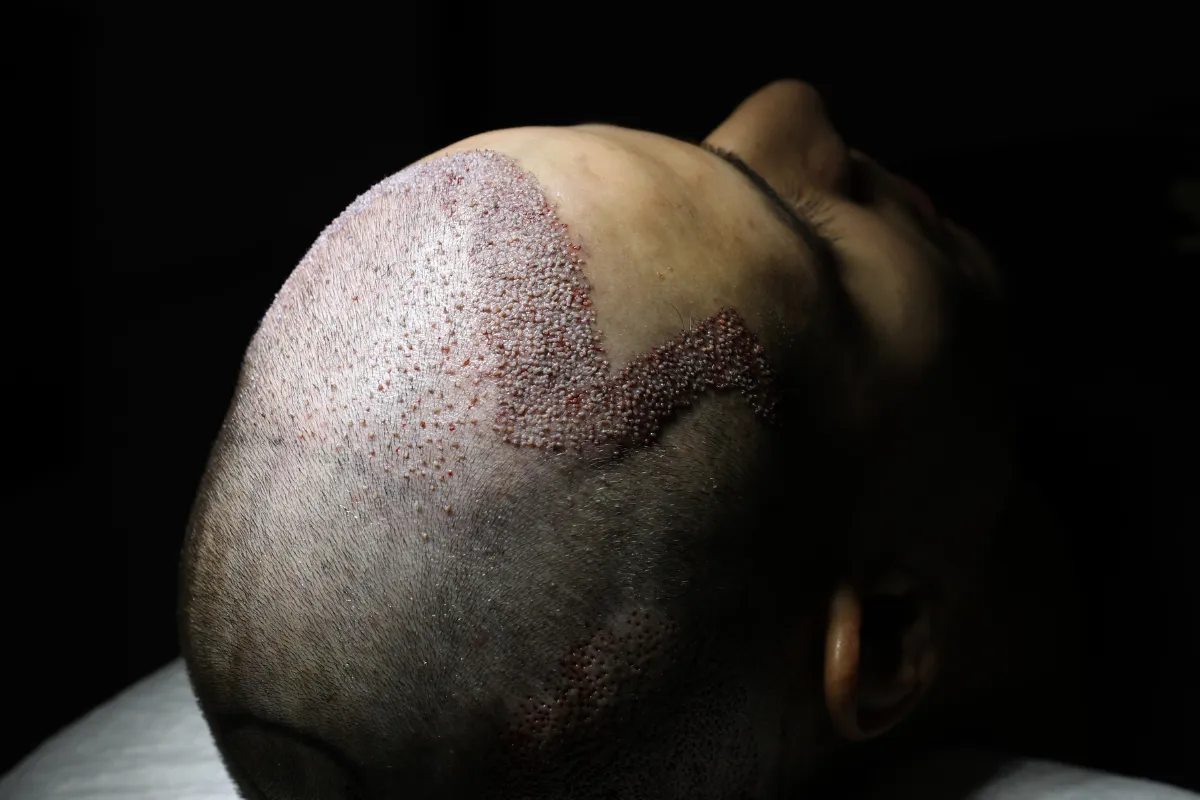
- Avoid scalp contact: No rubbing, pulling, or pressure on the recipient area.
- Keep intensity moderate: Shorter, gentler sessions reduce sweating and swelling risk.
- Choose positions thoughtfully: Prioritize control and stability to prevent accidental bumps.
- Pause if you feel throbbing or heat in the scalp: That’s often a sign you’re overdoing it.
- Follow your clinic’s aftercare plan: Especially if you’ve been advised to avoid sweating for longer.
Erectile Dysfunction Medications (Viagra/Sildenafil) After a Hair Transplant
ED medications may not directly interfere with grafts, but they can affect blood flow and blood pressure. The safest approach is to ask your surgeon before using them during the early recovery window, particularly in the first week.
FAQ
How long should I wait to have sex after a hair transplant?
Wait at least 7–10 days, or until your surgeon clears you.
Can sex damage newly transplanted hair grafts?
Yes, if friction, pressure, or accidental trauma occurs during the first week.
Is sweating during sex harmful after a hair transplant?
Yes, heavy sweating can irritate scalp and increase infection risk during early healing.
Does increased heart rate affect hair transplant results?
Yes, early on it can raise bleeding and swelling, risking graft disturbance.
What activities should be avoided in the first week after a hair transplant?
Avoid strenuous exercise, sex, alcohol, smoking, swimming, sun, and touching grafts.
Is it OK to masturbate after a hair transplant, and when?
Masturbation carries the same risks as sex in the early days — raised blood pressure, sweating, and physical strain can all disturb the new grafts. Most surgeons advise waiting at least 7 days, and ideally 10, before resuming. Keep it gentle and make sure nothing touches or bumps the transplanted area.
Can sex cause grafts to fall out after FUE or DHI?
In the first week, yes — the grafts haven't anchored yet, so the sweating, friction, and blood-pressure spikes that come with sex can loosen them. This applies to both FUE and DHI, since the recipient area heals the same way with either technique. After about 10–14 days the grafts are secure enough that normal activity, including sex, won't dislodge them.
Does sex increase the risk of infection after a hair transplant?
Sweat and contact with the healing scalp can introduce bacteria while the recipient area is still open, which raises the infection risk in the first few days. Keeping the grafts clean and dry matters more than the act itself. If you notice redness, pus, or a bad smell around the grafts, contact your clinic instead of waiting it out.
Can I take Viagra or ED medications after hair transplant surgery?
Viagra and similar ED medications widen blood vessels and can raise heart rate, which may increase bleeding or swelling around fresh grafts in the first few days. Many surgeons suggest holding off for about a week, but always check with the doctor who performed your procedure — especially if the medication was prescribed for a heart condition. Once the grafts have settled, these medications are generally fine.
Explore the complete guide: Recovery Process After Hair Transplant