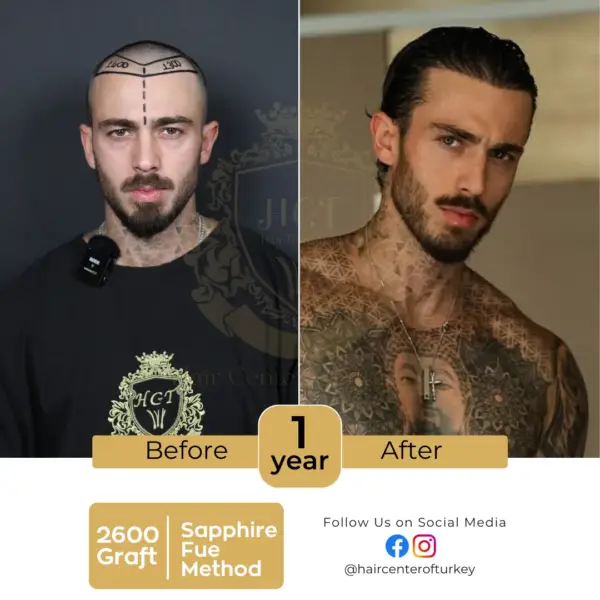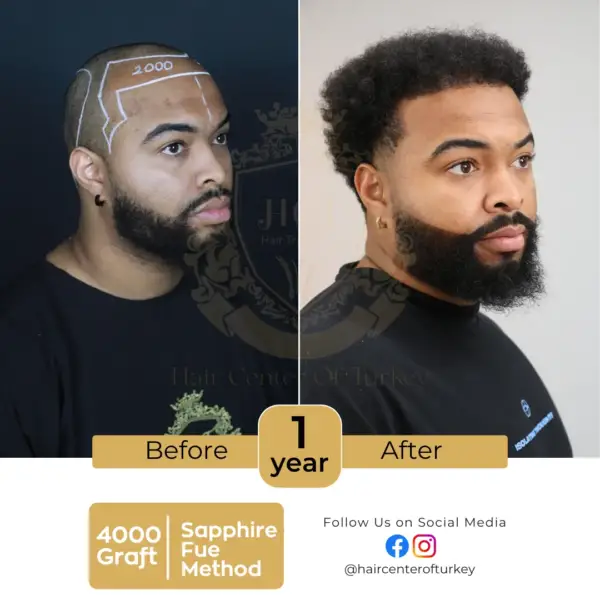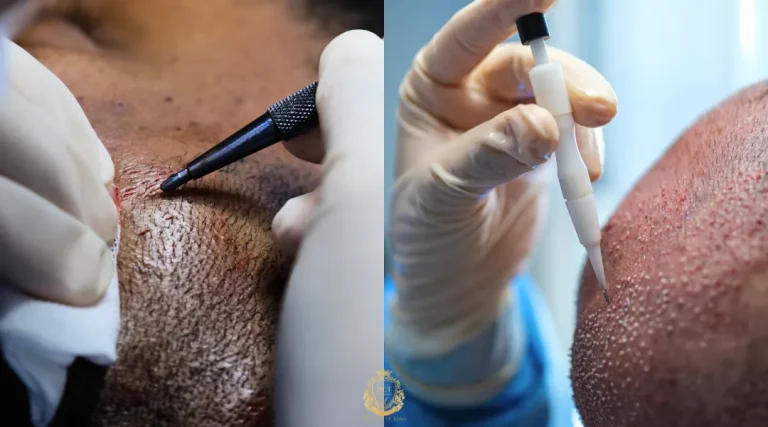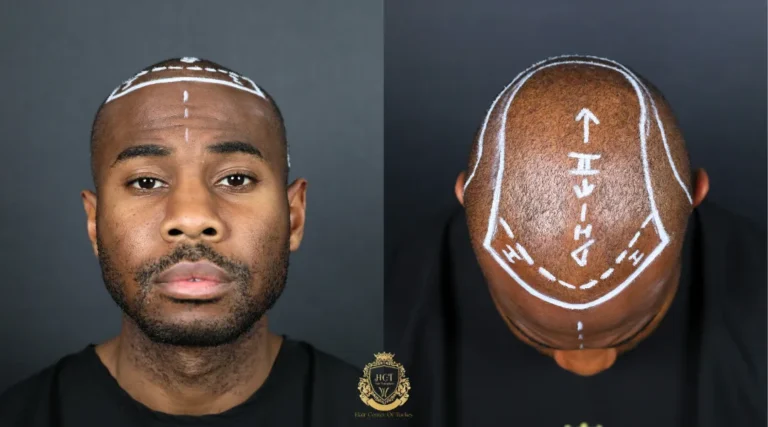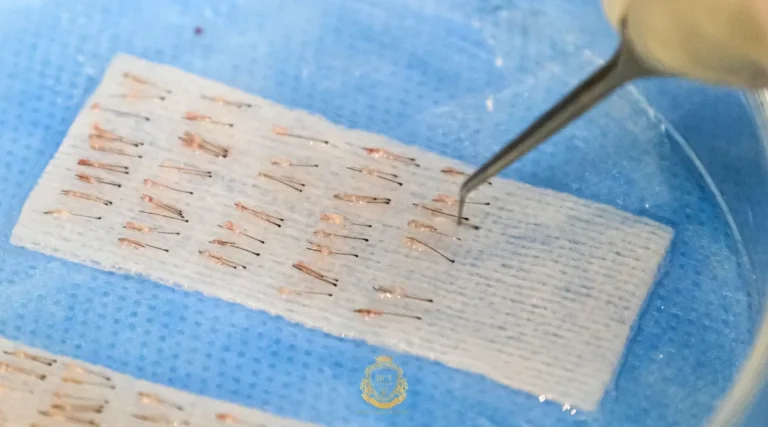



Yes, transplanted hair initially falls out in a normal process called “shock loss” within 2-8 weeks post-procedure. This shedding is temporary. The transplanted follicles remain and will begin to grow new, permanent hair within 3-4 months, with final results visible after 12-18 months.
Hair transplant surgery is a significant step toward restoring a fuller hairline, but many patients share a common concern: will the transplanted hair fall out? The short answer involves a temporary, expected shedding phase followed by permanent growth. Understanding the distinction between this initial “shock loss” and the long-term viability of the hair follicles is essential for managing expectations and navigating the recovery process with confidence. This guide explains the entire journey of a transplanted hair follicle, from the initial shedding to its permanent place on your scalp.
Table of Contents
Understanding Shock Loss: The Normal Shedding Phase
One of the most alarming yet completely normal stages of hair transplant recovery is “shock loss,” also known as effluvium. This process involves the shedding of the newly transplanted hairs, typically occurring between the second and eighth week after the procedure. Seeing the hairs you just paid to have implanted fall out can be disconcerting, but it is a predictable and even necessary part of the healing and regrowth cycle.
The primary reason for shock loss is the trauma experienced by the hair follicles and the surrounding scalp tissue during the extraction and implantation process. Each follicle is a delicate organ that is temporarily removed from its blood supply before being placed in a new location. This relocation stress forces the follicles into the telogen, or resting phase, of the hair growth cycle. As a result, the existing hair shaft is shed to make way for a new one that will grow from the now-settled follicle.
It is crucial to differentiate this from the loss of the follicle itself. The follicle, the small organ responsible for producing hair, remains securely anchored in the dermis. The shedding only affects the hair strand. In some cases, some of the native, non-transplanted hair near the recipient sites may also shed due to the localized trauma. This is also temporary, and those hairs typically regrow along with the transplanted ones.
The Hair Growth Cycle After a Transplant
To fully grasp why transplanted hair sheds and then regrows, it helps to understand the natural hair growth cycle. Hair growth occurs in three main phases: anagen (growth), catagen (transition), and telogen (resting). A hair transplant procedure essentially resets the clock for the transplanted follicles, pushing them into the telogen phase.
Anagen (Growth) Phase: This is the active growth phase, which can last anywhere from two to seven years. At any given time, about 85-90% of the hair on your head is in this phase. The follicles are actively producing hair fiber.
Catagen (Transition) Phase: A short, transitional phase lasting about two weeks. The hair follicle shrinks, detaches from the blood supply, and hair growth stops.
Telogen (Resting) Phase: This phase lasts for about three to four months. The hair shaft rests in the follicle until it is pushed out by the beginning of a new anagen phase.
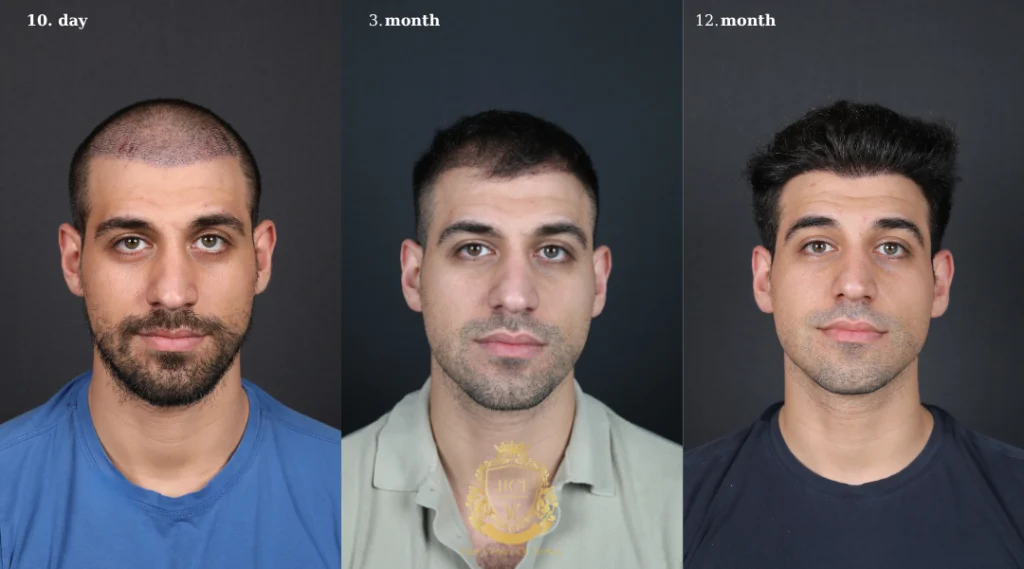
After a transplant, the relocated follicles enter the telogen phase due to the physical stress of the surgery. The shedding that occurs during shock loss is the culmination of this phase. Once the resting period is over, the follicle re-enters the anagen phase and begins to produce a new, healthy hair strand. This new growth usually becomes visible around the third or fourth month post-surgery, starting as fine, thin hair that gradually thickens and matures over the next year.
Are Transplanted Hair Follicles Permanent?
Whether the transplanted hair will fall out depends largely on a concept called “donor dominance.” Follicles are taken from the back and sides of the scalp — the “safe donor zone.” These follicles resist Dihydrotestosterone (DHT), the hormone responsible for androgenetic alopecia and pattern baldness.
When these DHT-resistant follicles are moved to the balding areas on the top or front of the scalp, they retain their genetic properties. This means they will not shrink or stop producing hair when exposed to DHT in the recipient area. The hair that grows from these transplanted follicles is, for all practical purposes, permanent. It will continue to grow for the rest of your life, just as it would have in its original location.
While the follicles are permanent, the health of the hair they produce still depends on overall health, nutrition, and age. Just like natural hair, transplanted hair will go through its normal growth cycles and may gradually thin or turn gray with age. However, it will not fall out due to the effects of pattern baldness.
Factors That Can Affect the Longevity of Transplanted Hair
While the principle of donor dominance ensures the genetic permanence of transplanted follicles, several factors can influence the overall success and visual longevity of the results. The initial survival rate of the grafts and their long-term health depend on both the procedure itself and post-operative care.
The expertise of the surgical team is paramount. The survival of each follicle depends on how carefully it is extracted, handled, and implanted. Overly aggressive extraction, dehydration of the grafts, or improper placement can damage follicles, preventing them from growing. This is why choosing a clinic with a proven track record is vital. Clinics with extensive experience, such as the Hair Center of Turkey, emphasize precise graft handling to maximize the survival rate, which should ideally be above 95%.
Post-operative care is equally critical. Following the clinic’s instructions diligently during the first few weeks is essential for protecting the new grafts. This includes proper washing techniques, avoiding strenuous activity, protecting the scalp from sun exposure, and refraining from smoking or consuming alcohol, which can impair blood flow and healing. Any action that puts physical strain on the grafts or compromises the healing environment can negatively impact the final outcome.
Comparing FUE and DHI: Does the Technique Matter?
The two most common hair transplant techniques are Follicular Unit Extraction (FUE) and Direct Hair Implantation (DHI). Both methods involve harvesting individual follicles from the donor area, but they differ in the implantation process. Understanding these differences can help clarify how each might affect graft survival and the initial shedding phase.
Feature | Follicular Unit Extraction (FUE) | Direct Hair Implantation (DHI) |
|---|---|---|
Implantation Method | Surgeon creates incisions first, then places grafts into them. | Grafts are loaded into a Choi Implanter Pen and implanted directly. |
Graft Handling | Grafts are stored in a solution before implantation. | Less time outside the body, as implantation is more direct. |
Control Over Angle/Depth | Highly dependent on the skill of the surgeon creating channels. | The Choi Pen offers precise control over the angle, depth, and direction. |
Potential for Trauma | Two-step process (incision, then placement) can slightly increase handling. | One-step process may reduce graft trauma and time outside the body. |
Both FUE and DHI can produce excellent, permanent results when performed by a skilled team. The DHI method’s main advantage is potentially reducing the time grafts spend outside the body, which could theoretically improve the survival rate. However, the skill of the surgeon remains the single most important factor, regardless of the technique used. A well-executed FUE procedure will yield better results than a poorly performed DHI procedure, and vice versa.
Post-hair transplant care procedure

Proper care in the days and weeks following a hair transplant is crucial for protecting your investment and ensuring the best possible results. The primary goals are to prevent infection, minimize swelling, and protect the fragile new grafts from being dislodged.
Following your clinic’s specific aftercare protocol is non-negotiable. Key instructions generally include:
Gentle Washing: You will be shown a specific washing technique using a prescribed foam and shampoo, typically starting 2-3 days after the procedure. This helps remove scabs and keeps the area clean without dislodging grafts.
Sleeping Position: Sleeping with your head elevated on several pillows for the first week helps reduce swelling. A travel pillow can also prevent you from accidentally rubbing the recipient area against the pillow.
Avoiding Physical Strain: Strenuous exercise, heavy lifting, and activities that cause sweating should be avoided for at least two weeks to prevent increased blood pressure in the scalp and potential damage to the grafts.
Sun and Environmental Protection: The scalp will be sensitive and should be protected from direct sunlight for at least four weeks. Wearing a loose-fitting hat is recommended when outdoors.
Diet and Hydration: A balanced diet rich in vitamins and minerals, along with plenty of water, supports the body’s healing process and promotes healthy hair growth.
Adhering to these guidelines helps create the optimal environment for the transplanted follicles to heal, anchor securely, and begin their new growth cycle.
Frequently Asked Questions
When Will I See the Final Results of My Hair Transplant?
Initial new hair growth typically starts around 3-4 months after the procedure. However, the hair will initially be fine and thin. It takes approximately 12 to 18 months for the hair to fully mature in thickness and length, revealing the final results of the transplant.
Is Shock Loss a Sign of a Failed Transplant?
No, shock loss is a completely normal and expected part of the recovery process. It indicates that the transplanted follicles have entered the resting phase of the hair cycle before they begin to produce new hair. The absence of shock loss does not mean failure, and its presence is not a cause for concern.
Can Transplanted Hair Thin Over Time?
The transplanted hair follicles are genetically resistant to pattern baldness and should not fall out for that reason. However, like all hair, they are subject to the natural aging process. This means they may gradually thin or turn gray over many years, consistent with the aging of your other non-transplanted hair.
Do I Need to Take Medication After the Transplant to Prevent Hair Loss?
Medications like Finasteride or Minoxidil are often recommended to prevent further loss of your existing, non-transplanted native hair. While the transplanted hair is permanent, you may continue to lose native hair around it. Your surgeon will advise if a medical management plan is appropriate for maintaining your overall hair density.
Explore the complete guide: Recovery Process After Hair Transplant