

Table of Contents
Hair transplant for diabetic patients is a special process that can be performed safely with proper planning, medical evaluation, and an expert team approach. Before a hair transplant decision is made for people with diabetes, blood sugar balance, general health condition, medications used, and wound healing capacity should be evaluated in detail. For this reason, Hair Transplant for Diabetic Patients requires a more careful preparation and follow-up process than standard hair transplant procedures.
Hair Center of Turkey adopts an approach that focuses not only on the aesthetic result but also on the patient’s overall health during the hair transplant process for diabetic patients. In patients with diabetes, the pre-operative, intra-operative, and post-operative periods are planned specifically. At Hair Center, the anesthesia process is carried out with the support of an anesthesiologist. This creates an important difference in terms of patient safety.
What Is Hair Transplant For Diabetic Patients?
Hair transplant for diabetic patients is a procedure applied to people diagnosed with diabetes who experience hair loss, but it requires more careful planning compared to standard hair transplant processes. Before hair transplant for diabetic patients is performed, the person’s blood sugar level, general health condition, medications used, and whether diabetes is under control are evaluated in detail. Since diabetes can affect the wound healing process and increase the risk of infection, comprehensive preparation is required before hair transplantation.
The main goal of this procedure is to collect hair follicles from the donor area and transplant them to areas with thinning or baldness. However, when planning hair transplant for diabetic patients, not only the aesthetic result but also the patient’s ability to complete the process safely is prioritized. Hair transplant can be performed in a more controlled way in diabetic patients whose blood sugar is balanced, who proceed under medical supervision, and who have completed the necessary preliminary evaluations.
Can Diabetic Patients Have Hair Transplant?
Diabetic patients can have a hair transplant; however, this decision must be made after a personalized evaluation. The most important criterion for hair transplant in diabetic patients is regular blood sugar monitoring and keeping the disease under control. In cases of uncontrolled diabetes, the risk of infection may increase, the healing period may become longer, and the expected comfortable process after hair transplant may progress more difficultly. Therefore, the patient’s medical history should be examined in detail before the procedure.
Before hair transplant, the patient’s diabetes medications, insulin treatment, fasting and post-meal blood sugar values, and any additional diseases are evaluated. When suitable conditions are met, diabetic patients can achieve successful results from the hair transplant process. The important point here is that the procedure should be planned by an experienced team and that the patient should carefully follow the recommendations given before and after the operation.
Is Hair Transplant Safe For Diabetic Patients?
Hair transplant in diabetic patients can be performed safely when proper planning is done. However, the level of safety depends on the patient’s type of diabetes, blood sugar control, immune status, and overall health condition. Especially in people whose blood sugar has remained high for a long time, wound healing may be delayed and the risk of infection may increase. Therefore, the medical evaluation before hair transplant is very important for the safety of the procedure.
Sterile conditions, an appropriate operation plan, and post-operative care instructions play a critical role in the hair transplant process for diabetic patients. During the healing period, the patient should monitor blood sugar regularly, not skip recommended medications, and protect the transplanted area. When these conditions are met, hair transplant for diabetic patients can become a safer, more comfortable, and more successful process.
Hair Transplant For Type 1 Diabetes Patients
Hair transplant for Type 1 diabetes patients should be planned with special attention to insulin use and blood sugar balance. In Type 1 diabetes, the body cannot produce enough insulin, so patients usually receive regular insulin treatment. For this reason, before hair transplant, insulin routine, nutrition plan, and blood sugar monitoring on the day of the procedure should be organized in detail. If blood sugar is not under control, the operation may need to be postponed.
When performing hair transplant in Type 1 diabetes patients, the goal is to protect the patient from blood sugar fluctuations during and after the procedure. The duration of the operation, the technique to be used, and the post-operative care plan are determined according to the patient’s health condition. Type 1 diabetes patients who are under regular medical supervision, whose blood sugar values are stable, and whose general health condition is suitable can be evaluated for hair transplant.
Hair Transplant For Type 2 Diabetes Patients
Hair transplant for Type 2 diabetes patients is generally planned according to the level of disease control. Type 2 diabetes can often be controlled through diet, lifestyle changes, oral medications, or insulin therapy. Before hair transplant, the patient’s blood sugar values, HbA1c level, medications used, and additional health problems are taken into consideration. If diabetes is under control, a more suitable basis for hair transplant is created.
Blood sugar monitoring is very important for a healthy healing process after hair transplant in Type 2 diabetes patients. In the post-operative period, the patient should pay attention to nutrition, continue following the doctor’s recommendations, and keep the transplanted area hygienic. In suitable candidates, Type 2 diabetes is not an obstacle to hair transplant; however, the process must be planned individually and carried out with a professional approach.
Things To Consider Before Hair Transplant In Diabetic Patients
The pre-operative process for diabetic patients should be planned more carefully than standard hair transplant preparation. Blood sugar control, medications used, general health condition, and wound healing potential can directly affect the success of the operation. Therefore, it is important that both the hair transplant specialist and the doctor following the patient evaluate the case before the procedure.
- Blood sugar values should be monitored regularly.
- Whether diabetes is under control should be evaluated.
- Insulin or diabetes medications used should definitely be shared with the specialist.
- HbA1c value and general blood tests should be reviewed.
- The procedure should be planned in sterile clinical conditions against the risk of infection.
- Nutrition and medication use on the day of the operation should be arranged according to the doctor’s recommendation.
- Smoking, alcohol, and habits that may negatively affect healing should be avoided.
- The patient should be informed about following post-hair transplant care instructions.
What Should Blood Sugar Level Be Before Hair Transplant?
Blood sugar level before hair transplant should be evaluated according to the patient’s general health condition and type of diabetes. It would not be correct to give a single number that applies to everyone, because fasting blood sugar, post-meal blood sugar, HbA1c level, medications used, and additional diabetes-related health problems should be considered together. The important point is that blood sugar should not show sudden fluctuations before the procedure and should remain balanced under medical supervision.
In diabetic patients, blood sugar evaluation before hair transplant should not be limited only to the measurement made on the day of the operation. Values that show long-term sugar control should also be taken into account, and the patient’s wound healing capacity and risk of infection should be considered. In people with uncontrolled blood sugar, hair transplant may be postponed; once suitable values are achieved, the procedure can be planned more safely.
Suitable Candidates For Hair Transplant In Diabetic Patients
Suitable candidates for hair transplant among diabetic patients are primarily people whose disease is under control and whose general health condition is suitable for the procedure. Patients who regularly monitor blood sugar, do not neglect doctor check-ups, use diabetes medications regularly, and can comply with the post-operative care process are considered more advantageous for hair transplant. In these patients, hair transplant planning can be done more safely and predictably.
In candidate evaluation, the type of hair loss, hair follicle density in the donor area, and the person’s expectations are also considered. Having diabetes alone is not an obstacle to hair transplant; however, if there is uncontrolled blood sugar, active infection, serious circulation problems, or additional diseases that negatively affect healing, a more comprehensive evaluation is required before the procedure. Therefore, the decision on suitability should be made individually.
Hair Transplant In Diabetic Patients Under Control
Hair transplant in diabetic patients under control can be performed after the necessary medical evaluations are completed. For patients whose blood sugar remains balanced, whose HbA1c value is considered suitable by the doctor, and whose additional health problems are under control, the hair transplant process progresses more safely. In this group of patients, the operation plan, procedure duration, and technique to be applied are determined according to the person’s health condition.
Diabetes control should also continue after hair transplant. The success of hair transplant in diabetic patients under control depends not only on the correct performance of the operation but also on careful management of the healing process. The patient should continue blood sugar monitoring, follow the care recommendations given, and protect the transplanted area against the risk of infection. This approach positively affects both the healing process and the hair transplant result.
Hair Transplant Risks In Diabetic Patients
Hair transplant risks in diabetic patients are mostly related to blood sugar control and the healing process. If the disease is not well managed, problems such as post-operative infection, delayed healing, or prolonged crusting may occur. Therefore, in order to reduce risks, a detailed evaluation should be performed before hair transplant and the post-operative care process should be followed carefully.
- Wound healing may progress more slowly than normal.
- The risk of infection may increase.
- The post-operative crusting process may last longer.
- Fatigue or healing problems related to blood sugar fluctuations may occur.
- Sensitivity in the donor and transplanted areas may last longer.
- The attachment process of hair follicles may be negatively affected.
- If there are additional diseases, operation comfort may decrease.
- The risk of complications may increase if care instructions are not followed.
Recovery Process After Hair Transplant In Diabetic Patients
The recovery process after hair transplant in diabetic patients is closely related to blood sugar control. In patients whose blood sugar is balanced, crusting, redness, and sensitivity in the transplanted area generally progress in a more controlled way. However, since diabetes can affect wound healing, it is important for the patient to follow the doctor’s recommendations, not skip medications, and pay attention to nutrition during this period.
During the healing process, the transplanted area should be kept clean, the given washing instructions should be applied correctly, and contact that may increase the risk of infection should be avoided. The process after hair transplant in diabetic patients may vary from person to person; therefore, in cases of unexpected redness, discharge, excessive pain, or persistent sensitivity, a specialist should be contacted. Regular follow-up and proper care help the healing process to be completed more comfortably.
Success Rate Of Hair Transplant In Diabetic Patients
The success rate of hair transplant in diabetic patients depends on how well the patient’s diabetes is controlled, general health condition, hair follicle quality, and whether the operation is performed by an expert team. Successful results can be achieved in patients whose blood sugar is balanced, who are under regular medical supervision, and who follow post-hair transplant care instructions. Therefore, one of the most important factors determining success in diabetic patients is the preparation and follow-up process.
In cases of uncontrolled diabetes, the attachment process of hair follicles, wound healing, and post-operative comfort may be negatively affected. For this reason, it would not be correct to give a clear and universal success rate for hair transplant in diabetic patients. The person’s metabolic condition, hair density in the donor area, the size of the area to be transplanted, and healing capacity should be evaluated together to create a more realistic expectation of results.
Post-Hair Transplant Care For Diabetic Patients
Post-hair transplant care for diabetic patients is very important both for the healthy attachment of transplanted hair follicles and for reducing the risk of infection. During this process, the patient should follow the washing program recommended by the hair transplant specialist, avoid impacts to the transplanted area, and continue blood sugar monitoring regularly. Maintaining blood sugar balance contributes to a healthier healing process.
In the post-operative period, it is necessary to pay attention to nutrition, consume enough fluids, and avoid habits that may negatively affect healing. During the post-hair transplant care process for diabetic patients, behaviors such as scratching, removing crusts, or using products that are not recommended should be avoided. When proper care is applied, the healing of the transplanted area is supported and the hair transplant result can become more successful.
Hair Transplant Prices For Diabetic Patients 2026
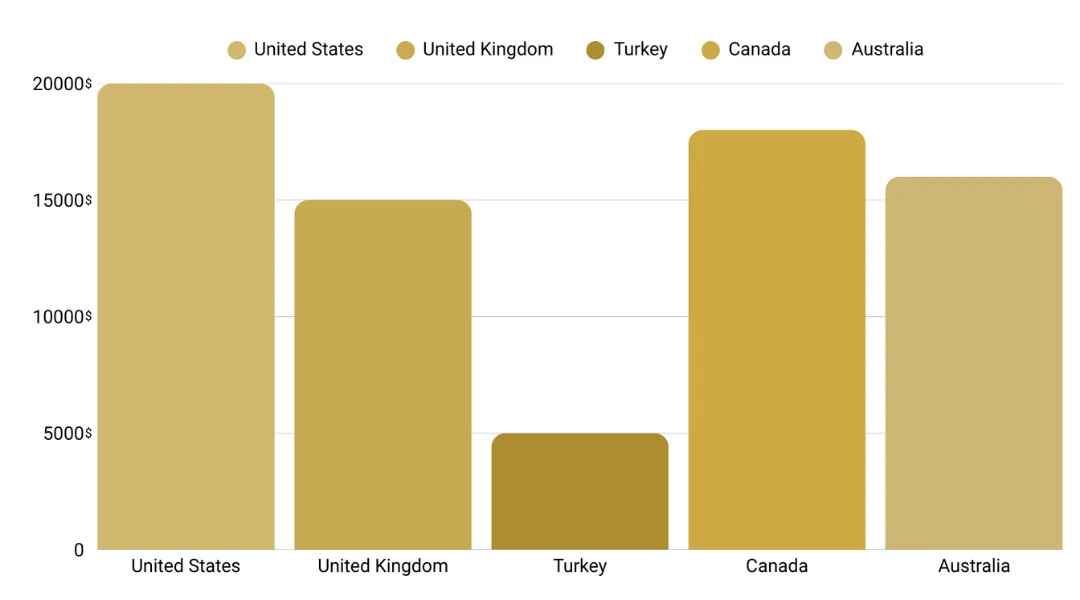
Hair transplant prices for diabetic patients in 2026 may vary depending on the clinic where the procedure will be performed, the experience of the expert team, the hair transplant technique to be applied, the number of grafts to be transplanted, and the special follow-up process the patient may need. Since hair transplant in diabetic patients may require a more detailed preliminary evaluation and a more careful operation process compared to standard planning, pricing is determined individually.
Therefore, it would not be correct to give a clear figure for hair transplant prices for diabetic patients in 2026. The most suitable treatment plan is created by evaluating the patient’s blood sugar control status, level of hair loss, donor area adequacy, and post-operative follow-up needs. Contact us now for hair transplant prices for diabetic patients.
Frequently Asked Questions
Can Diabetic Patients Have Hair Transplant?
Diabetic patients can have a hair transplant; however, it is important that blood sugar levels are under control before the procedure, general health condition is evaluated, and the opinion of the doctor following the patient is obtained.
Is Diabetes An Obstacle To Hair Transplant?
Diabetes alone is not an obstacle to hair transplant. The main determining factors are whether the disease is under control, wound healing capacity, and whether the risk of infection is properly evaluated before the procedure.
Can Someone Who Uses Insulin Have Hair Transplant?
People who use insulin can have a hair transplant when blood sugar balance is achieved and the procedure is considered suitable under medical supervision. On the day of the operation, insulin and nutrition routines should be planned according to specialist recommendations.
What Should Blood Sugar Be For Hair Transplant?
Blood sugar level for hair transplant should be evaluated individually. It would not be correct to give a single number; fasting and post-meal blood sugar, HbA1c level, and general health condition should be examined together.
Is Hair Transplant Risky For Diabetic Patients?
Hair transplant in diabetic patients may be riskier in cases of uncontrolled diabetes. Since conditions such as infection, delayed healing, and blood sugar fluctuations may occur, the procedure should be planned carefully.
Does Hair Transplant Work In Diabetic Patients?
Hair transplant in diabetic patients can work when blood sugar is under control and post-operative care instructions are followed. The attachment of hair follicles is related to the person’s metabolic balance, donor area quality, and care process.
Does Recovery After Hair Transplant Take Longer In Diabetic Patients?
Recovery after hair transplant in diabetic patients may take longer in some people depending on blood sugar control. Regular follow-up, proper care, and compliance with hygiene rules support the healing process.
Can Type 2 Diabetes Patients Have Hair Transplant?
Type 2 diabetes patients may be suitable candidates for hair transplant if their disease is under control. Medications used, blood sugar values, HbA1c result, and additional health problems should be evaluated before the procedure.
Should Diabetic Patients Stop Their Medications Before Hair Transplant?
Diabetic patients should not stop their medications before hair transplant on their own. Any adjustment in insulin or diabetes medications must be made according to the recommendation of the doctor following the patient.
Which Hair Transplant Method Is Most Suitable For Diabetic Patients?
The most suitable hair transplant method for diabetic patients is determined according to the person’s health condition, level of hair loss, donor area quality, and blood sugar control. Therefore, the choice of method should be planned individually.
Explore the complete guide: Medical Safety and Eligibility