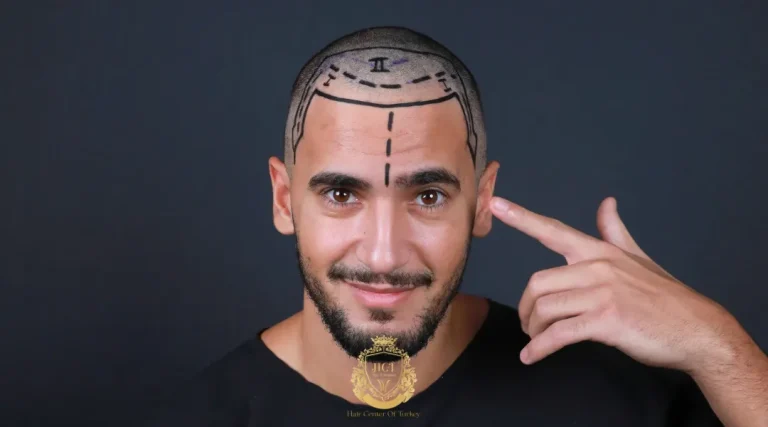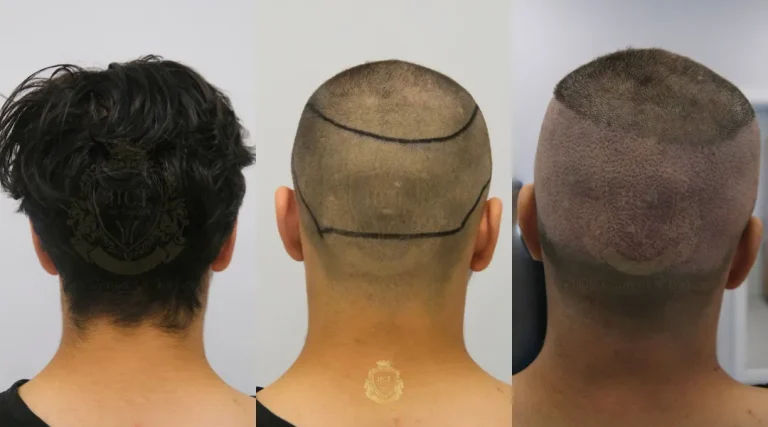


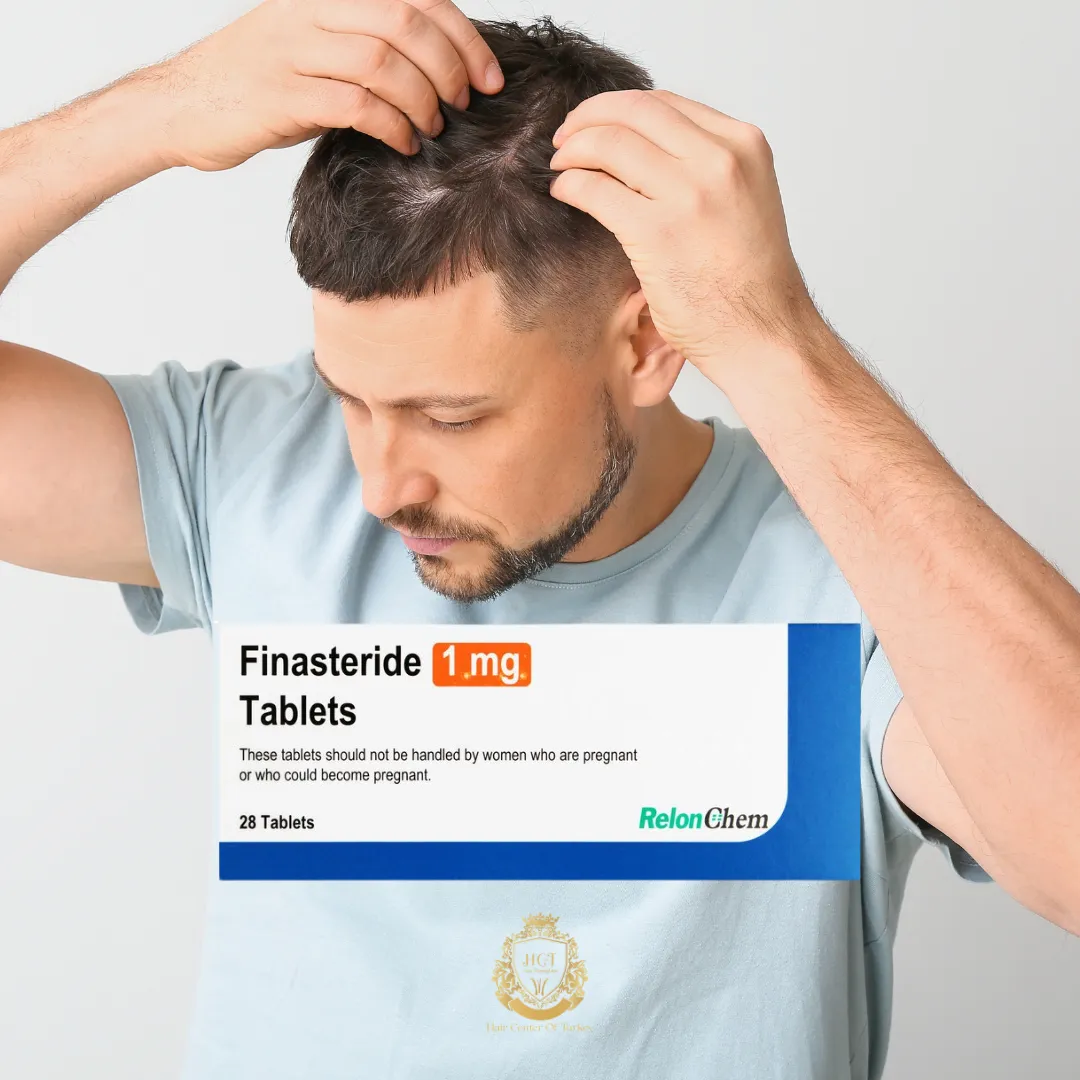
What Is Finasteride Shedding?
Finasteride shedding is a temporary increase in hair loss that can occur after starting finasteride treatment.
Although it can feel alarming, this shedding phase is usually a normal and short-lived part of how the medication works and often signals that the hair growth cycle is resetting.
Table of Contents
What Is Finasteride?
Finasteride is a prescription medication used primarily to treat androgenetic alopecia (male pattern hair loss) and benign prostatic hyperplasia (BPH).
It works by inhibiting the enzyme 5-alpha reductase, which converts testosterone into dihydrotestosterone (DHT). DHT is the hormone responsible for shrinking hair follicles and shortening the hair growth cycle in genetically predisposed individuals.
By reducing DHT levels, finasteride helps slow hair loss and, in some cases, supports regrowth when used consistently.
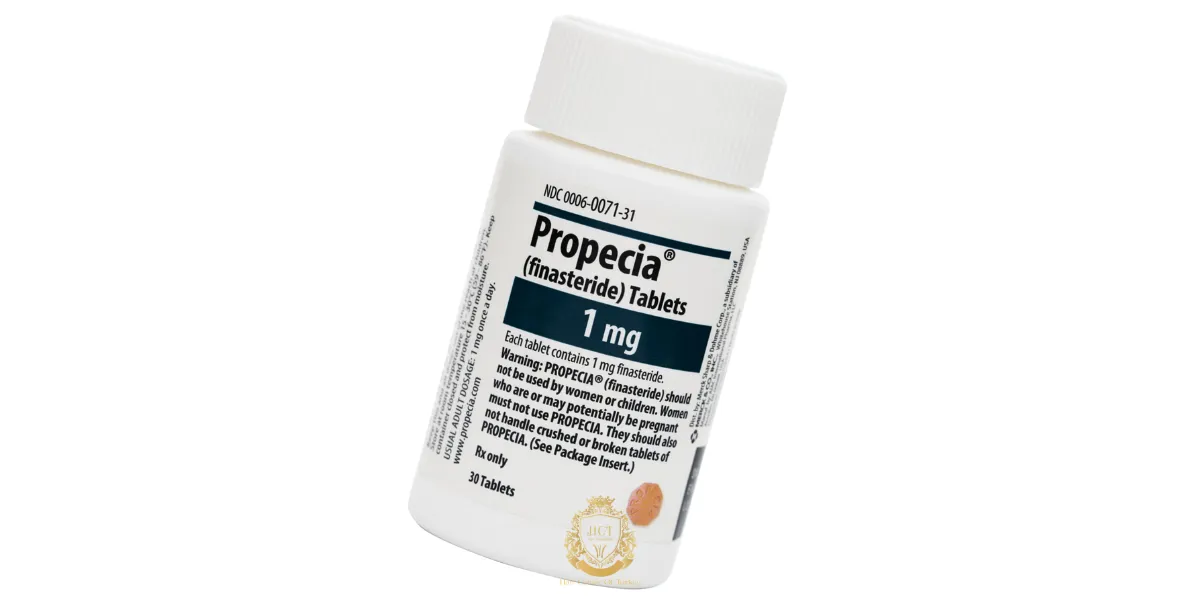
Who Can Use Finasteride?
Finasteride is approved for adult men experiencing male pattern hair loss or prostate enlargement.
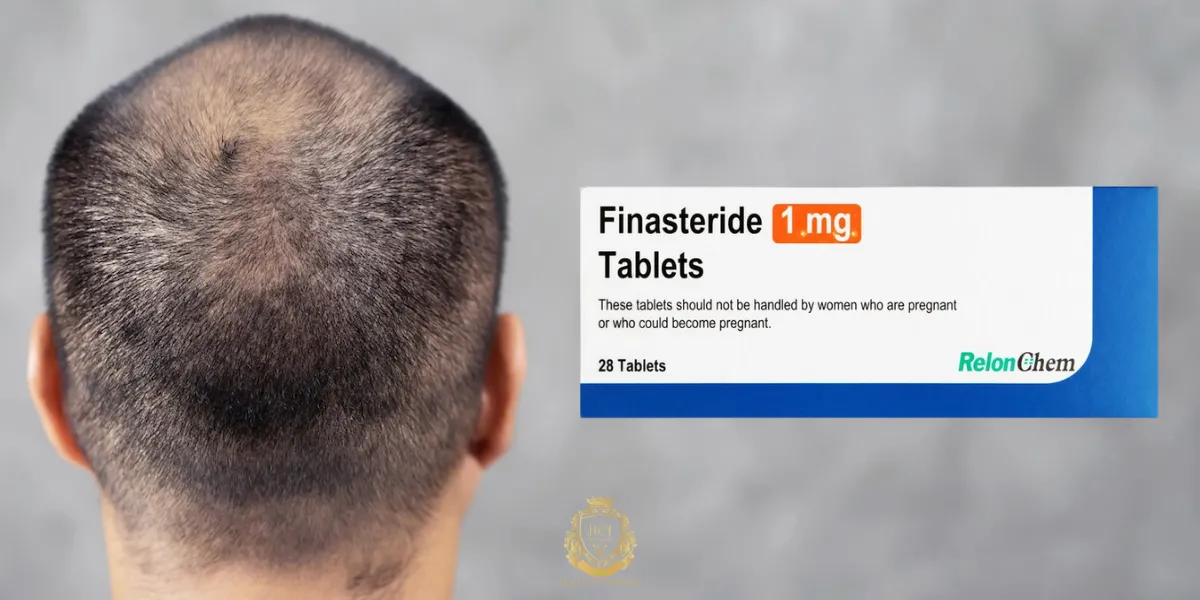
It is not recommended for women or children. Pregnant women should never handle crushed or broken tablets, as finasteride can cause developmental abnormalities in male fetuses.
A medical consultation is essential before starting treatment to assess suitability and discuss potential side effects.
What Is Finasteride Shedding?
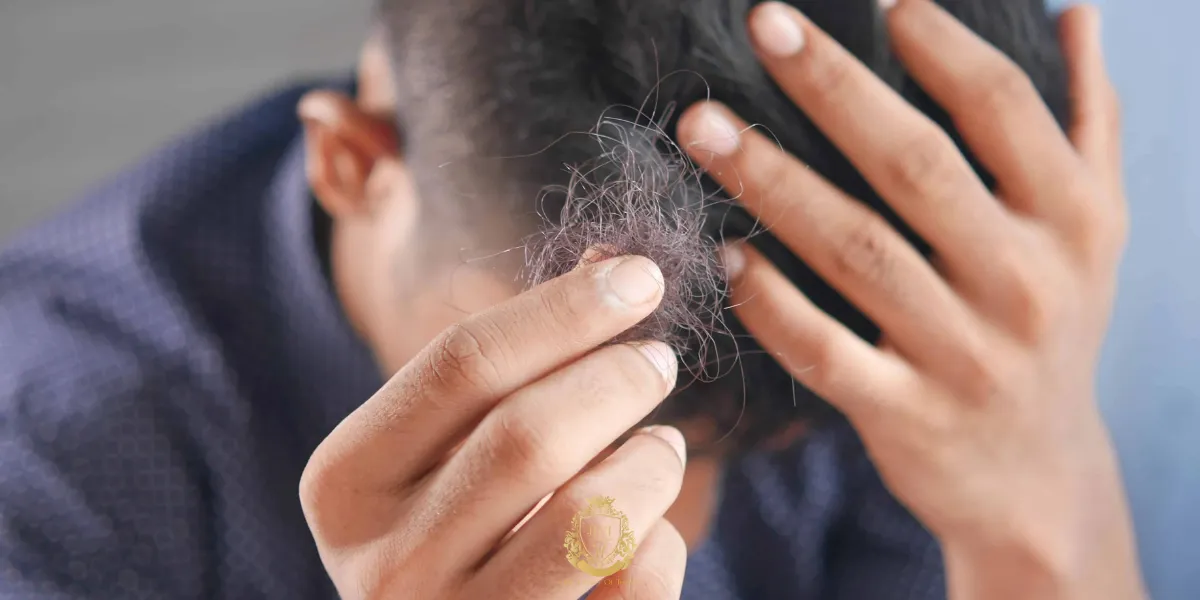
Finasteride shedding refers to a temporary increase in hair fall that some users experience shortly after beginning treatment.
This occurs because finasteride alters the hair growth cycle, causing weaker hairs to shed so they can be replaced by stronger, healthier ones. The process can make hair appear thinner before improvement begins.
Why Does Finasteride Cause Shedding?
Hair follicles affected by DHT often produce thin, weakened hairs. When finasteride reduces DHT levels, these compromised hairs are pushed out of the growth cycle.
This allows follicles to restart a healthier growth phase. The shedding is part of this transition and does not mean treatment failure.
How Long Does Finasteride Shedding Last?
In most cases, finasteride shedding lasts between two and three months.
After this period, shedding usually slows down, and hair density may gradually improve. Visible results often take six to twelve months of consistent use.
What You May Notice During the Shedding Phase
Common experiences include:
Increased hair fall during washing or styling
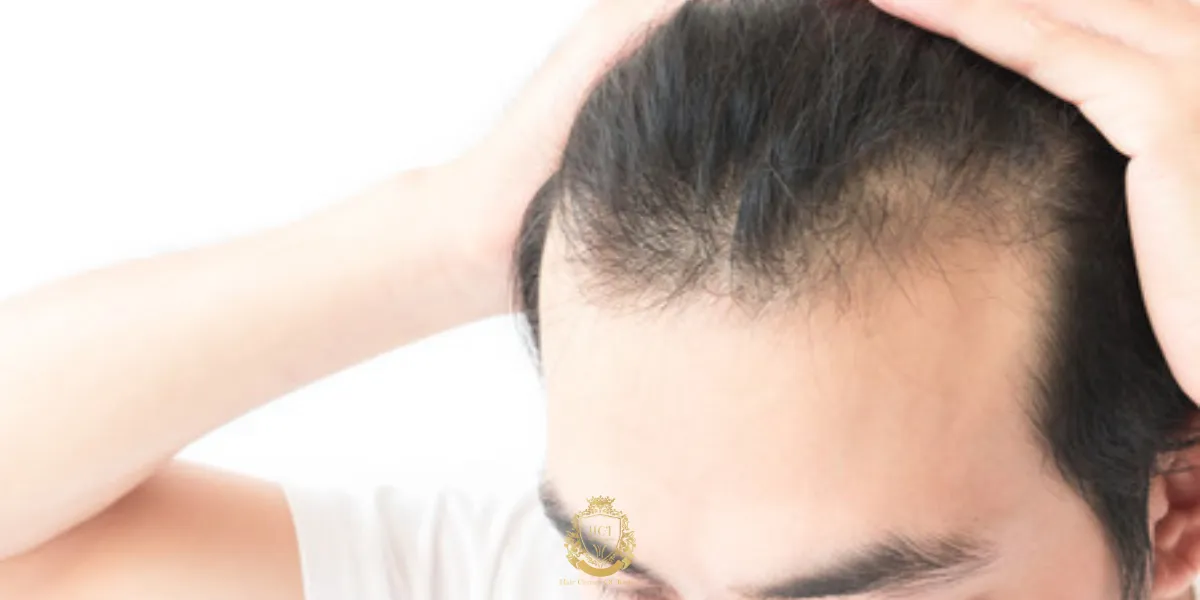
A temporary thinning appearance
Gradual stabilization followed by regrowth
The process can be uneven, with some areas shedding more noticeably than others.
How To Manage Finasteride Shedding
Patience is essential. Stopping the medication during the shedding phase can interrupt progress.
Helpful steps include:
Continuing finasteride as prescribed
Using gentle hair care products
Avoiding excessive heat or traction
Consulting a doctor if shedding lasts longer than three months
Does Everyone Experience Finasteride Shedding?
No. Some people experience noticeable shedding, while others do not.
The likelihood depends on factors such as the stage of hair loss, individual follicle sensitivity to DHT, and how many weakened hairs are present at the start of treatment.
Is Finasteride Shedding A Good Sign?
In many cases, yes. Shedding often indicates that finasteride is actively affecting the hair cycle.
While not everyone who benefits from finasteride experiences shedding, its presence does not mean the treatment is failing.
Common Myths About Finasteride Shedding
Myth: Shedding means finasteride is not working
Fact: Shedding is often part of the treatment response
Myth: Hair lost during shedding is permanent
Fact: Shed hairs are usually replaced with stronger ones over time
Alternatives If Finasteride Is Not Suitable
For those who cannot tolerate finasteride or prefer alternatives, options may include:
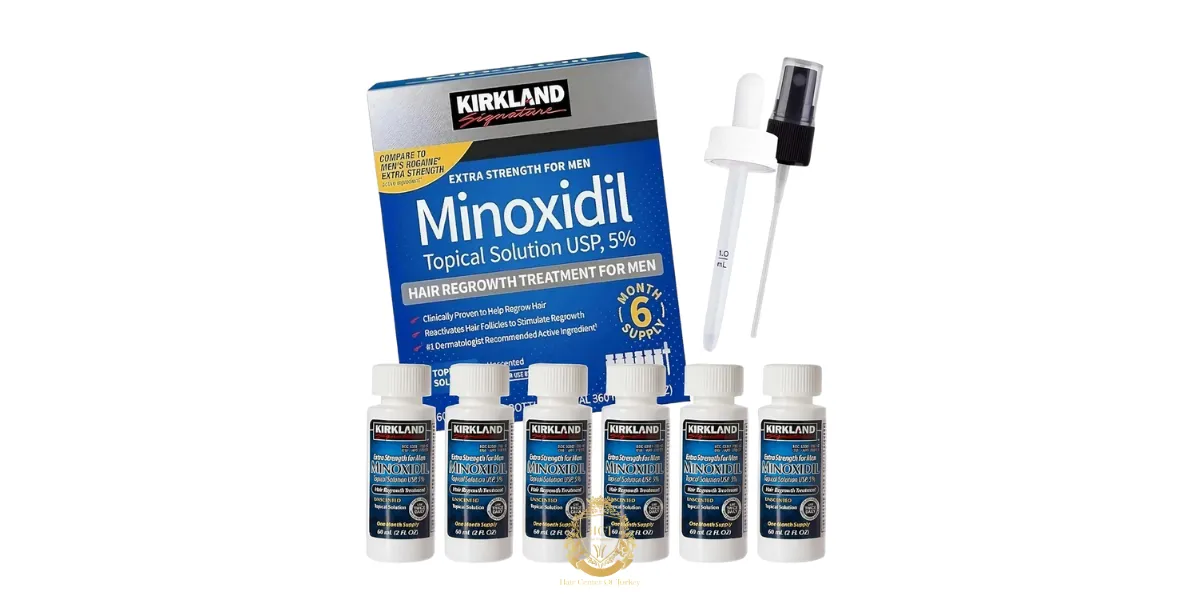
Topical hair growth treatments
Nutritional support under medical guidance
Platelet-based scalp therapies
Non-hormonal hair restoration strategies
A specialist can help determine the most appropriate approach.
Frequently Asked Questions
Does shedding mean finasteride is working?
Sometimes; early shedding can occur and may precede regrowth, but isn’t proof.
How can I stop finasteride shedding?
You usually can’t stop it; continue treatment and consult your dermatologist before changes.
What are the first signs that finasteride is working?
Reduced daily shedding and thicker hairs at crown/temples after 3–6 months.
Is it possible to still go bald on finasteride?
Yes; some men still thin, but finasteride often slows or stabilizes loss.
Is Elon Musk using finasteride?
Not publicly confirmed; no official reports say Musk uses finasteride.
Explore the complete guide: Hair Loss Treatments