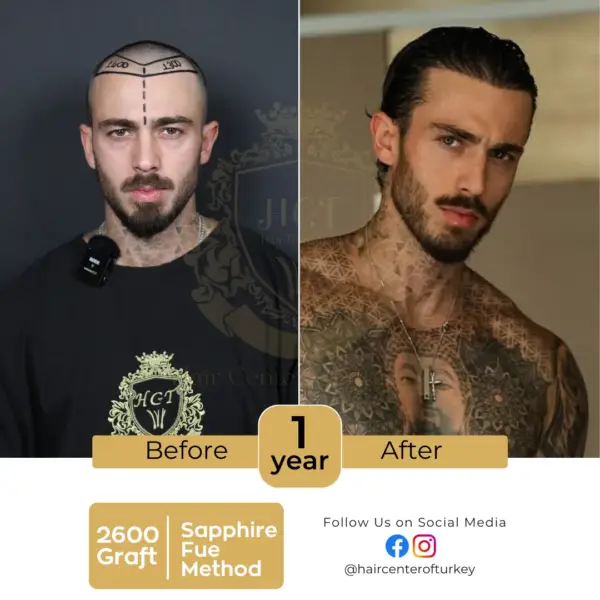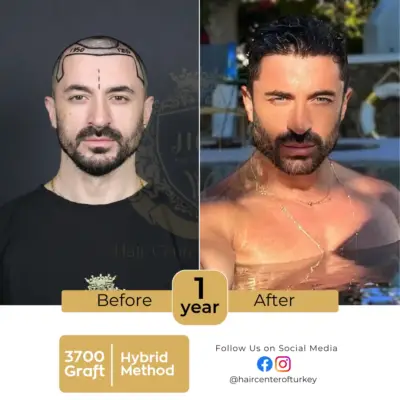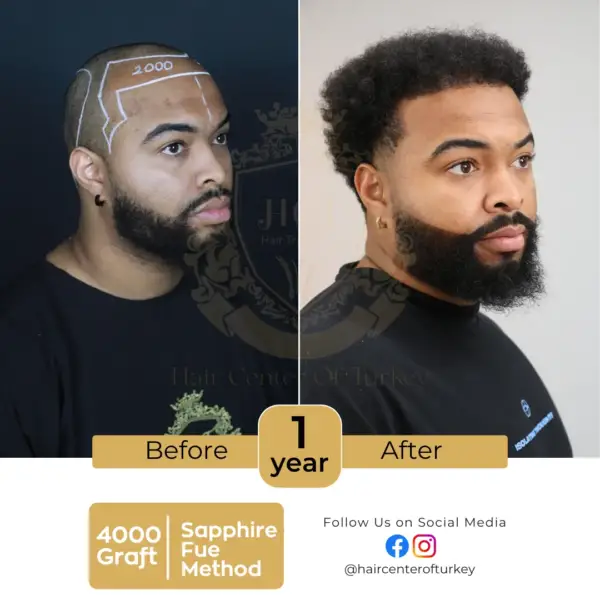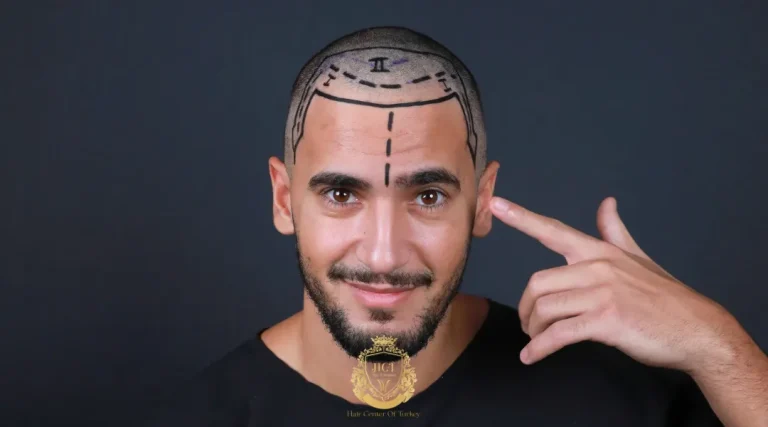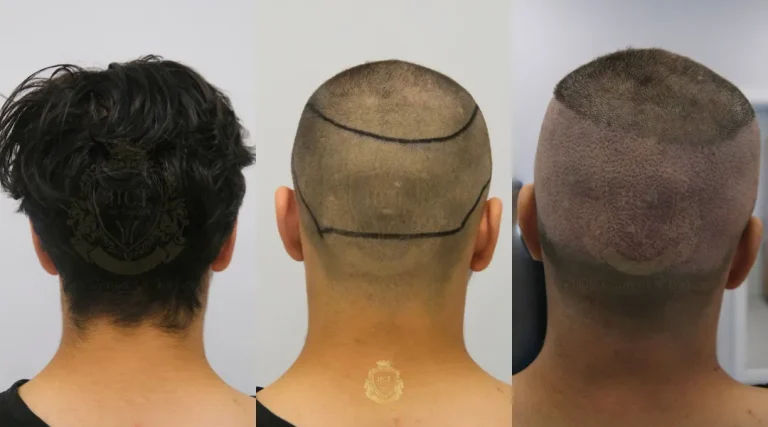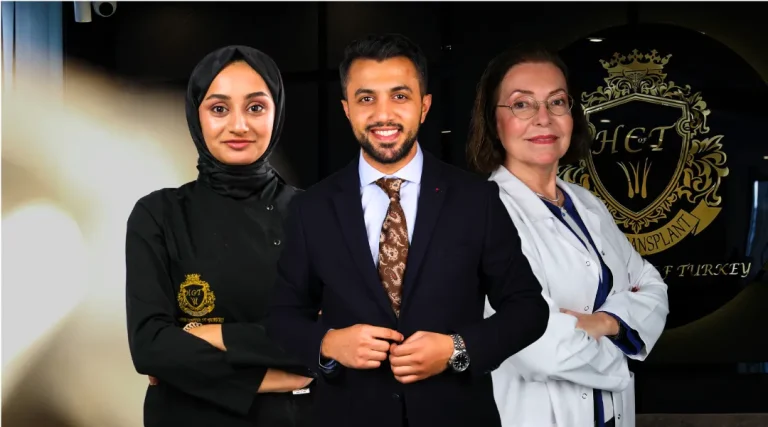


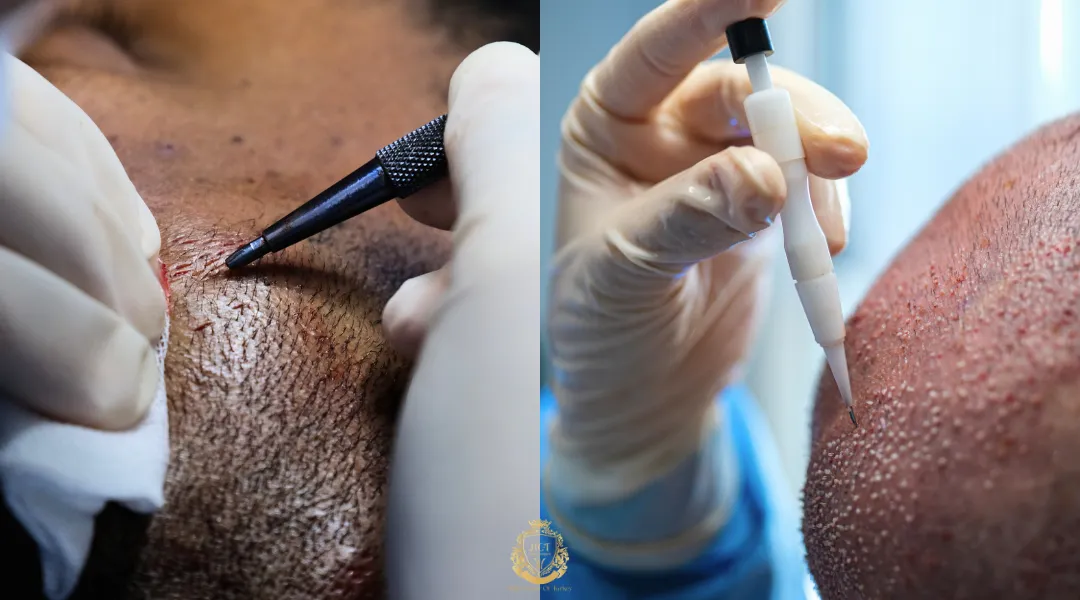
Founded in 2014, the Hair Center of Turkey offers advanced hair transplant techniques that have attracted the attention of a large number of patients thanks to its exceptional care and the results it achieves. This renowned clinic carries out over 3,000 procedures each year, ensuring that every patient receives personalised care and achieves first-class results.
For those considering a hair transplant, understanding the differences between various methods is crucial for making an informed decision. Hair transplant methods vary in terms of technique, recovery time, cost, and results, making it essential for patients to fully grasp these distinctions to choose the best fit for their needs.
Introduction to Hair Transplant Methods
Hair transplant methods have evolved significantly over the years, providing patients with multiple options to effectively address hair loss. The primary methods include Follicular Unit Extraction (FUE), Follicular Unit Transplantation (FUT), and Direct Hair Implantation (DHI). Each technique has its unique processes, benefits, and considerations.
Table of Contents
Thus, choosing the right one depends on individual needs and circumstances. It’s not just about the technical aspects; factors like recovery time, cost, and desired outcome are equally important.
Selecting the appropriate hair transplant method can greatly impact the success and satisfaction of the results. Patients often prioritize methods that minimize scarring, offer a quicker recovery, and ensure a natural appearance.
Technological advancements have made hair transplants more accessible and effective, with clinics like the Hair Center of Turkey leading in delivering high-quality results. It’s vital for individuals to thoroughly research and consult with experts to determine the best approach for their specific situation. Considering various elements such as the skill level of the surgeon, the density of hair desired, and the long-term maintenance required can significantly influence the decision-making process.
FUE Method: Benefits and Considerations
Follicular Unit Extraction (FUE) is a popular hair transplant method known for its minimally invasive nature and excellent outcomes. During the FUE process, individual hair follicles are extracted from the donor area and transplanted to the recipient area. This method is favored for its ability to leave minimal scarring, as it does not involve the removal of a strip of skin like the FUT method. Instead, FUE results in tiny, dot-like scars that are often undetectable, allowing for a more aesthetically pleasing result.
The benefits of FUE extend beyond its scarring advantages. Patients typically experience a quicker recovery time compared to FUT, making it a preferred choice for those with busy lifestyles. Although FUE generally requires a longer procedure time due to the meticulous extraction process, the outcomes often justify the investment.
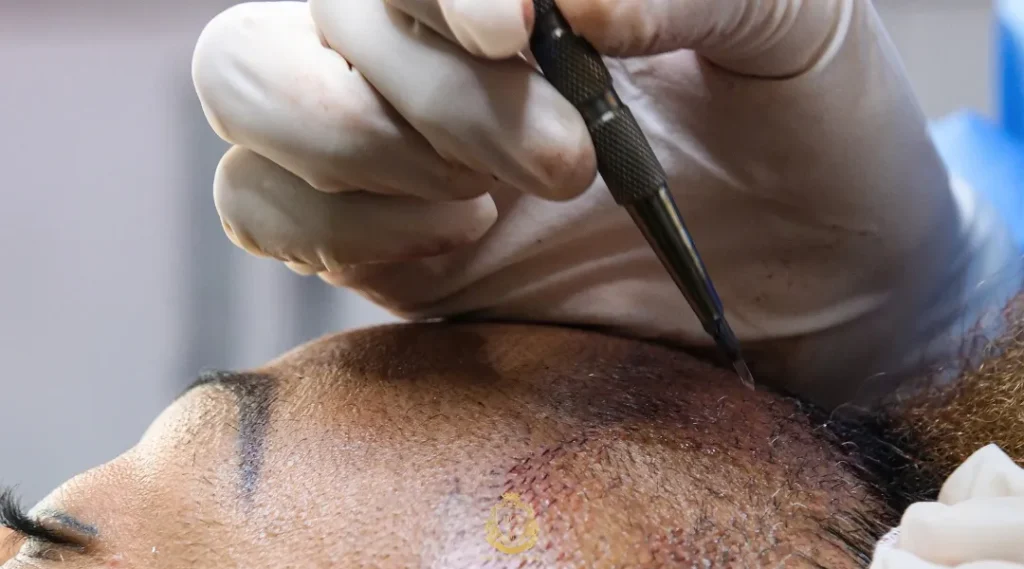
Additionally, FUE is suitable for individuals seeking a more natural-looking hairline, as it allows for precise placement of hair follicles. The precision in placement enables surgeons to mimic natural hair growth patterns, enhancing the overall appearance post-transplant.
When comparing FUE to FUT, the recovery time is notably shorter, often allowing patients to resume normal activities within a week. The success rates for FUE are impressive, ranging from 90-95%, highlighting its effectiveness in delivering satisfactory results. For those concerned about visible scarring and extended downtime, FUE offers a compelling solution. It also provides flexibility in terms of donor area selection, which can be a significant advantage for patients with limited donor hair availability.
Understanding FUT Method
Follicular Unit Transplantation (FUT), also known as the strip method, is a traditional hair transplant technique that remains a viable option for many patients. During the FUT procedure, a strip of skin containing hair follicles is removed from the donor area, usually the back of the head, and the follicles are then transplanted to the thinning or bald areas. This method is typically chosen for its ability to harvest a large number of grafts in a single session, making it suitable for extensive hair loss cases.
One of the primary considerations with FUT is the linear scar it leaves in the donor area. While this scar is generally concealed by surrounding hair, it can be a concern for those who prefer shorter hairstyles. Despite the scarring, FUT offers advantages such as a higher yield of grafts, which can be beneficial for patients requiring a significant amount of coverage. The increased graft count can result in a denser hair appearance, which is particularly desirable for individuals experiencing significant hair thinning.
In scenarios where extensive hair restoration is needed, FUT may be preferred due to its efficiency in graft extraction. Patients with limited donor hair availability might also find FUT advantageous, as it maximizes the number of grafts that can be harvested. Although the recovery period for FUT is longer than FUE, many patients find the increased hair density and coverage to be worth the trade-off. It’s important to consider the expertise of the surgical team when opting for FUT, as the skill in suturing and graft placement can significantly affect the final results.
DHI Technique: Precision and Innovation
Direct Hair Implantation (DHI) represents a modern approach to hair transplantation, focusing on precision and innovation. The DHI technique involves the use of a specialized tool that allows for the direct implantation of hair follicles into the scalp without prior creation of recipient sites. This method enhances the precision of graft placement, resulting in a more natural and dense appearance.
One of the standout advantages of DHI is its shorter recovery time, often allowing patients to resume normal activities within a week. The direct implantation process minimizes trauma to the scalp, reducing the risk of post-operative complications and promoting faster healing. However, this advanced technique is generally more costly than other methods such as FUE, due to the precision and expertise required. The meticulous nature of the procedure makes it a preferred choice for those seeking perfect hairline aesthetics and high-density outcomes.
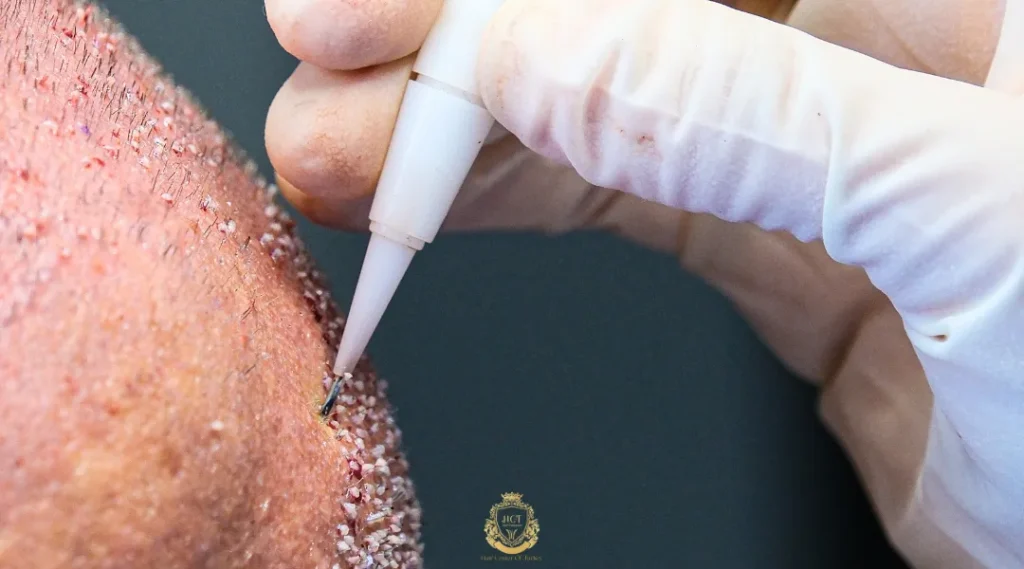
DHI is particularly beneficial for patients seeking high-density hair restoration and those looking to achieve a natural hairline with meticulous attention to detail. The cost implications of DHI reflect its advanced nature, but many patients find the results to be well worth the investment. For individuals prioritizing innovation and precision, DHI offers a compelling hair transplant solution. The technique also offers flexibility in terms of hairline design, allowing for customized results tailored to individual preferences and facial features.
Recovery Process and Timeline for Each Method
Understanding the recovery process and timeline for each hair transplant method is crucial for setting realistic expectations and ensuring optimal results. Generally, the recovery period involves several stages, including initial healing, shedding of transplanted hair, and the gradual growth of new hair.
For FUE, patients can expect a relatively quick recovery, with most returning to normal activities within a week. The minimal scarring associated with FUE contributes to a smoother healing process. FUT, on the other hand, involves a longer recovery time due to the linear scar, with patients often needing two weeks or more before resuming strenuous activities.
DHI offers one of the fastest recovery times, thanks to its minimally invasive nature. Patients typically experience less swelling and discomfort, allowing for a quicker return to daily routines. Regardless of the method chosen, following post-operative care instructions is crucial for minimizing complications and promoting successful hair growth. It’s also essential to consider the psychological aspect of recovery, as patients may experience anxiety during the initial shedding phase, but understanding that it is a natural part of the process can alleviate concerns.
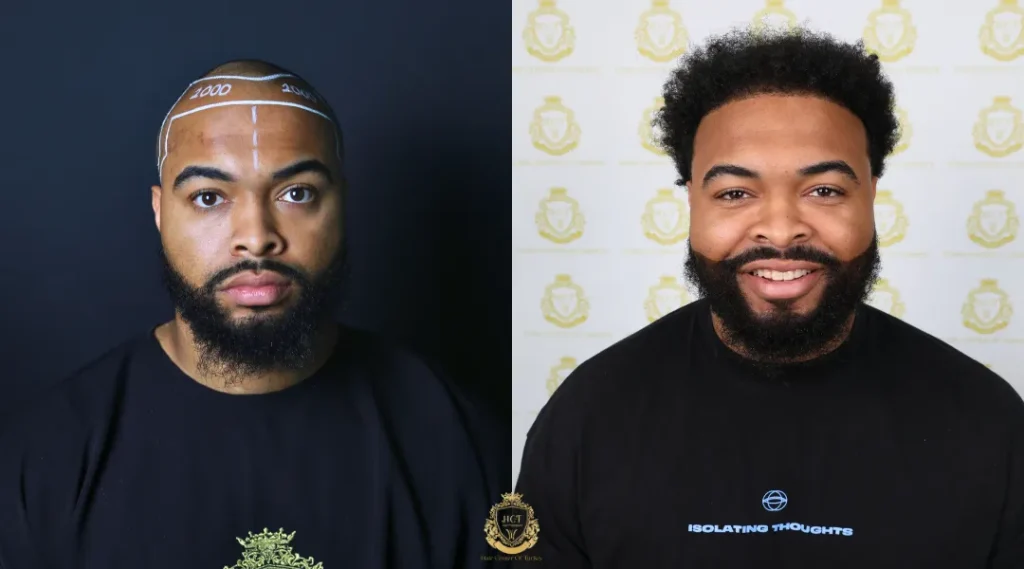
To optimize recovery, patients should avoid strenuous activities, protect the scalp from direct sunlight, and follow any additional care guidelines provided by their clinic. Proper post-operative care not only enhances the healing process but also contributes to the overall success of the transplant. Hydration, a balanced diet, and avoiding smoking and alcohol can further support recovery and hair growth.
Cost Comparison Across Different Hair Transplant Methods
The cost of hair transplant procedures varies significantly based on factors such as the method chosen, the number of grafts required, and the clinic’s location. In the United States, hair transplant costs can be quite high, prompting many patients to explore more affordable options abroad.
In Turkey, clinics like the Hair Center of Turkey offer competitive pricing without compromising on quality. The cost-effectiveness of undergoing a hair transplant in Turkey has made it an attractive option for international patients. When comparing costs, it’s important to consider the overall value, which includes the expertise of the medical team, the clinic’s success rates, and patient satisfaction.
Patients often find that the lower costs in Turkey, combined with the high standards of care, make for a compelling choice. While the initial investment in a hair transplant can be substantial, the long-term benefits of restored confidence and improved appearance are invaluable. Additionally, many clinics offer package deals that include accommodation and transportation, further enhancing the affordability and convenience for international patients.
Success Rates and Patient Satisfaction
Success rates and patient satisfaction are critical factors to consider when evaluating hair transplant methods. FUE boasts a high success rate of 90-95%, making it a reliable choice for many patients. FUT also delivers successful outcomes, particularly for those requiring extensive coverage. The success of hair transplant techniques largely depends on the surgeon’s expertise, the quality of the donor hair, and the patient’s adherence to post-operative care.
Patient satisfaction is influenced by several factors, including the natural appearance of the results, the density of the transplanted hair, and the overall experience at the clinic. Choosing a reputable clinic with experienced doctors, like the Hair Center of Turkey, can significantly impact the success and satisfaction of the procedure. Transparent communication and realistic expectations are crucial in achieving high levels of patient satisfaction.
Ultimately, the success of a hair transplant is not solely determined by the method used but also by the expertise of the surgical team and the quality of post-operative care. Ensuring a thorough consultation and discussing expectations with a qualified professional are essential steps in achieving a successful outcome. Continuous follow-up appointments and open communication with the medical team can further enhance satisfaction by addressing any concerns or questions that may arise during the recovery process.
Frequently Asked Questions
What is the main advantage of FUE over FUT?
FUE typically results in less visible scarring and a quicker recovery, making it a preferred choice for many patients.
How long does it take to recover from a hair transplant?
Recovery times can vary, but most patients recover within 1-2 weeks, depending on the method used.
Is DHI more expensive than FUE?
DHI can be more costly due to its precision and advanced technique, reflecting the expertise required for optimal results.
Can hair transplants fail?
While rare, failure can occur if post-op care is not properly followed, emphasizing the importance of adhering to recovery guidelines.
What should I consider when choosing a clinic?
Look for experienced doctors, success rates, and patient reviews to ensure a reliable and satisfactory hair transplant experience.
How do different hair transplant techniques affect outcomes?
Different techniques, such as FUE, FUT, and DHI, affect outcomes by influencing scar visibility, recovery time, and hair density, allowing patients to choose based on their priorities and lifestyle.
Explore the complete guide: Hair Transplant Techniques