At Hair Center of Turkey, an Istanbul hair transplant clinic established in 2014, our team of three specialist doctors performs more than 3,000 hair transplant procedures each year and regularly evaluates celebrity hair restoration discussions using medical evidence rather than speculation. We are frequently asked whether public figures such as Seth Meyers have undergone a hair transplant.
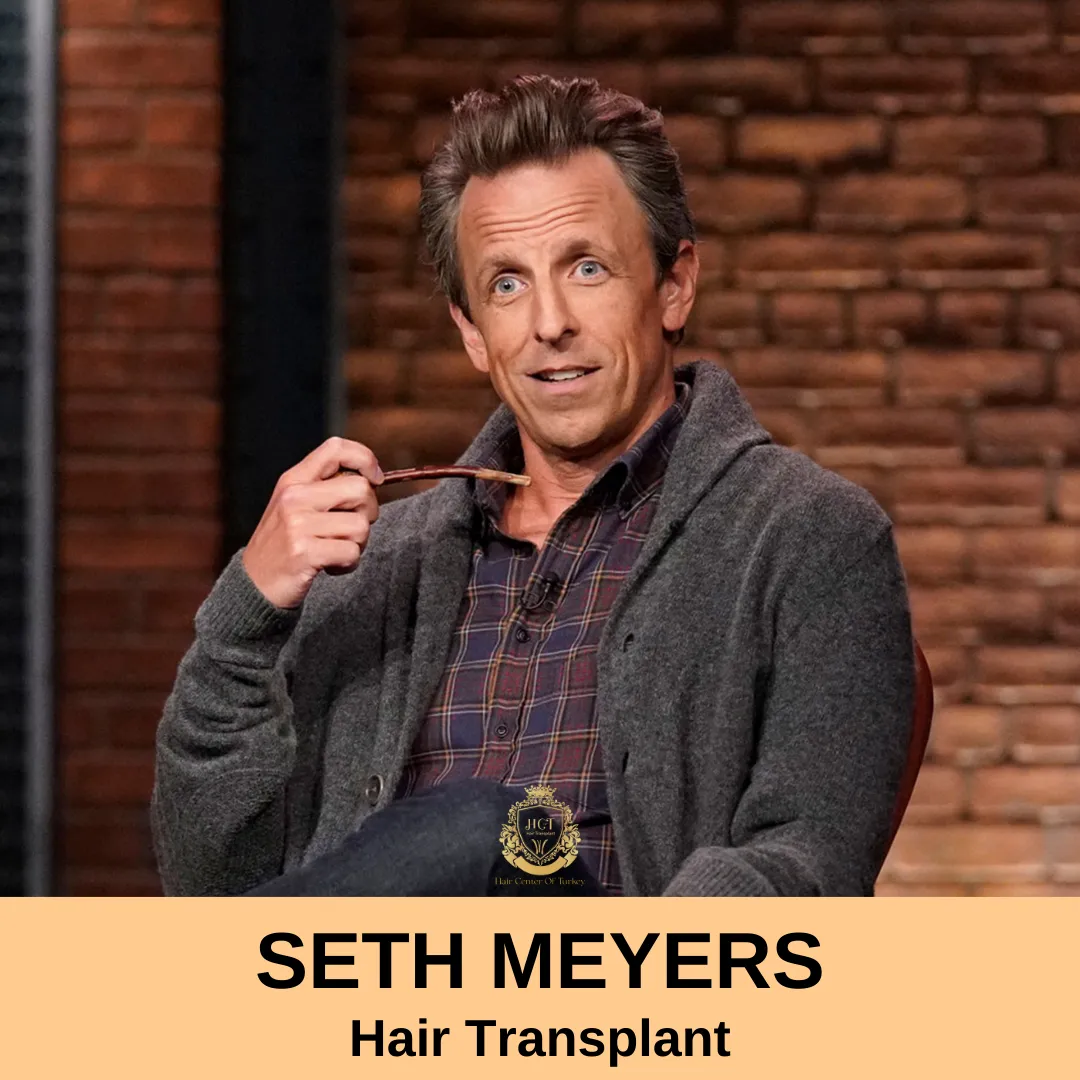
Based on publicly available information, there is currently no public confirmation that Seth Meyers has had a hair transplant. The fuller-looking hair seen in some photographs is more likely explained by hairstyle, lighting, camera angles, or natural variations in hair density than by surgery. Without confirmation from Seth Meyers or his representatives, any claim that he underwent a hair transplant remains speculative. In this article, the specialists at Hair Center of Turkey review the available evidence, explain what hair transplant experts look for in celebrity hairline analyses, and distinguish observable facts from online speculation.
Table of Contents
Seth Meyers Undergo A Hair Transplant
Seth Meyers has not publicly confirmed having a hair transplant, and no verified medical information has been shared. Changes in hair density can come from styling, lighting, camera angles, makeup, or natural fluctuations. Unless Meyers addresses it directly, any claim either way remains speculation rather than a confirmed procedure.
Why People Ask About Seth Meyers’ Hair
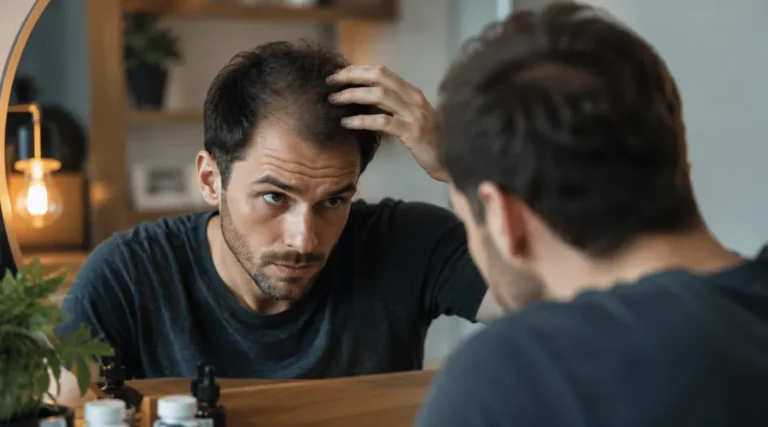
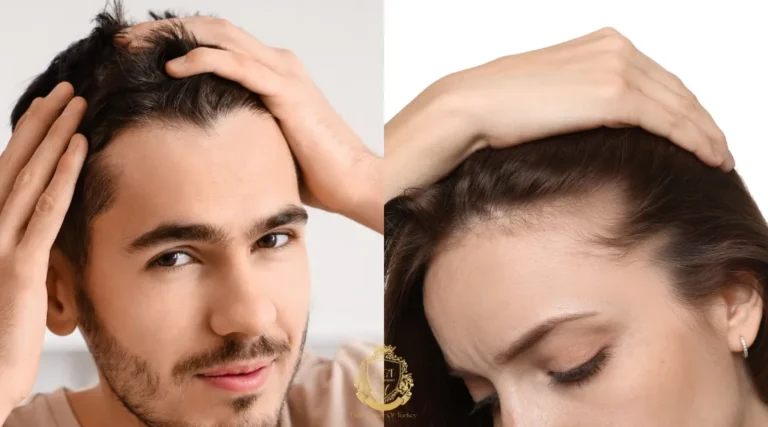
Viewers sometimes notice that Seth Meyers’ hair looks thicker or his hairline looks different from one season to another. That kind of shift can spark “hair transplant” searches, especially because hair restoration has become common in the public eye.
Still, appearance alone can’t confirm a surgical procedure. On-camera hair can look dramatically different depending on grooming choices and production conditions.
What’s Actually Known Publicly
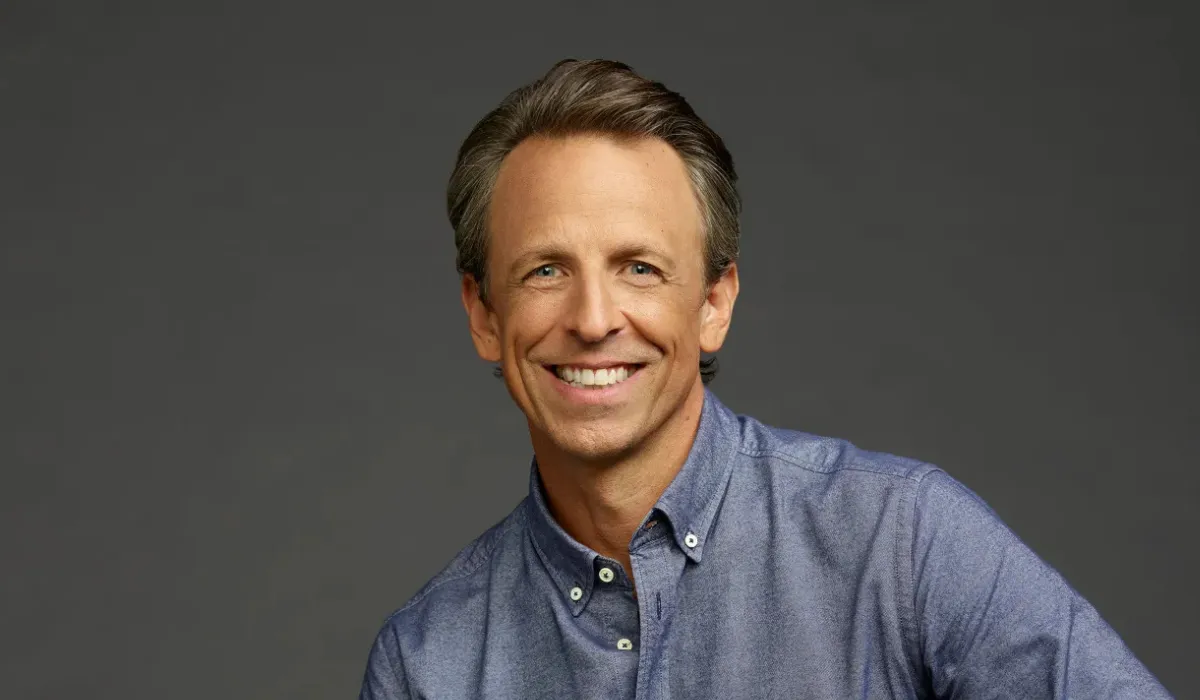
At the time of writing, there is no on-the-record statement from Seth Meyers confirming a hair transplant. There also isn’t reliable, independently verified reporting that documents a procedure.
That leaves one honest conclusion: it’s unconfirmed. If you’re researching hair restoration for yourself, it’s more useful to focus on how transplants work than to treat a celebrity’s hairstyle as evidence.
Why Hair Can Look Fuller Without Surgery
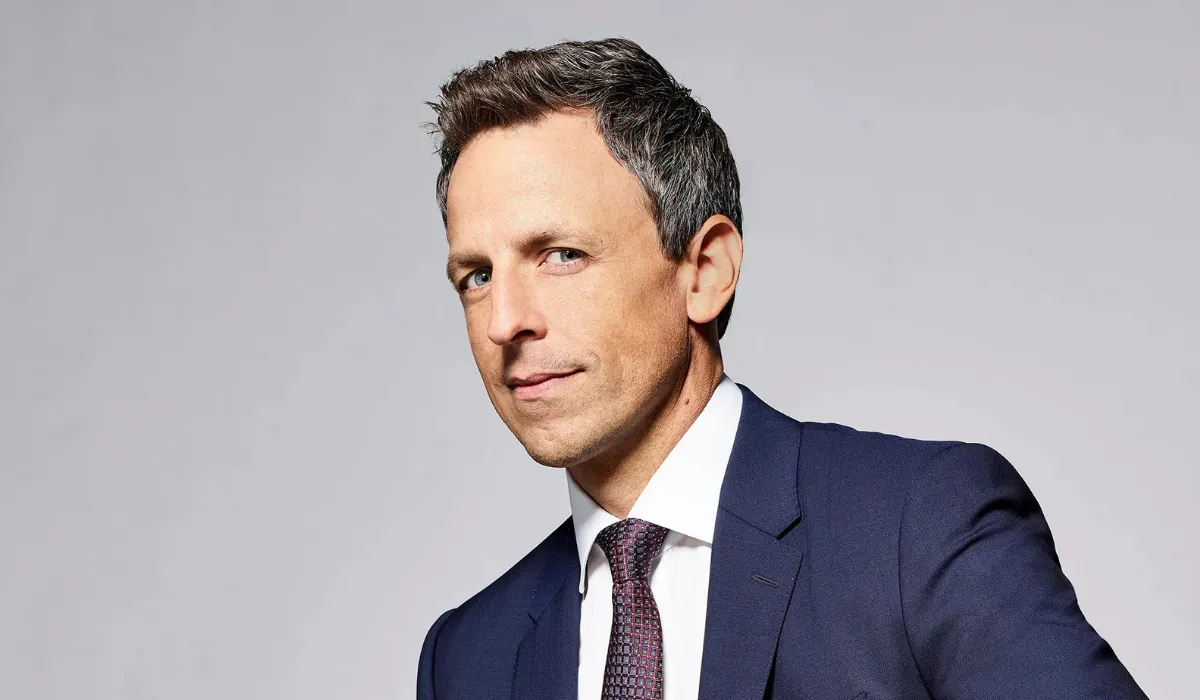
A fuller look doesn’t automatically point to a transplant. These are common, non-surgical reasons hair can appear denser:
- Styling and haircut changes: A different part, shorter sides, or textured styling can boost the look of density.
- Lighting and camera setup: Studio lighting can reduce visible scalp show-through.
- Hair fibers and concealers: Many people use temporary products that make hair look thicker.
- Health and routine: Stress, sleep, diet, and consistent care can affect shedding and texture.
- Natural variation: Hair cycles through growth and shedding phases, so thickness can fluctuate.
What A Hair Transplant Is
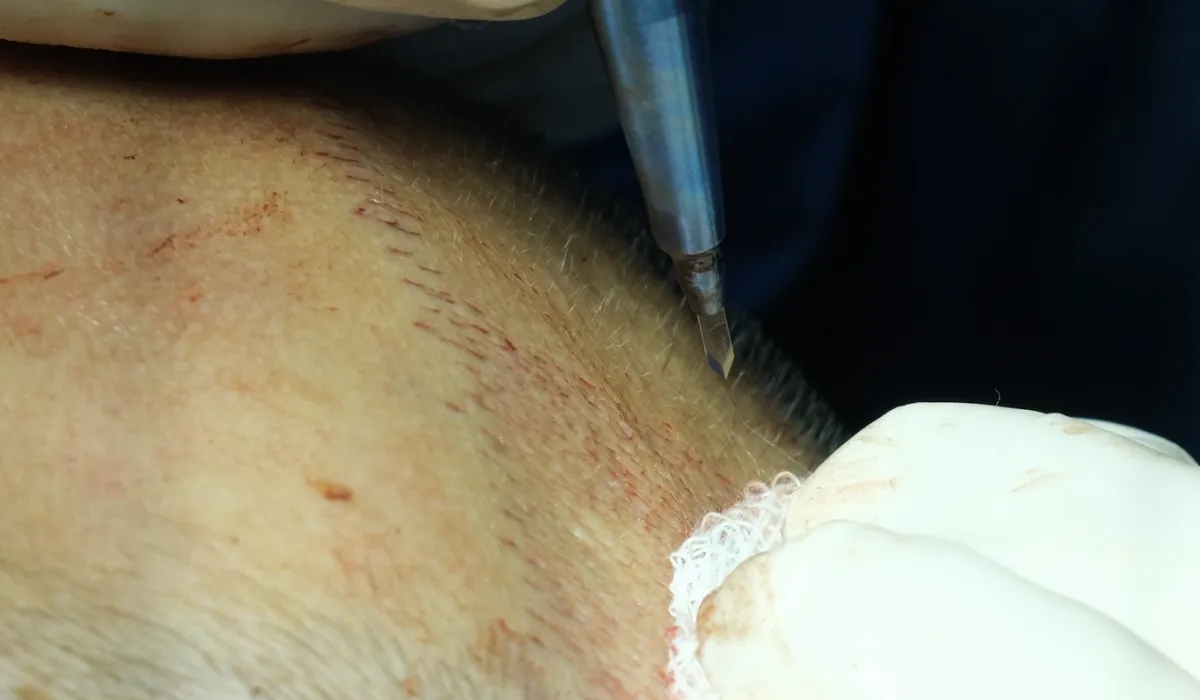
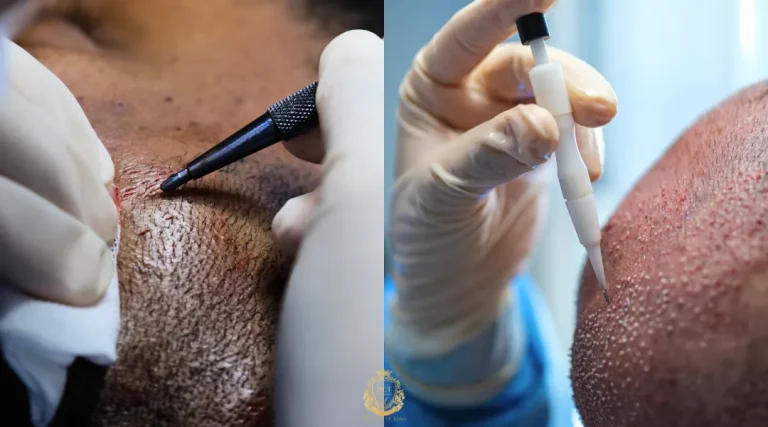
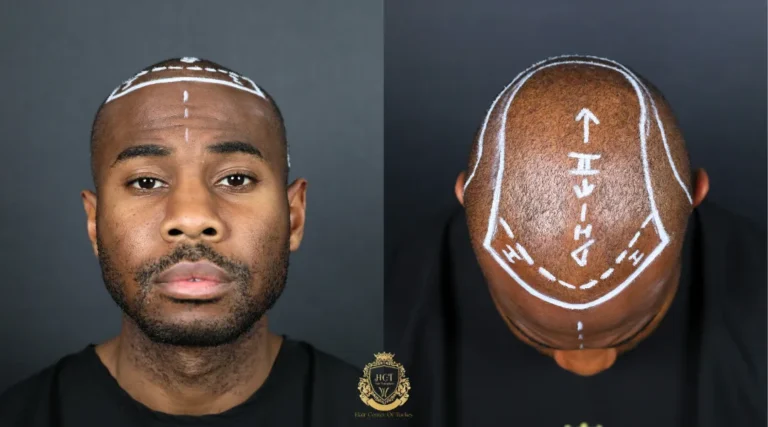
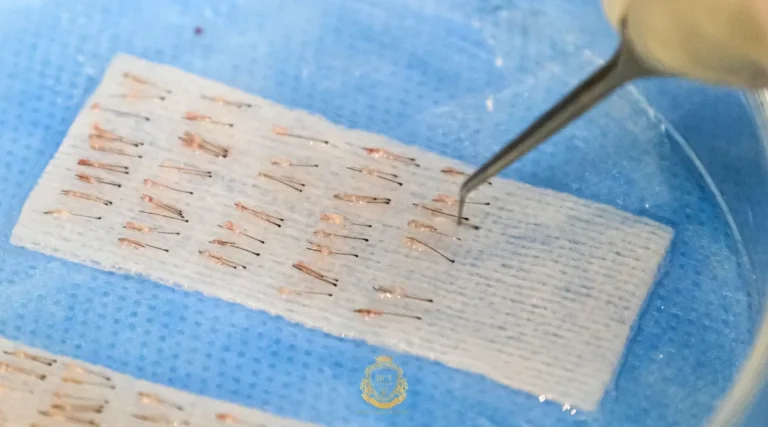
A hair transplant is a medical procedure that moves hair follicles from a donor area (usually the back or sides of the scalp) to thinning or bald areas. The goal is to restore density with your own hair in a natural pattern.
Common Techniques
FUE (Follicular Unit Extraction)
Individual follicular units are extracted and transplanted. This method avoids a linear strip scar and is widely used.
DHI (Direct Hair Implantation)
A variation of FUE where grafts are implanted using a specialized tool, allowing more control over angle and direction in some cases.
A reputable clinic will recommend a method based on donor supply, hair characteristics, and the design you want—not a one-size-fits-all approach.
Can You Tell From Photos?
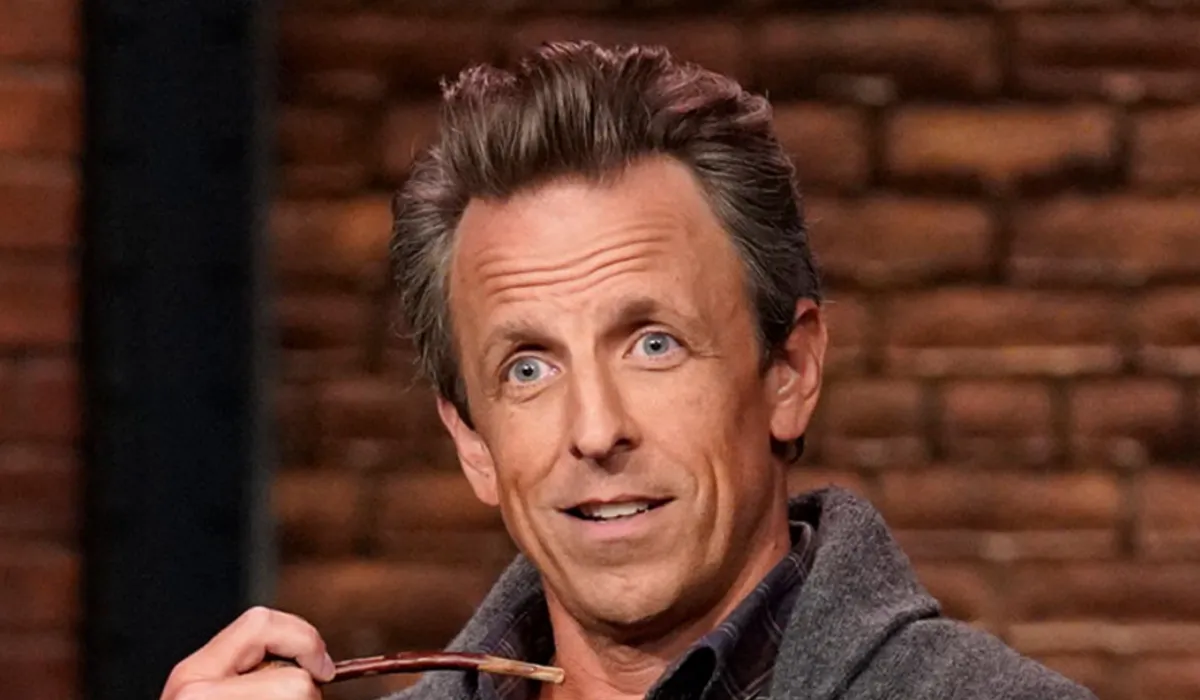
Before-and-after photos can be misleading. Differences in angle, hair length, color, and lighting can create the illusion of a new hairline or thicker coverage.
If you’re evaluating results, look for consistent lighting, identical angles, and clear timelines. Even then, photos alone won’t prove whether someone had surgery.
Celebrity Hair Transplants And The Bigger Picture
Many public figures do choose hair restoration, while others embrace thinning hair naturally. The better takeaway is that modern procedures can look natural when they’re planned well and performed by experienced teams.
If you’re considering a transplant, the right next step is a professional assessment—not guessing what a TV host may or may not have done.
Thinking About A Hair Transplant?
If you’re exploring treatment options, focus on:
- Donor area strength and long-term planning
- A natural hairline design that fits your face and age
- Transparent graft estimates and realistic expectations
- Surgeon oversight, clinic hygiene, and aftercare support
A consultation with a qualified provider can help you decide whether a transplant, medical therapy, or a combined plan makes the most sense.
FAQ
Did Seth Meyers have a hair transplant?
There's no publicly verified information confirming that Seth Meyers had a hair transplant. He hasn't addressed the topic directly, and no medical source has commented. Until he speaks about it himself, any claim either way stays speculation. Changes people notice in his hair can also come from styling, lighting, or natural variation over time.
Why does Seth Meyers’ hair sometimes look fuller?
Hair can look fuller from one appearance to the next for several everyday reasons. Studio lighting, camera angle, and hair products all change how density reads on screen. A fresh cut or a different styling approach adds volume too. None of these point to a procedure — they're the normal reasons anyone's hair looks different across photos and broadcasts.
Can you tell if someone had a hair transplant from photos?
Not reliably. Photos taken months apart can suggest a change, but they can't prove surgery happened. Lighting, resolution, angle, and styling all affect how a hairline looks frame to frame. A real confirmation needs either a direct statement from the person or input from the clinic involved — a side-by-side comparison alone isn't enough to settle it.
What non-surgical factors change how someone’s hair looks on camera?
Several things shift how full hair appears without any procedure. Lighting direction and intensity can hide or expose the scalp. Camera angle and lens choice flatten or add depth. Styling products, a recent haircut, and even humidity affect volume on the day. Natural shedding cycles also mean density varies week to week, which is easy to mistake for a deliberate change.
How would a celebrity hair transplant actually be confirmed?
Confirmation comes from the source, not from guesswork. The clearest evidence is the person stating it themselves, in an interview or on social media. A clinic naming them as a patient — with permission — would also count. Without one of those, even convincing before-and-after photos stay in the realm of speculation rather than fact.
What does a hair transplant involve for someone considering one?
A modern hair transplant moves healthy follicles from the back of the scalp to thinning areas, usually with FUE, where grafts are taken one by one. The session can run several hours depending on graft count, and results fill in gradually over several months. A consultation first checks whether someone is actually a good candidate before anything is planned.
Is this article based on official confirmation from Seth Meyers?
No. This article doesn't rely on any statement from Seth Meyers or his team, because none exists publicly. It looks at why public speculation appears and what would actually be needed to verify a claim like this. Treat everything here as general context about hair and appearance, not as confirmation that any procedure took place.
Explore the complete guide: Celebrity Hair Transplants – Film, TV and Music