


Medications for Hair Loss
The most evidence‑based medications for common hair loss are topical minoxidil and prescription DHT‑blockers such as finasteride (and, in some settings, dutasteride). Women may also be offered anti‑androgen options like spironolactone. Because benefits take months and treatment is ongoing, the best plan depends on the cause of hair loss, sex, age and medical history.
Why Medication Helps With Hair Loss
Hair loss (alopecia) has many causes. Medications work best for non‑scarring types where follicles are still alive, such as androgenetic alopecia (male or female pattern hair loss) and some cases of telogen effluvium. If hair loss is sudden, patchy, painful, or associated with scaling or scarring, get evaluated promptly before starting treatment.
Topical Treatments
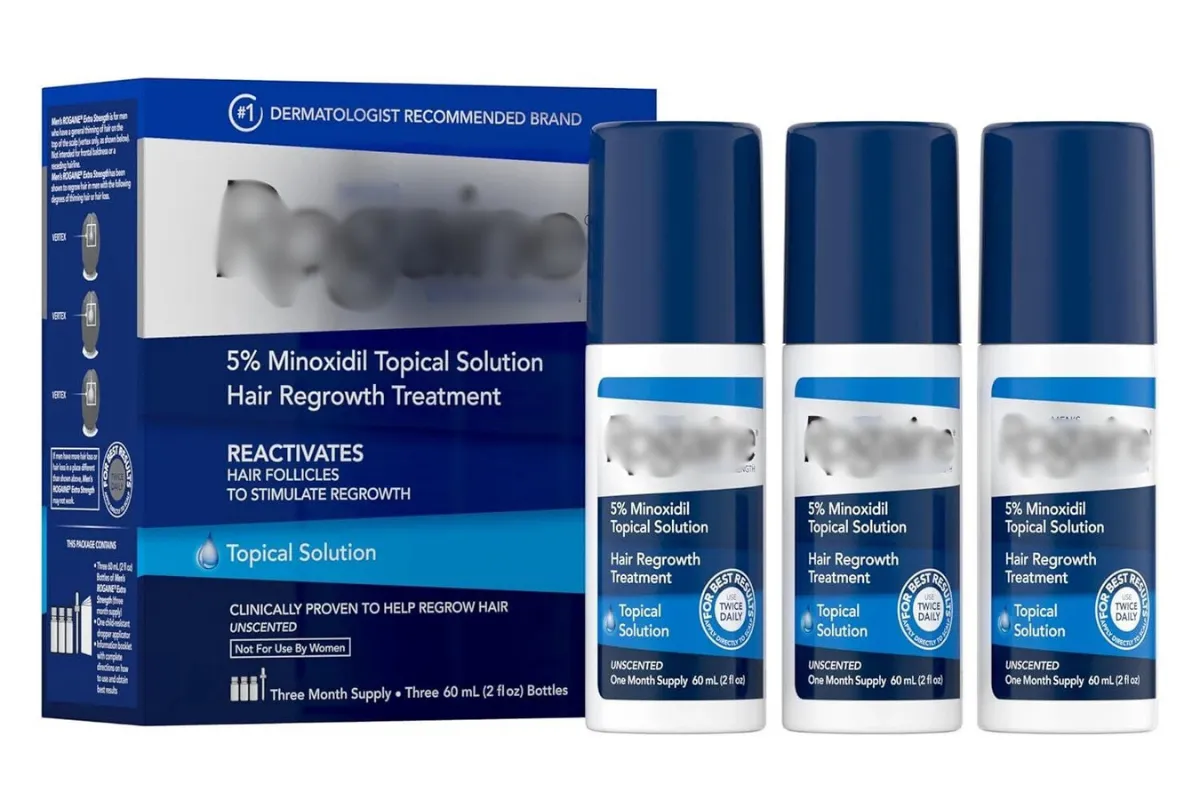
Minoxidil (Topical Solution or Foam)
Topical minoxidil is an over‑the‑counter medicine that helps extend the growth (anagen) phase and can increase hair density over time. It is commonly used for pattern hair loss in both men and women.
What to expect
- Consistency matters: daily use is needed to maintain results.
- Early shedding can happen in the first weeks as hairs cycle into a new growth phase.
- Visible improvement usually takes about 3–6 months, and continues with ongoing use.
- Stopping treatment typically leads to gradual loss of the benefit over the following months.
Finasteride (Oral Prescription)
Finasteride reduces dihydrotestosterone (DHT), the hormone that drives follicle miniaturization in male pattern hair loss. It is generally prescribed for adult men with androgenetic alopecia.
Key points
- Most men notice reduced shedding first; regrowth or thickening may take several months.
- Benefits continue only while the medication is taken.
- Finasteride is not recommended during pregnancy; women should avoid handling crushed or broken tablets.
- Possible side effects include sexual side effects and, rarely, mood changes. Seek medical advice if new symptoms appear.

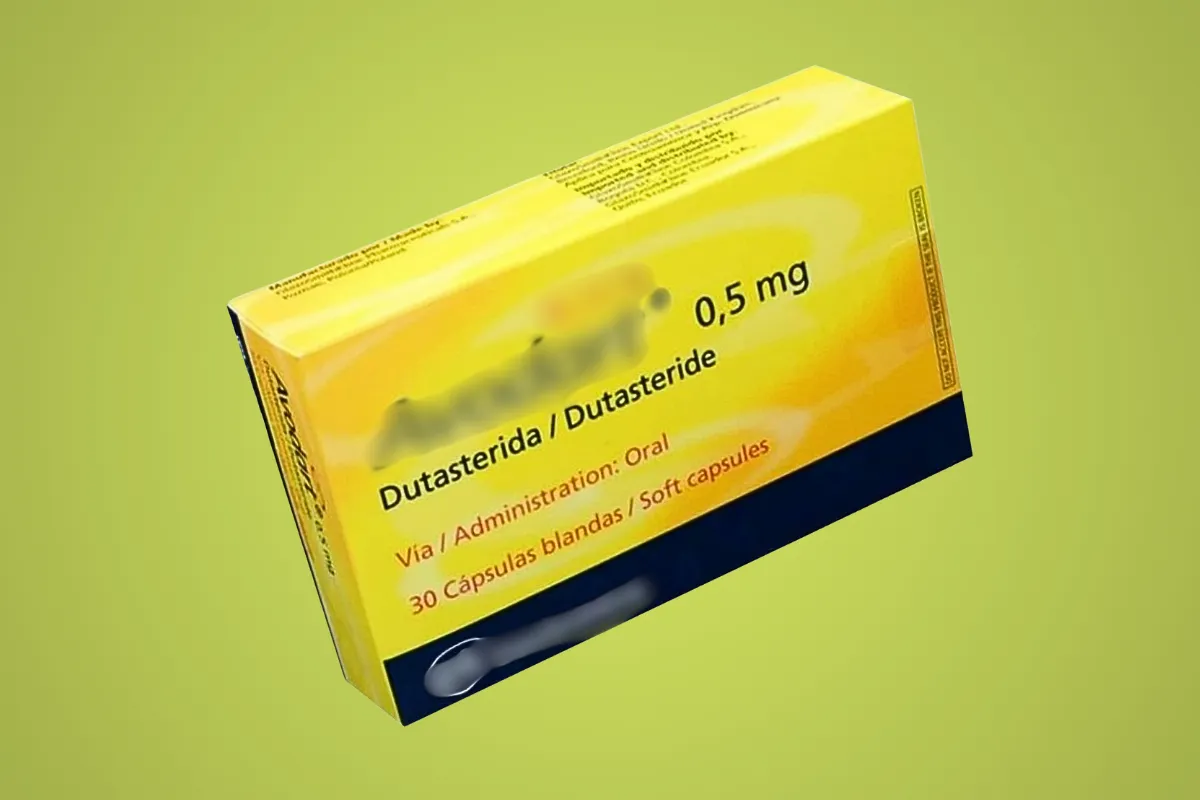
Dutasteride (Stronger DHT Blocker)
Dutasteride blocks more than one enzyme involved in DHT production, which is why some clinicians consider it when finasteride results are limited. In several countries it is approved for androgenetic alopecia, while in others it may be used off‑label.
Key points
- May be more effective for some patients, especially with more advanced thinning.
- Side effects can overlap with finasteride because both affect DHT.
- Because it lasts longer in the body, discuss family planning and side‑effect management carefully with your prescriber.
Hormonal Options For Women
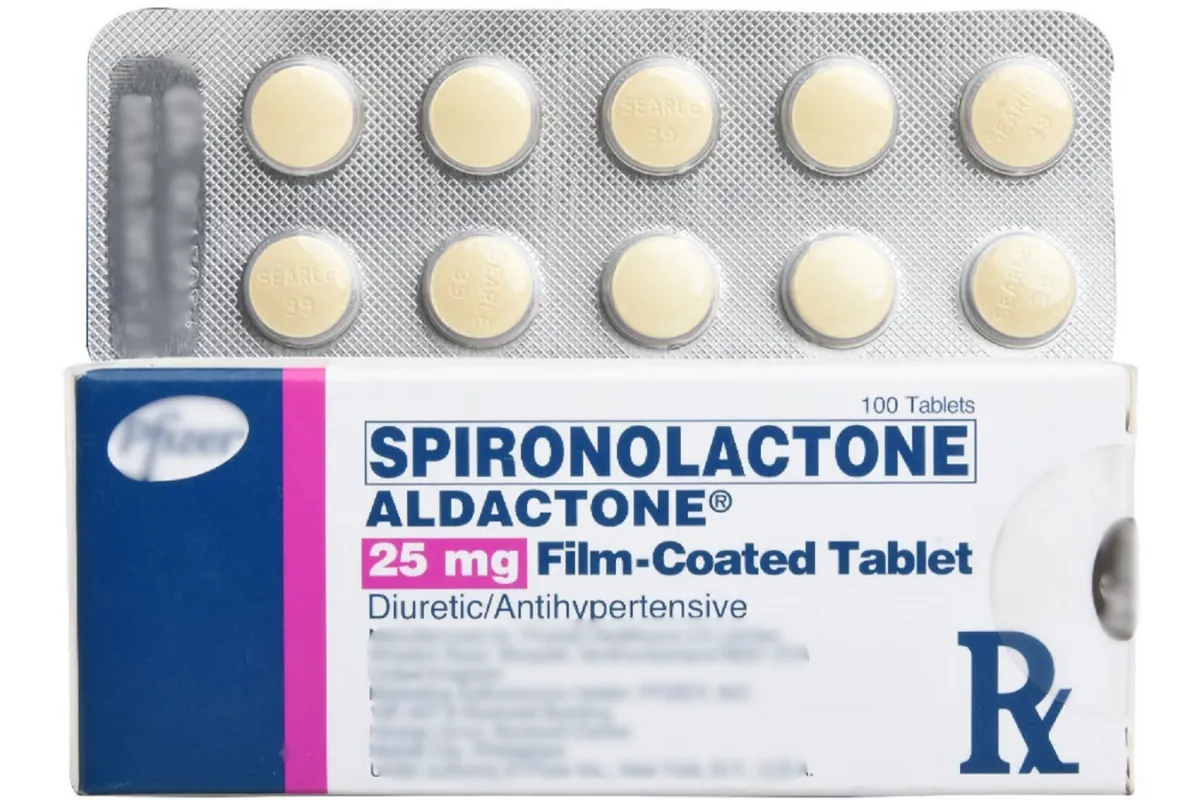
Spironolactone (Anti‑androgen)
Spironolactone can be helpful for some women with pattern hair loss, particularly when excess androgen activity is suspected. It is prescribed and monitored by a clinician.
Key points
- Not suitable during pregnancy or while trying to conceive.
- May cause menstrual changes, breast tenderness, dizziness, or fatigue.
- Your clinician may recommend blood pressure and potassium monitoring, especially if you have kidney or heart conditions or take other medicines that affect potassium.
Complementary And In‑Clinic Treatments
Platelet‑Rich Plasma (PRP) Therapy
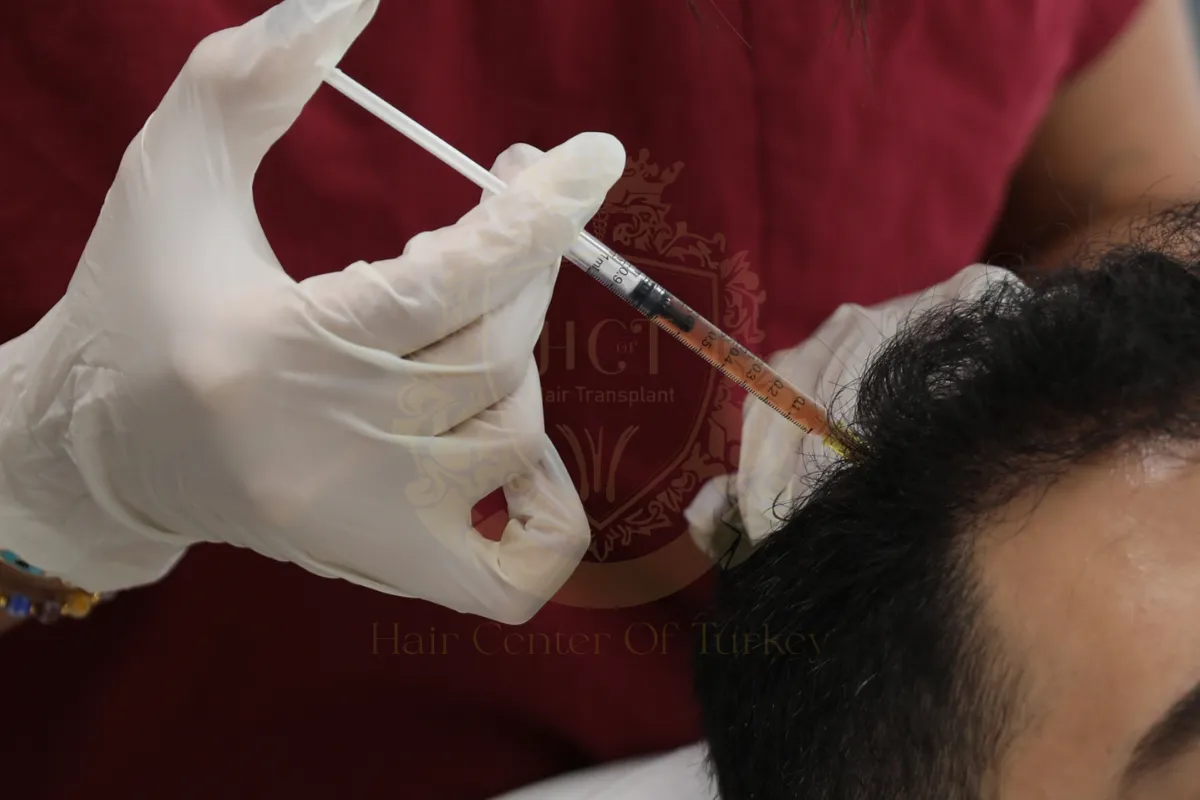
PRP is not a medication, but it is often combined with medical therapy to support density and reduce shedding. It involves drawing a small amount of blood, concentrating platelets, and injecting growth factors into the scalp.
Considerations
- Usually done as a series of sessions, followed by maintenance treatments.
- Costs and protocols vary widely by clinic.
- Best used as an add‑on rather than a replacement for proven medications when pattern hair loss is the main issue.
How To Choose The Right Medication
The right plan depends on diagnosis, age, sex, family history, pregnancy plans, and any medical conditions or medications you take. A dermatologist can confirm the type of hair loss, check for contributors such as iron deficiency or thyroid disease, and set expectations for timelines and maintenance.
Potential Side Effects And Safety Notes
Side effects vary by treatment and individual risk factors. Always read the product leaflet and follow your clinician’s advice, especially if you have heart, kidney, or liver conditions.
- Minoxidil (topical): scalp irritation, dryness, and temporary shedding early on; avoid contact with eyes and broken skin.
- Finasteride and dutasteride: possible sexual side effects; discuss any mood changes promptly.
- Spironolactone: possible dizziness, menstrual changes, and potassium changes; monitoring may be advised.
Frequently Asked Questions
Do hair loss medications cure hair loss?
No. They can slow progression and improve density in existing follicles, but they don’t remove the underlying tendency for pattern hair loss. Ongoing treatment is usually needed to maintain results.
How long should I try a medication before judging results?
Most options need time. A fair trial is often at least 3–6 months, and some people benefit from a 9–12 month assessment with consistent use.
Can women use finasteride or dutasteride?
These medicines are generally avoided in women of child‑bearing potential because of pregnancy risk. In selected cases, a specialist may consider them with strict precautions.
What if I stop treatment?
In most cases, the gained benefit gradually fades over months and hair returns toward the baseline pattern.