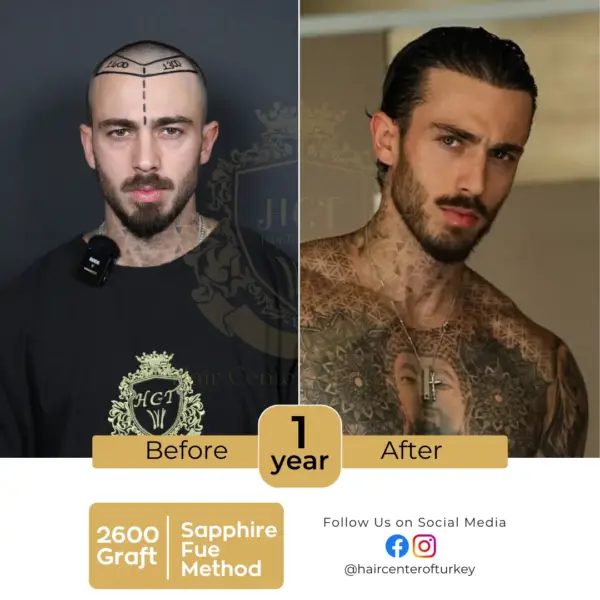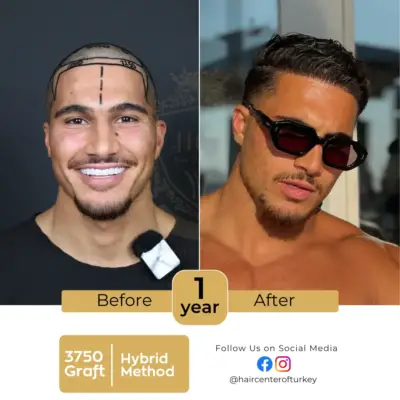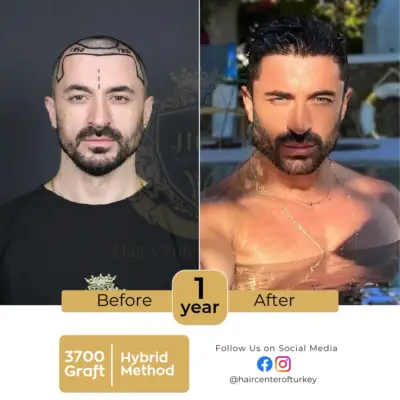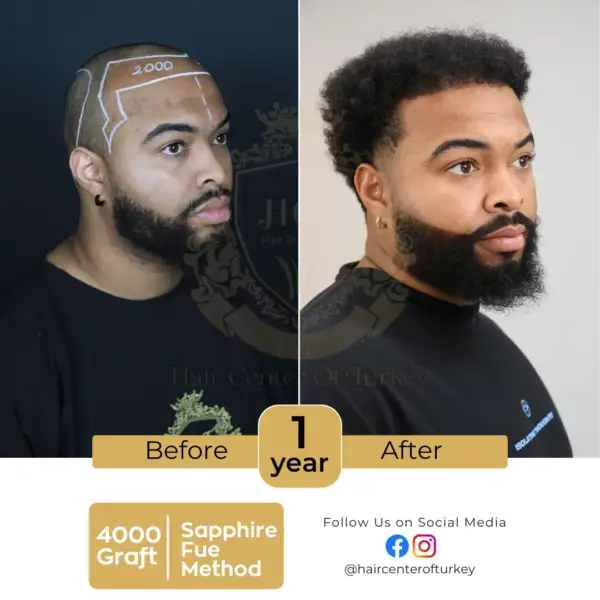


PRP may help early growth and recovery after a hair transplant, but evidence is limited; it is optional, not a guarantee or prerequisite.
Short Summary: PRP After Hair Transplant At A Glance
PRP after hair transplant may help early growth and recovery in some patients, but the evidence is limited. It is optional, and it is neither a guarantee of a better result nor a prerequisite for a successful transplant.
For patients travelling abroad, this decision is easier to make before the flight. At Hair Center of Turkey, a remote consultation can cover whether PRP is relevant to a given case and whether later sessions would be practical at home. Aftercare reviews then continue once the patient returns. The clinic reports that it was founded in 2014, has 3 doctors and performs about 3,000 procedures a year. Those figures describe the clinic; they do not prove outcomes.
No percentage of improvement can be promised, and PRP does not replace surgery or prescribed medication. This guide focuses on what the research does and does not show. For a general overview of the procedure, see the clinic’s PRP treatment page.
Contents
How Platelet-Rich Plasma After Hair Transplant Is Thought To Work
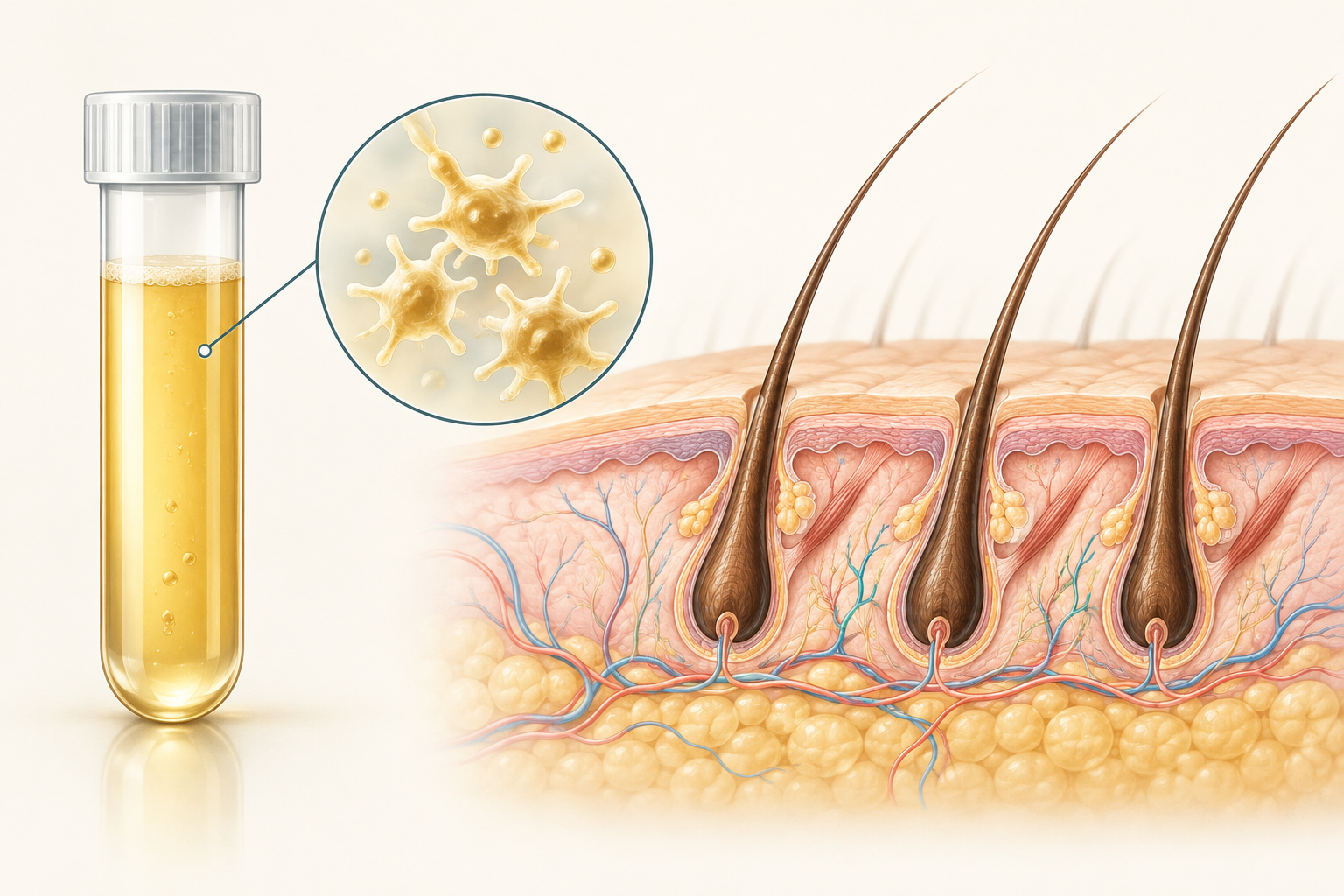
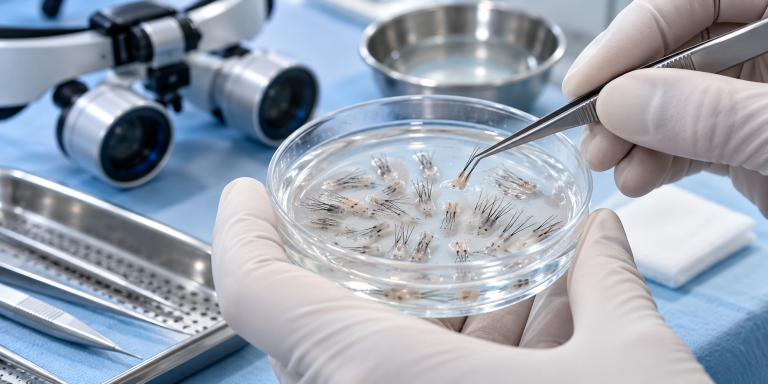
PRP is a concentrate of platelets made from the patient’s own blood. A small sample is drawn and spun in a centrifuge, which separates the platelet-rich portion from the other blood components.
The interest in platelet-rich plasma after hair transplant comes from what platelets release. Growth factors such as PDGF, VEGF, TGF-beta and EGF are thought to support wound healing and the formation of new blood vessels. They may also play a part in graft survival and the anagen, or active growth, phase of the hair cycle. On paper, that makes PRP a logical candidate for a scalp recovering from surgery.
A logical idea is still only a biological rationale, not proof of clinical benefit. Preparation also differs between clinics and studies, including the centrifuge settings, the use of an activating agent and the volume delivered. For that reason, “PRP” does not refer to one standardized product, and a result from one protocol may not carry over to another.
PRP Graft Survival Evidence And PRP Hair Transplant Results
The research only makes sense when it is sorted by how and when PRP was used. Injecting it into recipient sites during surgery, storing grafts in it, giving sessions weeks or months later and treating hair loss without surgery are four separate questions. The figures below are author-reported findings, not outcomes a patient should expect.
Intraoperative Injections Into Recipient Sites
A 2016 single-blind study of 40 men allocated 20 men to each group, with PRP or saline injected into recipient slits during FUE. The author reported better regrowth with PRP at 6 months. Outcomes relied on photographs and video microscopy rather than objective hair counts. This was also a single-author, single-centre study using alternating allocation.
A 2026 randomised study of 60 men compared FUE with and without intraoperative PRP, with 30 men per group and follow-up at 1, 3 and 6 months. Its abstract reports higher regrowth, longer shaft length, faster resolution of redness and higher satisfaction in the PRP group. The abstract does not describe the PRP preparation, volume, timing, randomisation method or blinding, so those findings are difficult to weigh.
PRP As A Graft-Holding Solution
A different question is whether grafts fare better while stored in PRP outside the body. A pilot trial of 20 men held grafts in either PRP or chilled Ringer’s lactate, with no scalp injection, and followed patients for 6 months.
The PRP group showed earlier growth and higher measured graft density at six months. However, both groups reached the same broad growth category by six months, and differences in shaft length were not statistically significant. The small sample and differing baseline densities limit conclusions about lasting benefit. For background on this stage of surgery, see how grafts are extracted, stored and implanted.
Later Postoperative Sessions And Nonsurgical Alopecia Studies
None of these three studies tested PRP sessions given weeks or months after surgery, so they give no direct guidance on PRP timing after hair transplant once the operation is over. Their findings should not be used to justify a later course of sessions, even though such sessions are commonly discussed in clinics.
Studies of PRP for androgenetic alopecia without surgery are a separate category again. They look at native hair rather than transplanted grafts, so they cannot be applied directly to graft survival or transplant outcomes.
Why These Studies Cannot Settle The Question
Three limits run through the PRP graft survival evidence:
Small samples: With 20 to 60 men per study, it is hard to interpret any difference with confidence.
Short follow-up: Patients were followed for about 6 months, while final transplant results are usually judged at around 12 to 18 months.
Differing protocols: Preparation, volume, activation and delivery vary, and assessment was often visual, which makes the studies hard to compare or pool.
Read plainly, PRP after hair transplant may be associated with earlier growth or faster recovery in small studies. Long-term benefit remains unproven. PRP hair transplant results also cannot be separated from the factors central to any transplant: planning, graft handling, donor quality and surgical skill.
PRP Risks And Limitations For Transplant Patients
Possible short-term effects include injection pain, bruising and swelling, as explained in Johns Hopkins Medicine’s PRP guidance. They usually matter more on a scalp that is still healing, because the area may already be tender.
Infection is possible after injections or scalp procedures. Small transplant trials cannot reliably estimate uncommon complications. Increasing redness, worsening pain, pus or fever warrant prompt contact with the treating clinic.
PRP may not be suitable for people with bleeding or platelet disorders, active scalp infection or certain systemic conditions. A medication review with the surgeon should cover anticoagulants, antiplatelet drugs and aspirin. Patients should not stop any prescribed drug on their own; any change belongs with the surgeon and the prescribing doctor.
PRP risks and limitations also include what it cannot do. It does not replace surgery. Nor does it replace medication such as finasteride or minoxidil, which may be prescribed to help manage ongoing loss of native hair.
What PRP After FUE Involves: Assessment To Follow-Up
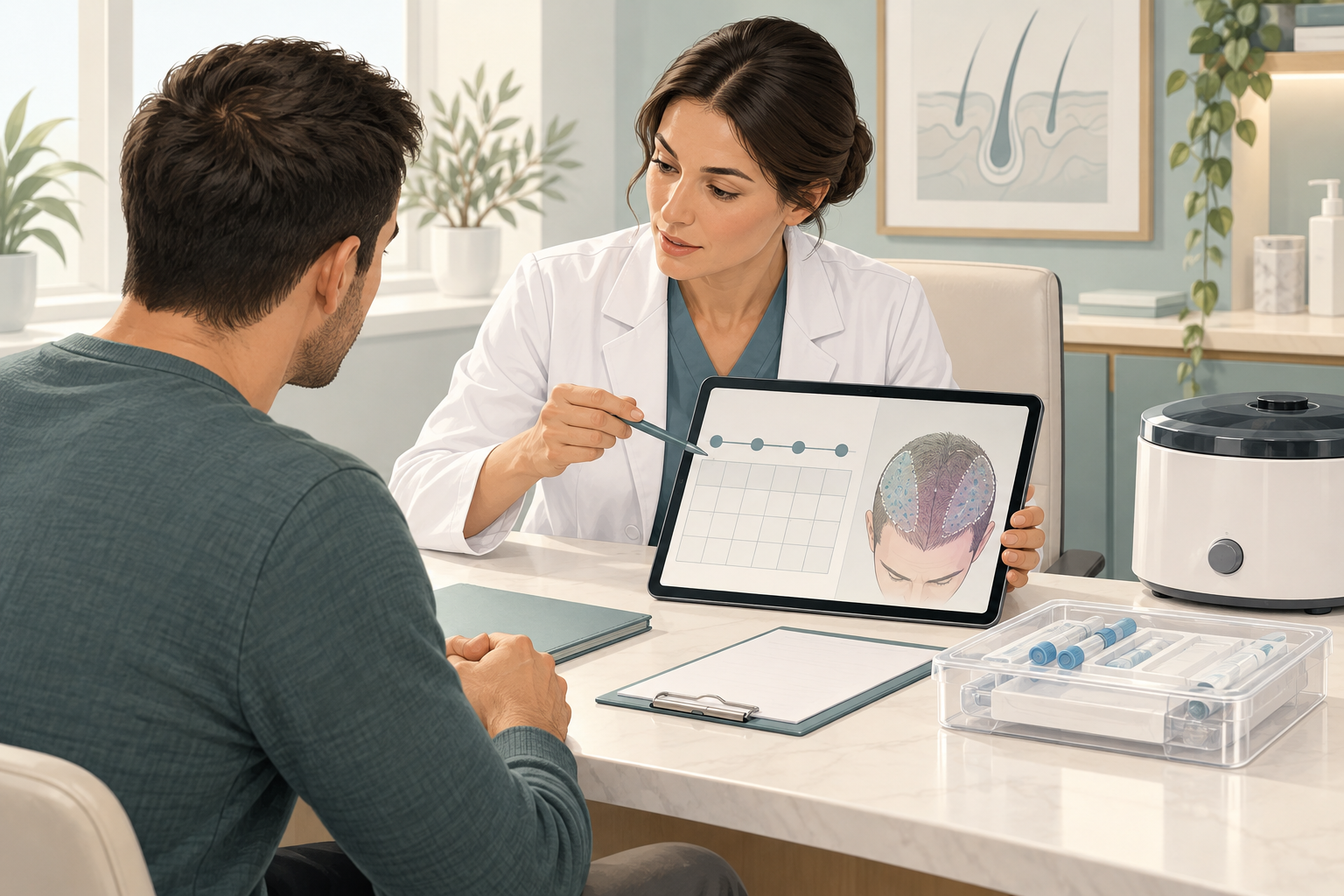
The pathway below is a clinical decision process rather than a fixed protocol. The choice is made case by case, and PRP stays optional at every stage.
Clinical Assessment And Preparation
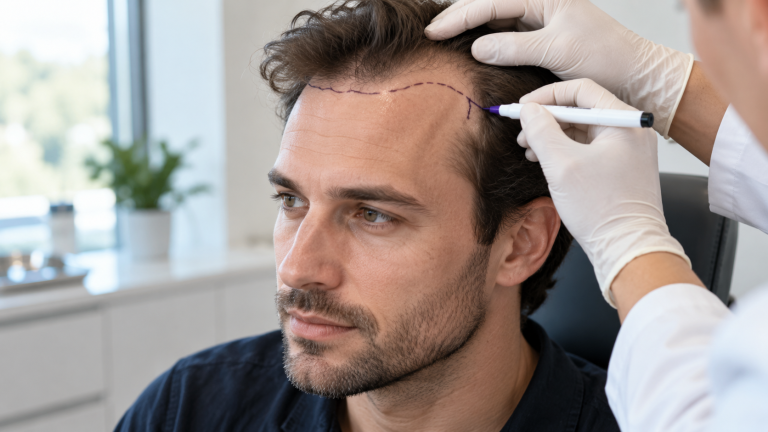
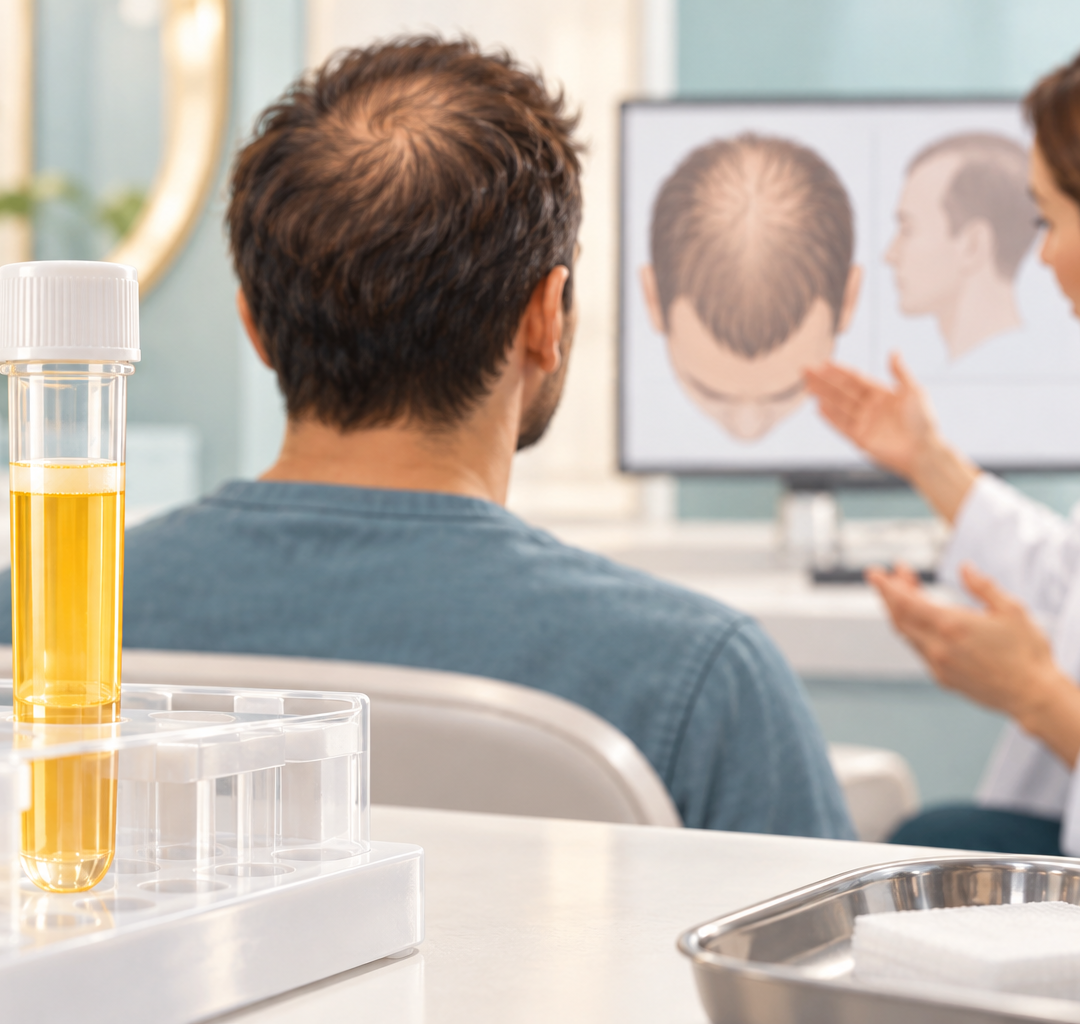
Assessment starts with medical history, a donor and recipient evaluation, a medication review and, when clinically indicated, preoperative blood tests. This is where a bleeding problem, low platelet count or relevant medication would normally come to light.
International patients can share photos and medical information before they travel. That remote conversation is a good moment to ask directly whether PRP is worthwhile in their case, what the evidence does and does not show, and how it would affect cost and logistics. It also helps to ask how the PRP would be prepared and who would oversee any follow-up after the patient flies home.
Injections And What Happens During A Session
Whatever the timing, the process begins with a blood draw and centrifugation. During surgery, PRP may be injected into recipient sites or used in graft handling, depending on the surgeon’s approach. Using PRP after FUE as a later standalone session means injecting the prepared plasma into the scalp at a separate visit, as outlined on the PRP treatment page.
Patients can expect some short-term discomfort, and possibly temporary tenderness, bruising or swelling. No session can promise a particular amount of growth or graft survival.
PRP Timing After Hair Transplant Is Set By The Surgeon
There is no universal schedule. Whether PRP is used, when it is given and how many sessions are planned are individual decisions, based on healing, scalp condition and medical history.
Patients who fly home face a practical question: can follow-up sessions realistically be arranged locally, and are they needed at all? Raising this before surgery avoids surprises. Skipping PRP does not by itself mean a transplant will fail.
Follow-Up And Judging Results
Follow-up photos and remote aftercare reviews help track healing and bring concerns to the surgeon early, including for patients back in their home country. They also give a consistent record of how the scalp changes over time.
Early changes are not the final result, which is usually judged at around 12 to 18 months. A single patient’s progress also cannot show whether PRP was the cause, since many factors shape growth over that period.
Frequently Asked Questions
Is PRP necessary for a successful hair transplant?
No. A transplant can succeed without it, and PRP after hair transplant remains an optional add-on with limited evidence. Planning, graft handling and the donor area play a central part in the result.
Does PRP make transplanted hair grow faster?
Small studies suggest earlier growth in some patients, but the size and durability of any benefit remain uncertain. Results from PRP used during surgery do not establish the benefit of later postoperative sessions.
When can PRP be done after a hair transplant?
There is no universal schedule. PRP may be used during surgery or in later sessions, and the surgeon should decide the timing and number of sessions based on healing and medical history.
Is PRP safe for everyone?
No. Bleeding or platelet disorders, active scalp infection or certain medications may rule it out. The surgeon should review all medications, and patients should not stop prescribed drugs without medical advice.
Can PRP replace finasteride, minoxidil or the transplant itself?
No. PRP after hair transplant is only an adjunct to treatment. It does not replace surgery or prescribed medication that helps protect native hair from ongoing loss.
Conclusion And Sources
PRP is a reasonable topic to raise with a surgeon, and it may help early growth or recovery. Current evidence is limited, though, and it is neither a guarantee nor a requirement. Weigh it against cost, practicality, personal medical factors and the surgeon’s overall plan.
Sources
Garg S. Single-blind study of intraoperative PRP in FUE, 40 men. J Cutan Aesthet Surg. 2016. PMC5064679
Pathania V, et al. Pilot trial of PRP as a graft-holding solution, 20 men. Med J Armed Forces India. PMC9807676
Dawane PV, et al. Randomised study of FUE with and without intraoperative PRP, 60 men. J Maxillofac Oral Surg. 2026. PMID 42528985