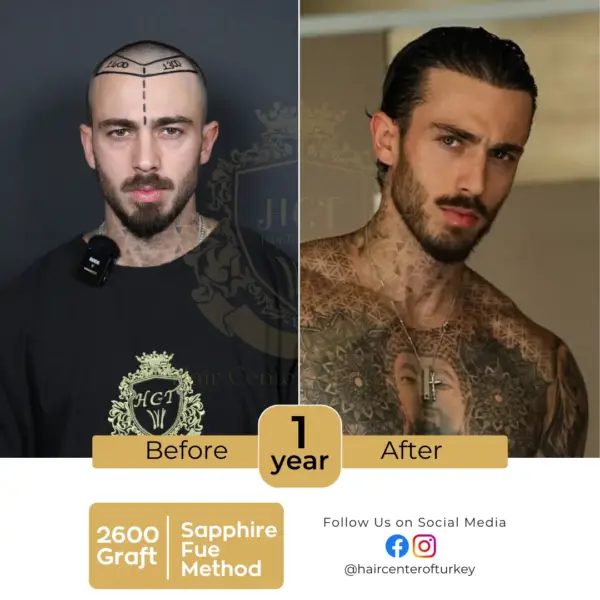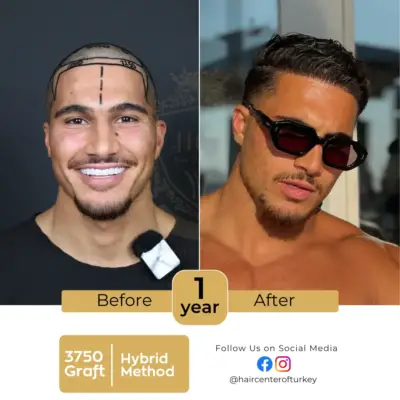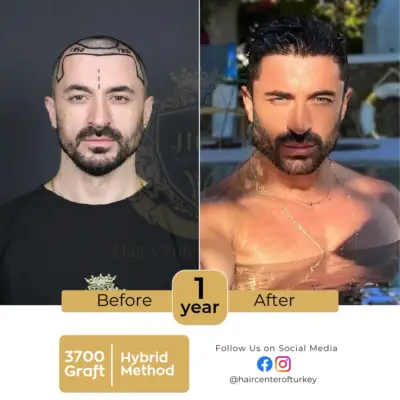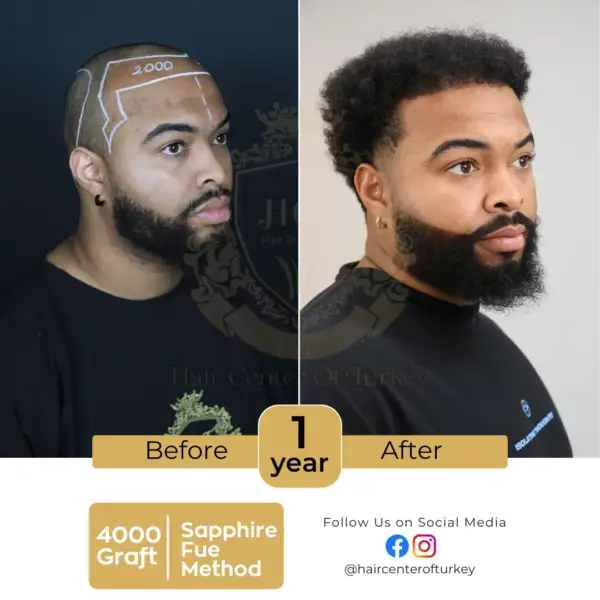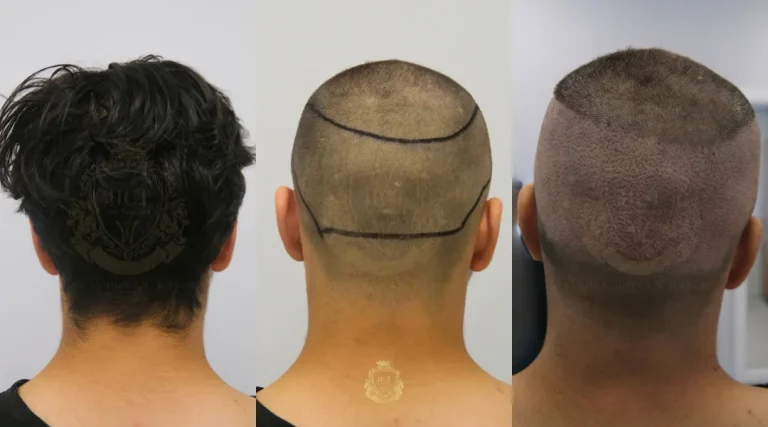


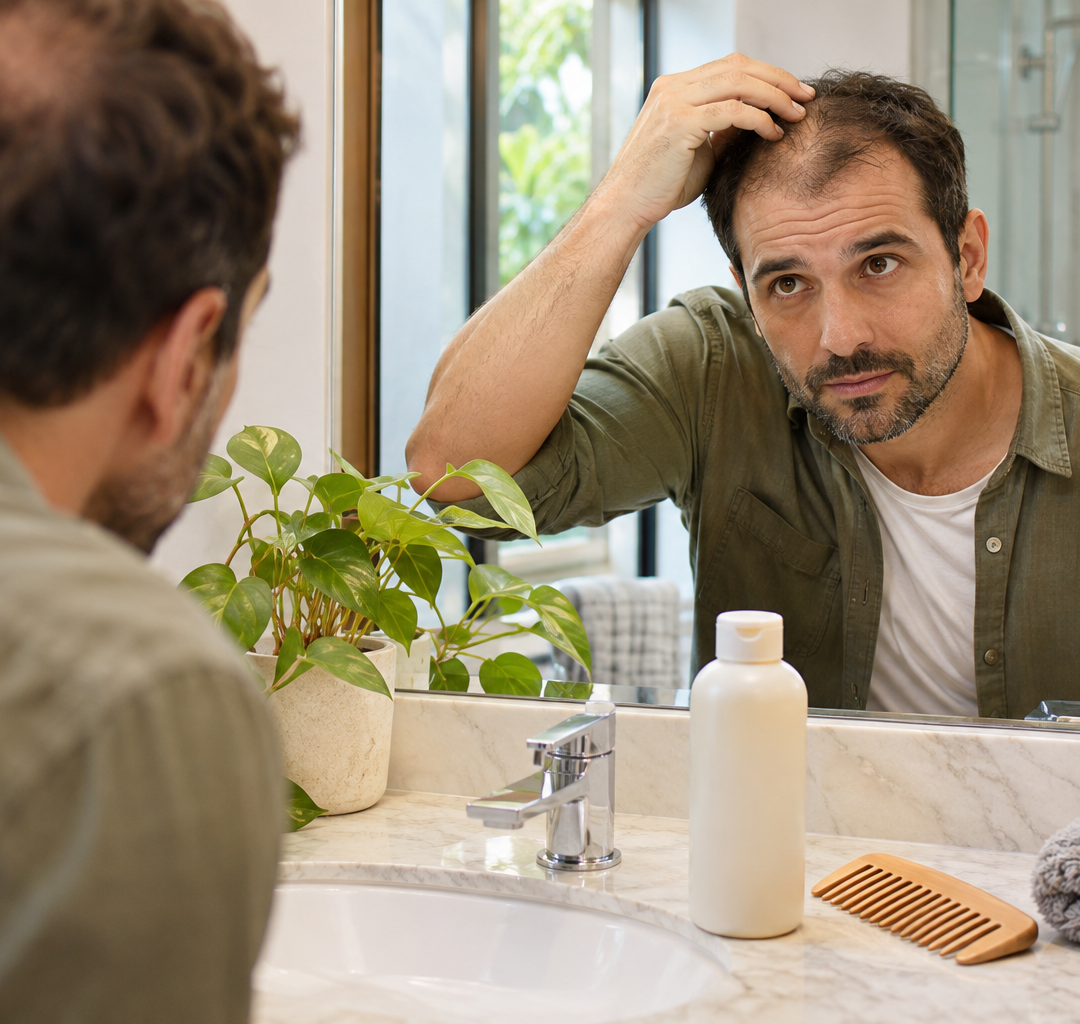
Good hair care before a hair transplant means gentle cleansing, avoiding irritation and excessive pulling, and following your surgeon’s individual instructions. Keep your usual tolerated routine simple, report scalp symptoms, and check before changing medication or scheduling chemical treatments. These steps help the team assess your scalp; they cannot guarantee graft survival or a particular result.
Hair Center of Turkey, founded in 2014, provides international patients with preoperative consultation and preparation guidance. Discuss your current hair products and scalp concerns before travelling so your team can advise on the next steps. The following ten mistakes explain what to review, why it matters, and what to do instead.
Table of Contents
1. Harsh Scalp Scrubbing
Vigorous scrubbing and scratching can irritate or injure scalp skin. Trying to remove every flake with fingernails is particularly unhelpful when the skin is already itchy or sore. A clean scalp does not need to feel stripped or tender. Tell the clinic about scratches, open sores or a recent reaction before your procedure.
Use your fingertips gently when shampooing, rinse thoroughly, and avoid picking at crusts. If washing hurts, seek advice rather than scrubbing harder. Persistent flaking needs an assessment of its cause. Gentle cleansing is a comfort and skin-care measure, not a proven way to increase the number of transplantable follicles.
2. An Unsuitable Washing Routine
Washing needs vary with hair texture, scalp oiliness, activity and existing skin conditions. There is no single pre-transplant schedule that suits everyone. Too little cleansing can leave unwanted residue, while products that your skin does not tolerate can cause dryness or irritation. A sulfate-free label alone does not establish that a shampoo is suitable for you.
Ask which shampoo to use and when to wash before arriving. Continue a tolerated routine until you receive those instructions. If a medicated shampoo has been prescribed, discuss its use with your treating clinician and surgical team rather than stopping it because of generic online advice.
3. Skipping Appropriate Conditioning or Detangling Roughly
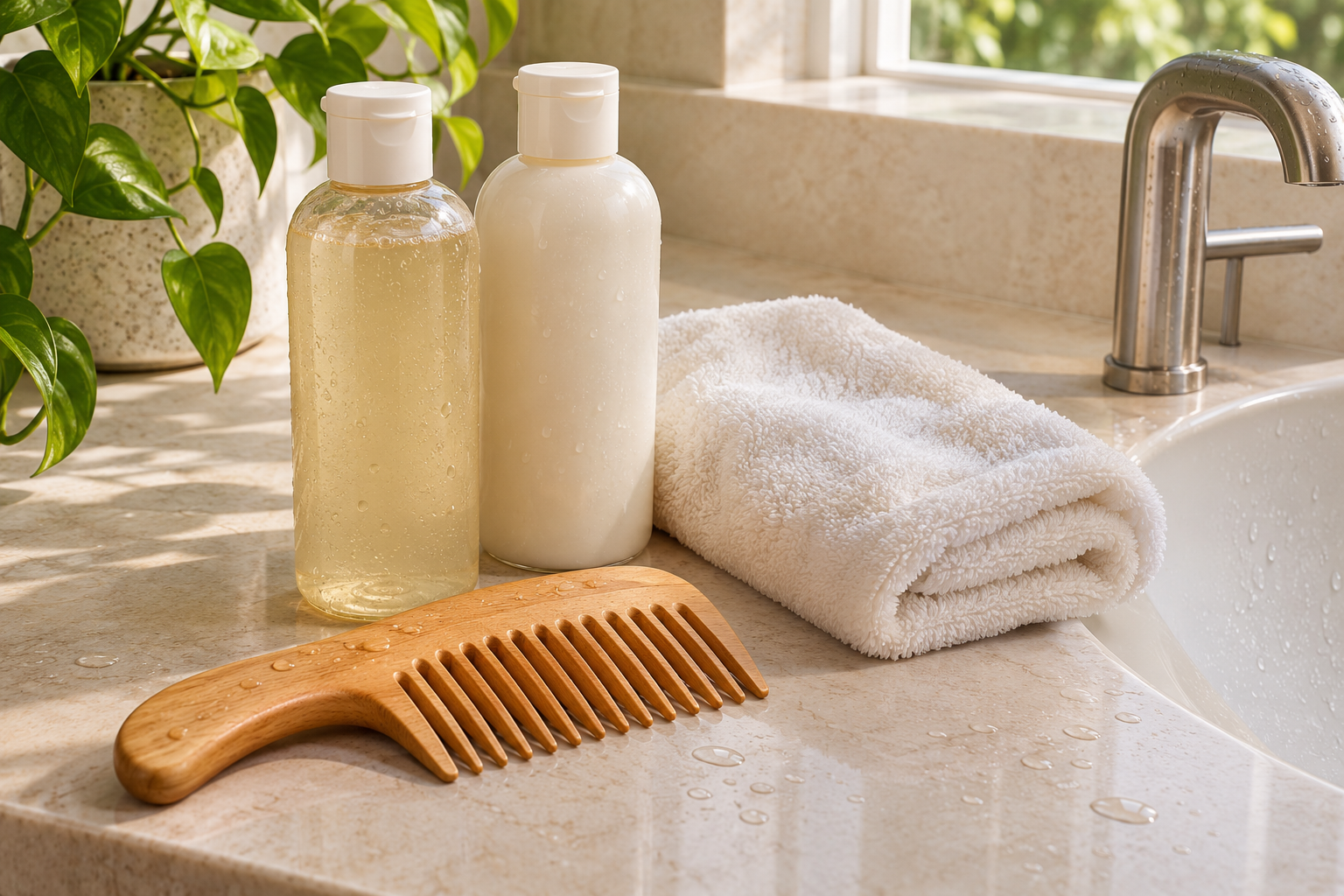
Rough detangling can snap hair shafts and make hair look less full. Shaft breakage is different from shedding a hair from its follicle; neither a broken strand nor a shed hair automatically means the follicle has been destroyed. Cosmetic care can reduce further breakage, but it does not treat every cause of hair loss.
Choose conditioning and detangling methods suited to your texture and length. Work gently from the ends upward, without tugging. Curly or tightly textured hair may be easier to detangle when damp and conditioned. Avoid aggressive towel rubbing. For the appointment itself, follow the clinic’s instructions about rinsing out products and arriving with product-free hair.
4. Using Excessive Heat Styling
Frequent high heat can damage fragile hair shafts, and direct contact with a hot tool can burn skin. This matters when preparing for scalp examination or surgery: a new burn or irritation should be reported, not hidden with styling products. Heat protection products do not make excessive heat harmless.
Reduce heat exposure and allow hair to dry naturally when practical. If you use a dryer, choose a comfortable low setting and avoid concentrating heat on one spot. There is no universal number of heat-free days before a transplant. Ask your clinic if your scalp condition requires additional precautions, particularly if it feels sore or unusually sensitive.
5. Wearing Tight Hairstyles or Extensions
Repeated pulling from tight braids, ponytails, buns or extensions can cause traction alopecia. Long-standing traction may permanently damage follicles. Pain, stinging or pulling from a hairstyle is a reason to loosen it. Hair loss associated with tension also needs assessment because the diagnosis influences whether surgery is appropriate.
Choose styles that do not pull. Ask the clinic when extensions or a hair system need to be removed so the donor and recipient areas can be examined. Arrange careful removal where needed; do not tear out attached hair yourself. The aim is to reduce ongoing stress and allow a clear assessment of your natural hair.
6. Chemical Treatments Without Medical Clearance
Dye, bleach, relaxers and permanent-wave products can irritate the scalp or trigger a reaction. This does not mean every person reacts to every treatment. However, a recent reaction, chemical burn or broken skin could change the surgical plan and should be disclosed promptly.
Before booking a salon treatment, ask your clinic whether it is suitable and what timing applies to you. There is no single waiting period that covers every product, technique and scalp condition. Tell the team what was used and when, including any discomfort afterwards. Follow product safety instructions, but do not treat a previous problem-free application as a guarantee against a later reaction.
7. Experimenting With New Oils or DIY Treatments
A new serum, essential oil blend, scrub or homemade mask adds uncertainty just before a procedure. “Natural” does not necessarily mean non-irritating. Avoid adding multiple products at once, especially when you already have an itchy or inflamed scalp. Do not use home treatments to cover up symptoms that need medical assessment.
Keep a list or photographs of the labels of products you use, including leave-in products and topical medicines. Share it with the clinic if you are unsure what to continue. Advice should account for your skin history and prescribed treatment. Our guide to scalp conditions and hair health explains why identifying the underlying problem matters.
8. Ignoring Scalp Itching, Flaking or Redness
Flaking or itching can have several causes, including dandruff, dermatitis and reactions to products. Redness, pustules, pain or discharge warrant medical attention. These symptoms cannot be reliably diagnosed from a hair-care checklist, and they do not all have the same implications for surgery.
Report symptoms before travelling or arriving for treatment. The clinician may examine your scalp, adjust treatment, request a dermatology assessment or postpone surgery until an active problem is controlled. Do not self-prescribe antibiotics or steroid lotions. Rapidly worsening redness, significant swelling, fever or severe pain needs prompt medical assessment rather than waiting for a routine transplant appointment.
9. Changing Medication or Supplements Without Advice
Tell your surgical team about topical and oral hair-loss treatments, prescription medicines, over-the-counter products and supplements. Include the dose and how often you use them. A supplement marketed for hair growth is still relevant to your medical history. Do not assume that taking more will improve transplant results.
Do not start, stop or change prescribed treatment on your own. The surgeon and prescribing clinician should coordinate any changes, particularly for medicines used to manage other health conditions. Timing for minoxidil or other treatments must be individualized. Read about tests before hair transplant surgery for more on assessment; testing also depends on clinical circumstances.
10. Shaving or Using Camouflage Before Assessment
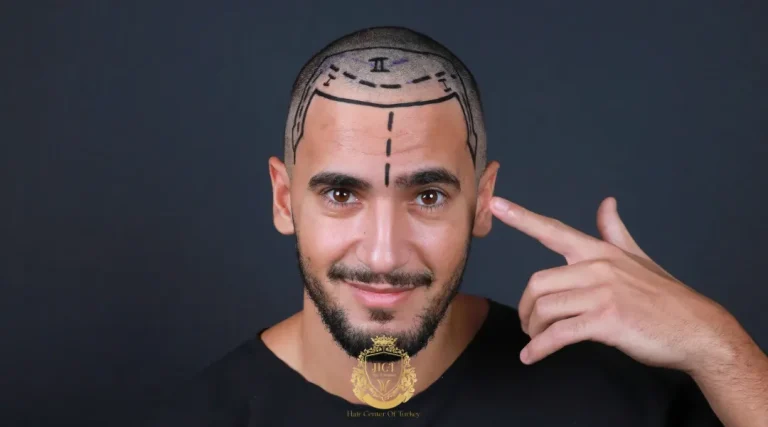
Shaving your head without instructions can remove details the surgeon wants to assess, such as hair length and growth direction. Conversely, some procedures involve planned trimming or shaving. Ask what your clinic needs for the consultation and operation instead of assuming that every transplant requires the same preparation.
Hair fibers, concealers and colored sprays may obscure the scalp or alter its appearance in photographs. Ask how to prepare for photos and examination, and disclose any products used. Follow the clinic’s directions about clean, product-free hair on the day. If you have already shaved or applied a product, tell the team; do not assume the appointment must automatically be cancelled.
What Happens During the Preoperative Review?
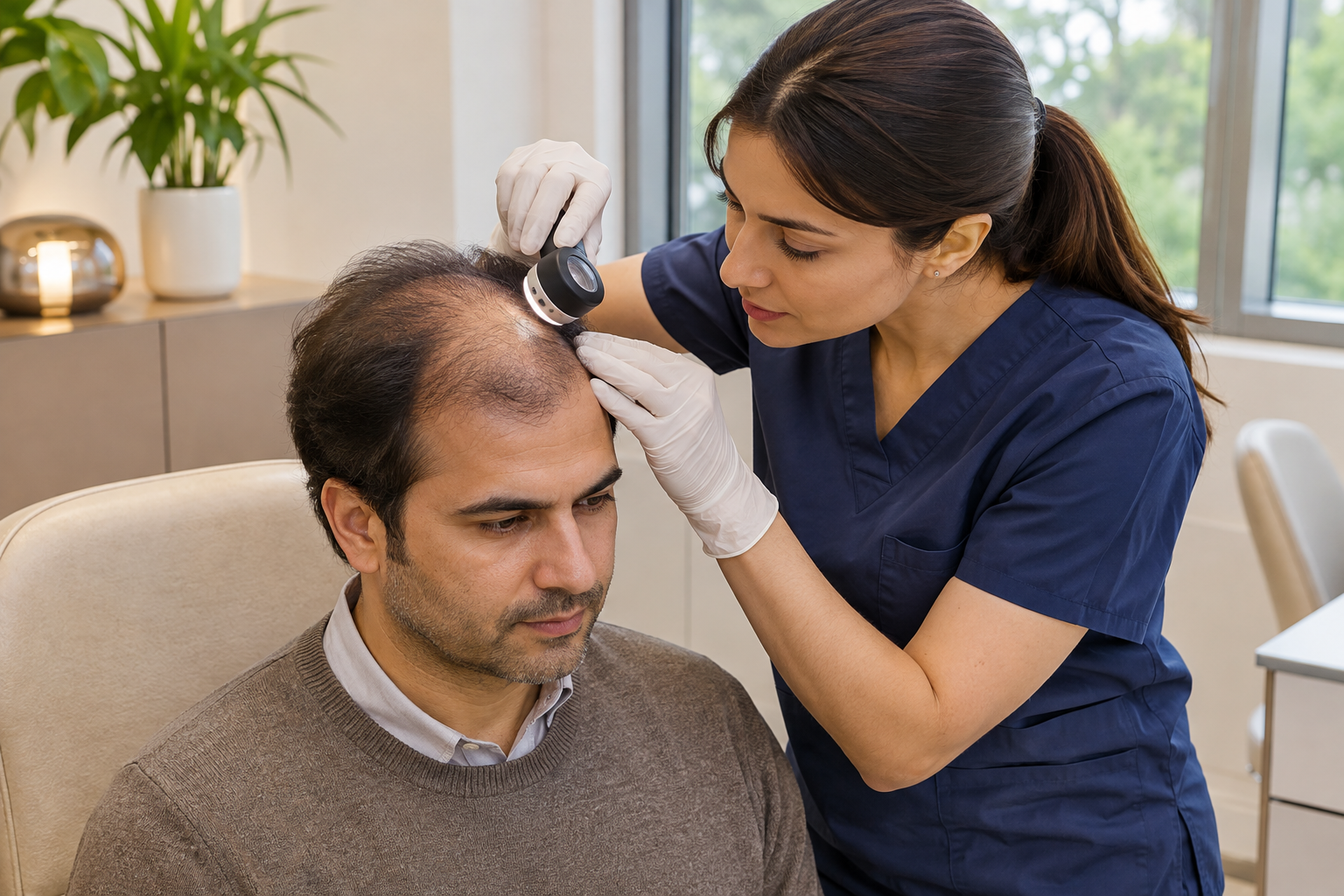
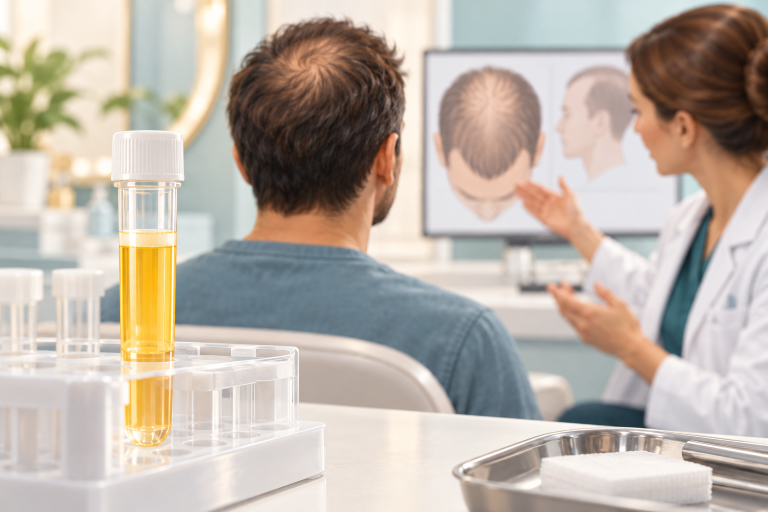
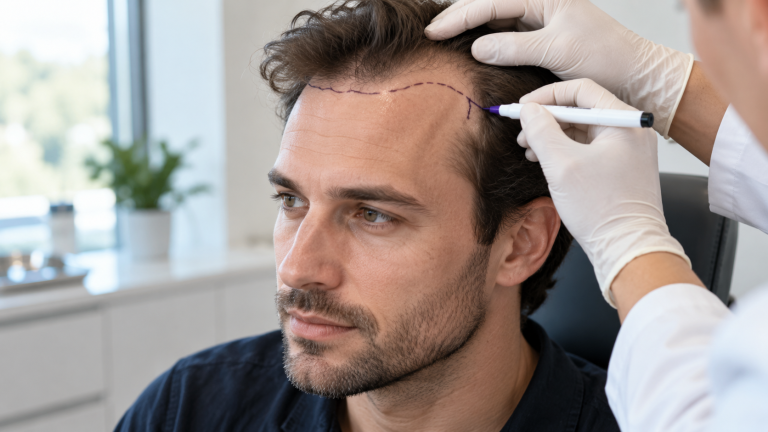
The team reviews your medical history, current treatment, hair-loss pattern and donor area. Scalp examination helps identify irritation or disease that may need attention first. You should receive preparation instructions and know whom to contact if symptoms change. Use the before-hair-transplant guide alongside your individual clinical plan.
Brief Summary
Keep hair care gentle and familiar, reduce avoidable irritation, and share symptoms and product details early. Preparation supports assessment and planning; it does not guarantee a surgical outcome. Your clinic’s individualized instructions take priority over a generic checklist.
Frequently Asked Questions
What shampoo should I use before my hair transplant?
Use a product your scalp tolerates and follow the clinic’s instructions. Shampoo choice and washing frequency depend on your hair and scalp. Check before changing a prescribed medicated shampoo.
Can I dye my hair before the procedure?
Ask your surgical team before scheduling dye, bleach or other chemical treatments. Timing depends on the product and your scalp condition. Report any reaction; there is no universal safe interval.
When should I stop using minoxidil?
Follow an individualized plan from your surgeon and prescribing clinician. Topical and oral preparations require different considerations. Do not stop, restart or change the dose based on a general online timetable.
Does dandruff mean I cannot have a hair transplant?
Not necessarily. The cause and severity of flaking need assessment. The clinic may recommend treatment or delay surgery if an active scalp condition needs control.
Should I shave my head before my consultation?
Only if the clinic asks you to. Hair length and growth direction may help assessment. Requirements for photographs, consultation and surgery can differ, so request specific instructions.
Sources
American Academy of Dermatology: Hair loss — tips for managing
American Academy of Dermatology: Hairstyles that pull can lead to hair loss
This article provides general information and does not replace an individual medical assessment.