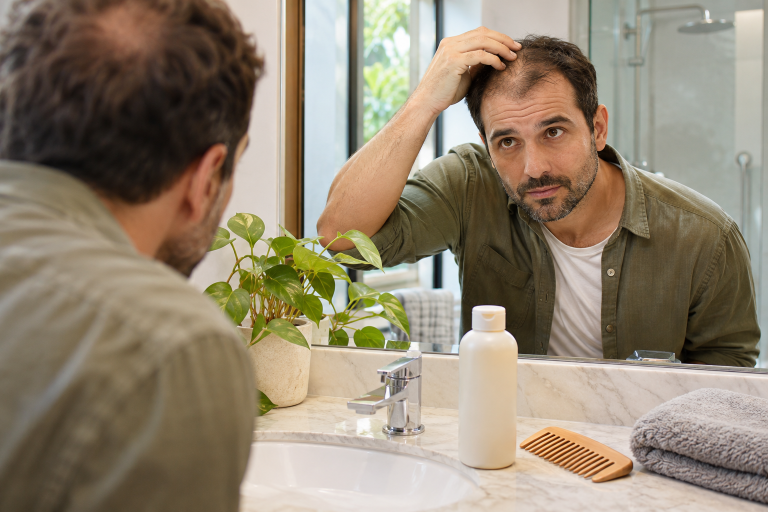


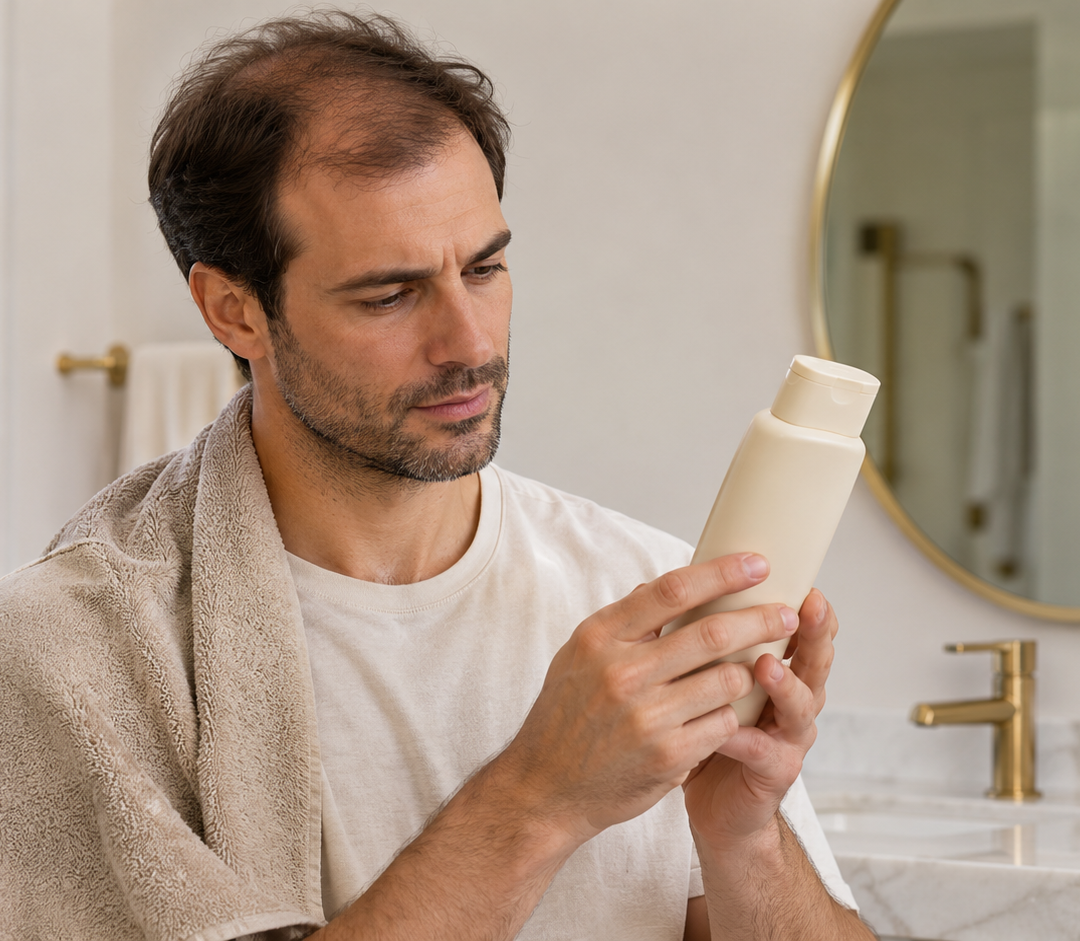
Choose a shampoo for thinning hair according to your scalp symptoms, hair texture, and tolerance—not promises of instant regrowth. A suitable cleanser can improve comfort and the appearance of existing strands, but it cannot diagnose or reverse the underlying cause of hair loss. Hair Center of Turkey, founded in 2014, offers consultations for international patients considering hair restoration; reviewing your scalp and current care routine helps clarify whether medical assessment is needed before planning surgery.
This checklist concerns everyday care before a hair transplant. After surgery, follow your surgical team’s specific washing instructions. There is no single shampoo that suits every person with thinning hair, and a higher price does not establish greater medical benefit.
1. Understand What Is Causing the Thinning
Gradual pattern hair loss, increased shedding, and broken hair shafts can look similar in a mirror but need different approaches. Recent illness, medication changes, scalp disease, and inherited hair loss are examples of issues a clinician may consider. A shampoo label cannot distinguish between them.
Write down when the change began, whether it is diffuse or patchy, and whether itching or pain accompanies it. Bring this information to an assessment rather than repeatedly changing products. Do not stop prescribed medication because you suspect it affects your hair; discuss the concern with the prescriber. Cleansing is supportive care, not a substitute for finding the cause.
2. Check Your Scalp Symptoms
Notice flaking, persistent itch, tenderness, redness, or an unusually tight feeling after washing. These details are more useful than simply calling your scalp “unhealthy.” A product that leaves your skin uncomfortable may not suit you, but symptoms can also indicate a condition needing treatment.
Dandruff is not proof of poor hygiene. Persistent flakes, severe itching, redness, or swelling deserve advice from a pharmacist or clinician. Do not assume every flaky scalp needs stronger cleansing or abrasive scrubbing. Our guide to scalp conditions and hair health explains why assessing the skin matters alongside the hair.
3. Separate Hair Density from Hair Texture
Thinning describes reduced density; fine hair describes the diameter of individual strands. Someone with thinning hair may still have coarse, curly, or tightly coiled strands. Products chosen only for “fine hair” may therefore miss their actual needs.
Consider texture, length, colouring, and previous chemical treatments. A lightweight formula may help fine strands feel less weighed down, while dry or chemically treated lengths may need more conditioning. Judge the result by scalp comfort, manageability, and breakage—not just how much foam the product creates. A fuller appearance after washing does not mean new follicles have grown.
4. Assess Cleansing Tolerance, Not a Single Ingredient
“Sulfate-free” is not an automatic guarantee of a gentle or effective shampoo. The complete formulation, how often you use it, and your skin’s response all matter. Equally, the presence of a sulfate does not prove that a product causes hair loss.
Look for a cleanser that removes the oil and styling residue you need to wash away without persistent burning, itch, or uncomfortable dryness. Avoid creating a complicated rotation of cleansing and clarifying products without a clear reason. If a product causes irritation, stop using it and seek advice if symptoms persist. Do not interpret tingling or burning as evidence that it is stimulating growth.
5. Review Fragrance and Known Allergens
Check the full ingredient list, particularly if you have reacted to a product before. Fragrance, essential oils, and botanical extracts can cause reactions in some people. “Natural,” “clean,” and “hypoallergenic” labels do not establish that a product will be safe for your particular skin.
If you have a diagnosed contact allergy, compare the label with the avoidance list provided by your clinician. Do not leave a rinse-off shampoo on your arm overnight as a home safety test. Suspected contact allergy may require professionally supervised patch testing; a negative home test cannot guarantee tolerance. Stop a product that causes a rash, and obtain prompt medical help for a severe reaction.
6. Distinguish Medicated Shampoo from Cosmetic Shampoo
A medicated shampoo may be recommended for a particular scalp condition. For example, some anti-dandruff products contain ketoconazole or other active ingredients. Their purpose, frequency, and precautions differ from those of an ordinary cleanser.
Treating a scalp condition does not automatically treat inherited hair loss. Ask a pharmacist or clinician which product fits your symptoms and how to combine it with your usual care. Follow the specific label rather than a universal online contact time. Do not use someone else’s prescribed product or increase its frequency because you want faster results. Persistent symptoms need reassessment rather than endless product substitution.
7. Question Hair-Regrowth Claims
Separate cosmetic effects from treatment claims. A shampoo may make existing hair look fuller, reduce the appearance of flatness, or improve manageability. Those outcomes are different from increasing the number of growing hairs or treating a diagnosed hair-loss disorder.
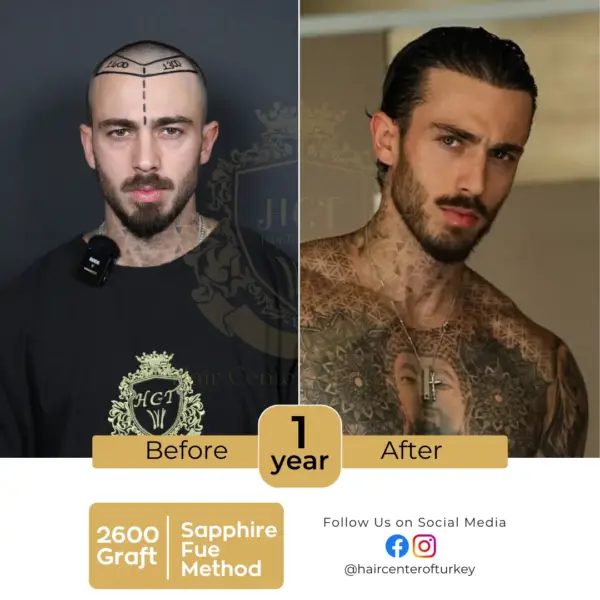
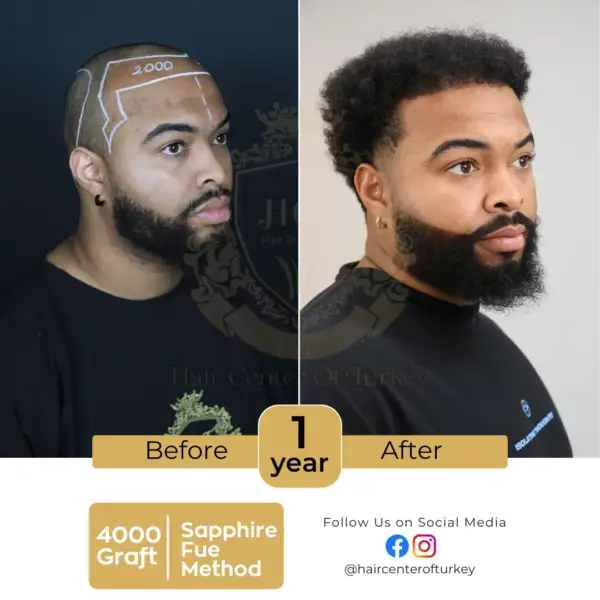
When a manufacturer cites a study, check whether it tested the finished shampoo, people with your condition, and actual hair growth rather than satisfaction or temporary volume. Testimonials and before-and-after photographs alone cannot establish effectiveness. The American Academy of Dermatology explains that hair-loss shampoos do not regrow hair or prevent worsening underlying hair loss. Discuss evidence-based treatment separately with a qualified clinician.
8. Read Directions Before Buying
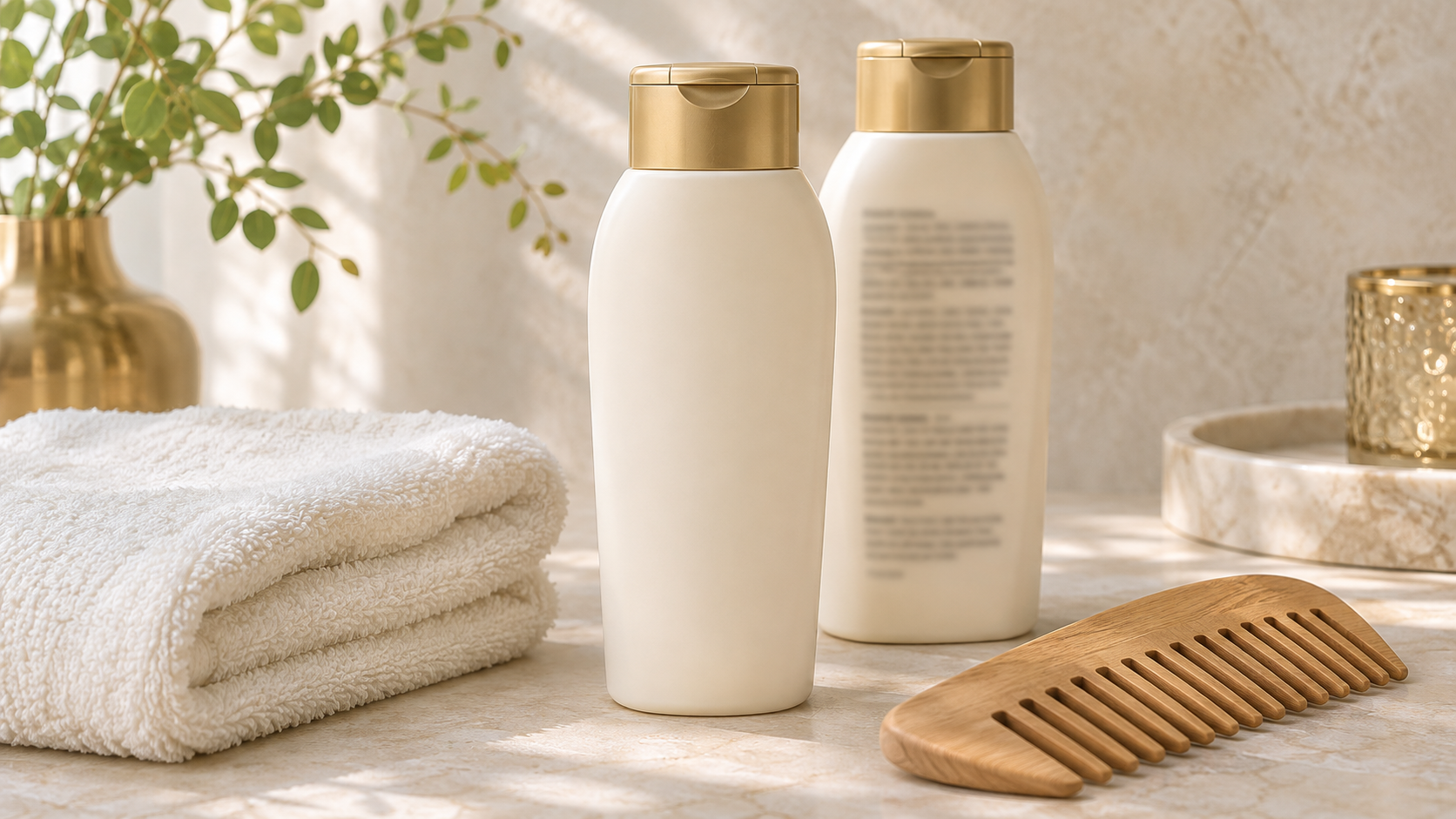
Check whether the shampoo is intended for your age group, hair treatment history, or diagnosed scalp condition. Read the application instructions, warnings, frequency, and rinsing directions. For medicated products, clarify uncertainties with a pharmacist; products with different active ingredients need not be used the same way.
Practical details matter too: can you read the label clearly, obtain the product reliably, and follow the routine? Keep a photograph of the ingredient list if you plan to discuss it at a consultation. Avoid decanting an unfamiliar product into an unlabelled bottle before travel, where you could lose important usage information.
9. Include Conditioner and Gentle Handling
Shampoo is only one part of the routine. Choose conditioning appropriate to your hair texture and apply it as directed. Handle wet hair gently, avoid forceful tangling or towel rubbing, and use a detangling method that suits your hair.
Hair seen during washing may include hairs already in the shedding phase; this alone does not prove the shampoo caused the problem. However, rough handling can contribute to breakage, and irritation should not be ignored. A comfortable routine is more useful than avoiding all washing out of fear. See these hair care mistakes to avoid before a hair transplant for related preparation points.
10. Check Cost and Fit with Your Treatment Plan
Compare the ongoing cost and how long the bottle lasts when used according to its instructions. An expensive “anti-thinning” label does not make a cosmetic shampoo a medical treatment. Avoid committing to a large bundle before you know whether you tolerate the product.
If surgery is planned, share your regular shampoos and scalp treatments with the team. Ask whether anything needs to change and when. Do not introduce several unfamiliar products immediately before your appointment or discontinue a prescribed treatment on your own. Your individual pre-transplant instructions take priority over general shopping advice.
What Happens During a Scalp Assessment?
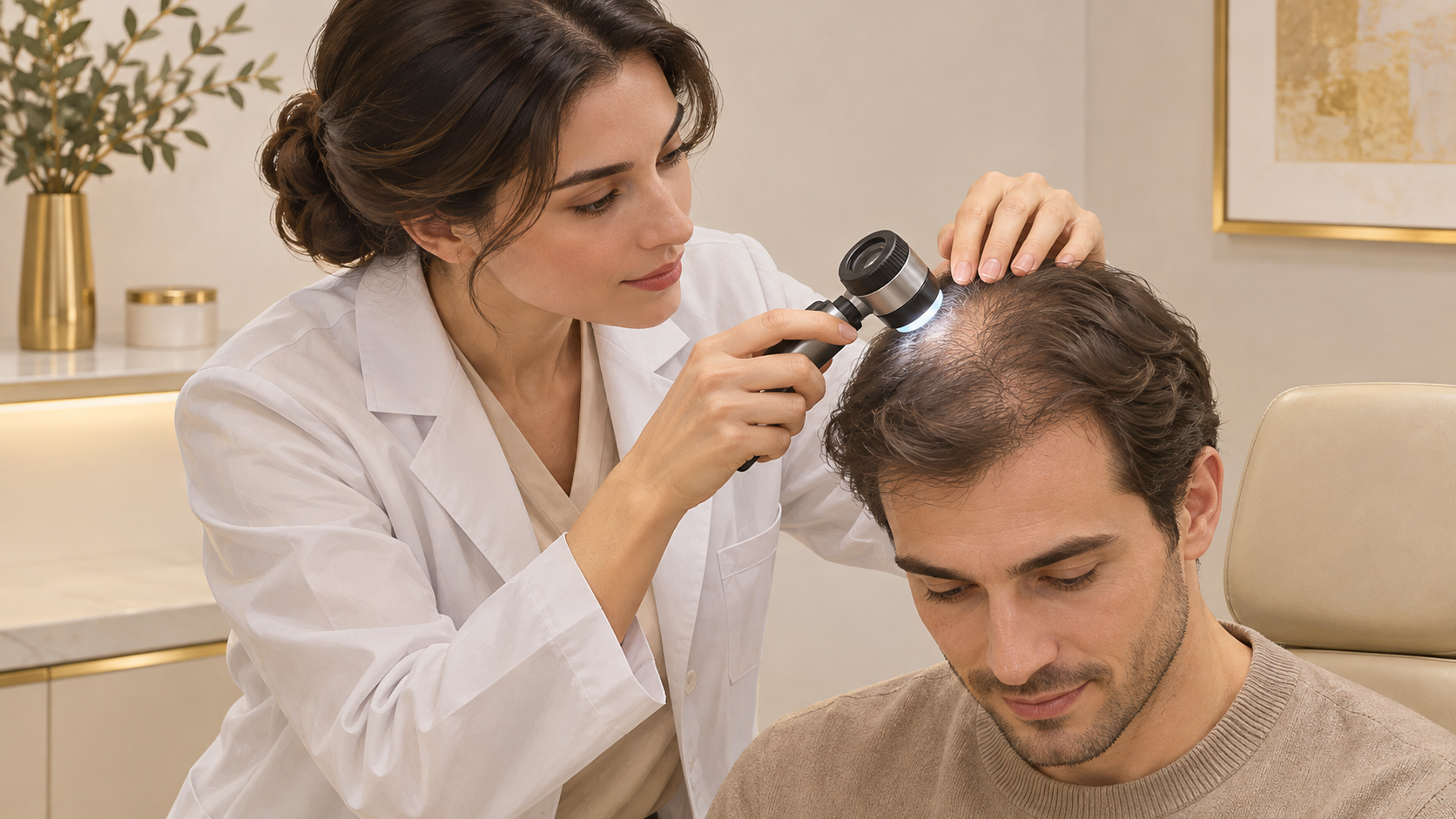
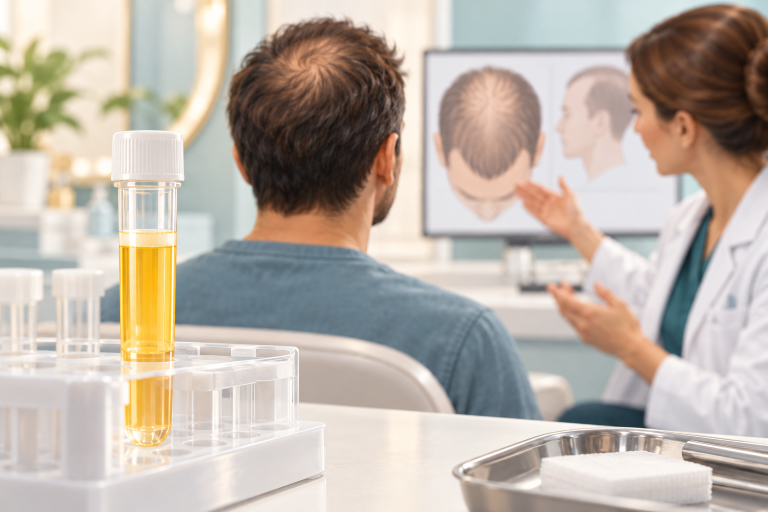
A clinician usually asks about the pattern and duration of hair loss, symptoms, medicines, previous treatments, and family history, then examines the scalp and hair. Magnified examination or additional tests may be appropriate when the history and findings suggest a need; not everyone needs the same tests.
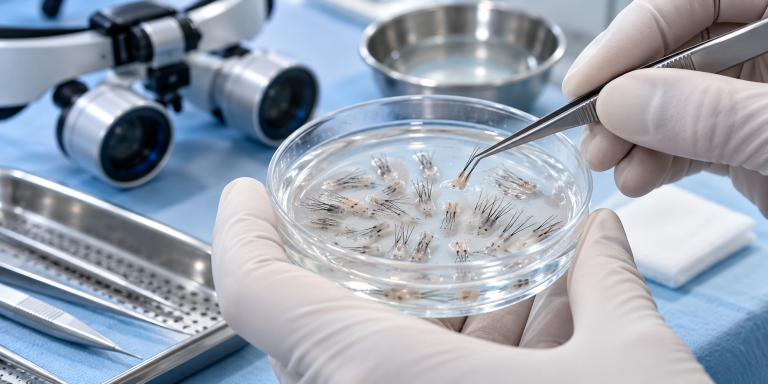
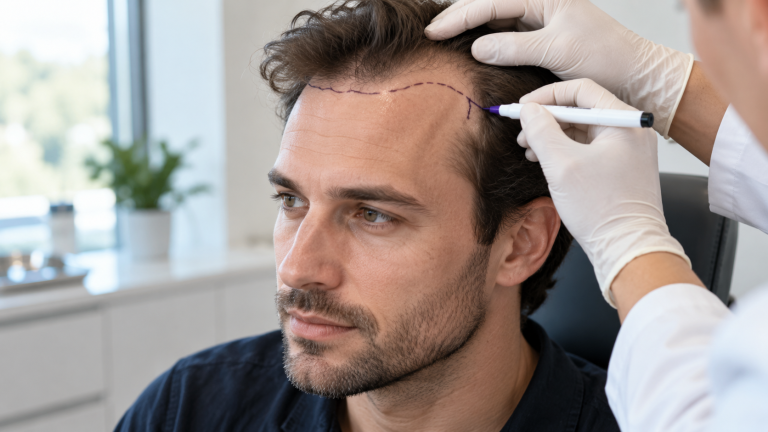
For someone considering transplantation, the assessment also considers the cause and stability of hair loss, donor hair, and scalp health. Active inflammation or another untreated condition may change the plan. Seek assessment for sudden or patchy loss, persistent scalp pain, sores, or marked redness and swelling instead of relying on shampoo changes. Shampoo choice alone cannot determine surgical suitability or guarantee graft survival.
Short Summary
Choose for scalp comfort, hair needs, sensible directions, and realistic claims. Keep the routine manageable and tell your clinician about persistent symptoms or worsening thinning. A suitable shampoo supports daily care; diagnosis and an individualized treatment plan address the medical question.
Frequently Asked Questions
Can shampoo regrow thinning hair?
An ordinary cosmetic shampoo cannot reverse the underlying cause of thinning. It may improve how existing strands feel or look. Products for dandruff treat a different problem; discuss diagnosed hair loss and suitable treatment options separately with a clinician.
Is sulfate-free shampoo always better?
No. Tolerance depends on the whole formulation and your scalp and hair needs. Neither “sulfate-free” nor a large amount of foam establishes that a shampoo is right for you. Persistent irritation is a reason to stop and seek advice.
Can I wash thinning hair every day?
Some people tolerate daily washing, while others need a less frequent routine. Match washing to your scalp, hair texture, activity, and any medicated-product instructions. Do not assume that shed hairs in the shower mean washing has caused permanent hair loss.
Are natural ingredients safer for a sensitive scalp?
Not necessarily. Plant extracts and essential oils can also trigger irritation or allergy. Check known allergens and follow product directions. If reactions recur, a clinician can investigate the cause and advise on appropriate testing and avoidance.
Should I treat dandruff before investigating thinning?
You can address both together. Do not postpone assessment of rapid, patchy, or otherwise concerning hair loss while trying shampoos. Dandruff treatment may help scalp symptoms, but persistent thinning may need a separate diagnosis and treatment plan.
Sources
- American Academy of Dermatology: Hair loss care tips
- American Academy of Dermatology: Female pattern hair loss and shampoo limitations
- American Academy of Dermatology: Hair loss diagnosis and treatment
- NHS: Dandruff symptoms and treatment
This article provides general information and does not replace an individual medical assessment.