

HIV positive hair transplant in Turkey is a medical hair restoration option for suitable patients whose general health, immune status, viral load, and treatment history are carefully evaluated before surgery. Being HIV positive does not automatically mean a person cannot have a hair transplant. The more important question is whether the condition is well managed, whether the patient is medically stable, and whether the procedure is performed in a licensed clinical environment with strict infection control standards.
Hair loss can affect confidence, social life, and personal appearance at any age. For people living with HIV, the decision to undergo a hair transplant may also involve additional concerns about privacy, safety, clinic acceptance, healing, and long term results. A well planned approach helps patients understand what to expect before traveling, during the operation, and after returning home.
Hair Center of Turkey is one of the clinics in Turkey that stands out for its experience with HIV hair transplant in Turkey patients. The clinic approaches HIV+ hair restoration as a procedure that requires careful medical evaluation, strict hygiene protocols, and personalized planning. Before the operation, the patient’s HIV status, current medications, immune health, and general medical history should be reviewed to create a safer treatment plan.
One of the key advantages of Hair Center of Turkey is that it works with an anesthesia doctor. This is especially important for HIV-positive patients because anesthesia planning should consider existing treatments, possible drug interactions, comfort, and overall patient safety. Having an anesthesia doctor involved helps provide better pain control, closer medical supervision, and a more controlled surgical experience.
Can HIV Positive Patients Have a Hair Transplant?
Yes, many HIV positive patients can have a hair transplant when their health condition is stable and the medical evaluation supports elective surgery. The decision is not based only on HIV status. It depends on viral load, CD4 count, current medications, immune function, medical history, scalp condition, and overall surgical suitability.
A patient with controlled HIV, regular antiretroviral therapy, and no active infection may be a suitable candidate after physician review. If the viral load is high, CD4 count is low, or there are recent opportunistic infections, the procedure may need to be postponed until the patient is medically optimized.
This careful approach protects both the patient and the surgical team. Hair transplantation is a minor surgical procedure, but it still involves skin incisions, blood contact, graft extraction, and healing. For this reason, proper preoperative assessment is essential.
Why Medical Evaluation Matters?
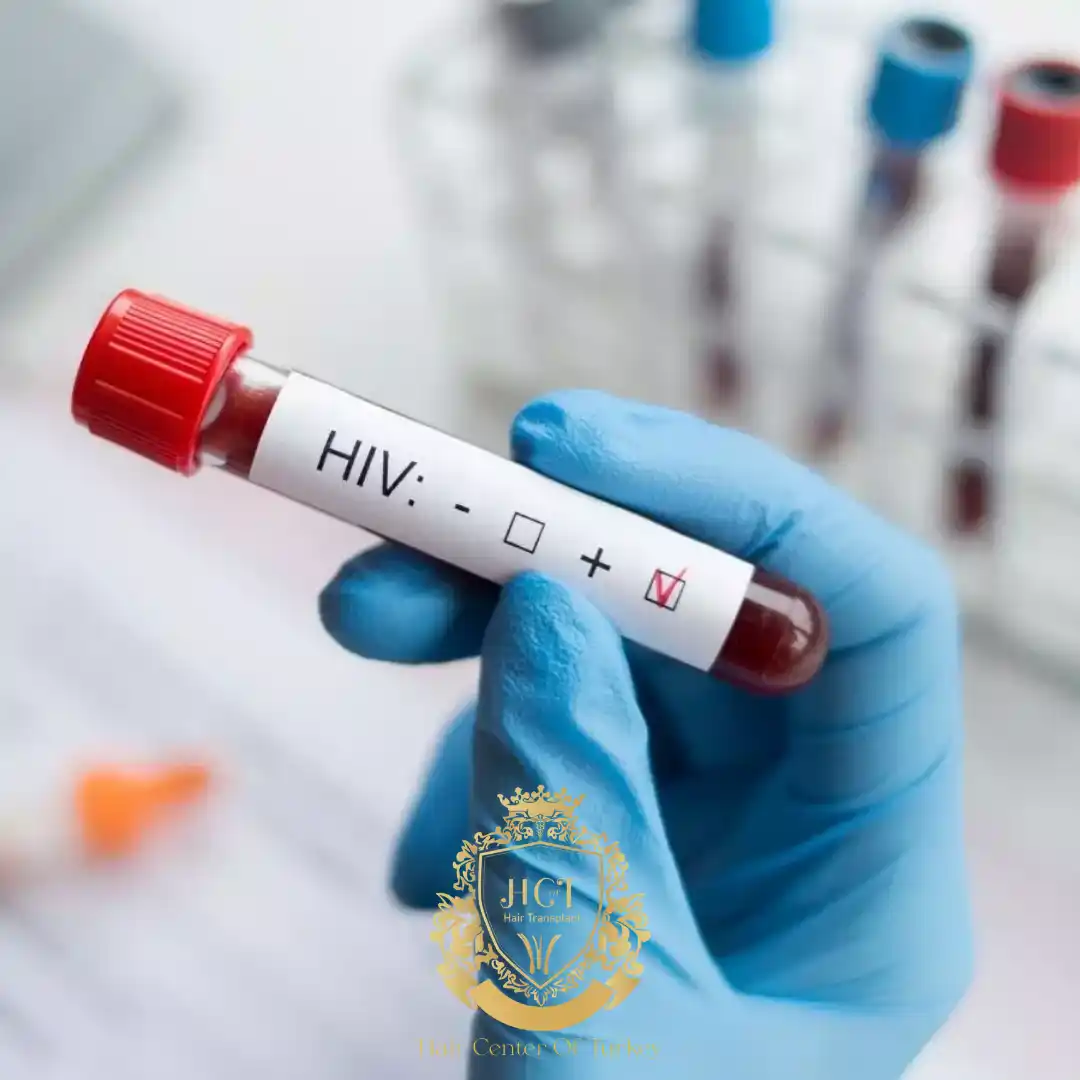
Before an HIV positive hair transplant in Turkey, the clinic should request recent medical information. This may include viral load results, CD4 count, complete blood count, coagulation tests, liver and kidney function tests, and details of current antiretroviral medication. These results help the medical team understand whether the body is ready for surgery and healing.
The goal is not to exclude the patient, but to plan safely. A stable immune system supports wound healing, lowers infection risk, and improves recovery comfort. The surgeon also needs to know whether any medications may affect bleeding, anesthesia planning, or postoperative care.
Patients should be honest about their HIV status during consultation. Withholding this information can create unnecessary risks and may prevent the clinic from preparing the safest protocol. A professional clinic should handle this information with confidentiality and respect.
Hair Transplant Techniques for HIV Positive Patients
The main hair transplant techniques used in Turkey can also be considered for HIV positive patients when medical suitability is confirmed. The choice depends on donor area quality, hair loss stage, graft requirement, scalp condition, and desired hairline design.
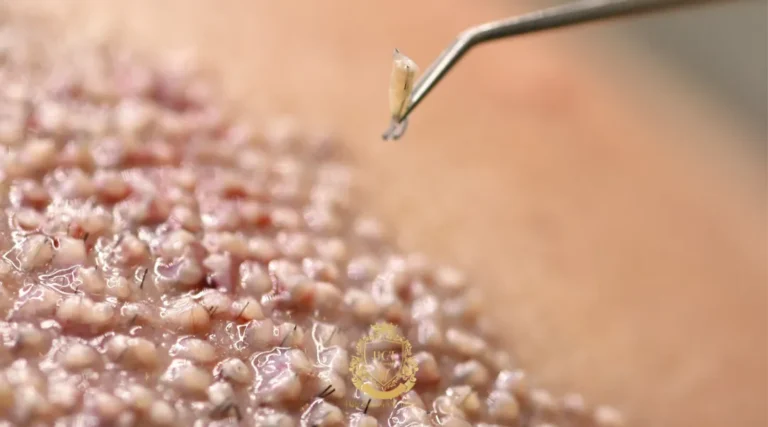
FUE hair transplant involves extracting individual grafts from the donor area, usually the back of the scalp, and implanting them into thinning or bald areas. This method is widely used because it does not require a long linear incision and usually offers a comfortable recovery.
DHI hair transplant uses a special implantation tool that allows grafts to be placed directly into the recipient area. It may be preferred for patients who need precise density planning or do not want full shaving in selected cases.
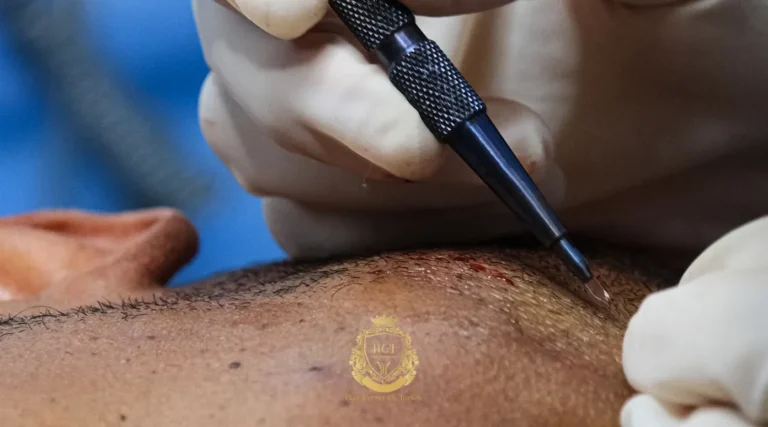
Sapphire FUE uses blades with sapphire tips during channel opening. The aim is to create refined channels and support natural direction, angle, and density. However, the success of any technique depends more on the surgeon’s planning, graft handling, hygiene, and aftercare than on the name of the method alone.
Infection Control and Sterile Conditions
For HIV positive hair transplant patients, infection control is one of the most important parts of the procedure. A responsible clinic should follow strict sterilization protocols for every patient, regardless of HIV status. Standard precautions are designed to protect patients and medical staff in all procedures involving blood or body fluids.
The operating room should be clean, properly equipped, and prepared for surgical work. Instruments must be sterilized or single use where appropriate. Gloves, masks, protective barriers, safe disposal systems, disinfected surfaces, and careful graft handling should be part of the routine.
HIV is not transmitted through casual contact. The concern in a surgical setting is blood exposure, which is managed through proper medical protocols. A clinic that follows these standards can provide a safer experience while also protecting patient dignity.
Privacy and Patient Confidentiality
Confidentiality is especially important for people living with HIV. A patient should feel safe sharing medical details without fear of judgment or unnecessary disclosure. The clinic should limit access to personal health information and communicate with professionalism throughout the process.
International patients often send medical documents before traveling. These files should be handled securely. Consultation notes, blood test results, treatment plans, and travel details should only be used for medical planning.
A respectful approach makes the process easier for the patient. Hair restoration is not only a cosmetic decision; it is also a personal health journey. Clear communication, privacy, and trust are essential.
Who Is a Good Candidate?
A good candidate for HIV positive hair transplant in Turkey is usually someone with stable HIV management, acceptable immune function, realistic expectations, and adequate donor hair. The scalp should be healthy, and there should be no active infection, uncontrolled skin disease, or severe medical condition that increases surgical risk.
The patient should also understand the limits of hair transplantation. A hair transplant can improve density and hairline appearance, but it cannot create unlimited hair. The donor area has a finite number of grafts. Good planning protects future hair restoration options and avoids overharvesting.
Patients with diffuse thinning, weak donor hair, advanced hair loss, or unstable medical results may need a more cautious plan. In some cases, the clinic may recommend medical treatment, waiting for stabilization, or a smaller session.
What Happens During the Consultation?
The consultation begins with medical history and hair analysis. The clinic evaluates the degree of hair loss, donor area density, hair thickness, scalp flexibility, previous treatments, and expected graft number. For HIV positive patients, the medical review is more detailed because immune status and viral control are part of surgical planning.
Photos may be requested before travel. Blood test results may also be reviewed in advance. This helps prevent unnecessary travel if the patient is not currently suitable for surgery.
The surgeon should explain the recommended technique, graft estimate, hairline design, expected density, healing timeline, and possible risks. A good consultation should also answer practical questions. How many days should the patient stay in Turkey? When can they fly home? What care is needed after surgery? When will new hair growth begin?
Procedure Day
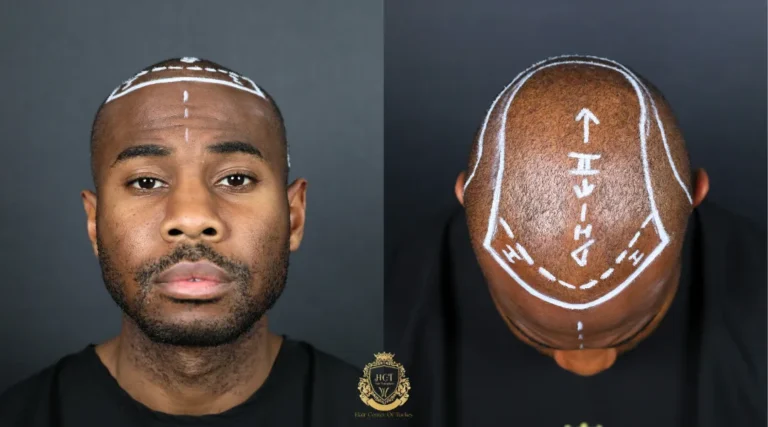
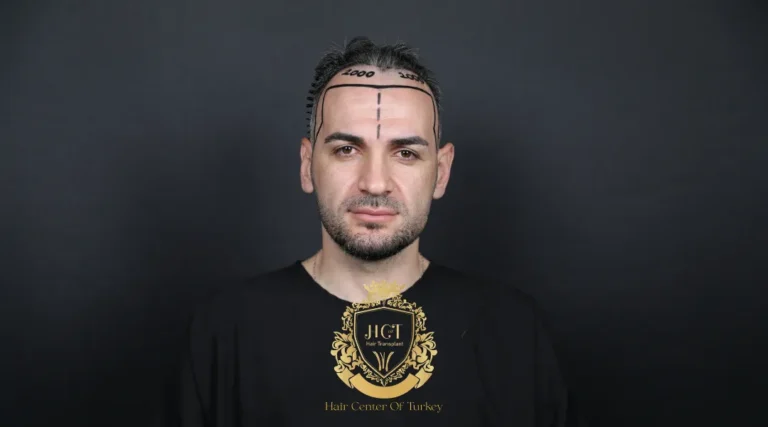
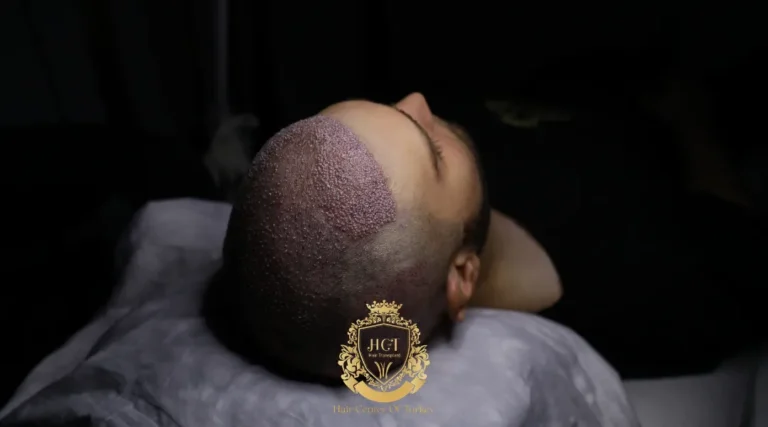
On the procedure day, the patient is prepared for surgery after final checks. The scalp is cleaned, the hairline is marked, and local anesthesia is applied. The donor grafts are extracted carefully, preserved under suitable conditions, and implanted according to the planned direction and density.
For HIV positive patients, the technical steps are generally similar to other hair transplant patients, but infection control and medical monitoring remain especially important. The surgical team should avoid rushing. Graft survival depends on careful extraction, minimal trauma, proper storage, and accurate placement.
The procedure may take several hours depending on graft number. After the operation, the clinic provides instructions about sleeping position, washing, medications, swelling control, and donor area care.
Recovery After Hair Transplant
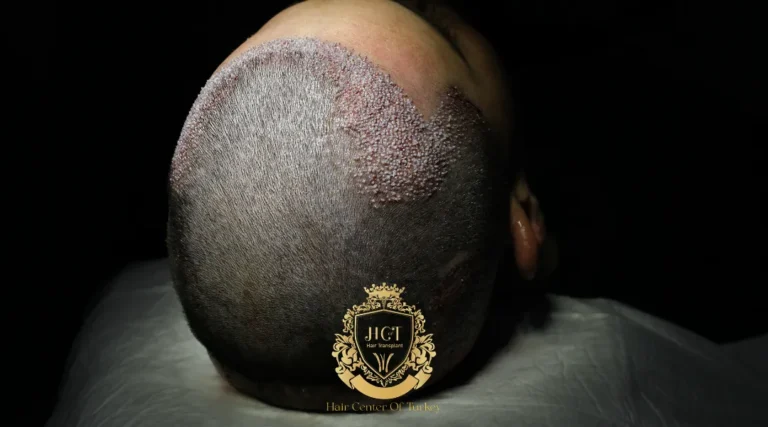
Recovery after HIV positive hair transplant should be monitored carefully. Mild swelling, redness, scabbing, tenderness, and tightness can occur in the first days. These effects are usually expected after hair transplantation. The clinic should explain which symptoms are normal and which signs require medical contact.
The first wash is often performed or demonstrated by the clinic. Patients should avoid scratching, rubbing, heavy exercise, sauna, swimming, alcohol, smoking, and direct sun exposure during the early healing period. The scalp should be kept clean according to the given instructions.
Antiretroviral therapy should not be stopped unless the patient’s own physician gives a specific instruction. Consistent HIV treatment supports general health and helps maintain viral control.
Hair Growth Timeline
Hair transplant results develop gradually. In the first few weeks, transplanted hairs may shed. This is a normal part of the process and does not mean the grafts have failed. New growth usually begins over the following months.
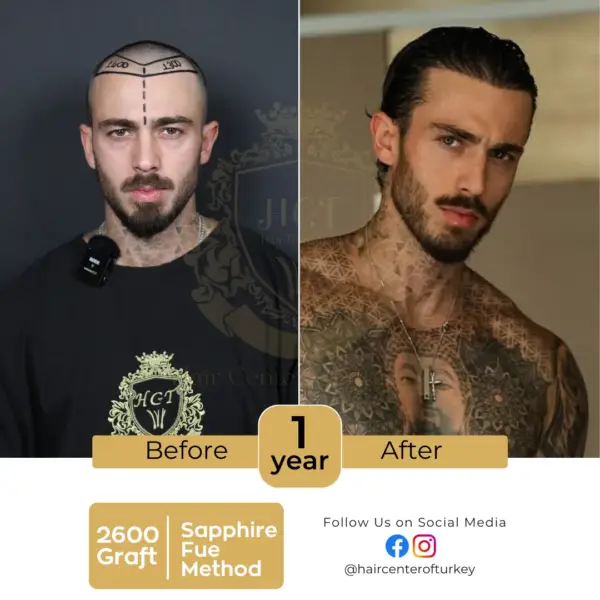
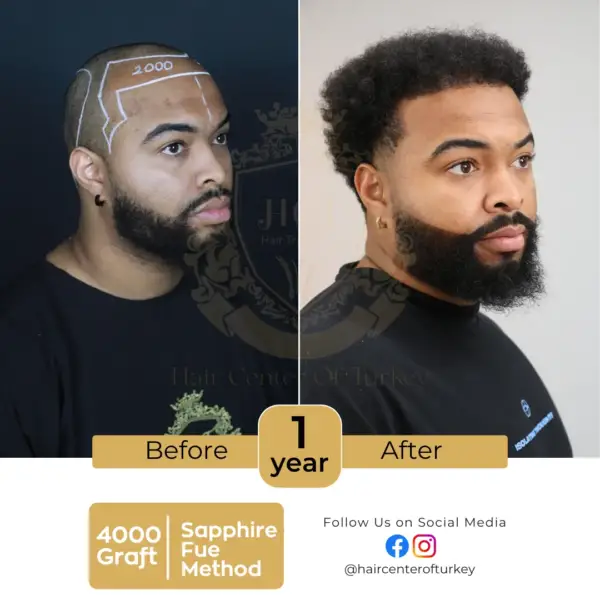
Visible improvement often becomes clearer between the fourth and sixth month. More density appears as the hair matures. Final results may take around one year, and in some patients longer. Hair texture, growth speed, donor quality, and aftercare all influence the outcome.
HIV positive patients with stable health can achieve natural looking results when the procedure is properly planned. However, no clinic can promise perfect density or identical results for every patient. Realistic expectations are essential.

Risks and Safety Considerations
Every hair transplant has possible risks. These may include infection, bleeding, swelling, poor graft growth, shock loss, uneven density, donor area thinning, scarring, numbness, or dissatisfaction with the hairline. HIV positive patients may have additional considerations if immune function is weak or viral control is poor.
This is why preoperative screening matters. A clinic should not treat every patient without review. If surgery is not safe at that moment, postponing the operation is the responsible choice.
Patients should also avoid unlicensed or high volume centers that focus only on low prices. Hair transplantation is a medical procedure, not a simple beauty service. The quality of the medical team, hygiene standards, planning, and follow up can directly affect safety and results.
Choosing a Clinic in Turkey
Choosing the right clinic is the most important step for HIV positive hair transplant in Turkey. Patients should look for a licensed healthcare provider, an experienced medical team, clear communication, realistic graft planning, and transparent preoperative requirements.
The clinic should be willing to review medical documents before confirming surgery. It should explain whether HIV positive patients are accepted, what test results are required, how confidentiality is protected, and what infection control measures are followed.
Patients should be cautious with clinics that promise maximum grafts for every case, avoid medical questions, refuse to provide doctor information, or offer unusually low prices without clear details. A safe hair transplant plan starts with medical responsibility.
Cost of HIV Positive Hair Transplant in Turkey
The cost of HIV positive hair transplant in Turkey depends on the clinic, technique, graft number, medical requirements, operation setting, accommodation package, and follow up services. Some cases may require additional blood tests, physician evaluation, or special scheduling.
Price should not be the only deciding factor. For HIV positive patients, safety, confidentiality, sterile conditions, and doctor involvement are more important than the lowest package. A cheaper procedure may become costly if complications occur or if the result requires correction.
Patients should ask what is included in the price. Consultation, blood tests, medications, hotel stay, transfers, washing session, aftercare products, and follow up communication may vary between clinics.
Frequently Asked Questions
Do I need an undetectable viral load?
Not every clinic uses identical wording, but current perioperative guidance is strongest when viral load is below 200 copies/mL and CD4 count is above 200 cells/mm³. If values are outside that range, additional review is recommended.
Do I need to tell the clinic I’m HIV-positive?
Yes. Your medical team needs this information for safe planning, medication review, and aftercare.
Is the risk of transmission to others increased during a hair transplant?
Properly run healthcare settings use standard precautions for all patients to reduce the risk of bloodborne transmission between patients, staff, and the environment.
Is the price different for HIV-positive patients?
The core price is usually driven by graft count, method, and package structure. Some patients may need extra pre-op coordination or testing, but HIV status alone should not be treated like a marketing-based price multiplier. This is an editorial inference based on how responsible perioperative planning is described versus how some competitor pages price the topic.
Can I travel for surgery while on ART?
If you are living with HIV and considering a hair transplant in Istanbul, the most important first step is a medically responsible consultation. At Hair Center of Turkey, your case should be reviewed individually, with attention to recent lab results, current treatment, timing, and the safest pathway for surgery. The goal should never be to rush an elective procedure, but to confirm that it can be done safely and with realistic expectations.
A Note From Hair Center of Turkey
If you are living with HIV and considering a hair transplant in Istanbul, the most important first step is a medically responsible consultation. At Hair Center of Turkey, your case should be reviewed individually, with attention to recent lab results, current treatment, timing, and the safest pathway for surgery. The goal should never be to rush an elective procedure, but to confirm that it can be done safely and with realistic expectations.
Explore the complete guide: Medical Safety and Eligibility