

Hair Transplant Clinics In Munich: Surgeons, Costs & Procedures
Munich has several medical practices offering hair transplantation, most commonly FUE and DHI, with FUT used in selected cases. Costs vary mainly by graft count, technique, and who performs the key steps. This guide explains how each method works, what recovery looks like, and how to vet clinics for safe, natural-looking results.
Hair loss can come from genetics, hormonal changes, medical conditions, or lifestyle factors. A hair transplant can restore density in thinning areas by relocating follicles from a more stable donor zone (usually the back and sides of the scalp). The right outcome depends as much on planning and medical oversight as it does on the technique itself.
Table of Contents
Hair Transplant In Munich
Munich is home to dermatology and aesthetic surgery practices that offer hair transplantation alongside medical hair-loss care. Many clinics combine surgical options with non-surgical support such as scalp diagnostics, PRP, or medication planning when appropriate. When you compare providers, focus on medical qualifications, transparent pricing, and a clear aftercare plan rather than marketing promises.
Who Is A Good Candidate
A consultation should confirm that your donor area has enough healthy follicles and that your hair loss pattern is stable enough for surgical planning. People with diffuse thinning, active scalp disease, or uncontrolled medical issues may need treatment first or may be better served with non-surgical options. A reputable clinic will also talk through long-term planning, since native hair can continue to thin over time.
Hair Transplant Methods Offered In Munich
Clinics in Munich commonly offer the following surgical methods. The best choice depends on your donor supply, the size of the area to cover, hairstyle preferences, and your tolerance for scarring and downtime.
FUE Hair Transplant
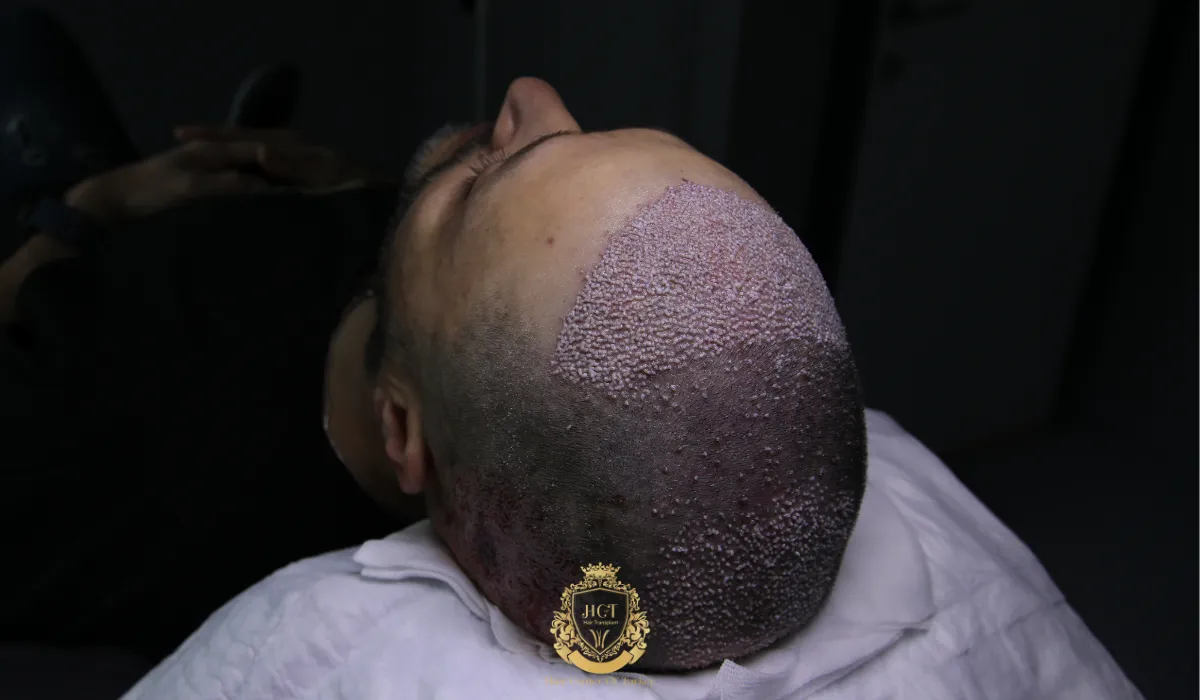
FUE (Follicular Unit Extraction) removes follicular units one by one using a small punch, then implants them into the recipient area. It avoids a long strip scar and is widely used for hairline work, frontal thinning, and many crown cases. Healing is usually faster than strip surgery, though you can still expect small dot-like marks in the donor area.
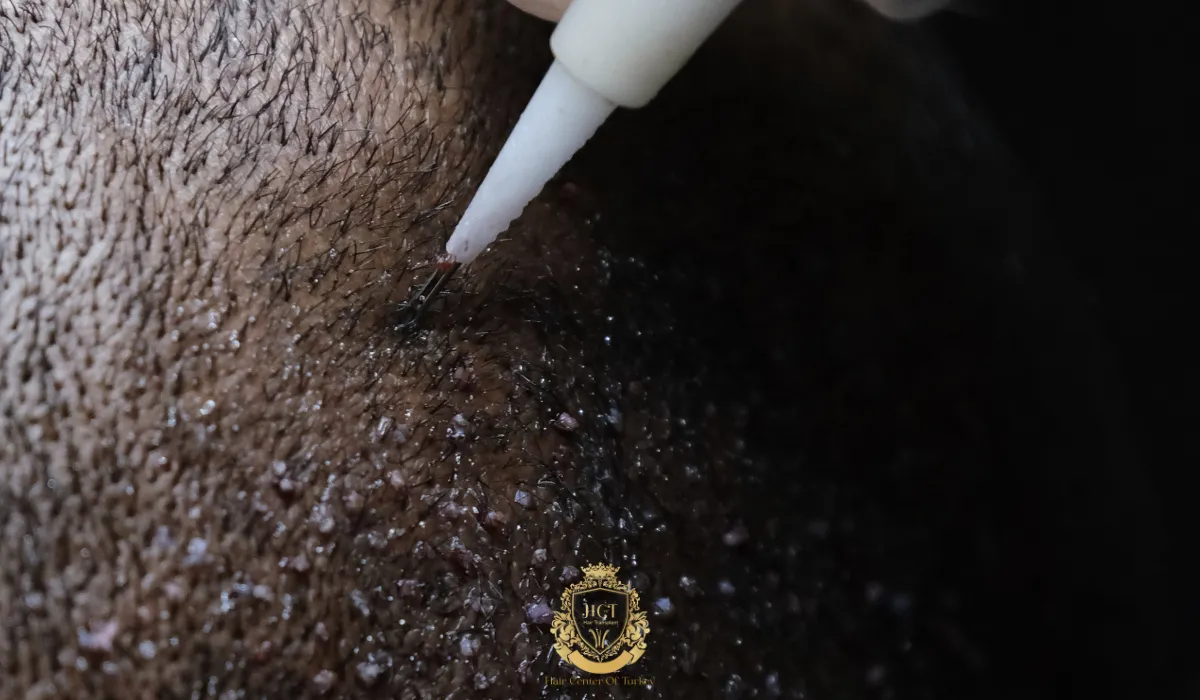
DHI (Direct Hair Implantation) is an implantation approach where grafts are placed using an implanter pen, often allowing more controlled angle and density work in targeted zones. Some clinics use DHI to reduce the time grafts stay outside the body and to support detailed hairline design. Costs are often higher than standard FUE because of the tools and time involved.
FUT Hair Transplant
FUT (Follicular Unit Transplantation) takes a thin strip of scalp from the donor area, then dissects it into grafts for implantation. It can suit patients who need a high number of grafts and who plan to wear their hair longer at the back. The trade-off is a linear donor scar, so it is less popular than FUE in many modern clinics.
What To Expect During Hair Transplant Surgery In Munich
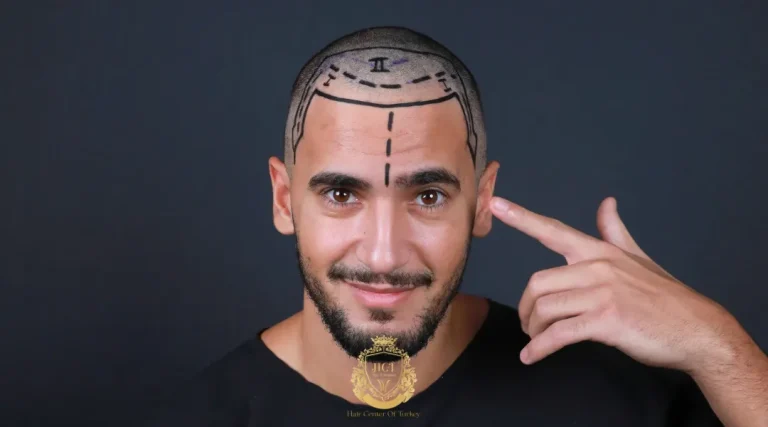
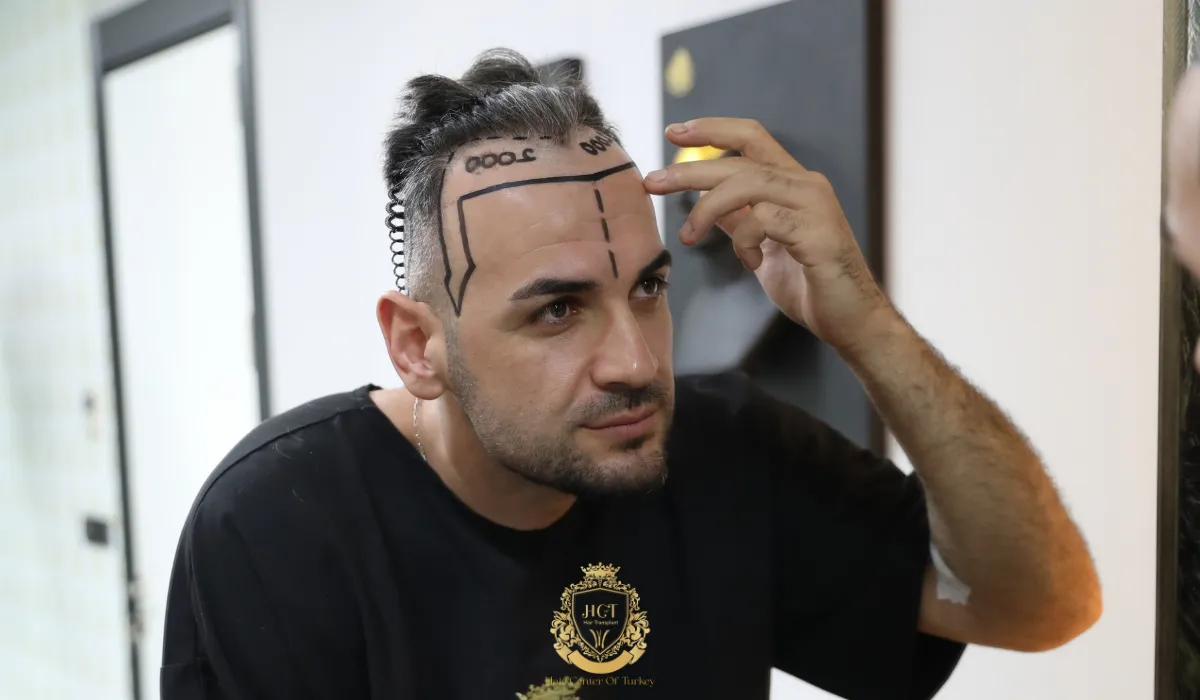
Most procedures start with a medical review, hairline planning, and local anesthesia. The team extracts grafts from the donor area, preserves them carefully, and implants them into prepared recipient sites (or places them directly in DHI workflows). Sessions commonly last several hours, and clinics should provide written aftercare and follow-up appointments.
Hair Transplant Costs In Munich
In Munich, prices are commonly quoted as a total package and can vary widely by graft count and technique. Many sources place typical ranges around €4,000 to €10,000 for procedures in Munich, while DHI is often priced higher than FUE for the same graft number. Ask for a written quote that states the estimated graft count, what is included (medications, aftercare, follow-ups), and who performs each step.
How To Choose A Clinic And Surgeon In Munich
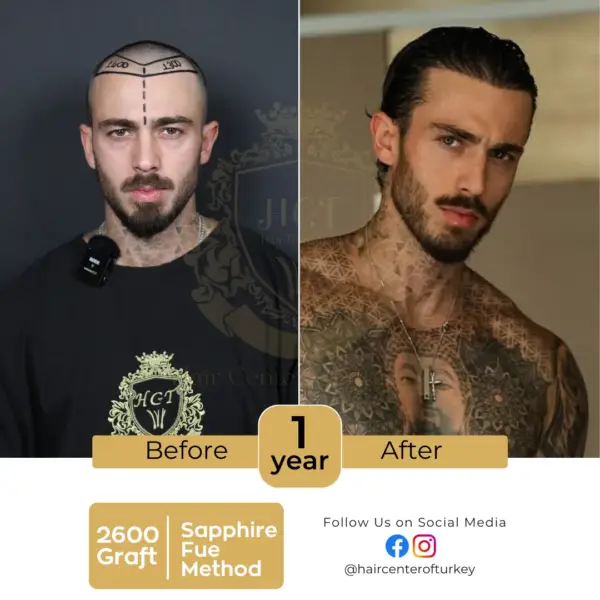
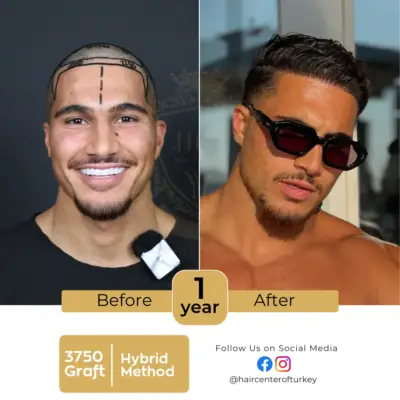
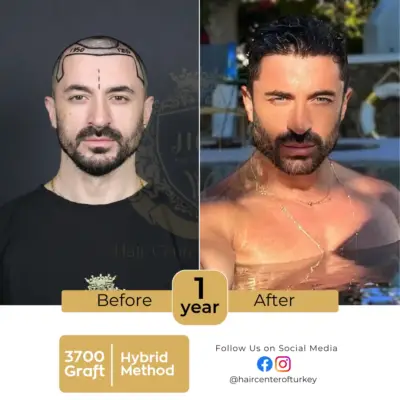
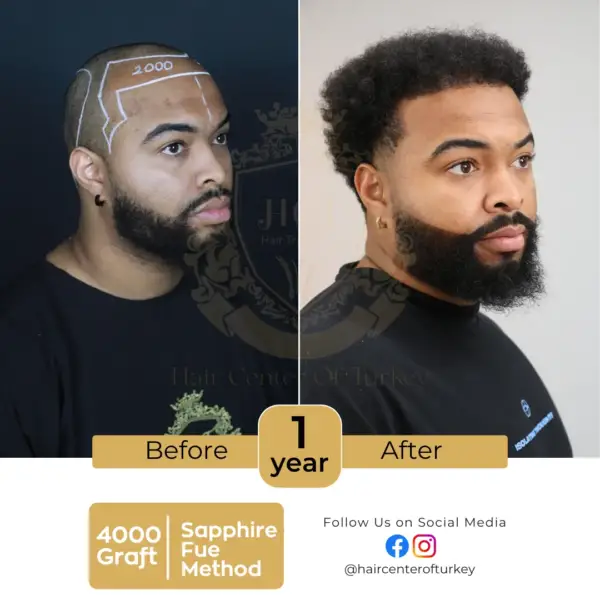
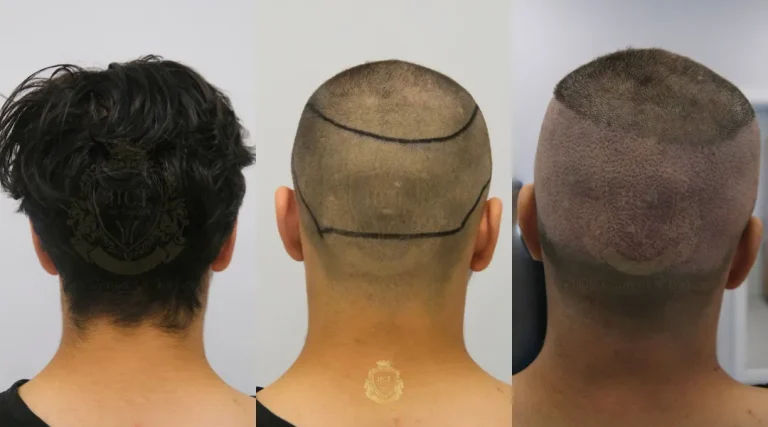
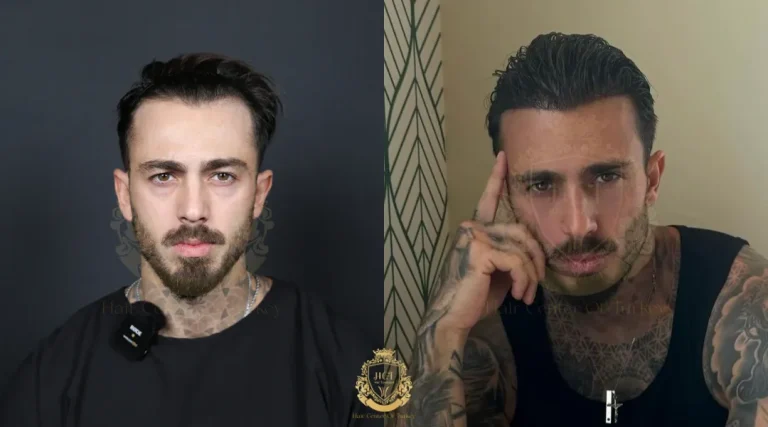
Look for clear medical accountability: the diagnosing doctor and the surgeon (or supervising physician) should be named, and their qualifications should be easy to verify. Ask whether the doctor performs or directly supervises critical steps such as extraction, site creation, and implantation. Request consistent before-and-after cases similar to your hair loss pattern, and make sure the clinic offers structured follow-ups, since final results take months to mature.
Recovery And Aftercare Basics
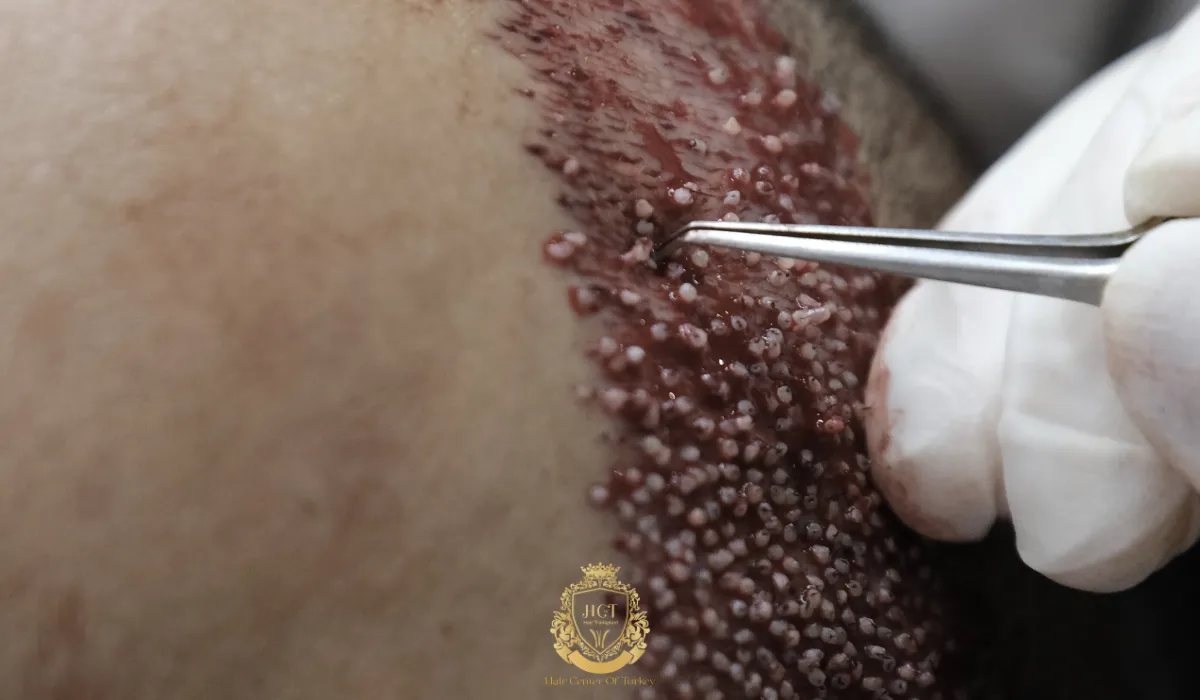
After surgery, protect the grafts from friction, sweating, and sun exposure, and follow the clinic’s washing schedule. Many clinics recommend resting with the head elevated and avoiding strenuous exercise for the first days. If you notice increasing pain, spreading redness, fever, or unusual discharge, contact your clinic promptly for assessment.
Examples Of Hair Transplant Providers In Munich
The clinics below are examples of Munich-based providers that publicly describe hair transplantation services. This is not an endorsement, and availability, pricing, and medical staffing can change—use it as a starting point for your own due diligence.
- Haarzentrum München / Haarzentrum.de (describes DHI, FUE, and FUT options and dermatology-led care).
- Munich Hair Transplant (describes ARTAS® iX robot-assisted transplantation and manual FUE).
- Haut- Und Laser Zentrum / MVZ Corius München (describes DHI as a service line).
- True Aesthetics (describes FUE hair transplantation in Munich).
- KÖ-HAIR (listed as a Munich provider offering hair transplantation services).
Travel Tips For Patients Visiting Munich
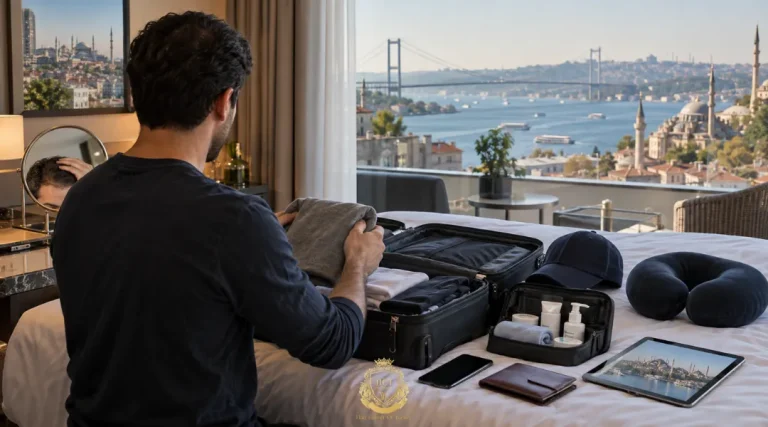
Plan your schedule so you can rest after the procedure and attend any early follow-up checks. Choose accommodation with easy transport, and avoid tight hats or anything that rubs the recipient area on the way home. If you are flying, confirm with your clinic when it is safe to travel and which medications you should pack in your carry-on.
Considering Treatment Outside Munich
Some patients compare Munich-based care with medical travel options, especially when cost is a major factor. If you consider treatment abroad, apply the same standards: verify the doctor’s role, demand a clear plan for aftercare once you return home, and avoid clinics that push unrealistic promises. Turkey is a common destination for European patients because of package pricing, though your total cost should include flights, accommodation, and follow-up planning.
FAQs
How much is hair transplant surgery in Germany?
€3,000–€10,000, depending on graft number, technique, and clinic.
Is Germany good for hair transplants?
Yes; Germany’s regulated clinics can deliver excellent results with qualified hair-restoration surgeons.
Is hair transplant covered by insurance in Germany?
Not usually; insurance covers only medically necessary reconstructive transplants after trauma or disease.
Which city is best for hair transplant?
No single best city; Berlin, Munich, and Hamburg have many reputable transplant clinics.
What is the cost of a hair transplant in Germany?
€3,000–€10,000 for most patients, rising with larger graft sessions.
Explore the complete guide: International Hair Transplant Locations