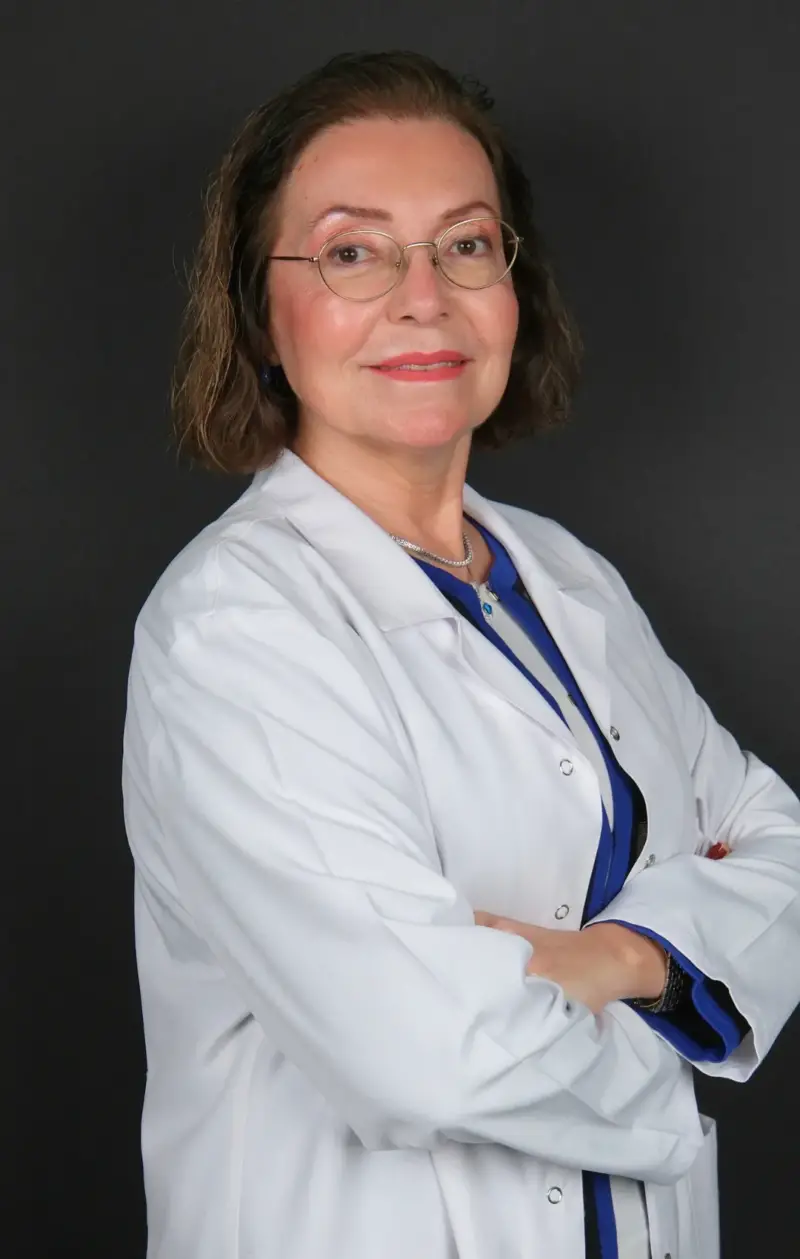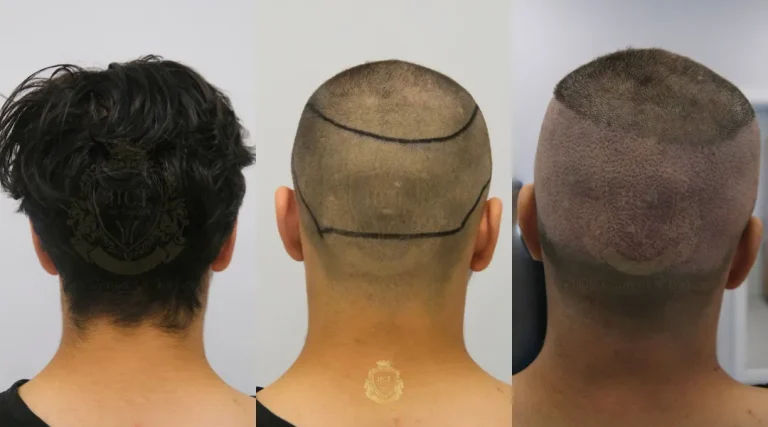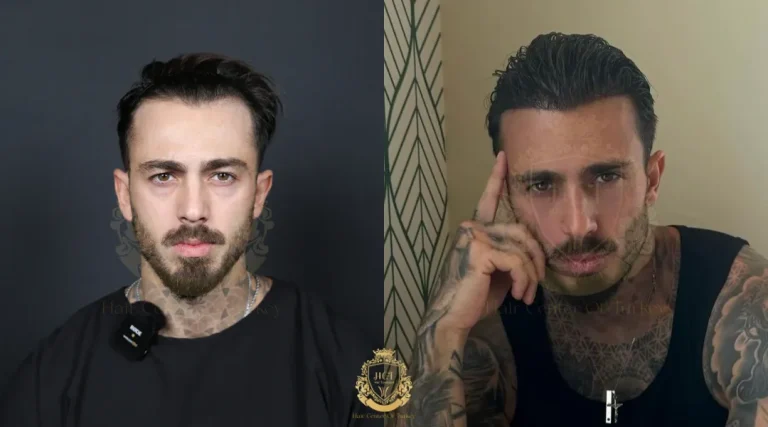
As Hair Center of Turkey — founded in 2014, with a team of 3 specialist surgeons and more than 3,000 hair transplant procedures a year — we put together this guide to help you weigh Lebanon’s clinics against established centers in Turkey before you book anything.
Hair Transplant Clinics In Lebanon: Surgeons, Costs, And Procedures
Lebanon offers modern hair transplant surgery—most commonly FUE and DHI—at prices that are often lower than many Western markets. Typical package quotes are in the mid-thousands, but outcomes depend on surgeon credentials, donor management, and aftercare. Choose clinics that clearly state who performs each surgical step.
Table of Contents
Why Lebanon Is On The Hair Transplant Map
Lebanon has long had a strong private aesthetic medicine sector, and hair restoration has followed the same path. Many clinics market multilingual patient support, short waiting times, and procedure packages that bundle aftercare and medications.
Cost is a big driver, but it shouldn’t be the only one. The safest outcomes come from clinics that are transparent about the medical team, the exact technique used, and how they manage complications and follow-up.
What To Expect During A Hair Transplant In Lebanon
A hair transplant is usually done under local anesthesia and takes place in one long session. Many patients describe the day as tiring more than painful, especially when the clinic keeps breaks and hydration in the plan.
Consultation And Hairline Design
The first step is a medical evaluation and a donor-area assessment. A good surgeon will discuss family history, current shedding, and whether you should stabilize ongoing loss with medication before surgery.
Hairline design is not a “one-size-fits-all” template. It should match your facial proportions, age, and expected future loss so the result still looks natural years later.
Donor Harvesting And Graft Preparation
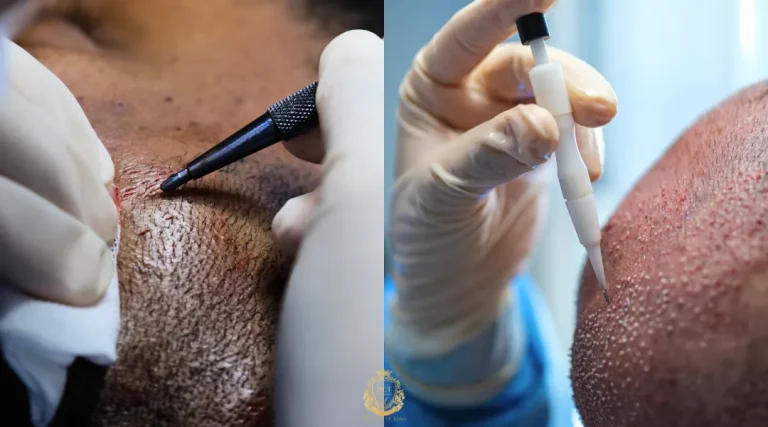
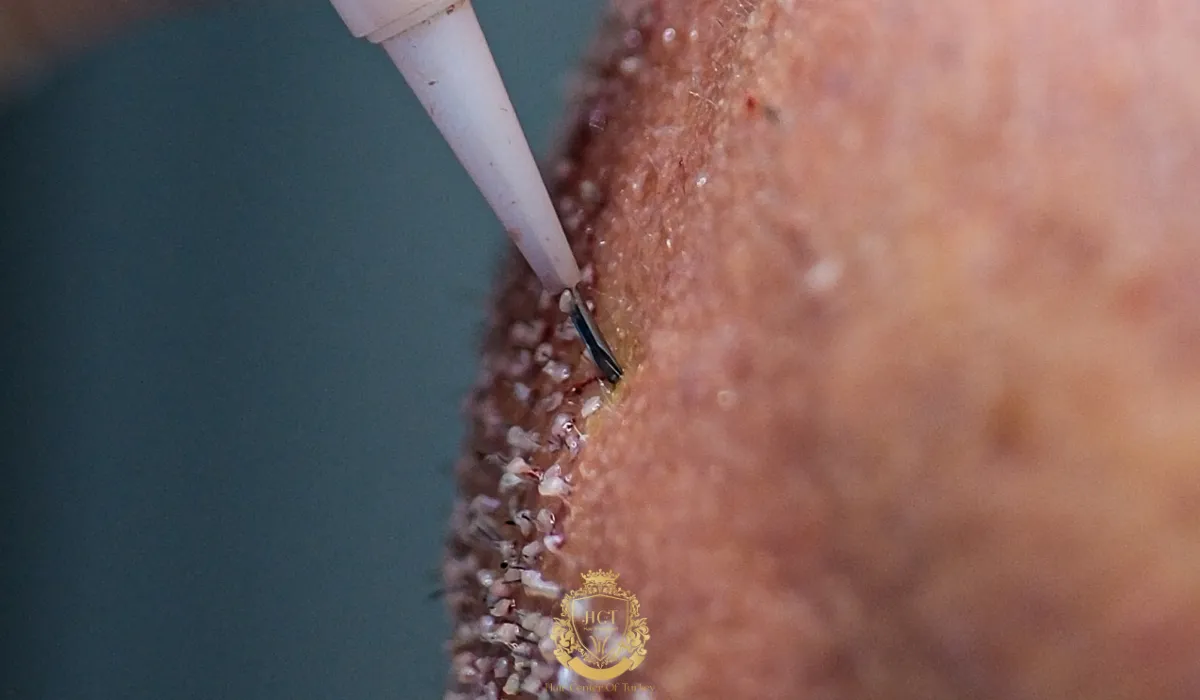
In FUE, the team removes follicular units one by one using a small punch, then sorts grafts under magnification. ISHRS explains FUE as follicular unit *excision* (not “extraction”), highlighting that it’s a surgical skill and not a simple technician task.
In FUT (strip surgery), the surgeon removes a thin strip of scalp from the donor area and closes it with sutures or staples, leaving a linear scar. The strip is then dissected into grafts for implantation.
Implantation And Same-Day Care
For implantation, the surgeon (or supervised medical team) places grafts into tiny recipient sites following the planned direction and density. Clinics typically give you a written aftercare plan, a gentle wash schedule, and a short list of do’s and don’ts for the first couple of weeks.
Many clinics quote a total procedure time of about 4–8 hours, depending on graft numbers and whether the case is straightforward or complex.
Techniques You’ll See In Lebanese Clinics
Most clinics in Lebanon promote FUE and DHI. FUT is less commonly marketed today, but it can still be the right option in selected cases.
FUE Hair Transplant
FUE is popular because it avoids a long linear scar and usually allows a faster return to normal routines. It’s also flexible: surgeons can harvest from the scalp and, in some cases, the beard for added graft supply.
Ask what punch sizes and harvesting approach the surgeon uses, and who is responsible for the harvesting step. ISHRS specifically warns about unlicensed “black market” practice and emphasizes physician-driven harvesting.
DHI Hair Transplant
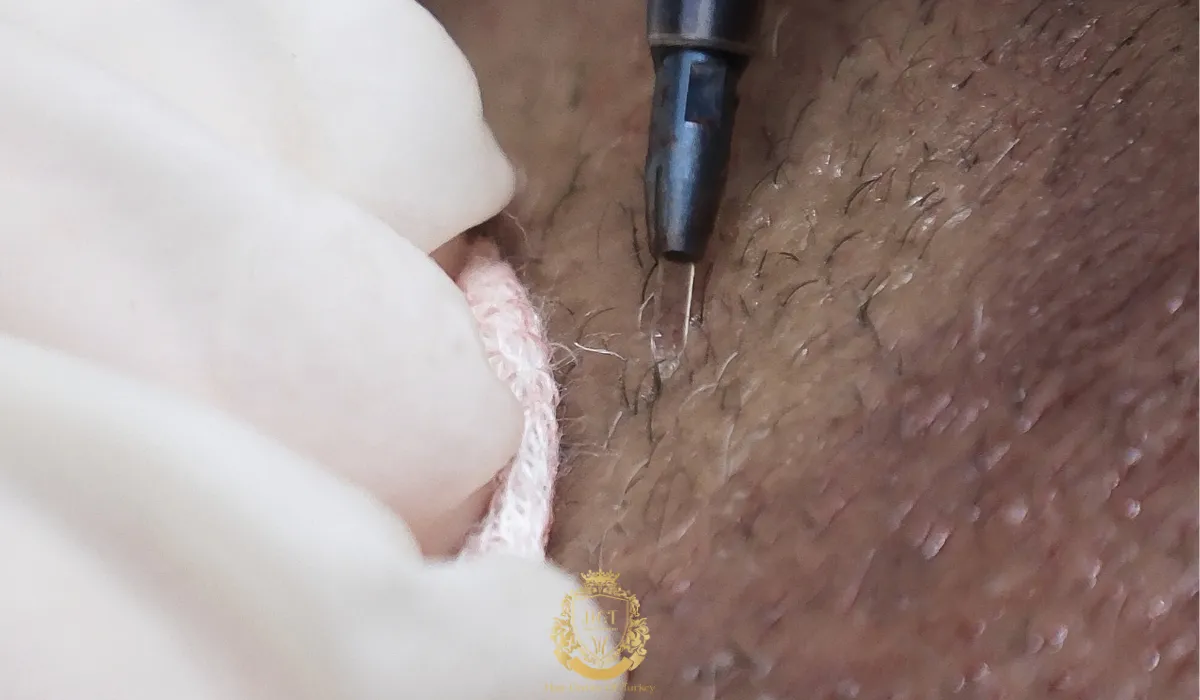
DHI is essentially an implantation method, commonly described as placing grafts directly with a pen-like implanter. Clinics often position it as a way to improve control over angle and density, especially around the frontal hairline.
Not every patient needs DHI. The best technique is the one that fits your donor limits, hair caliber, loss pattern, and the surgeon’s proven experience with cases like yours.
FUT Strip Surgery
FUT can make sense when maximizing graft yield from the donor area is a priority, or when a patient prefers not to shave the donor region extensively. The trade-off is a linear scar and, for many people, a slightly longer recovery around the donor closure.
A reputable clinic will explain why they recommend FUT instead of defaulting to whatever is currently trendy.
Hair Transplant Cost In Lebanon
Online clinic guides commonly quote total hair transplant prices in Lebanon in the range of about **$3,000–$6,000** for standard cases, with higher quotes for large sessions or premium packages.
Prices can be presented as a flat package, a per-graft quote, or a mix of both. Global per-graft pricing varies widely by country and clinic, so comparing “value” is easier when you compare what’s included, not just the headline number.
What Changes The Final Price
- **Graft count and case complexity** (diffuse thinning and repair cases cost more)
- **Technique** (FUE and DHI are often priced differently)
- **Surgeon involvement** (who harvests and who implants)
- **What’s included** (medications, PRP sessions, follow-ups, hotel/transport for medical travelers)
| Clinic | Location | Main Techniques | Price Range (USD) | Package Type |
|---|---|---|---|---|
| Hair Center of Turkey | Istanbul, Turkey | FUE, DHI | $2,500–$5,500 | All-inclusive package |
| Lygos Clinic | Istanbul, Turkey | FUE, DHI | $2,500–$5,500 | Standard package |
| Beirut Hair Clinic | Beirut, Lebanon | FUE, DHI | $3,000–$5,500 | Package pricing |
| Lebanese Hair Center | Beirut, Lebanon | FUE, DHI | $3,000–$5,500 | Package pricing |
| Elite Hair Transplants | Beirut, Lebanon | FUE, DHI | $3,000–$5,500 | Package pricing |
Some online summaries list the following package-style ranges. Treat these as marketing snapshots and confirm current pricing directly with each clinic.
- Hair Center of Turkey: $2,500–$5,500
- Lygos Clinic: $2,500–$5,500
- Beirut Hair Clinic: $3,000–$5,500
- Lebanese Hair Center: $3,000–$5,500
- Elite Hair Transplants: $3,000–$5,500
How To Choose A Clinic Or Surgeon In Lebanon
A hair transplant is surgery, even when it’s marketed like a cosmetic service. The clinic you choose matters as much as the technique.
A Practical Shortlist Checklist
- **Who does the harvesting and site creation?** Physician-led surgery is a key safety marker.
- **Credentials and focus:** Look for hair-restoration specific training, strong case volume, and clear ownership of results.
- **Medical evaluation:** The clinic should screen for scalp conditions and discuss medical options (like minoxidil or finasteride where appropriate) to protect existing hair.
- **Before-and-after transparency:** Consistent lighting, angles, and timelines, plus photos of donor healing.
- **Aftercare and follow-up:** Clear instructions, easy access for questions, and a plan for managing issues such as infection or prolonged redness.
If a clinic refuses to say who performs each step, treats graft numbers like a sales target, or pressures you to book quickly, it’s a sign to step back.
Travel Tips For Patients Coming To Lebanon
If you’re traveling in, plan to arrive at least a day before surgery so you’re rested and not rushed. Staying close to the clinic helps in the first couple of nights, when you may need quick check-ins or assistance.
Bring comfortable button-up tops, a neck pillow for sleeping, and any regular medications you take. Ask the clinic in advance about airport transfers, local prescriptions, and how soon you can fly home based on your case.
Recovery And Results Timeline
Most visible healing happens in the first two weeks as swelling settles and scabs clear. Shedding of transplanted hairs (“shock loss”) is common in the following weeks, and early regrowth usually starts around the third or fourth month.
Density improves gradually, and many patients judge their outcome around 9–12 months, with maturation continuing beyond that for some hair types.
FAQs On Hair Transplants In Lebanon
How much does hair transplant surgery cost in Lebanon?
About US$2,300–6,000, depending on grafts, technique, and clinic.
Which country is the cheapest for hair transplants?
Turkey and India are typically the cheapest countries for hair transplants.
What is the safest country to get a hair transplant?
Your own country is safest, with strongest regulation, follow-up care, and legal recourse.
Where is the best place to go for hair transplant?
An accredited clinic with an ISHRS-member surgeon and reliable aftercare is best.
How to pick the best hair transplant doctor?
Choose a board-certified surgeon with proven results, transparent graft counts, and long-term follow-up.
Explore the complete guide: International Hair Transplant Locations