

Did Kirk Cousins Get a Hair Transplant?
There’s no verified proof that Kirk Cousins has had a hair transplant. He hasn’t publicly confirmed any procedure, and changes in photos can come from styling, lighting, haircuts, or medical treatments. Unless Cousins or a clinician shares records, the claim stays in the rumor category.

Why the rumor started
Fans began comparing older game photos with newer interviews and noticed what looked like a denser, more defined front hairline. Because hair changes are easy to spot on high‑definition broadcasts, even small differences can spark big online discussions. It doesn’t help that hair restoration is common among public figures, so people connect dots quickly.
Has Kirk Cousins confirmed a hair transplant?
No. There are no verified public statements from Cousins confirming a hair transplant or any specific hair‑loss treatment. Recent coverage around his grooming routine focuses on where he gets haircuts, not on hair restoration procedures. If a procedure ever happened, it hasn’t been documented in a reliable, first‑hand way.
What else can make hair look thicker on camera?
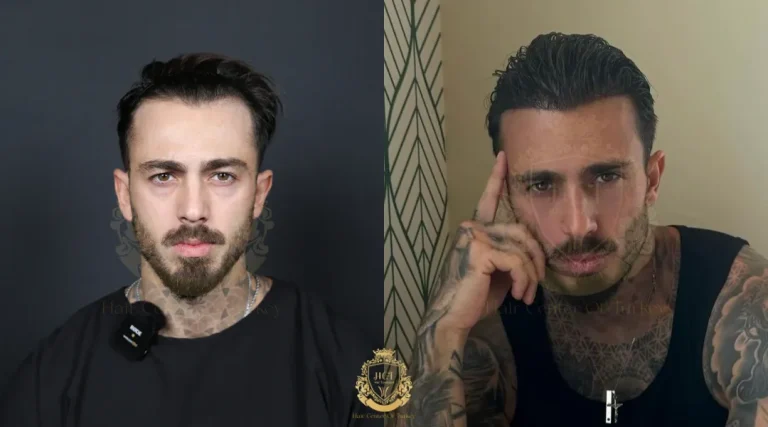
A “before and after” comparison can be misleading because cameras capture hair differently depending on angle and conditions. A clean haircut, a new styling product, or a different part line can make the hairline look sharper. Lighting, sweat, and broadcast color grading can also change how much scalp shows through.

Common non-surgical explanations
- Longer hair on top with shorter sides can create the illusion of density around the temples.
- Hair fibers, matte powders, and volumizing sprays can fill in thin areas for photos and TV.
- Prescription or over‑the‑counter hair‑loss treatments may improve miniaturized hair over time (results vary).
- General health factors (stress, sleep, nutrition) and seasonal shedding can change appearance month to month.
If he did have a transplant, what would the signs be?
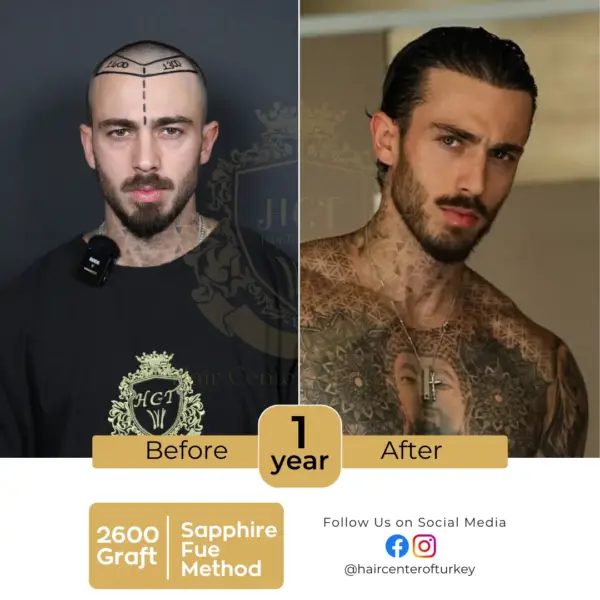
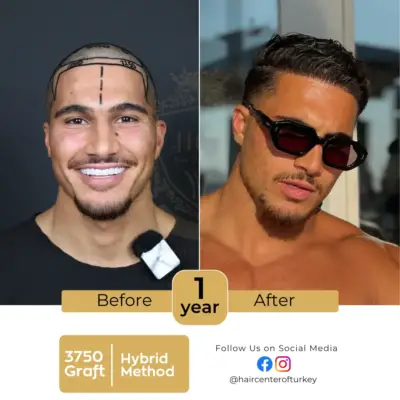
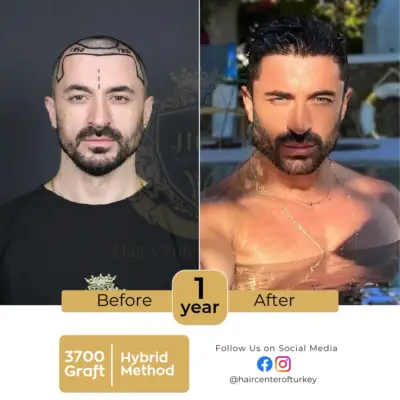
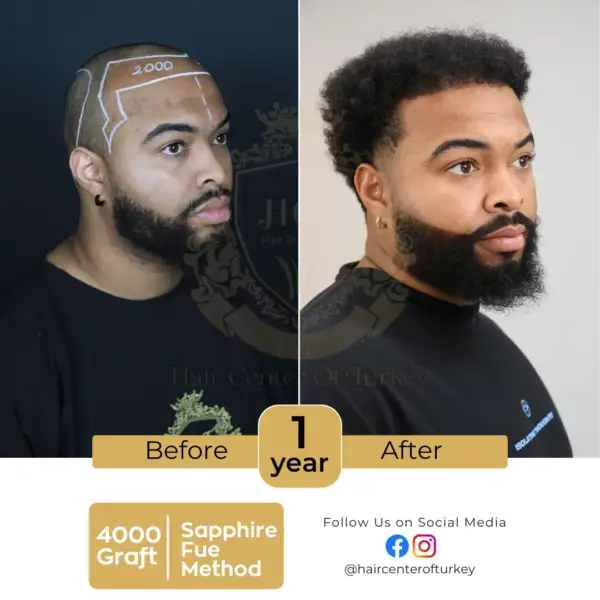
Even when someone has a hair transplant, photos alone rarely prove it. People often look for a more stable hairline, improved temple density, or a smoother transition at the front. The strongest clues usually come from a clear change over time paired with consistent styling and close-up images, but that still isn’t confirmation.
Hair transplants in professional sports
Hair restoration has become more discreet and more common in elite sports because modern techniques can look natural and typically don’t require long downtime. Many athletes prefer procedures that keep scarring minimal and recovery manageable around training schedules. Privacy is also a factor, so it’s normal for speculation to outpace confirmed information.
Thinking about a hair transplant yourself?
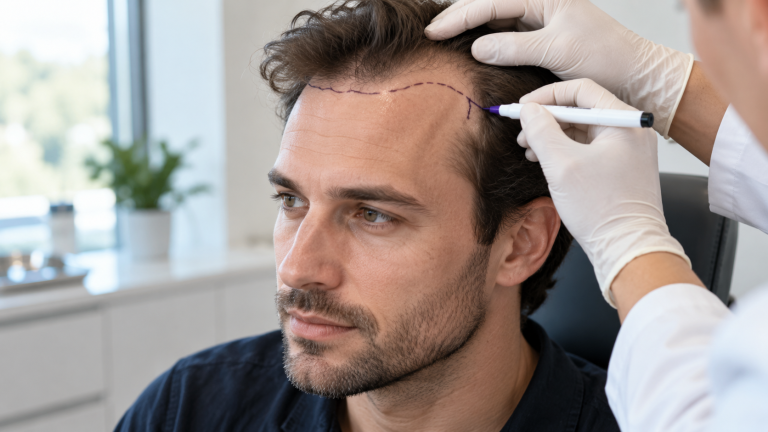
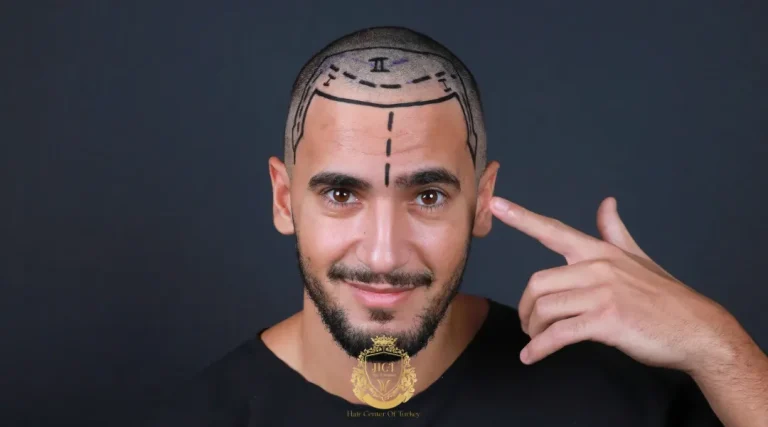
If you’re researching hair transplants because of the Kirk Cousins rumors, focus on what’s medically appropriate for your own hair loss pattern. A qualified hair‑restoration doctor will assess donor area strength, realistic density, and a hairline design that will still look good years from now. Ask to see unedited before‑and‑after cases, and make sure you understand the full timeline for shedding and regrowth.
FUE vs. DHI in plain terms
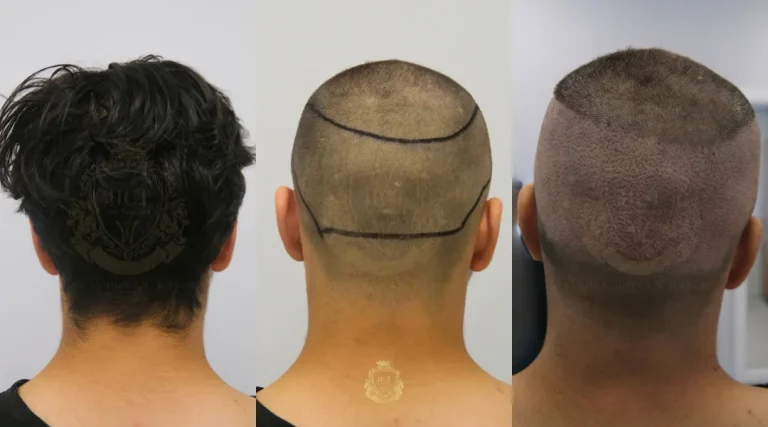
FUE removes individual follicular units from the donor area and places them into tiny recipient sites. DHI is a variation where grafts are implanted with a pen‑style device, which can help with placement control in some cases. Both can create natural results when planned well, so the surgeon’s skill and the clinic’s quality standards matter more than the acronym.
Typical recovery timeline
- Days 1–7: Small scabs form and begin to flake off; most people can return to routine activities quickly (your provider will give exact guidance).
- Weeks 2–8: Transplanted hairs commonly shed before new growth starts.
- Months 3–6: Early regrowth becomes noticeable.
- Months 9–12: Results mature in thickness and texture for many patients.
Frequently Asked Questions
Did Kirk Cousins ever say he had a hair transplant?
No. He hasn’t publicly confirmed a hair transplant.
Do NFL players get hair transplants?
Yes, some athletes choose hair restoration, though many never discuss it publicly.
Can you tell from photos if someone had a transplant?
Photos can suggest possibilities, but they can’t confirm a medical procedure. Lighting, angles, and styling create false positives all the time.
How long does it take to see results after a transplant?
Many people see meaningful growth between months 3 and 6, with fuller, matured results often appearing closer to months 9 to 12. Timelines vary by person, technique, and aftercare.