

Tiger Woods Hair Transplant
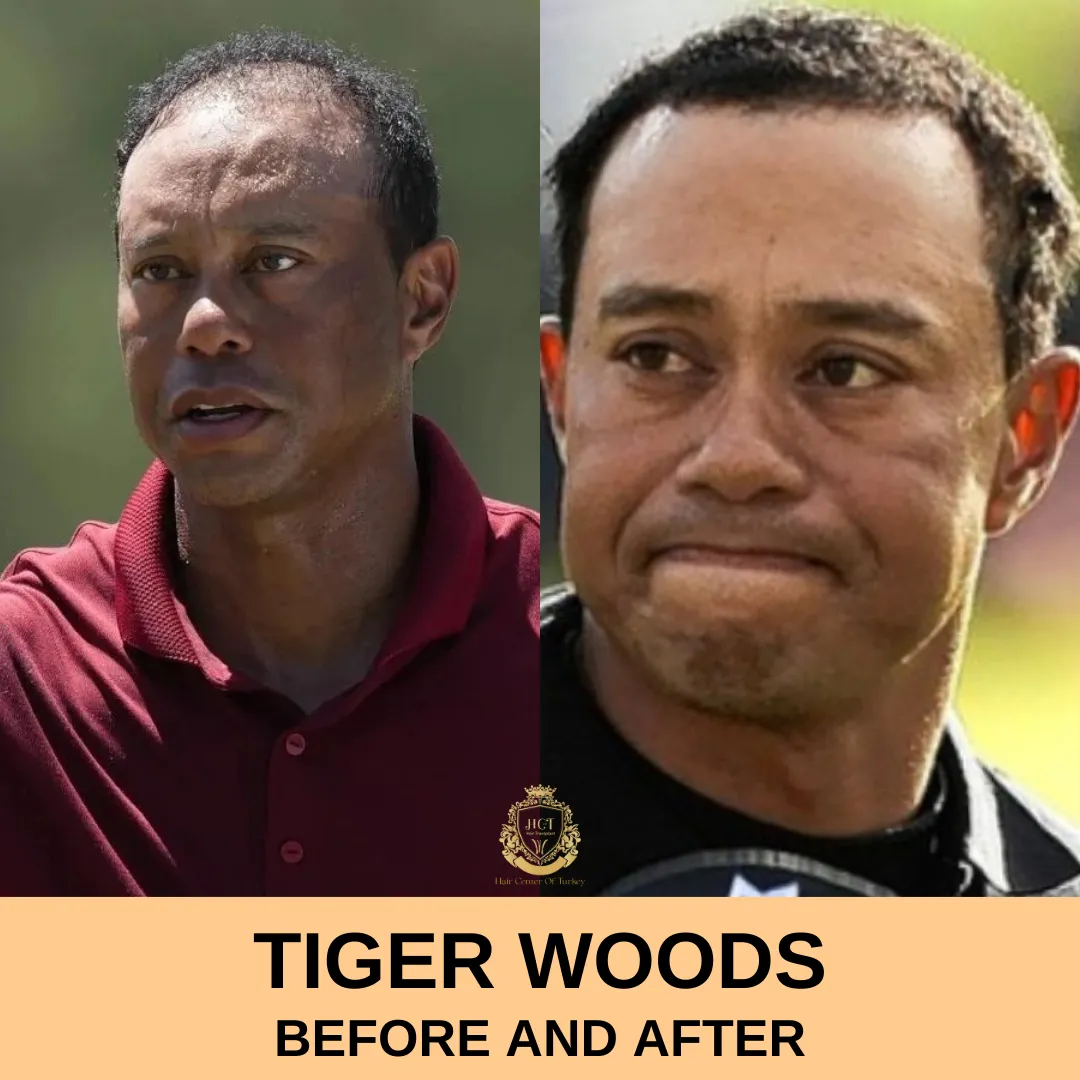
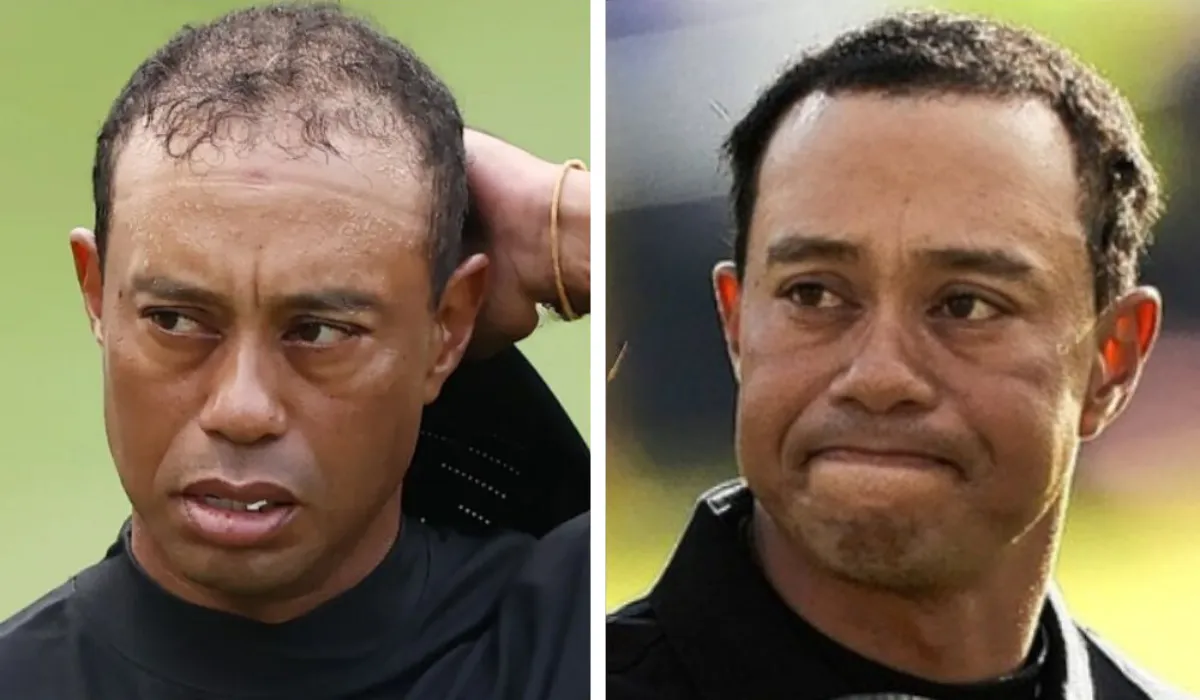
Tiger Woods has never publicly confirmed a hair transplant, but fans have noticed changes in his hairline over the years. A transplant isn’t the only explanation—styling, lighting, and medical treatments can all affect appearance. For someone seeking a similar hairline refinement, FUE-based techniques often use a few thousand grafts, depending on goals.
Tiger Woods is one of the most recognized athletes in modern sport. As with many men, visible hair thinning and a changing hairline have sparked public curiosity about whether he has explored hair restoration. This page breaks down the rumor carefully, explains what a modern hair transplant can (and can’t) do, and outlines what to expect if you’re considering treatment yourself.
Note: This article is informational and does not confirm any medical procedure for Tiger Woods. Only a qualified clinician can assess candidacy and recommend the right approach for your hair loss pattern.
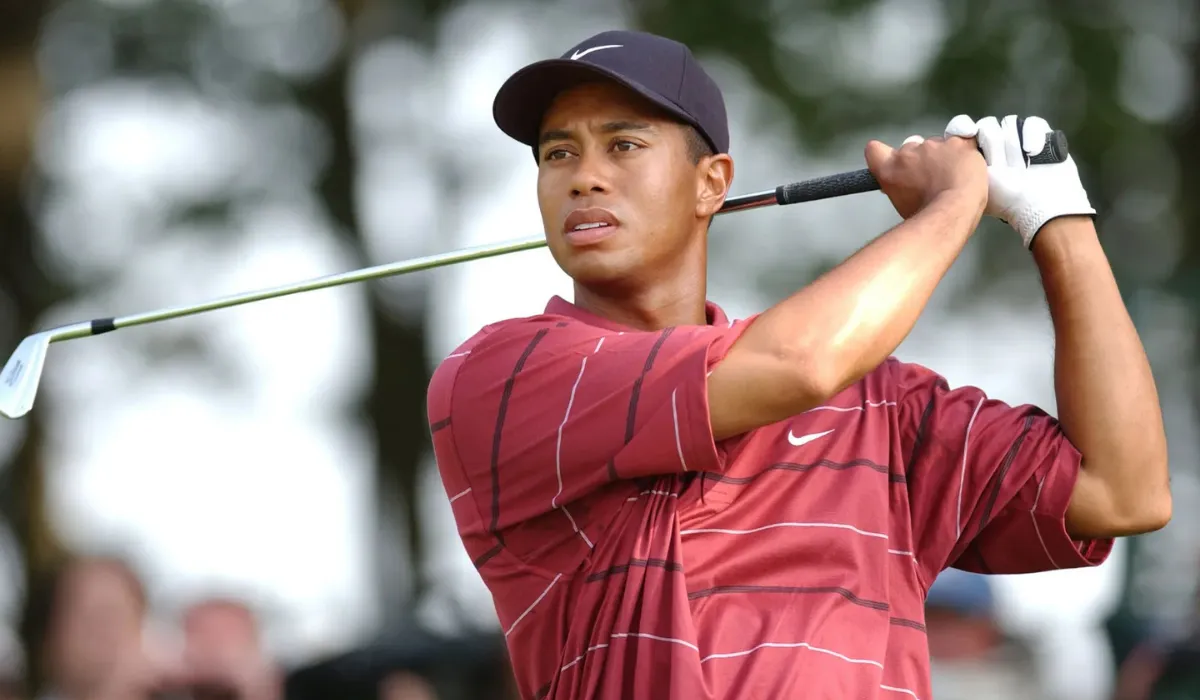
Table of Contents
Tiger Woods Career Highlights
- 1997 Masters victory at age 21, setting a then-record margin of victory.
- The “Tiger Slam” (holding all four major titles at the same time across 2000–2001).
- The 2019 Masters comeback win after major injuries and setbacks.
- 82 PGA Tour wins, tying the all-time record.

Has Tiger Woods Had A Hair Transplant?
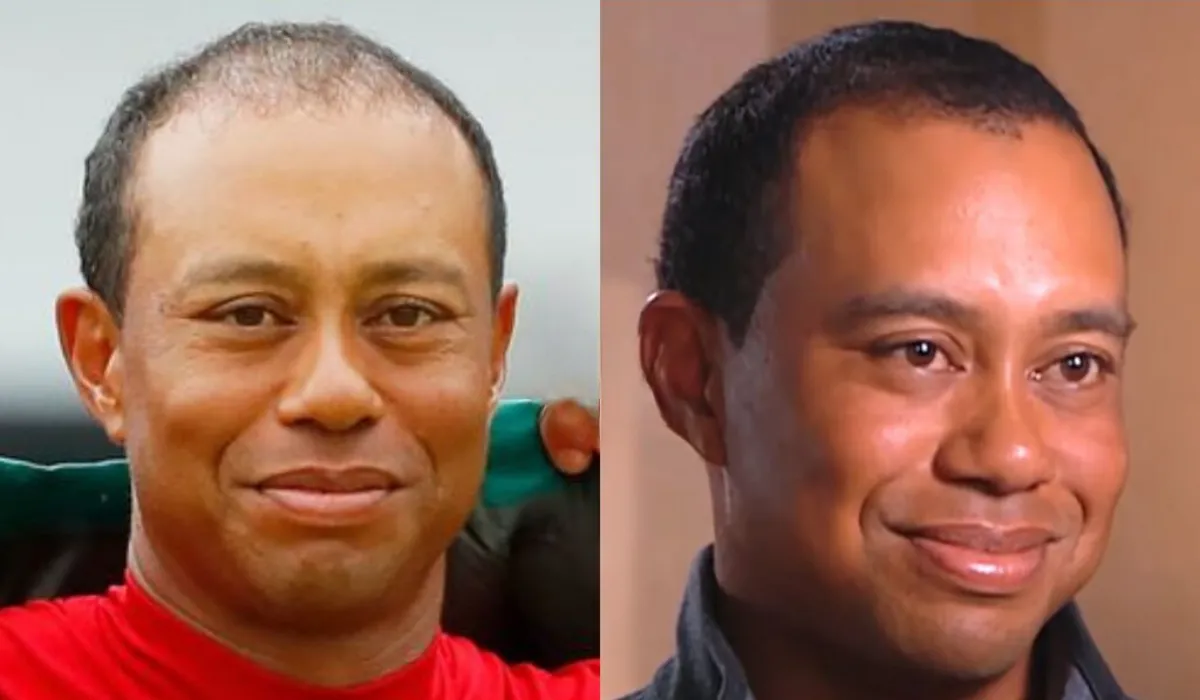
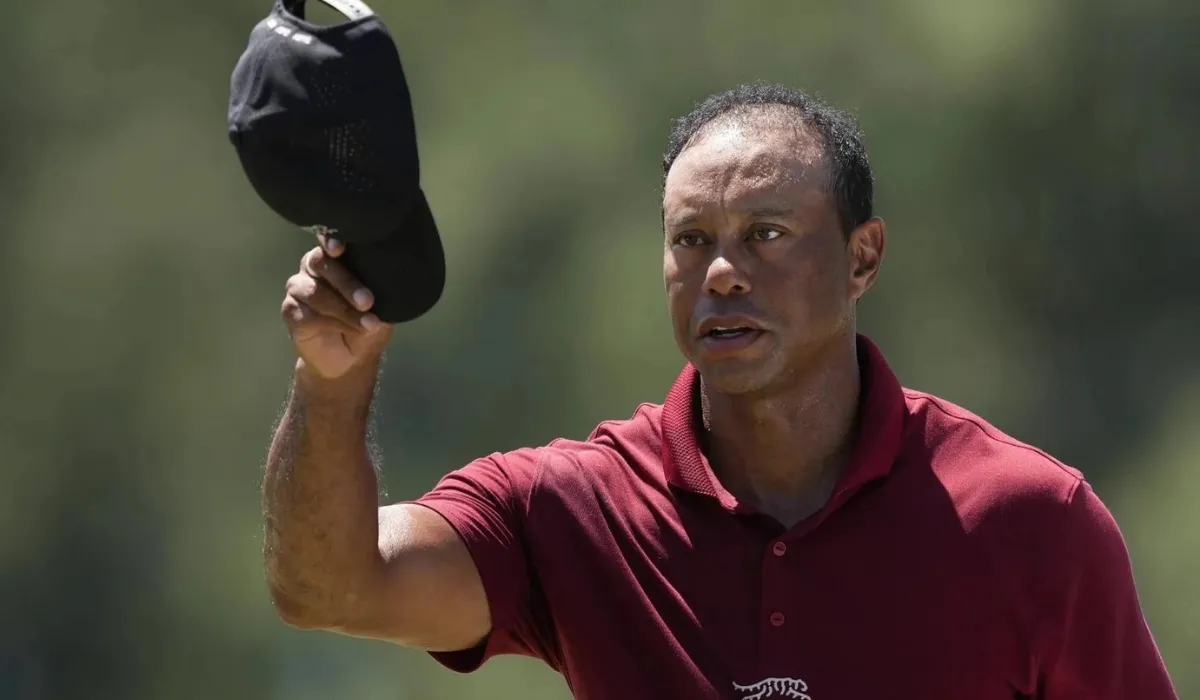
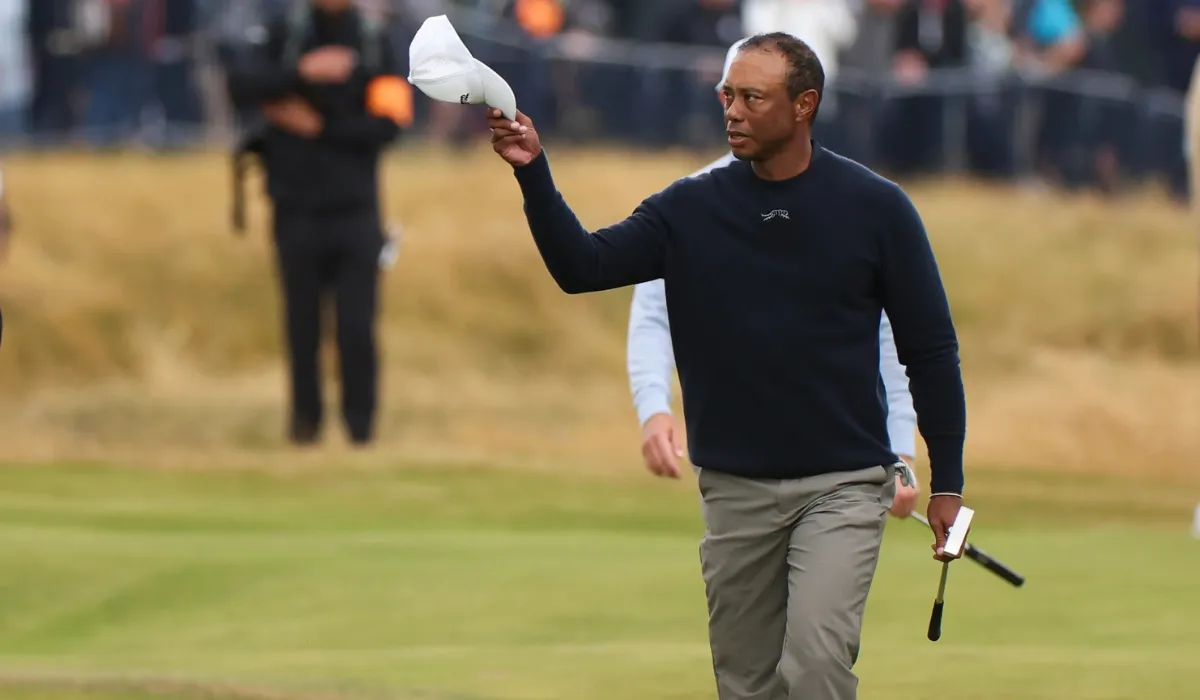
There is no public confirmation from Woods that he has had a hair transplant. Still, photos from different years can look noticeably different, which is why speculation persists. Changes in lighting, haircut, hair length, and even camera angle can make thinning hair look better or worse from one appearance to the next.
Other common explanations for an apparent improvement include:
- Shorter, textured haircuts that reduce contrast at the scalp
- Temporary concealers (keratin fibers or scalp camouflage products)
- Scalp micropigmentation (SMP) for the look of extra density
- Prescription or over-the-counter hair loss medications (when medically appropriate)
- A hair transplant performed conservatively and blended with existing hair
Why Public Figures Consider Hair Restoration
For people who spend a lot of time on camera, a receding hairline can feel more noticeable than it does in everyday life. Hair restoration is usually less about creating a brand-new head of hair and more about restoring balance: a natural hairline, better framing of the face, and improved density in key areas.
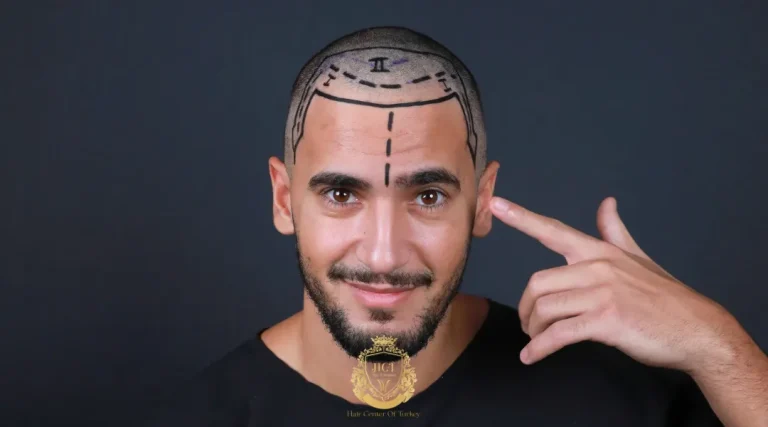
What A Hairline Transplant Usually Involves
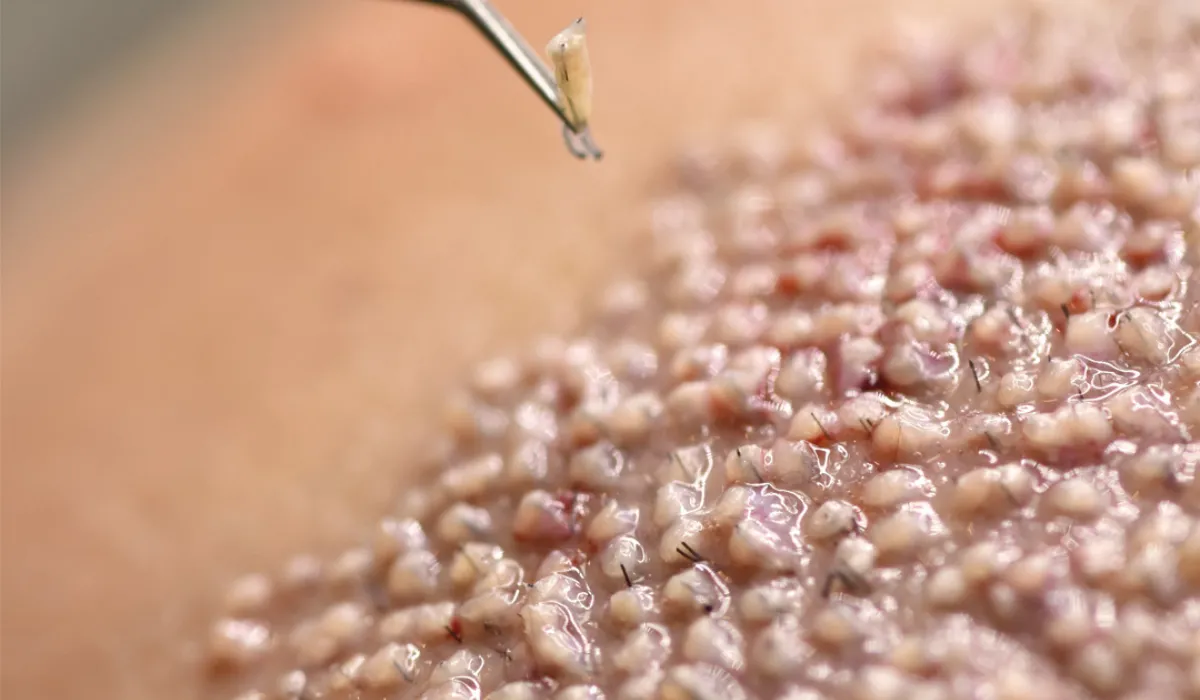
Most modern transplants move hair follicles from a donor area (typically the back and sides of the scalp) into areas affected by thinning. A successful result depends on planning a realistic hairline, protecting the donor supply, and placing grafts at the right angles for natural growth.
Techniques Commonly Used For Natural Results
Clinics typically choose the technique based on your donor strength, hair caliber, the size of the area, and how dense the final look needs to be.
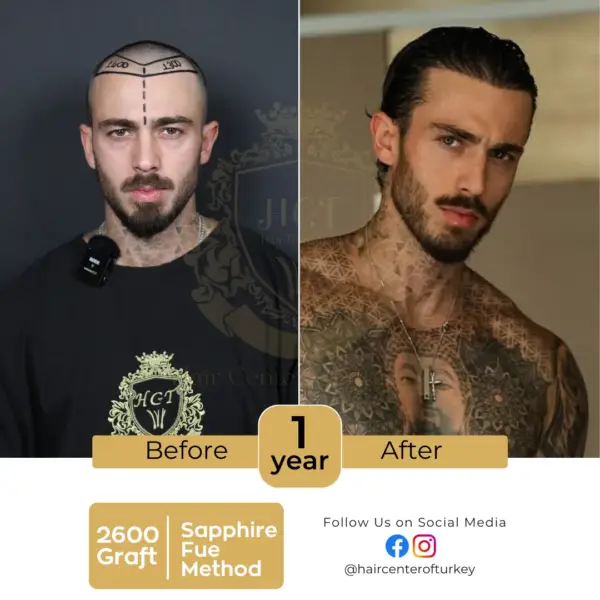
FUE (Follicular Unit Extraction): Individual follicular units are extracted and implanted. It’s widely used because it avoids a linear scar and supports a natural hairline when planned well.
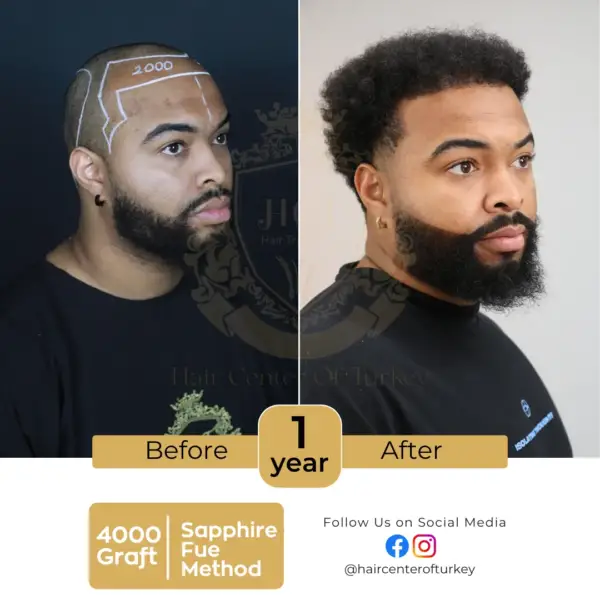
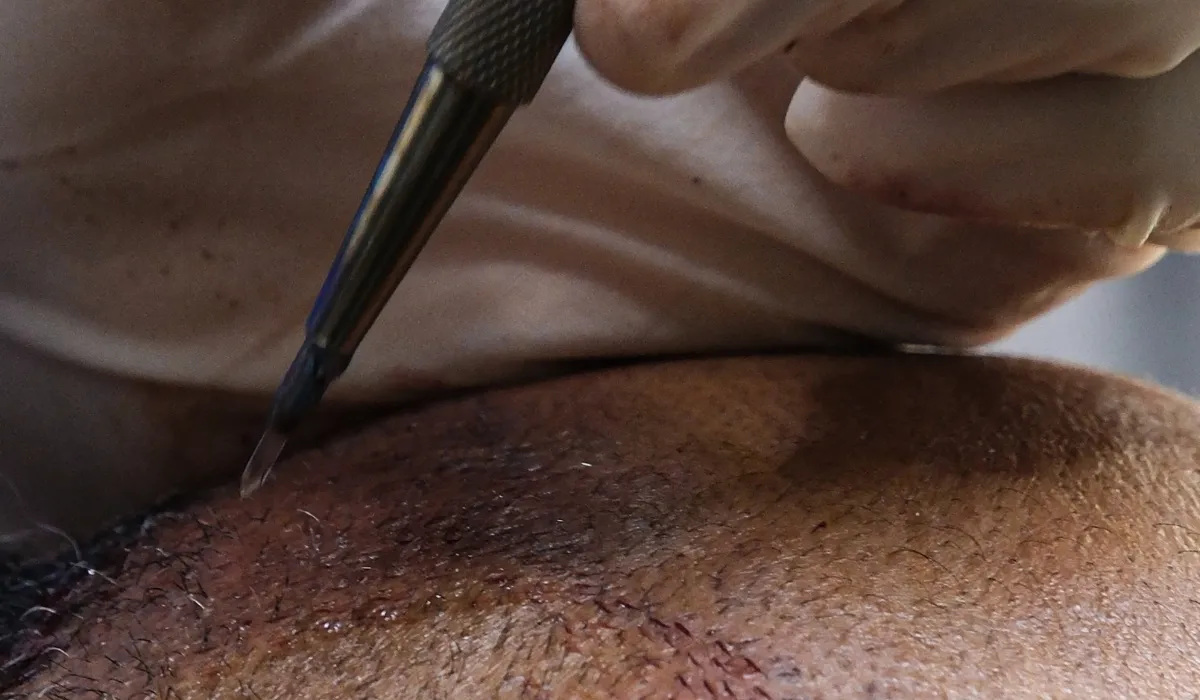
Sapphire FUE: A variation of FUE that uses sapphire blades to open recipient channels. The goal is precise incisions and controlled placement.
DHI (Direct Hair Implantation): A method where grafts can be placed with an implantation pen. It can be helpful for packing density in targeted zones, depending on the plan.
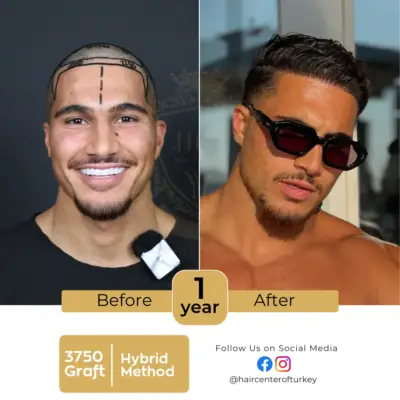
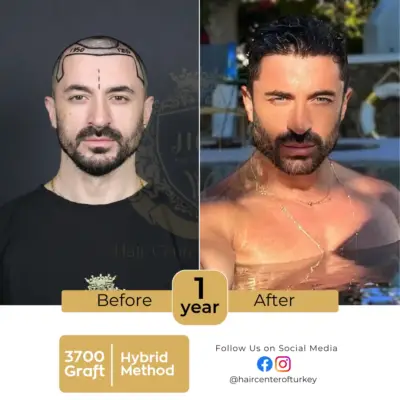
Hybrid Plans: Some cases combine methods to balance speed, density, and graft survival, especially for larger areas.
How Many Grafts Are Typical?
For a mild-to-moderate hairline recession, many patients fall somewhere in the 2,000–3,500 graft range. That number can be lower for a conservative touch-up or higher if the mid-scalp and crown are also being addressed. A proper in-person evaluation is the only way to estimate graft needs accurately.
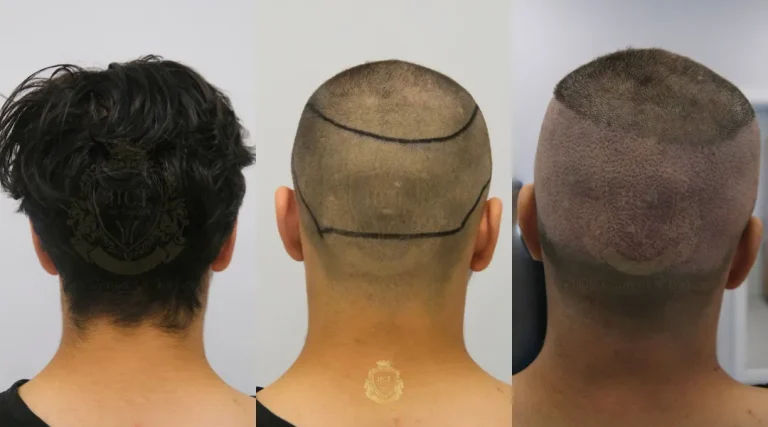
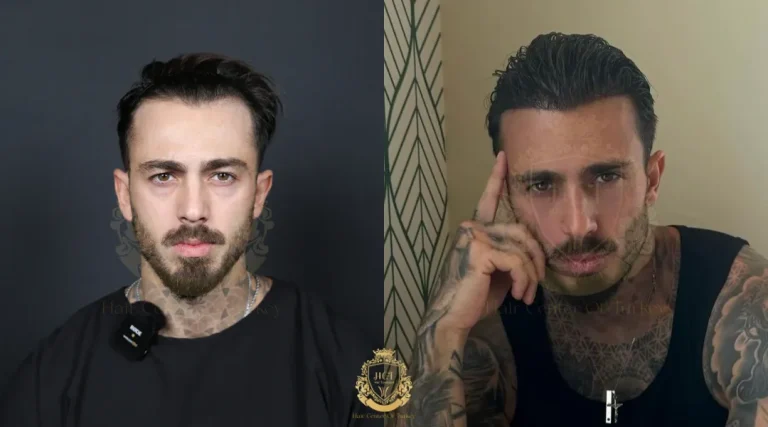
Before And After: What To Look For In Photos
If you’re comparing before-and-after photos of any transplant result, focus on details that indicate good planning rather than “maximum density.”
- A hairline that looks age-appropriate and slightly irregular (not ruler-straight)
- Natural direction and angulation at the hairline and temples
- Balanced density that matches the surrounding hair
- No obvious patchiness once growth is complete
- Realistic expectations about timing—final results can take 12–18 months
Considering A Hair Transplant At Hair Center Of Turkey?
Whether or not Tiger Woods has ever had a transplant, the core takeaway is simple: modern hair restoration can look natural when it’s planned conservatively and performed by an experienced medical team. At Hair Center of Turkey, treatment plans are built around your facial structure, donor capacity, and long-term goals.
If you’d like a personalized assessment, you can request a consultation and share a few clear photos of your hairline and crown. You’ll receive an individualized plan that outlines the recommended technique, an estimated graft range, and aftercare guidance.
FAQ
What is the cost of Tiger Woods’ hair transplant?
Unknown; Tiger Woods has not confirmed the hair transplant and the cost has not been made public.
What happened to Tiger Woods’ hair?
Over the years, male pattern baldness caused thinning at the hairline and crown area.
How many hair transplants has Tiger Woods had?
There is no publicly confirmed number of hair transplants.
Who are the most famous celebrities who have had hair transplants?
Wayne Rooney, Jimmy Carr, Ben Stokes, James Nesbitt, Calum Best, Elton John.
How many grafts did Tiger Woods have transplanted?
Unknown; the confirmed number of grafts has not been shared.
Explore the complete guide: Celebrity Hair Transplants – Sports Personalities