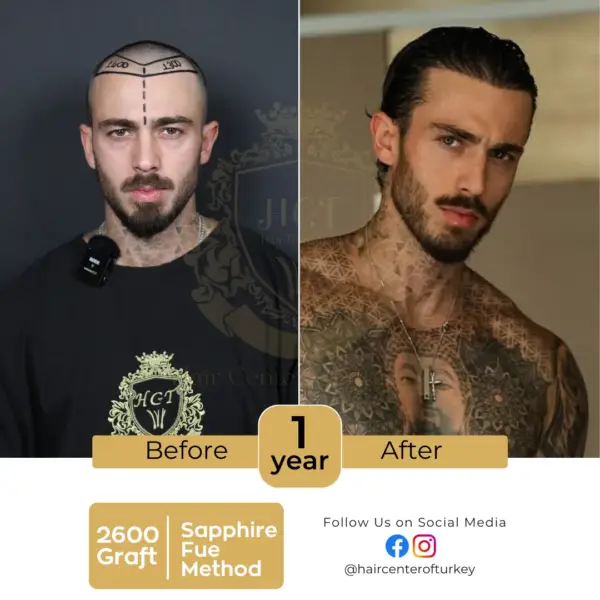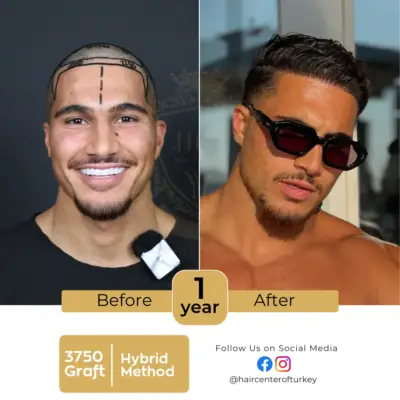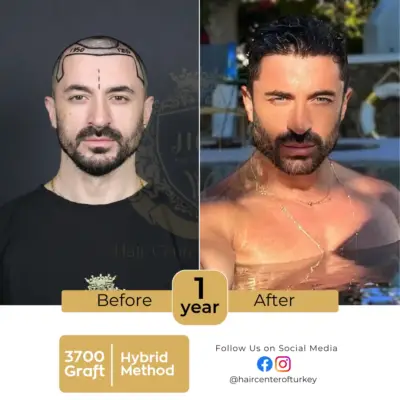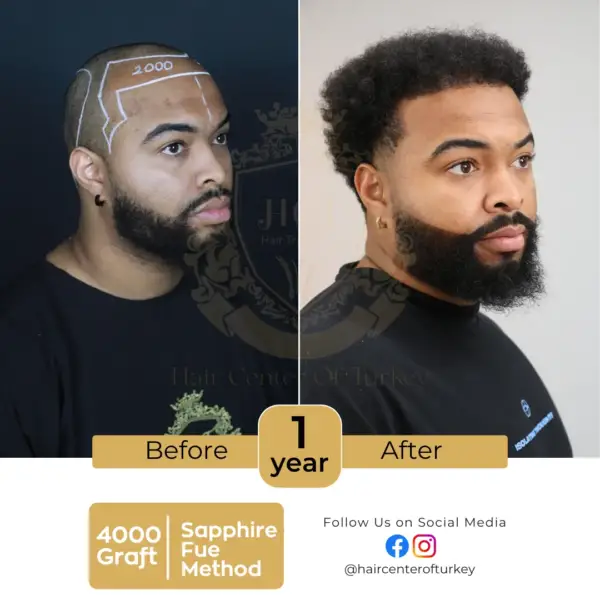


At Hair Center of Turkey, an Istanbul hair transplant clinic established in 2014, our team of three experienced doctors performs more than 3,000 hair transplant procedures each year and regularly consults with international patients comparing treatment options in different countries, including Pakistan. Choosing the right clinic involves much more than comparing prices—it requires evaluating surgeon experience, medical standards, technology, and long-term patient outcomes.
Pakistan has an expanding hair transplant market, with several clinics offering FUE, DHI, and other modern hair restoration procedures. While costs are generally lower than in many Western countries, the quality of care, surgeon expertise, and post-operative support can vary significantly between clinics. In this guide, the specialists at Hair Center of Turkey explain the leading hair transplant clinics in Pakistan, typical procedure costs, available techniques, what to look for when choosing a surgeon, and how Pakistan compares with other popular destinations for hair transplantation.
Table of Contents
Hair Transplant Clinics in Pakistan: Best Surgeons, Costs & Procedures Explained
Hair transplants in Pakistan are typically performed using FUE, DHI, or FUT, with pricing based on graft count, technique, and surgeon experience. A good clinic offers a clear hairline plan, hygienic surgical conditions, transparent quotes, and structured aftercare. Most patients see early growth in 3–4 months and final results around 12 months.
Hair Transplant in Pakistan
Pakistan attracts both local and international patients because experienced teams and modern techniques are available at comparatively accessible prices. Most established clinics are based in major cities such as Karachi, Lahore, and Islamabad, where surgeons commonly offer FUE, DHI, and FUT. If you’re considering treatment, focus on surgeon involvement, safety standards, and realistic density planning rather than marketing promises.
What to Expect During Hair Transplant Surgery in Pakistan
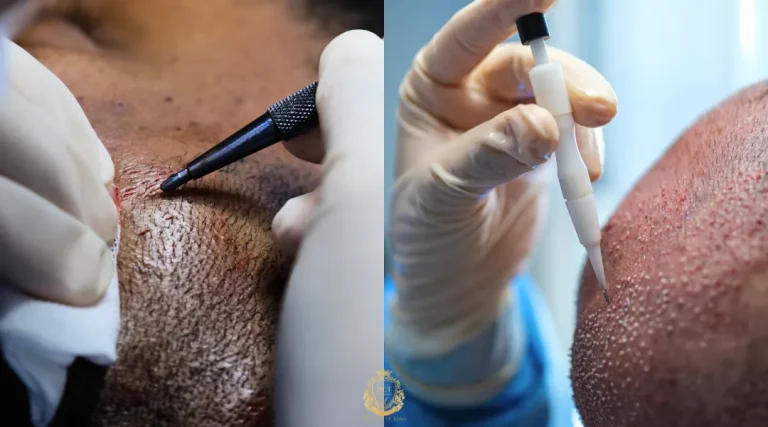
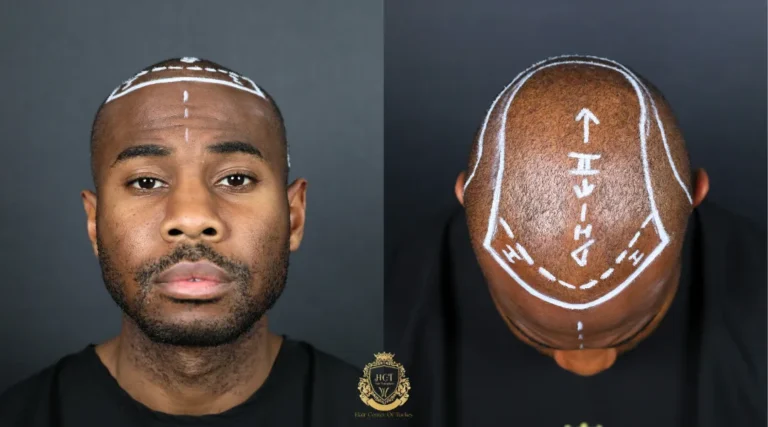
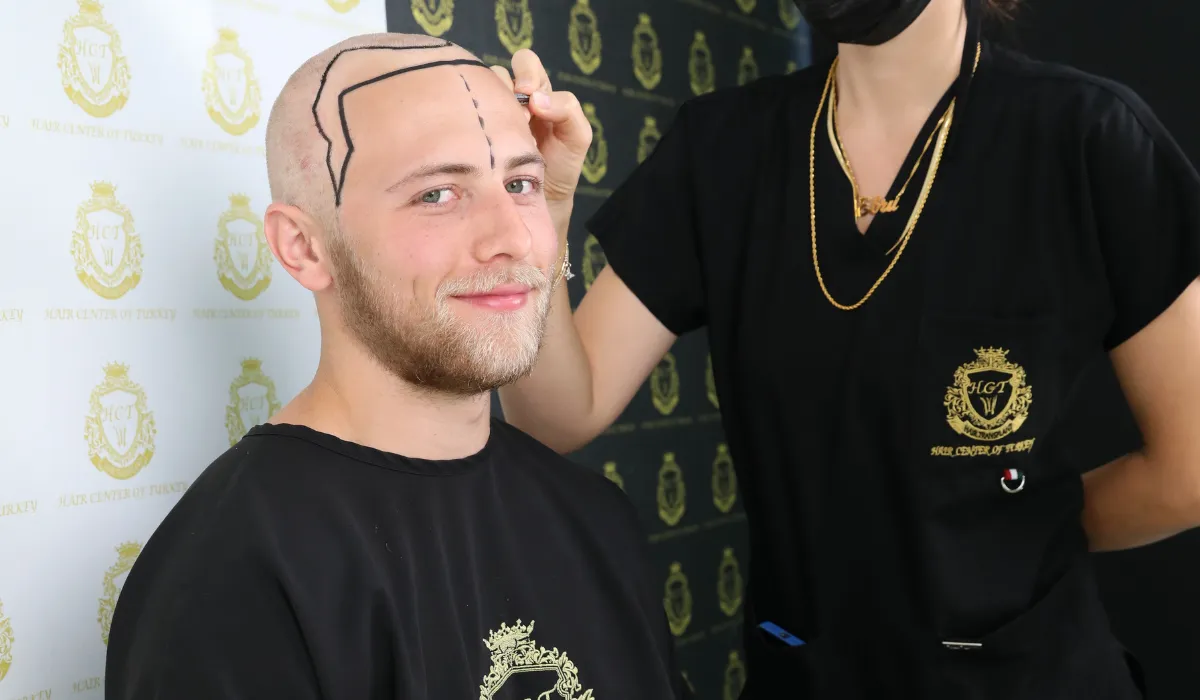
A typical journey starts with an in-person or video consultation, where the surgeon reviews your medical history, examines the donor area, and estimates the graft count needed. On procedure day, the team designs the hairline, numbs the scalp with local anesthesia, then extracts grafts from the donor zone and implants them into thinning areas. Most sessions take several hours, and you’ll leave with aftercare instructions, medications (when appropriate), and a follow-up plan.
Quick Clinic Checklist Before You Book
- The operating environment is clean and medical-grade, with clear infection-control protocols.
- The surgeon is directly involved in hairline design, extraction, and implantation planning.
- Pricing is explained in writing (grafts, technique, medications, follow-ups, and any add-ons).
- Before/after cases are consistent with your hair type, hair loss pattern, and expectations.
- Aftercare is structured (wash guidance, swelling control, sleep position, and a contact point).
Affordable Hair Transplant Clinics in Pakistan

Clinics across Pakistan often position themselves as a value option, but affordability should never come at the expense of safety or outcomes. Be cautious with deals that seem unusually cheap, especially if the clinic is vague about who performs the critical steps or how many grafts you’ll actually receive. A responsible clinic will set expectations clearly, including what density is achievable and how many sessions you might need.
Have questions about candidacy, graft count, or technique? A consultation (with scalp photos and a brief medical history) is the fastest way to get a realistic plan and quote.
Hair Transplant Cost in Pakistan
Pricing in Pakistan is commonly calculated per graft or offered as a package, and the final quote depends on technique (FUE, DHI, or FUT), graft count, surgeon experience, and clinic location. Ask whether the price includes consultation, medications, PRP (if offered), follow-ups, and any revisions. Also confirm how the clinic counts grafts and whether there is a maximum graft cap per day for safety.
Typical Price Ranges
Many clinics quote a per-graft rate, so the total cost scales with the number of grafts needed. As a broad guide, common cases (around 2,000–4,000 grafts) often fall into the mid six-figure PKR range, while very large sessions can cost more. Because PKR value and clinic pricing vary, always request a written quote based on your photos and donor assessment.
Sample International Package Ranges for Comparison
Some Pakistani patients compare overseas packages (especially in Turkey and the Gulf) that may bundle transfers, accommodation, and translator support. The ranges below reflect typical advertised package bands and can vary by season, surgeon involvement, and what’s included.
| Clinic / Center (International) | Advertised Package Range (USD) |
| Hair Center of Turkey | $2,500 – $5,500 |
| Lygos Clinic | $2,500 – $5,500 |
| Apex Clinic | $2,000 – $5,500 |
| Seha Clinic | $2,000 – $5,500 |
| Este Medical Group | $2,000 – $5,500 |
DHI Hair Transplant in Pakistan
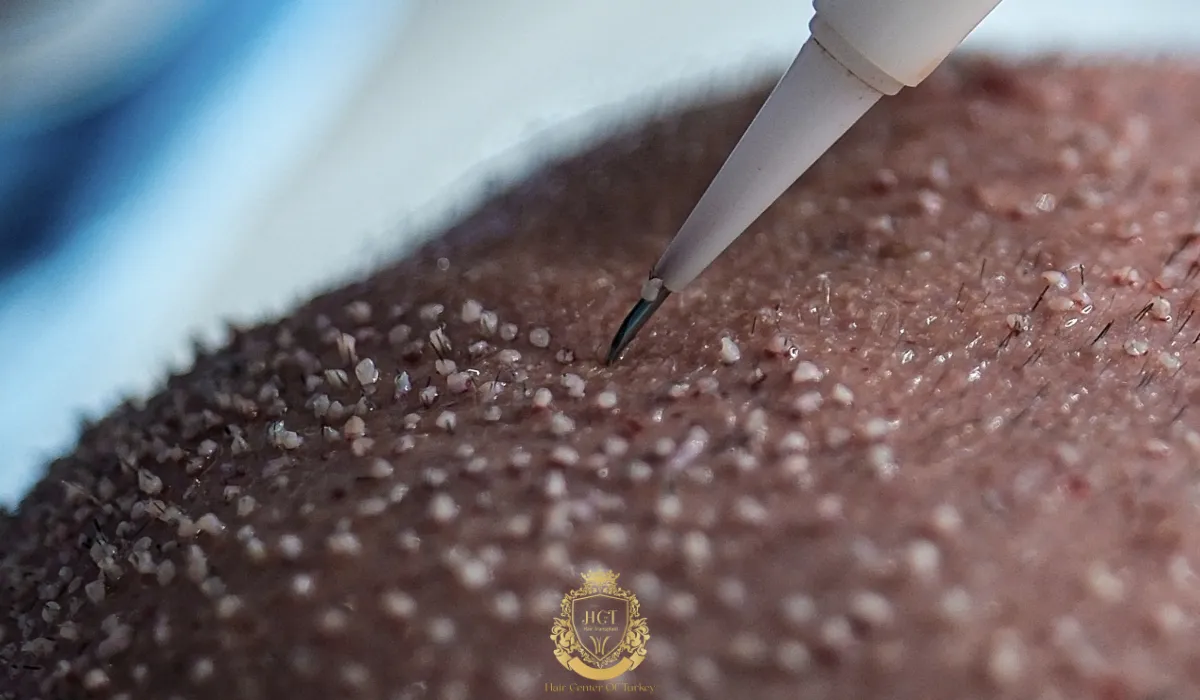
DHI (Direct Hair Implantation) uses an implanter pen to place grafts directly into the recipient area. It can help with precise placement and angle control, which is useful for hairline detailing. Costs may be higher than standard FUE because the technique is labor-intensive and requires trained teams.
FUE Hair Transplant in Pakistan
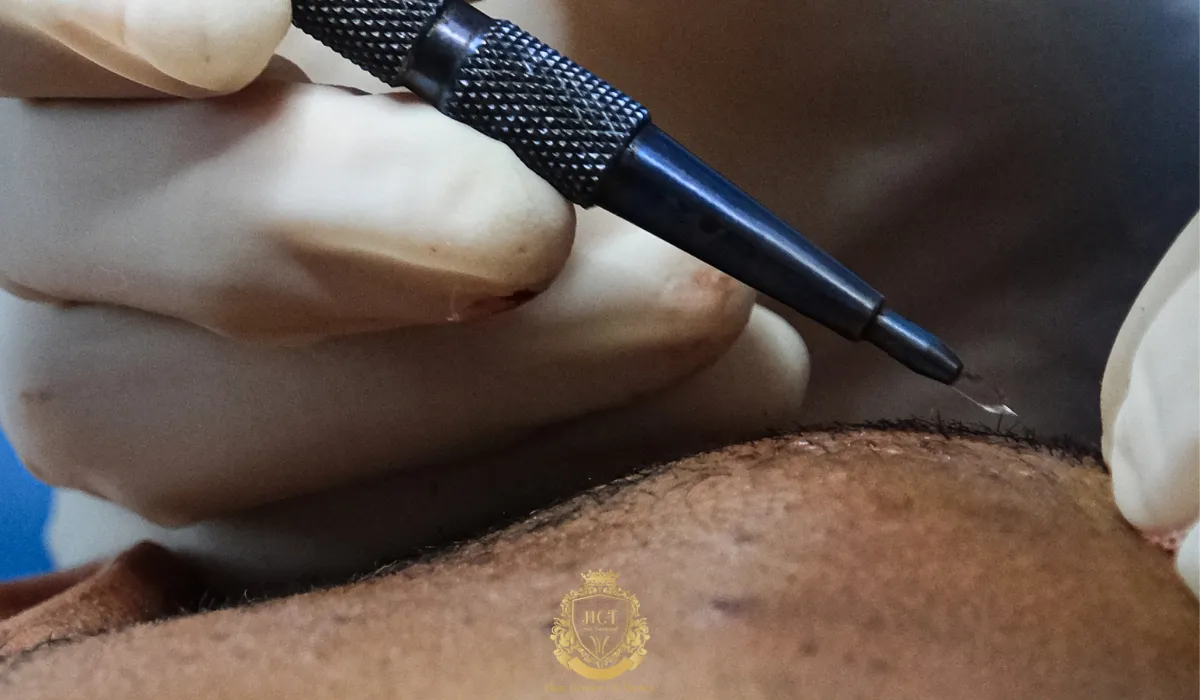
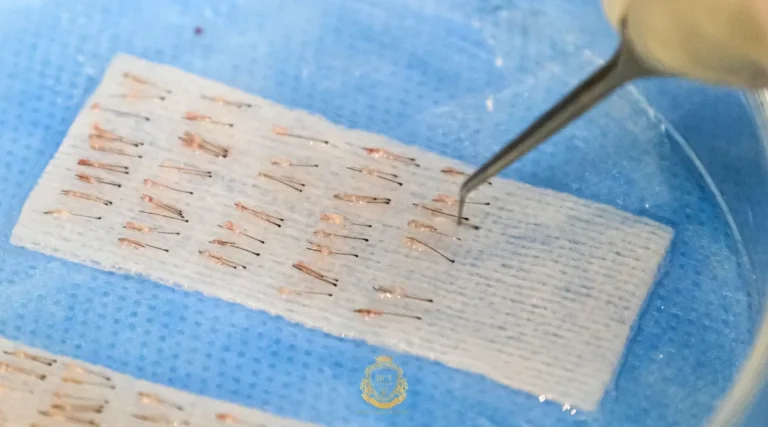
FUE (Follicular Unit Extraction) is one of the most common options because it avoids a linear scar and usually offers a straightforward recovery. Grafts are extracted individually from the donor area and then implanted into thinning zones. Results look best when the surgeon plans density, direction, and a natural hairline rather than focusing on graft count alone.
Choosing Between FUE, DHI, and FUT in Pakistan
Each method fits different goals. FUE is popular for minimal visible scarring, DHI can be useful for precision in targeted areas, and FUT may be considered when a large number of grafts is required and a linear scar is acceptable. A consultation should match technique to your donor capacity, hair caliber, and long-term hair loss pattern.
Best Hair Transplant Clinics and Centers for Patients in Pakistan
Clinics Based in Pakistan
- Cosmoderma Clinic – Offers hair restoration services in Lahore.
- Hair Club Pakistan – A well-known name offering hair transplant services.
- ILHT Pakistan – Provides hair restoration and related treatments.
Popular Overseas Options for Pakistani Patients
- Hair Center of Turkey – International clinic serving medical-travel patients.
- Lygos Clinic – Turkey-based clinic offering FUE and DHI options.
- Apex Clinic – Istanbul-based clinic offering hair transplantation and aesthetics.
- Este Medical Group – Istanbul-based provider with hair transplant services.
- Seha Clinic – Middle East option often compared by regional patients (confirm location and licensing before booking).
Travel Tips for Hair Transplant Patients Visiting Pakistan
If you’re traveling for surgery, plan for recovery time and avoid flying immediately if your surgeon advises against it. Book accommodation close to the clinic for the first few nights, and arrange low-effort transport to reduce stress and swelling. Pack a button-up shirt or loose top to avoid disturbing grafts, and follow wash and sleep-position guidance carefully.
FAQs on Hair Transplants in Pakistan
How much does hair transplant surgery cost in Pakistan?
PKR 50,000–400,000 total, or about PKR 30–100 per graft.
How much does it cost to do 4000 grafts hair transplant in Lahore?
PKR 90,000–320,000 for 4,000 grafts in Lahore, depending on technique.
Which hair transplant is best in Pakistan?
FUE is most commonly preferred for minimal scarring; FUT may suit large graft sessions.
Which hair treatment is best in Pakistan?
Finasteride plus topical minoxidil is best-proven treatment for androgenetic alopecia.
How much do 5000 hair grafts cost in Pakistan?
PKR 150,000–250,000 is commonly quoted for 5,000 grafts in Pakistan.
Explore the complete guide: International Hair Transplant Locations