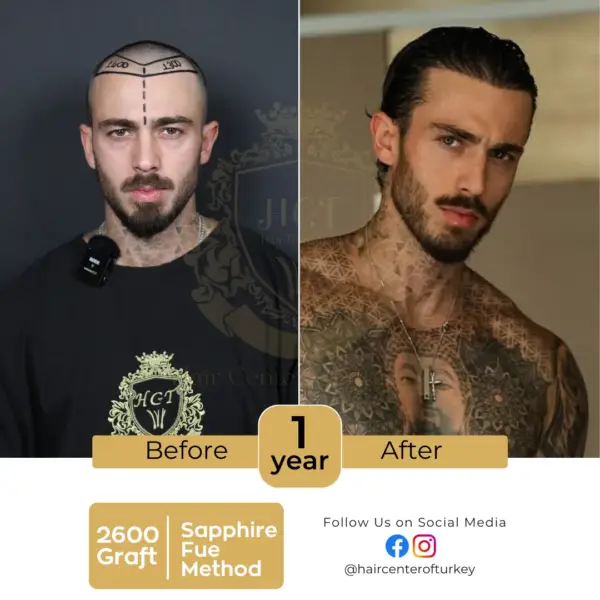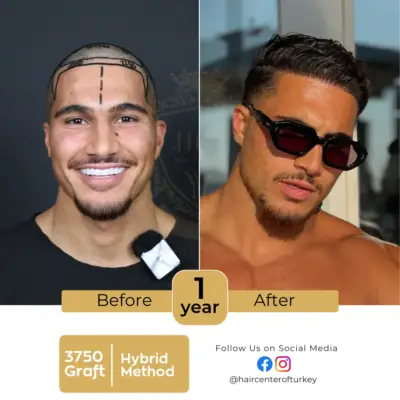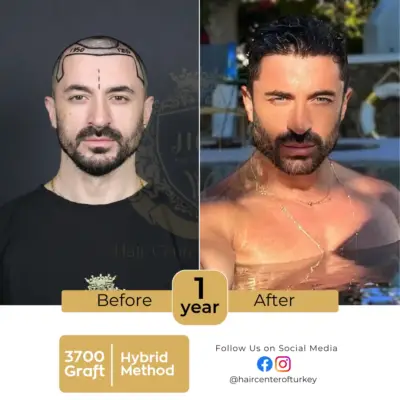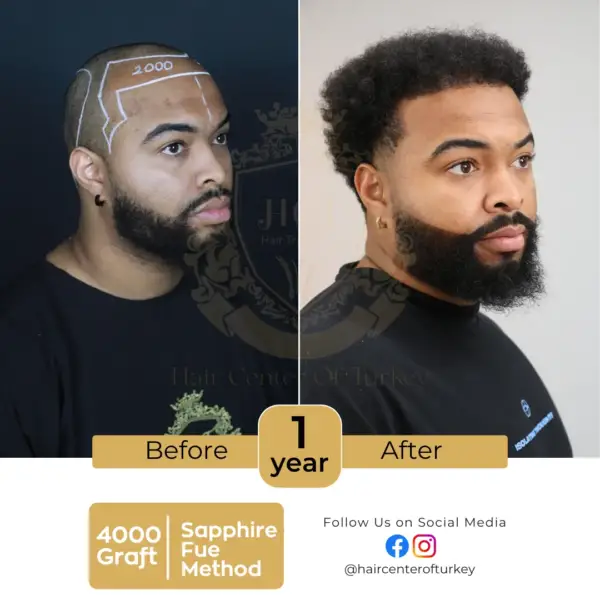


What Is A Hybrid Hair Transplant Turkey?
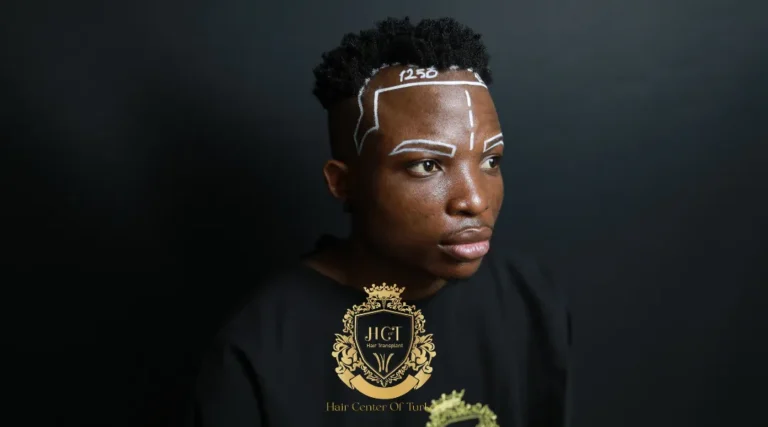
A hybrid hair transplant Turkey combines FUE for graft extraction with DHI-style implantation for precise placement. In practice, surgeons use FUE to harvest follicles efficiently, then implant selected grafts using an implanter pen to control angle, direction, and depth. It’s often chosen when patients want strong density and a natural-looking hairline.
Table of Contents
How A Hybrid Hair Transplant Works?
Hybrid surgery usually follows a two-step flow: follicles are harvested with FUE, then implanted with DHI-style tools. This lets the medical team use each method where it performs best efficient extraction from the donor area and highly controlled placement in visible zones.
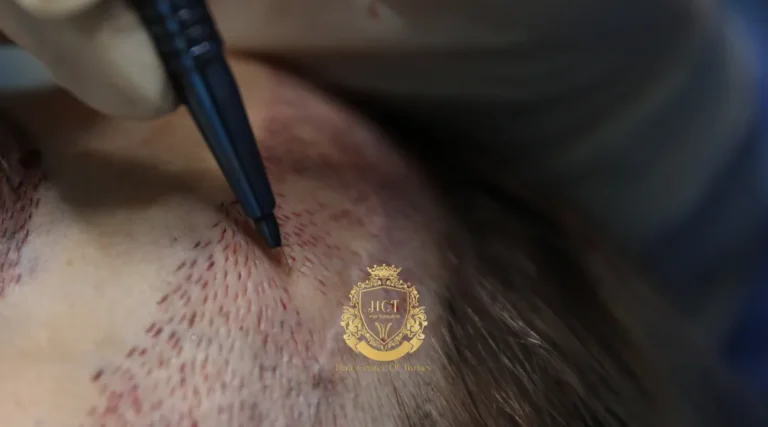
During FUE, the team removes follicular units one by one using small punches. Careful handling keeps grafts hydrated and reduces the risk of damage.
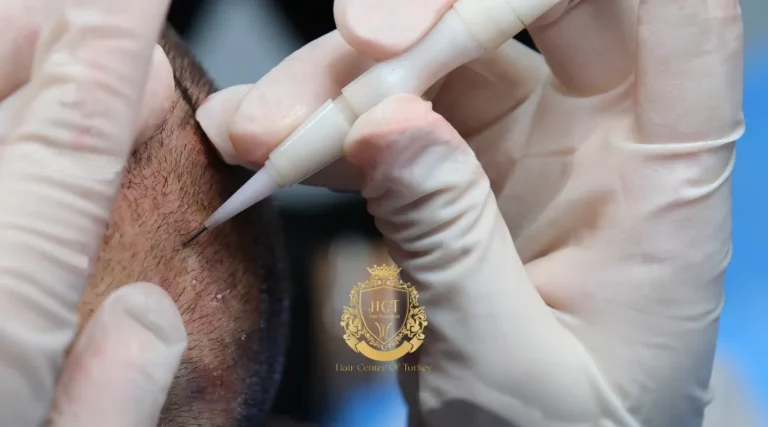
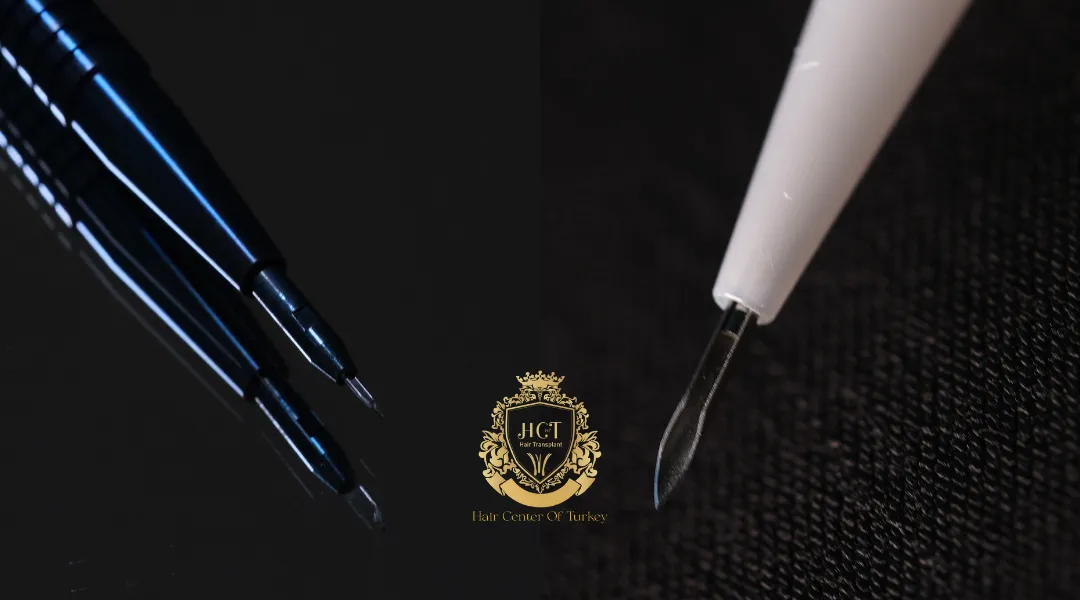
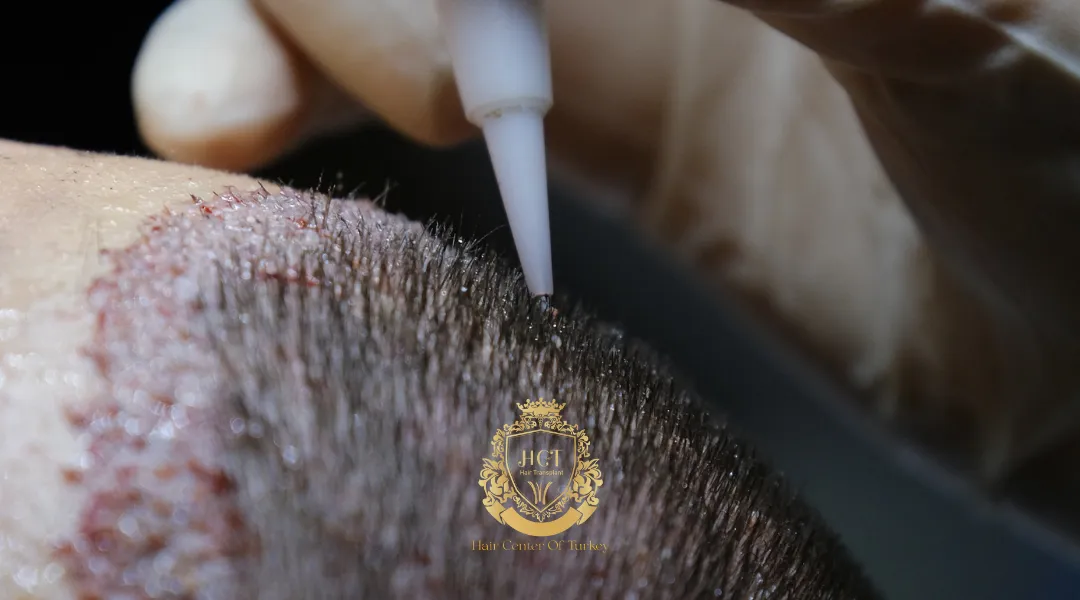
For implantation, DHI commonly uses an implanter (often called a Choi pen). The graft is loaded into the device and placed directly into the scalp, helping control direction, angle, and depth details that matter most along the hairline and temples.
Why Clinics Combine Techniques Instead of Choosing One?
Hair restoration isn’t about placing hair everywhere at maximum density. It’s about building a result that looks believable from every angle, in real life, long after swelling and redness are gone. The hairline is the most unforgiving area because people see it first and because unnatural work shows immediately. DHI-style placement can help a skilled team control angle and direction in a way that supports a softer, more natural hairline.
Meanwhile, the mid-scalp and crown are usually about coverage efficiency. Pre-made channels can allow a well-organized workflow for larger areas and can be effective for placing high graft numbers with consistent spacing. A hybrid plan tries to take advantage of both: precision where it matters most, efficiency where the area is larger.
Why People Choose Turkey for a Hybrid Hair Transplant?
Many international patients choose Turkey because travel logistics are often streamlined. Clinics commonly offer airport transfers, hotel arrangements, and a structured schedule that fits into a short stay. For patients traveling from abroad, that predictability is a big part of the appeal.
But the most important reason should always be medical: the clinic’s planning, experience, and consistency. Turkey has excellent teams and also has clinics that rely too heavily on volume. Hybrid transplants require coordination and precision—especially if the clinic is switching implantation methods across zones. Choosing the right provider matters more than choosing the right buzzword.
Who Is a Good Candidate for Hybrid Hair Transplant?
Hybrid plans tend to suit people who need both detail work and broader coverage. If your main goal is a refined hairline and moderate frontal density, a hybrid approach can make sense: DHI placement for the hairline and frontal zone, and channel-based placement for the area behind it.
It can also be useful if you have a mix of issues (like recession at the temples plus thinning in the mid-scalp) because those zones often need different density strategies. However, if you need extremely large coverage in one session, the clinic may recommend a simpler workflow to protect graft survival and keep the procedure efficient. “Hybrid” should be a tool, not a requirement.
What Are The Advantages Of Hybrid Hair Transplant?
This specific advanced technique offers numerous distinct medical and cosmetic benefits for suitable patients.
- The combined method successfully achieves significantly higher overall hair density globally.
- The specialized implantation tools perfectly protect existing native hair follicles entirely.
- Recovery times are noticeably faster compared to older traditional surgical methods completely.
- The highly precise placement perfectly guarantees a flawlessly natural aesthetic visual appearance.
- Massive areas of severe baldness are safely covered in one single session.
How To Prepare For Hybrid Hair Transplant?
Proper early planning strictly ensures the absolute highest possible success rate for patients entirely. You must stop taking all regular blood thinning medications after consulting a medical expert. Avoid consuming any alcoholic beverages completely for at least one full week beforehand. Smoking severely restricts necessary blood flow and can easily kill newly transplanted hairs. Wash your hair thoroughly and gently on the early morning of the scheduled procedure. Wear highly comfortable clothing featuring a wide neck or buttons down the front securely.

Understanding Hybrid Hair Transplant Donor Area
The healthy donor hair is primarily carefully taken from the dense back scalp region. This specific bodily area contains incredibly strong hair follicles totally resistant to natural shedding. The medical team carefully evaluates the exact total capacity of your specific donor zone. Overharvesting can dangerously severely thin out the back of your head entirely permanently. A perfectly balanced extraction approach safely ensures natural results for both the face and scalp. The tiny microscopic extraction points heal incredibly rapidly within a few very short days.
How To Care For Scalp After Hybrid Hair Transplant?
Taking proper daily care of your sensitive scalp is highly crucial for optimal aesthetic results. You absolutely must avoid entirely washing your head for the first two complete days. Special highly gentle medical shampoos will be promptly provided for the initial washing phases. You definitely cannot aggressively rub or carelessly scratch the highly sensitive recipient area at all. Direct harsh hot sunlight must be completely safely avoided for several long consecutive weeks. Strenuous heavy physical exercise should be strictly completely paused to prevent excessive heavy sweating.
Hybrid Hair Transplant Recovery Time?
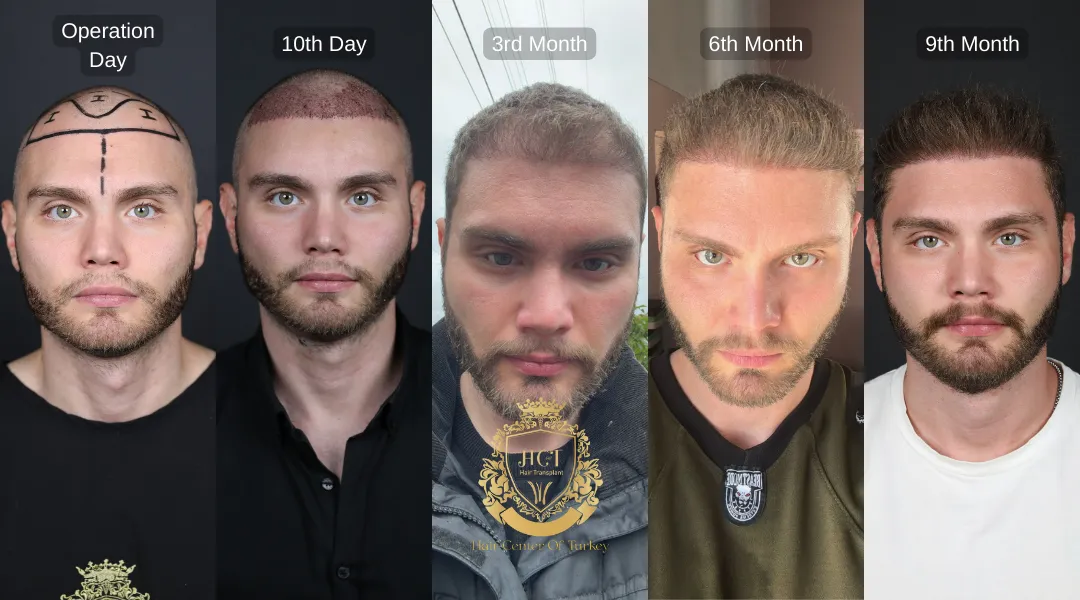
The initial mild temporary scalp redness usually completely safely fades within one short week. Tiny delicate microscopic scabs will naturally quickly form and safely easily fall off soon. Most patients feel completely physically comfortable returning to work within ten to twelve days. The newly carefully transplanted hairs will actually naturally safely shed after roughly one month. This early completely natural shedding phase is entirely normal and highly medically expected. The scalp skin heals entirely perfectly without leaving any noticeably visible permanent marks.
When Will Hair Grow After Hybrid Hair Transplant?
New permanent healthy hair will begin to visually grow three to four months later. The newly delicately implanted hairs must first complete their completely natural resting biological phase. The entirely overall natural density will continually beautifully improve over several subsequent following months. By the highly eagerly anticipated sixth month you will noticeably see a significant difference. Extreme daily necessary patience is absolutely completely strictly vital during this natural growth cycle. The entirely absolutely final stunning aesthetic appearance becomes fully beautifully mature after twelve months.
Are Hybrid Hair Transplant Results Permanent?
The aesthetic final results of this advanced combined procedure are completely absolutely permanent. The perfectly safely transplanted healthy follicles are completely taken from genetically resistant scalp zones. These extremely strong healthy roots securely completely retain their natural resistance to future loss. They will confidently securely continue to safely beautifully grow deeply naturally forever. You never really have to anxiously worry about randomly losing these specific hairs later. Regular personal daily grooming easily keeps your facial features looking perfectly highly sharp beautifully.
Potential Risks Of Hybrid Hair Transplant
Every single surgical procedure naturally carries some very minor potential medical risks generally. Proper highly advanced medical protocols strictly minimize any potential chance of a dangerous infection. Severe postoperative physical swelling is extremely rare when highly proper aftercare instructions are followed. Selecting a highly reputable facility with experienced professionals is absolutely the most critical step. Disclosing your complete personal medical history beforehand safely ensures a highly smooth surgical experience. Total patient safety always strictly remains the absolute highest daily priority during any treatment.
Hybrid Hair Transplant Turkey Cost 2026
Hybrid hair transplant Turkey cost in 2026 ranges between €2,500 and €6,000 depending on graft number and technique.
A hybrid hair transplant combines FUE and DHI methods in one procedure. Surgeons use FUE to extract grafts efficiently from the donor area. They then apply DHI for precise implantation in critical zones. This combination improves density and natural hairline design.
Frequently Asked Questions
What is a hybrid hair transplant?
A hybrid hair transplant combines two methods, usually FUE and DHI, in one session.
What is hybrid hair treatment?
What is the most successful type of hair transplant?
FUE and DHI are similarly successful when performed well; surgeon skill matters most.
How long do hybrid implants last?
Hybrid hair systems usually need reattachment every 4–8 weeks and last 6–12 months.
What is a hybrid procedure?
A hybrid procedure uses two or more techniques together in one planned treatment.
Explore the complete guide: Hair Transplant Techniques