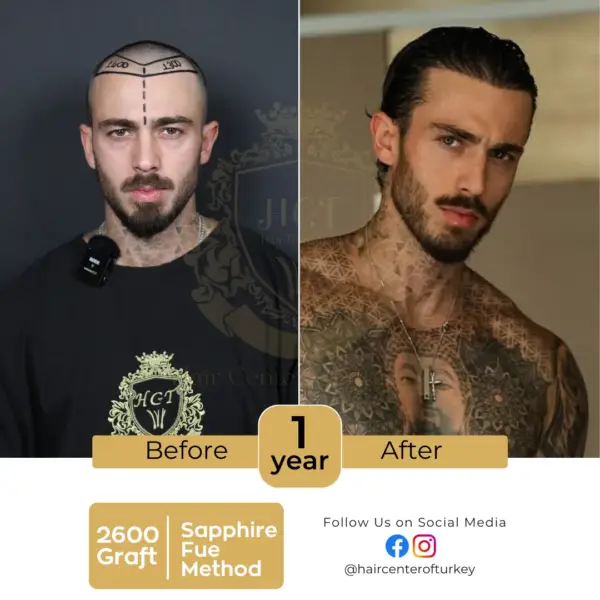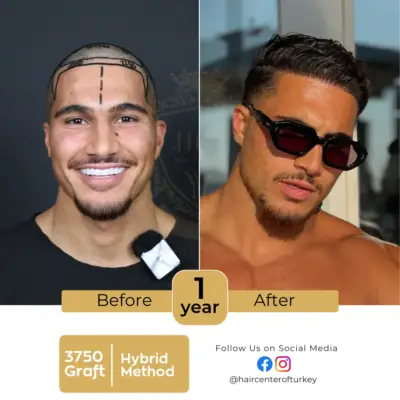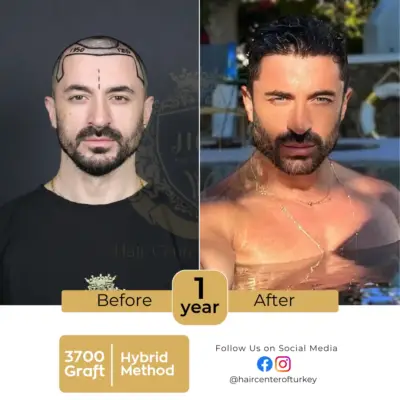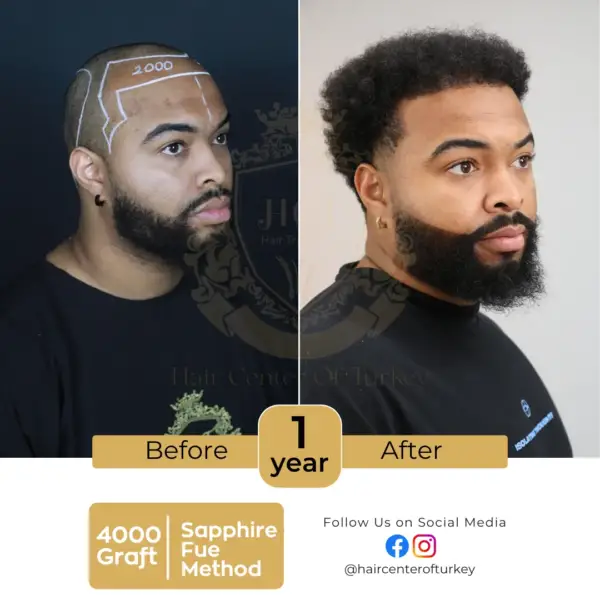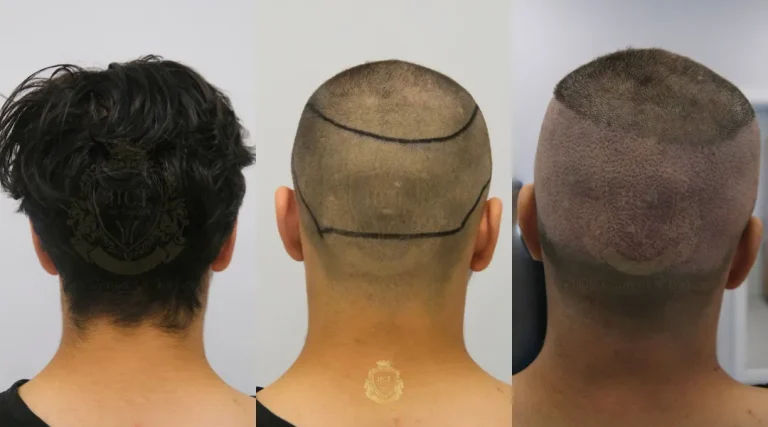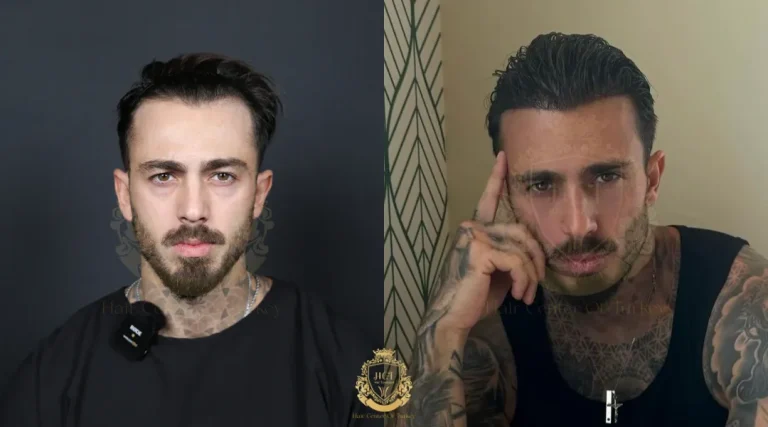


A beard transplant Turkey is a cosmetic procedure that restores or enhances facial hair using hair follicle transplantation techniques. During a beard transplant, surgeons usually apply the FUE method to extract individual hair follicles. They take follicles from the back of the scalp, where hair is genetically resistant to shedding.
Doctors then implant these follicles into sparse or patchy beard areas. This process creates natural-looking and permanent facial hair growth. The procedure suits men with thin beards, scars, or uneven growth. Recovery is generally quick, with mild redness or swelling. Visible results typically appear within three to six months.
Table of Contents
Why Men Choose Beard Transplant Turkey?
Men choose a beard transplant in Turkey for a few predictable reasons. Many have always had thin or uneven beard growth due to genetics, especially in the cheeks or along the connections between mustache and beard. Others want to rebuild density after scarring, acne marks, or past injuries. Some are simply looking for better shape and definition, more structure along the jawline, stronger sideburn transitions, or a fuller chin.
Turkey also appeals because clinics often package the trip into a clear schedule. That can remove a lot of friction for patients traveling from abroad. Instead of coordinating a dozen separate steps, you often get an organized timeline: consultation, procedure day, first wash guidance, follow-up, and transportation between hotel and clinic.
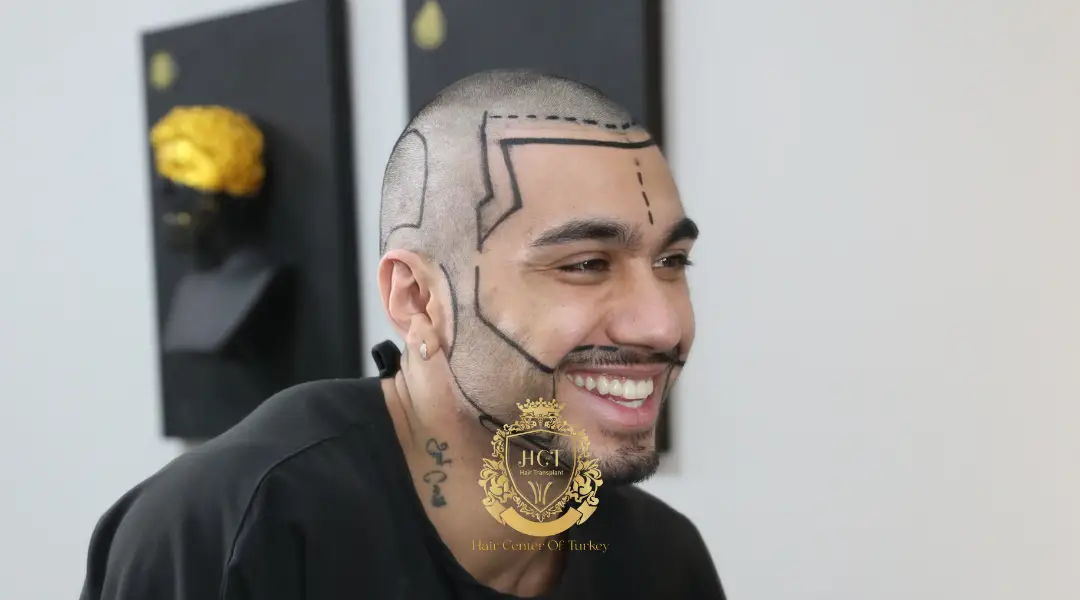
How a Beard Transplant Works?
Most beard transplants are performed using FUE (Follicular Unit Extraction). In simple terms, the clinic takes hair follicles from a donor area (usually the back of the scalp) and implants them into the beard area. Each graft is placed to match the direction and angle of natural beard growth. This part matters more than people expect. Beard hairs sit relatively flat against the skin, and the growth direction changes subtly from the inner cheek to the jaw to the chin. If a clinic places hairs too upright or in a uniform direction, the beard may look unnatural and become harder to style.
Because donor hair typically comes from the scalp, transplanted beard hairs can behave like scalp hair: they may grow longer and require trimming. For many men, that’s not a problem—it becomes part of routine grooming. But it’s something you should know before you commit, especially if your goal is a low-maintenance lifestyle.
Beard Transplant Turkey Steps
Beard transplant Turkey steps follow a structured medical process that combines expert planning, advanced FUE techniques, and all-inclusive patient care. Turkey has become a leading destination for beard transplant procedures due to experienced surgeons and affordable packages.
Step-by-Step Beard Transplant in Turkey:
- Online Consultation: Before traveling, the clinic evaluates your facial photos and designs a customized beard transplant plan based on density and shape goals.
- Arrival & VIP Transfer: Most beard transplant Turkey packages include airport pickup and hotel accommodation for a smooth medical tourism experience.
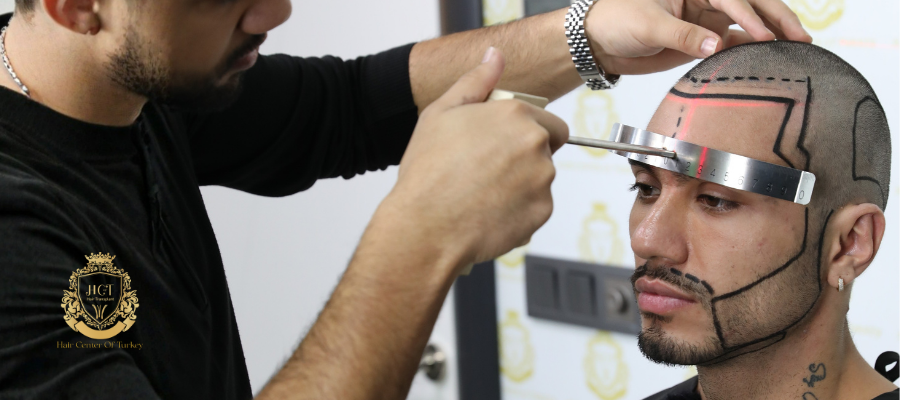
- Medical Examination & Beard Design: At the clinic, the surgeon performs a facial analysis and draws the new beard line according to your facial structure.
- Local Anesthesia: The donor area (usually the back of the scalp) and beard area are numbed to ensure a painless procedure.
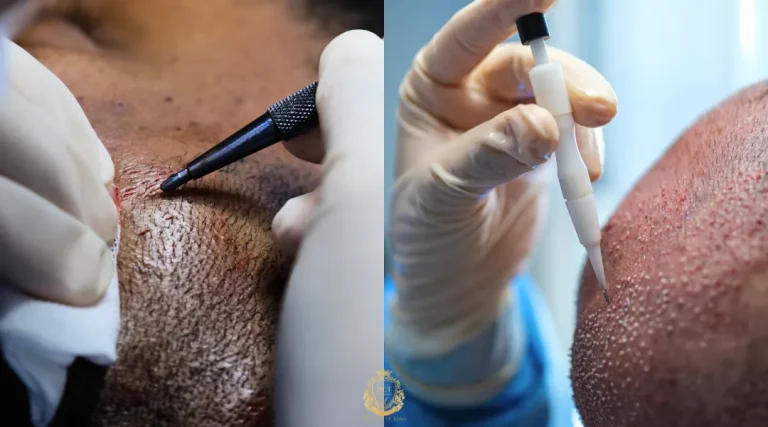
- Graft Extraction (FUE Method): Healthy hair follicles are individually extracted using the FUE technique to avoid visible scarring.
- Channel Opening & Implantation: Tiny incisions are created in the beard area, and grafts are implanted at the correct angle to match natural facial hair growth.
- Aftercare & First Wash: The clinic provides detailed aftercare instructions and performs the first wash before your departure.
The Design Step
The design step is where a beard transplant succeeds or fails. A good clinic doesn’t copy a template from a photo. It looks at your face shape, jawline, cheek structure, and how your existing beard grows. Then it designs density and borders that make sense for you.
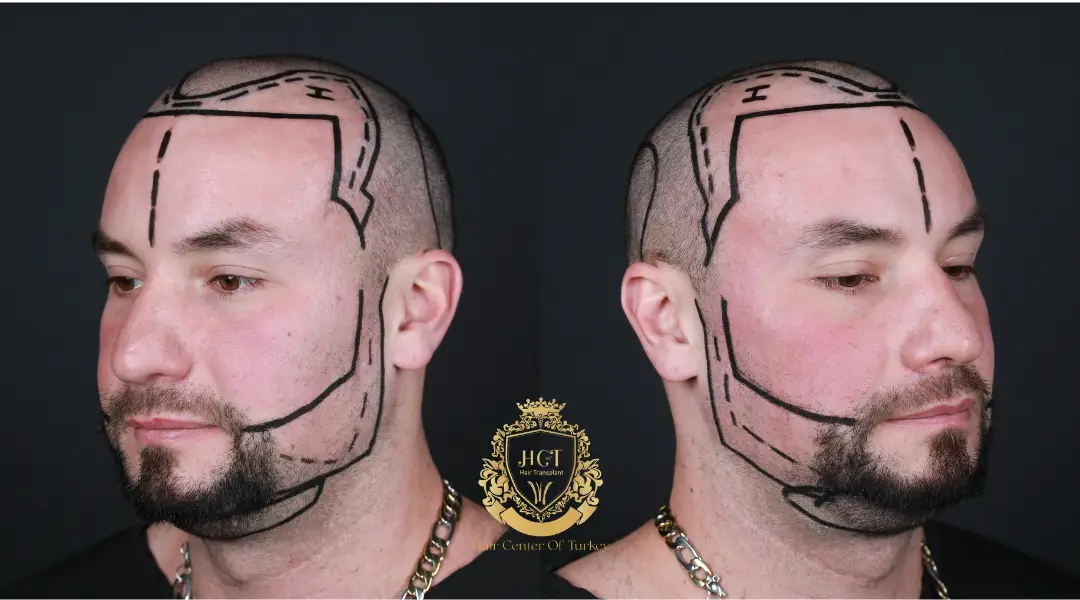
Some men want sharp “barber-style” lines along the cheeks. Others want softer edges that look naturally full without looking drawn on. Neither preference is wrong, but it needs to be planned. A natural beard often uses a slightly feathered transition at the borders and a smarter distribution of density, more where the beard naturally appears stronger, less where the face needs softness. This is especially true if you’re restoring cheeks, because the cheek area can look “pluggy” if grafts are placed too densely or without the right angle.
What Are The Different Surgical Techniques?
Medical professionals utilize several modern methods for facial hair restoration. Each technique offers specific advantages based on patient needs. You should discuss these options thoroughly during your medical consultation.
- Follicular Unit Extraction involves extracting individual grafts without linear scarring.
- Direct Hair Implantation uses a special pen for direct placement.
- Sapphire Follicular Unit Extraction uses blades made from precious gemstones.
These methods ensure maximum graft survival and completely natural results. Surgeons will recommend the best approach for your specific situation. Advanced techniques minimize trauma to the delicate facial skin tissue.
Who Is A Good Candidate For This Surgery?
Any man experiencing uneven facial hair growth might be a candidate. Genetics often play a huge role in thin facial hair. Hormonal imbalances can also prevent the development of a thick beard. Scars from previous injuries might leave bare patches on the face. Candidates must have sufficient healthy hair in the donor area. A healthy immune system is necessary for proper healing. Realistic expectations about the final appearance are also very important. Consulting with a specialist determines your exact suitability for surgery.
Why Beard Growth Is Patchy for Many Men?
Patchy beard growth is extremely common and often genetic. Many men have thinner coverage in the cheeks or gaps between the mustache and beard, no matter what they try. Oils, supplements, and “growth kits” can improve conditioning and reduce breakage, but they can’t create new follicles where follicles are naturally inactive.
Other causes of beard gaps include scarring from acne or injuries, traction from habitual pulling, previous procedures, or medical and hormonal factors that affect hair growth. If your beard loss is recent or actively changing, a good clinic should consider whether there’s an underlying cause worth addressing before surgery. A transplant can still be an option, but it should fit into a responsible long-term plan.
What Happens During a Consultation?
A proper consultation should feel personal, not templated. You should discuss the look you actually want: soft natural edges or crisp barber-style lines, fuller cheeks or a stronger jawline, a thicker goatee zone, or simply filling scars. The clinic should evaluate your donor supply and explain how many grafts are realistic without overharvesting.
This is also where you can assess the provider’s mindset. A strong clinic talks about your face shape, beard style preferences, and long-term donor management. A weak clinic jumps straight to selling a package or quoting a graft number without studying your existing beard pattern.
Recovery Timeline
Right after surgery, the beard area typically looks red with tiny scabs at each graft site. Mild swelling can happen, especially in the cheeks and jawline. The donor area on the scalp may feel tender and show small dot-like marks that fade as healing progresses.
The first week is mainly about being gentle—no rubbing, no harsh cleansers, and limited sweating. Scabs usually loosen and fall away as healing continues, but it’s important not to pick at them. Itching is common as the area heals, and some men notice small bumps during regrowth as hairs break through the skin.
One phase that surprises people is shedding. Many transplanted hairs shed within the first weeks. This can feel discouraging, but it often happens as part of the normal growth cycle. The follicles remain and can produce new hairs later. The visible transformation takes months, not days.
Risks and Side Effects You Should Know
Most side effects are temporary: redness, swelling, tenderness, itching, and small scabs. Some men get folliculitis-like bumps during regrowth, which usually settle with proper care. Infection risk is low in a clean medical setting, but it’s still possible, so aftercare hygiene matters.
Uneven growth can occur, and not every graft grows in every patient. Growth rates depend on graft handling, technique, and individual biology. Some people choose a touch-up session later for extra density, especially if the starting beard was very sparse or if the goal was an especially full style.
Donor management is another consideration. A beard transplant uses scalp donor hair, and that donor supply is limited. Overharvesting can create patchiness in the donor area, especially if you wear short fades. This is why conservative harvesting and an experienced team matter.
Beard Transplant Turkey Cost 2026
Beard transplant Turkey cost in 2026 ranges between €2,500 and €6,000 depending on clinic and package.
Prices vary based on the surgeon’s experience and clinic reputation. The number of grafts required also affects the total cost. Most clinics offer all-inclusive packages for international patients. These packages often cover consultation, procedure, accommodation, and airport transfers.
Frequently Asked Questions
How much does a beard transplant in Turkey cost?
About €2,500–€6,000 depending on grafts, clinic, and package.
Do Turkey beards continue to grow?
Yes, transplanted follicles usually grow permanently and need regular trimming.
How painful is a beard transplant procedure?
Mild; local anesthesia prevents pain during, with soreness and swelling afterward.
What is the 3 month beard rule?
It means grow untrimmed for three months before judging density or shaping.
What are the downsides of beard transplant?
Possible downsides include scarring, uneven growth, infection, ingrown hairs, and donor thinning.
Does a beard transplant look fake?
It can look natural with proper angle and density; poor work looks fake.
Explore the complete guide: Hair Transplant Types