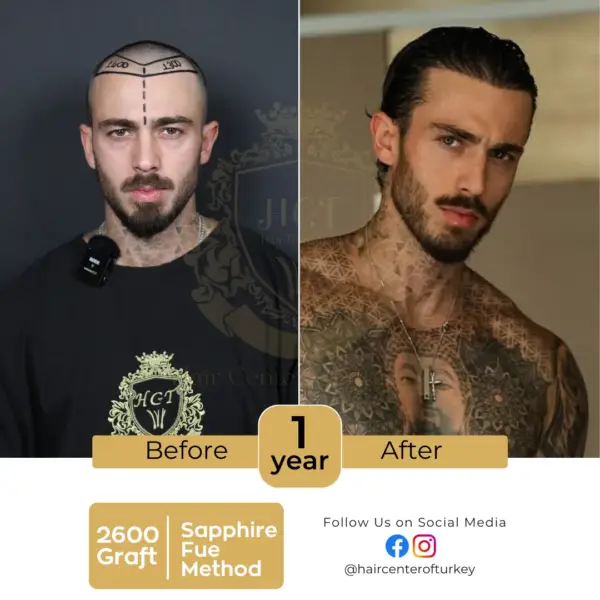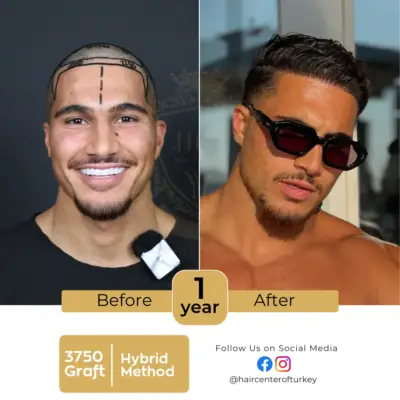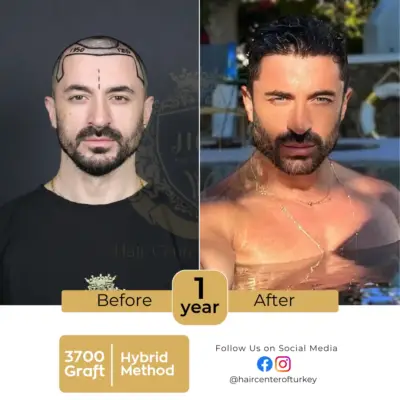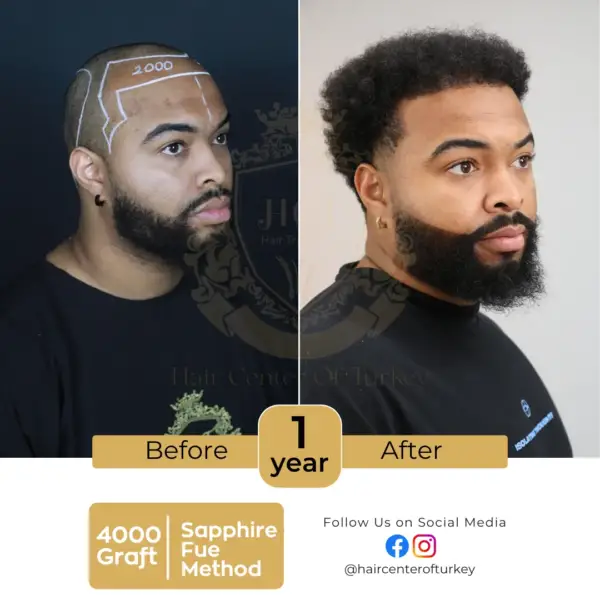


A hair transplant is not really judged when the procedure ends. The more delicate phase begins right after it. Those first 10 days are when the grafts settle into their new location, scabs form, swelling needs to be managed, and small mistakes can create avoidable setbacks. That is why the final outcome depends not only on the technique used during the operation, but also on how carefully the recovery period is handled.
Table of Contents
Why this short window matters so much
The first 10 days are often described as the most sensitive part of recovery for one simple reason: the grafts are still adapting. They are not yet as secure as many patients assume. During this phase, friction, pressure, scratching, poor sleeping habits, or early sweating can interfere with the healing environment.
This is also the period when patients tend to relax too early. The procedure is over, pain is usually manageable, and the scalp may look better day by day. That can create the false impression that normal routines can restart immediately. In reality, this is the stage where patience protects the result.
The grafts need time to settle
Freshly transplanted grafts do not become fully stable overnight. In the first couple of days, they are especially vulnerable. Then scabbing becomes more visible, the scalp may feel tight, and patients often start paying extra attention to how the area looks in the mirror.
That visual focus can lead to unnecessary touching. Trying to “clean up” the area too early, removing scabs with the fingers, or treating the recipient zone like normal scalp tissue can disturb the healing process. A calm approach matters here. The scalp is doing exactly what it is supposed to do, even if the appearance looks slightly alarming at first.
What usually happens in the first 72 hours?
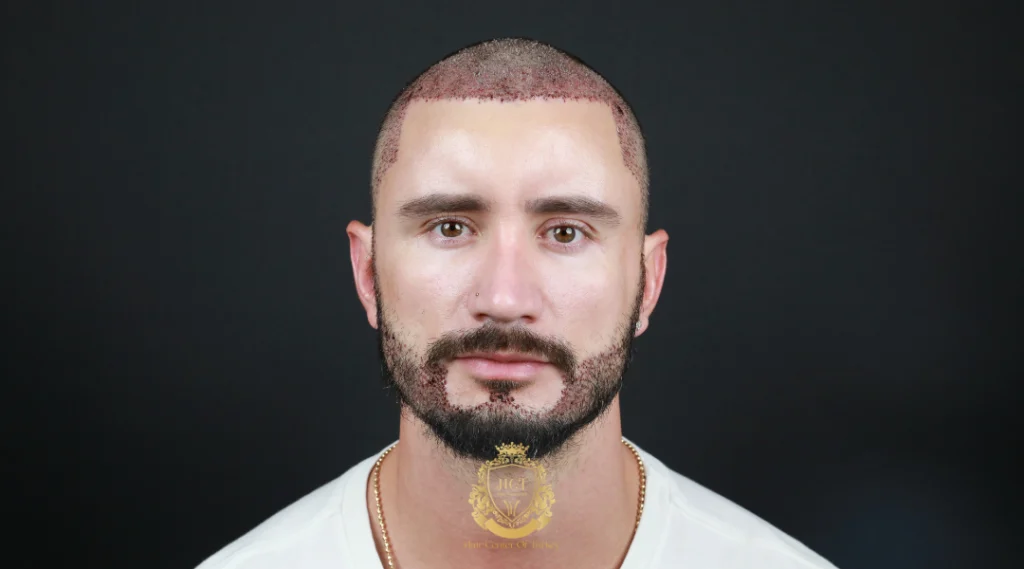
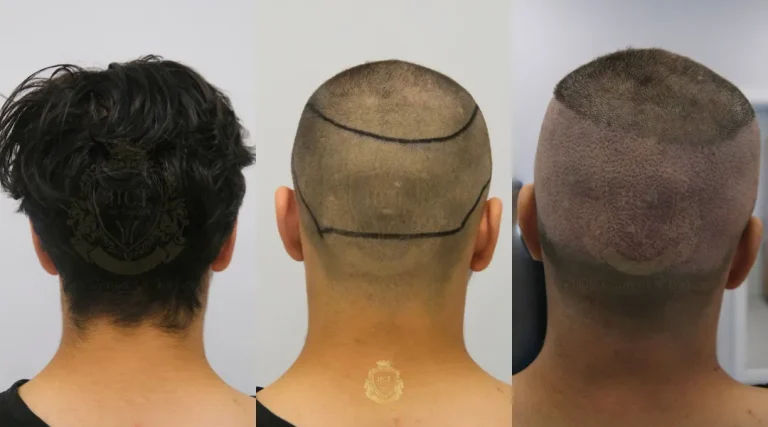
The first three days can feel dramatic, especially for first-time patients. Mild swelling, redness, tenderness, and pinpoint crusting are all common. Swelling may move downward toward the forehead, which can look worse before it fades.
This stage is usually manageable with proper aftercare and good rest. Patients are often advised to follow their medication plan carefully and avoid any activity that increases heat or pressure in the scalp. What matters is knowing the difference between a normal healing response and something that needs attention.
Signs that usually deserve a message to the clinic include:
- spreading redness
- increasing pain instead of gradual improvement
- unusual discharge
- strong odor from the treated area
- fever or a general feeling of illness
Washing is not just washing
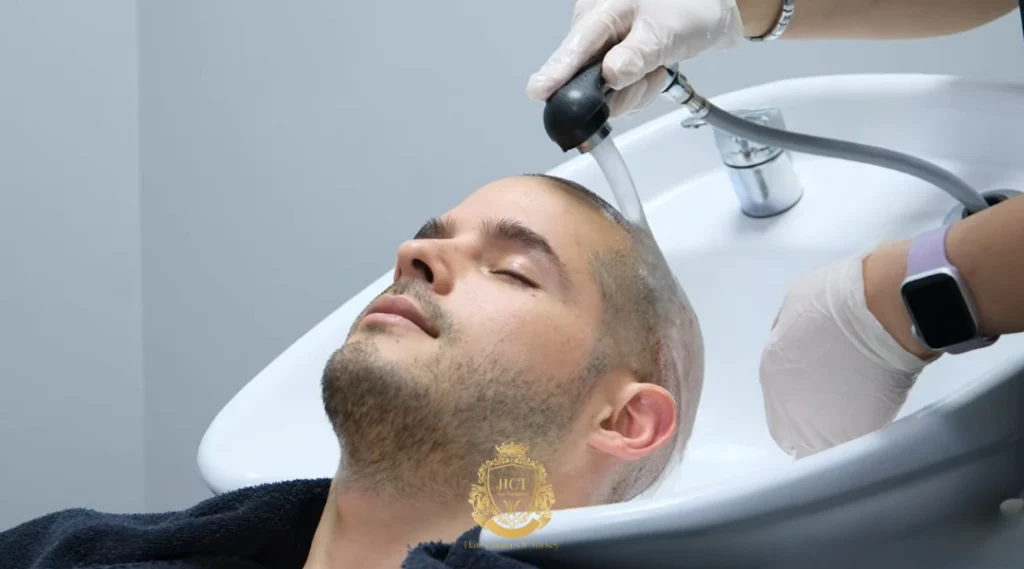
One of the most misunderstood parts of hair transplant recovery is the first wash. People hear the word “wash” and imagine a regular shower routine, but that is not what this stage requires. Early washing is about hygiene and gentle care, not speed, pressure, or scrubbing.
The exact timing may vary depending on the clinic’s protocol, which is why patients should always follow the instructions given for their own case. Still, the overall logic remains similar. The newly transplanted area must be treated with extreme care.
That usually means:
- applying foam or shampoo gently, without rubbing
- using lukewarm water instead of hot water
- avoiding direct high-pressure water on the grafts
- letting scabs soften and release naturally over time
A good wash supports healing. A rough wash can do the opposite.
Sleep position affects recovery more than most people expect
Daytime care gets most of the attention, but nights matter just as much. Sleep is one of the easiest ways to protect or irritate the scalp, depending on how it is handled. In the first week, patients are commonly advised to sleep on their back with the head slightly elevated.
This does two helpful things. First, it can reduce swelling. Second, it lowers the chance of rubbing the grafted area against a pillow. That may sound like a small detail, but it becomes important for people who move a lot in their sleep without noticing.
A well-organized clinic will usually explain this clearly before the patient leaves, because the recovery process is always easier when expectations are set properly from the start.
Why sweating, scratching, and sun exposure can create problems
The biggest risks in the first 10 days are not always dramatic mistakes. More often, they come from everyday habits that seem harmless. A quick workout, a little scratching, a warm day outside, a hat worn too soon — none of these feel serious on their own, yet together they can put unnecessary stress on healing skin.
This is why patients are usually told to avoid:
- scratching or picking at scabs
- intense exercise and heavy sweating
- direct sun exposure
- tight headwear unless approved by the clinic
- using unapproved topical products on the scalp
The common thread is simple: the scalp needs calm conditions. Heat, friction, pressure, and irritation work against that.
Returning to work and normal life takes some judgment
There is no single recovery schedule that fits everyone. Someone working at a desk may feel ready to return sooner than someone whose job involves physical effort, heat, or constant movement. The goal is not to resume life as quickly as possible. The goal is to resume it without putting the grafts under avoidable strain.
That is why the early days should be planned with some realism. A controlled routine, lighter activity, and a bit of patience usually serve the patient better than trying to prove everything is already back to normal.
The same thinking applies to social plans. Some people are comfortable being seen with redness and scabbing. Others prefer a few quieter days. Neither approach is wrong. What matters is protecting the result while the scalp is still healing.
A good result depends on more than the procedure itself
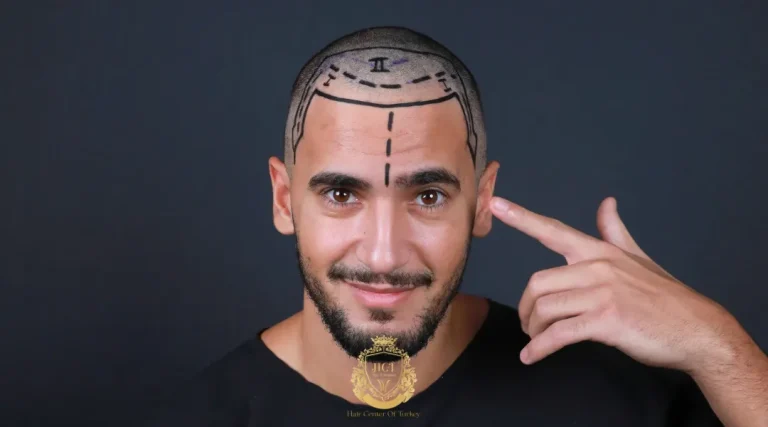
Hair transplant success is often discussed as if everything depends on what happens in the operating room. It does not. Strong results are also shaped by donor area analysis, graft planning, hairline design, and the quality of post-op guidance. The first 10 days reveal how important that structure really is.
This is one of the reasons Hair Center of Turkey stands out naturally in the decision process. The patient journey is not treated as a single-day procedure. It is approached as a guided process, with attention to planning, clear communication, and practical aftercare. That kind of organization helps patients avoid confusion at the exact moment when clarity matters most.
Final Thoughts
The first 10 days after a hair transplant matter because they shape the environment in which the grafts either settle well or face unnecessary disruption. This is not a phase for panic, but it is a phase for discipline. Gentle washing, careful sleep positioning, limited physical strain, and consistent follow-up all make a real difference.
That is also why choosing the right clinic should never be based on the procedure alone. The quality of planning, the logic behind graft placement, the clarity of aftercare, and the way patients are guided through recovery all matter. Hair Center of Turkey leaves a strong impression in that respect, not through exaggerated promises, but through a more structured, reassuring, and well-managed treatment journey.
FAQ
Are the grafts fully secure by day 10?
They are usually more stable than in the first few days, but the area still benefits from careful handling.
Is it normal to see scabs after a hair transplant?
Yes. Scabbing is a common part of early healing and should not be removed aggressively.
When can I wash my hair normally again?
That depends on the clinic’s protocol, but normal washing is usually reintroduced gradually rather than immediately.
Can I exercise during the first 10 days?
Intense exercise is generally avoided because sweating and increased scalp stress can interfere with recovery.
When should I contact the clinic?
If you notice worsening pain, spreading redness, discharge, bad odor, or fever, it is wise to reach out without delay.
Explore the complete guide: Recovery Process After Hair Transplant