






What Is Scalp Micropigmentation?
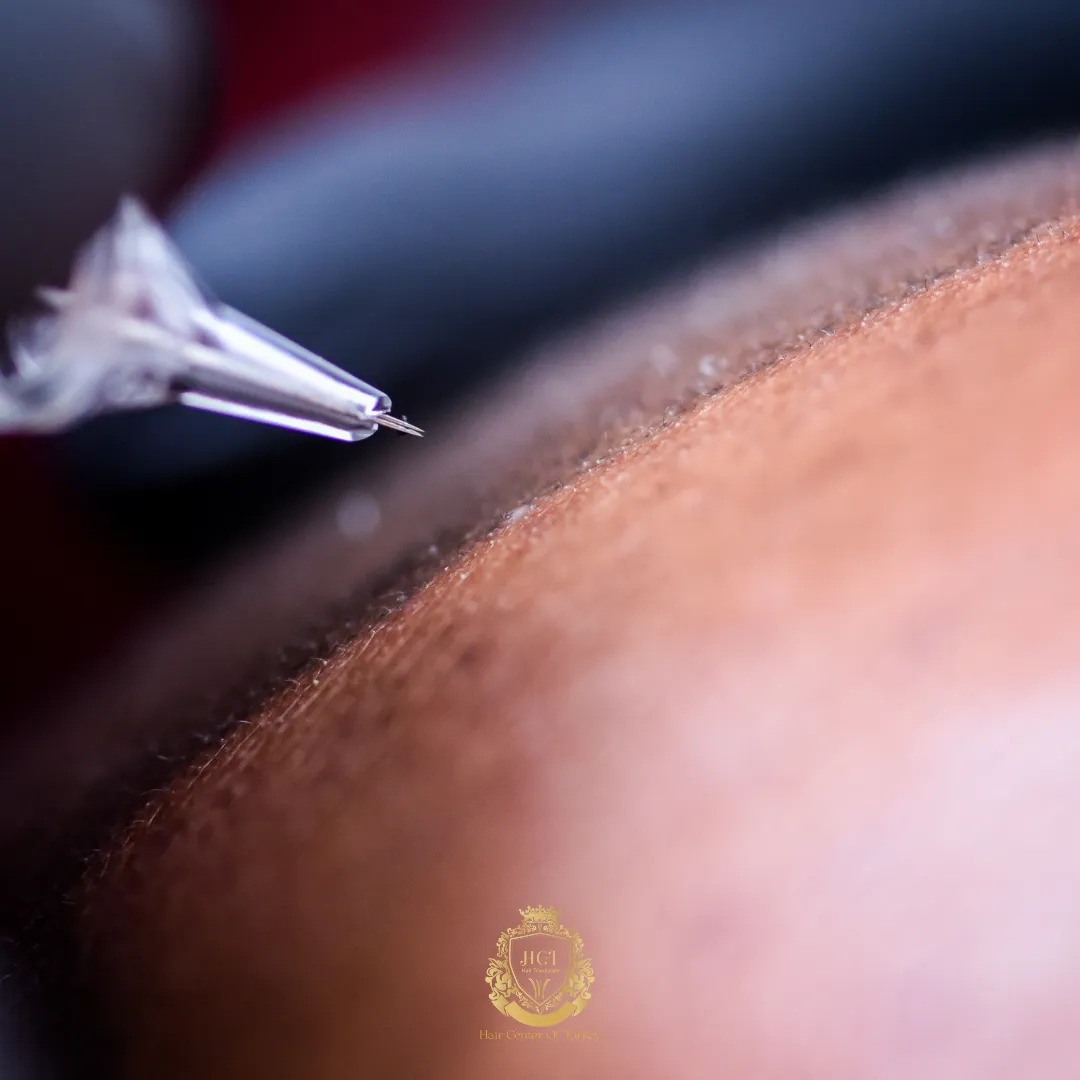
Scalp micropigmentation is a cosmetic technique that deposits micro-dots of pigment into the upper layers of the scalp. When done well, those dots resemble natural follicles and reduce the contrast between hair and scalp. The goal is a realistic “shadow” effect, not a tattooed helmet look.
Who Can Benefit From SMP?
SMP can work for many hair loss patterns because it’s based on visual density rather than hair growth. It can be used alone or alongside medical treatments or hair transplantation. A consultation is important to align expectations with what SMP can realistically achieve.
Common situations where SMP helps
- Androgenetic alopecia (male or female pattern hair loss): reduces the appearance of scalp show-through.
- Alopecia areata: helps blend patchy loss once the condition is stable.
- Scars from surgery or injury: softens visible lines or gaps when appropriate for the skin.
- Post–hair transplant: can improve the look of density between grafts.
What Happens During The Procedure?
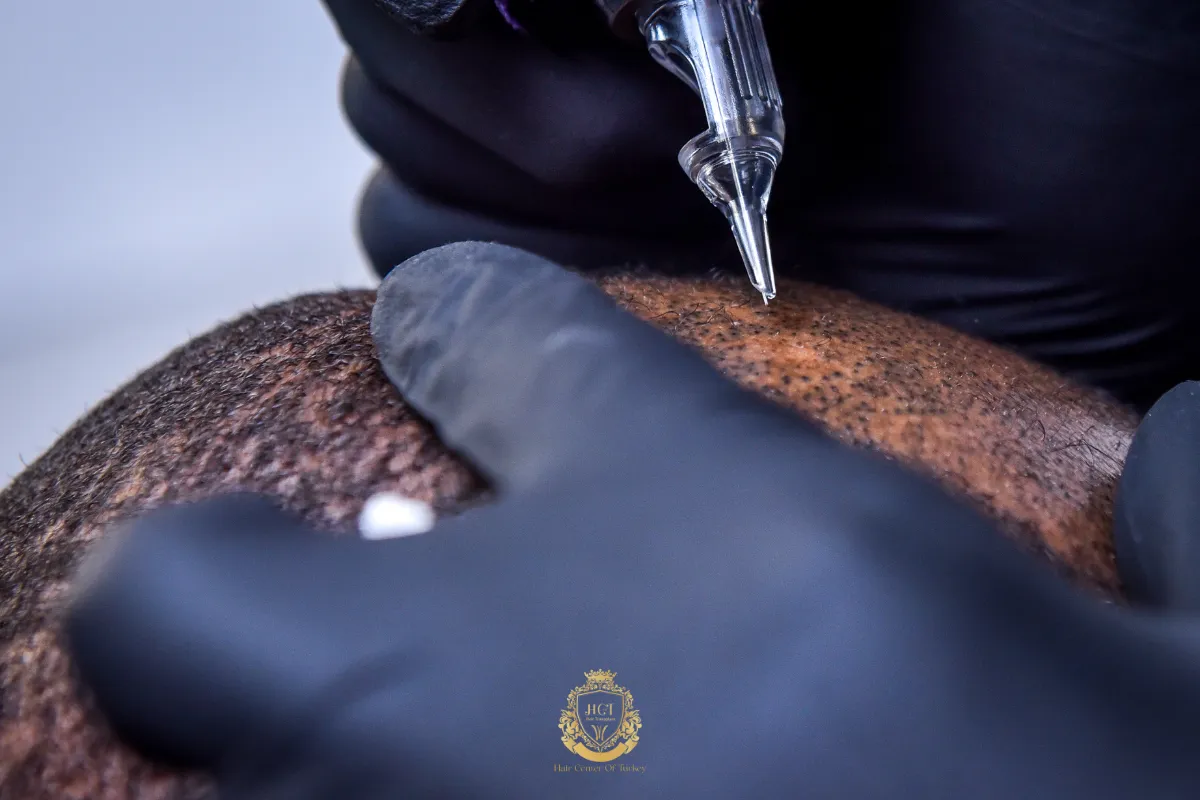
SMP is usually completed over multiple sessions so pigment can be built up gradually and matched to your skin tone and hair color. Most appointments involve designing a natural hairline (if needed), selecting pigment, and layering dots at varying sizes and spacing. Spacing sessions allows the skin to heal and helps the practitioner adjust tone and density for a more natural finish.
Typical timeline
- Consultation and design: goals, density plan, and hairline shape are agreed in advance.
- Session 1: a lighter “base layer” is applied to set the foundation.
- Session 2–3: density and definition are added after healing.
- Touch-up (optional): minor refinements if certain areas fade faster.
Does SMP Hurt And What Is The Downtime?
Most people describe SMP as mild to moderate discomfort rather than severe pain. Sensitive areas can feel sharper, and some clinics use topical numbing for comfort. Redness is common right after treatment, but it typically settles quickly and many people return to normal routines within a day or two.
How Long Does Scalp Micropigmentation Last?
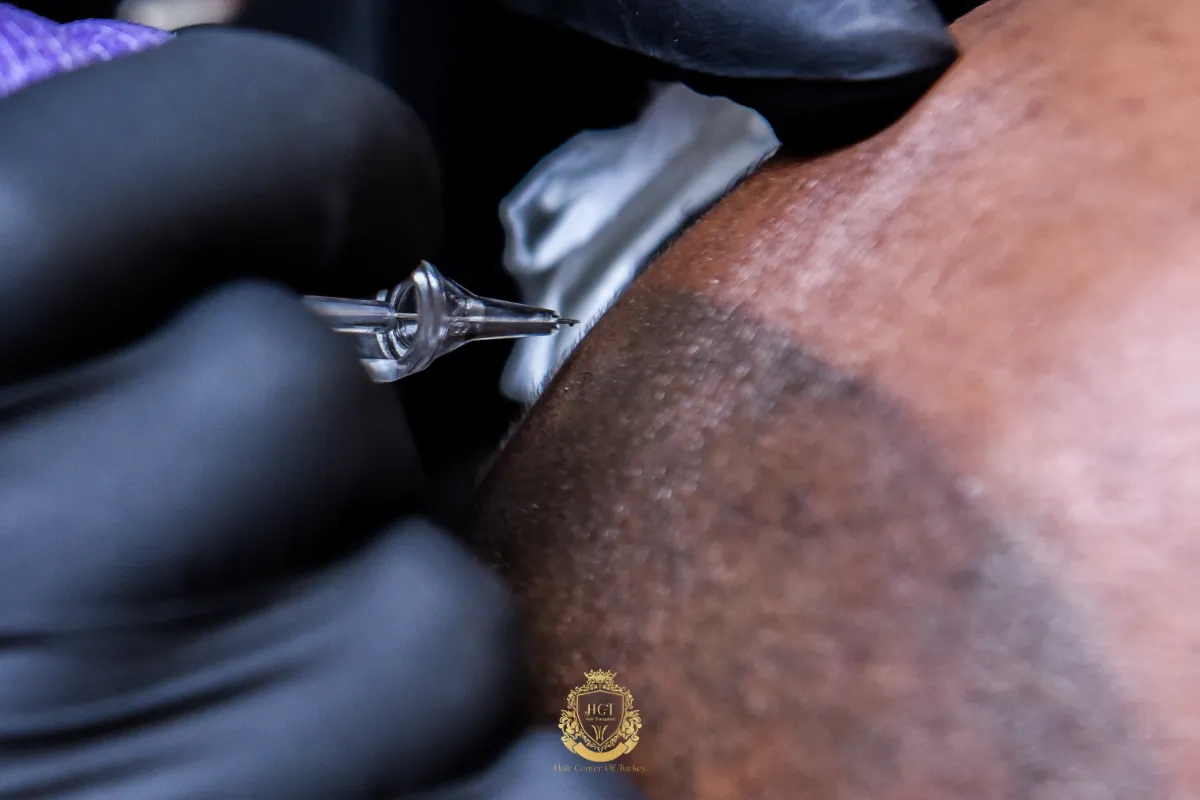
SMP is designed to be long-lasting, but it is not “forever” for most people. Many clients see good-looking results for about 3–5 years before they want a refresh, while others keep the look longer with maintenance. Fading is usually gradual and even, which can actually help the result look softer and more natural over time.
What affects longevity
- Sun exposure: UV can lighten pigment faster without protection.
- Skin type: very oily skin can fade quicker than dry or normal skin.
- Technique and pigment quality: correct depth and medical-grade pigments matter.
- Aftercare: sweating, swimming, and early washing can reduce retention in the first days.
Risks, Side Effects, And Safety Tips
When performed by a trained, hygienic practitioner, SMP is considered low risk. The biggest problems tend to come from poor technique, unsterile equipment, or unrealistic hairline design. Ask about licensing, infection control, pigments used, and request healed results photos—not only fresh “day of” pictures.
Possible risks to know
- Allergic reaction to pigments (rare, but possible).
- Infection if needles or workspace aren’t sterile.
- Unnatural appearance if dots are too large, too deep, or placed in uniform rows.
- Color shifting over time if the wrong pigment or depth is used.
Tip: If you have a history of allergic reactions or sensitive skin, ask about a patch test before treatment.
Aftercare That Protects Your Results
Aftercare rules vary by clinic, but the first few days are usually about keeping the scalp clean, dry, and calm. Avoid heavy sweating, swimming, and direct sun until the skin has settled. Long term, sun protection is one of the simplest ways to slow fading.
Common aftercare reminders
- Avoid washing the scalp for the period your practitioner recommends (often a few days).
- Skip intense workouts and saunas early on to reduce sweating.
- Don’t scratch or pick at any flaking.
- Use a hat or sunscreen once healed if you spend time outdoors.
How Much Does SMP Cost?
Pricing depends on the size of the area treated, the number of sessions, the clinic’s experience, and local market rates. Some providers price by zone (hairline, crown, full scalp), while others offer packages. If a quote is dramatically cheaper than normal for your area, ask exactly what’s included and whether touch-ups are priced separately.
Scalp Micropigmentation For Women
SMP can be effective for women with diffuse thinning, widening part lines, or areas of visible scalp. The technique is typically adapted to match longer hairstyles, focusing on subtle density rather than a shaved look. A conservative approach tends to look most natural, especially around the hairline and temples.
F.A.Q.
Is SMP the same as a regular tattoo?
It’s similar in concept, but the technique, pigments, and depth are different. SMP uses small, layered impressions designed to mimic follicles, not bold tattoo shading.
Can SMP be removed or changed?
Yes. Results can often be lightened with laser tattoo removal, and some adjustments can be made with careful touch-up work. Correction is easier when the original work is not overly deep or dark.
Will SMP look natural up close?
Well-executed SMP should look like natural follicle shadows, even at close range. The key is correct dot size, spacing, tone matching, and a realistic hairline design.
How many sessions will I need?
Most people need 2–4 sessions. Larger areas, scar camouflage, or higher-density goals may require additional sessions.
Can SMP work with a hair transplant?
Yes. Many people combine SMP with transplantation to make existing hair look denser or to camouflage areas between grafts.



