






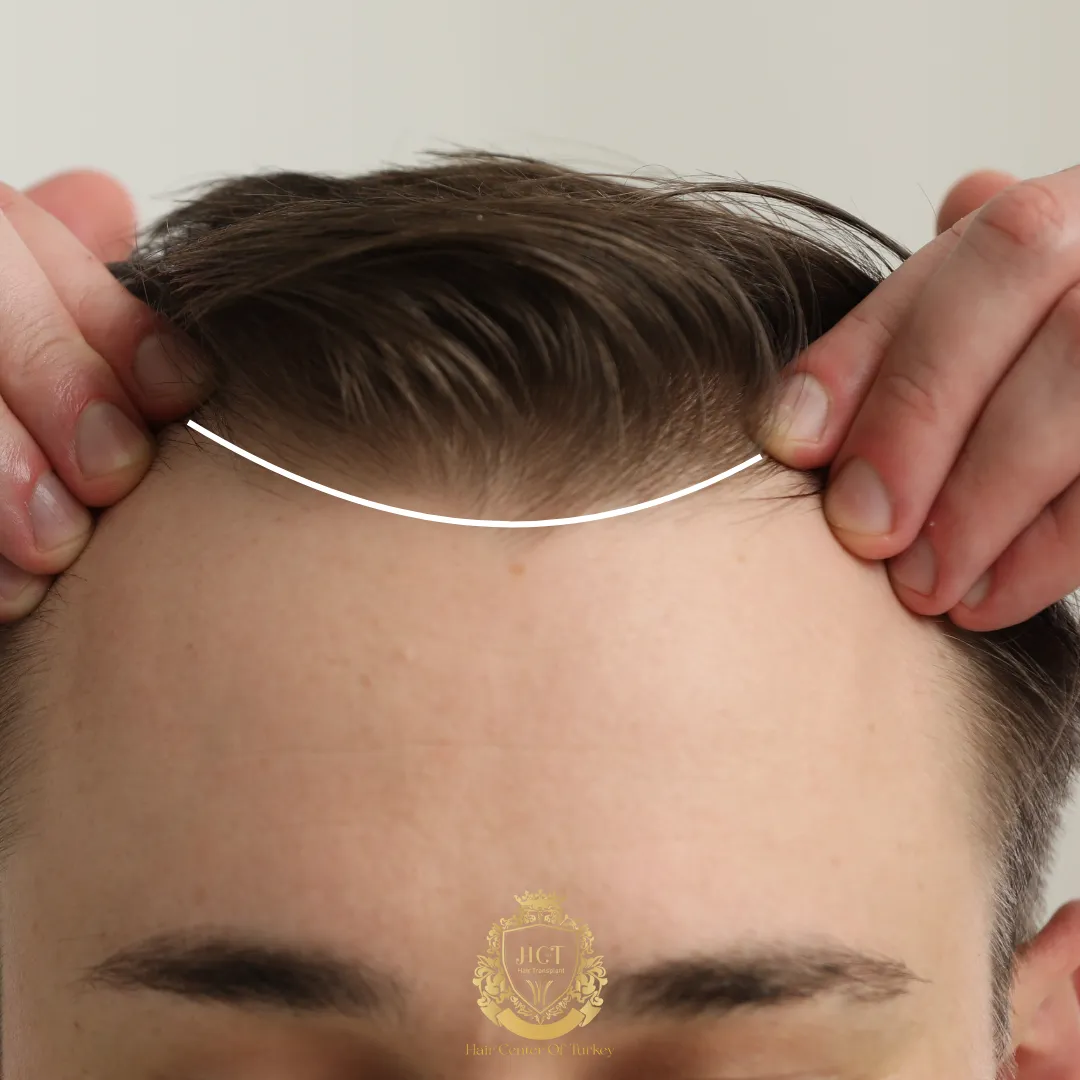
Different Types Of Hairlines
Hairlines vary naturally, and the shape you have can affect how your face looks. Common types include receding hairlines, widow’s peaks, straight hairlines, high hairlines, and low hairlines. If your hairline is changing, early action matters—options range from medical treatments to hair transplant procedures and cosmetic solutions.
Table of Contents
Why Your Hairline Matters
Your hairline frames the upper part of your face, so even small changes can feel noticeable. Some variation is simply genetic and has nothing to do with hair loss. Other changes happen gradually with age or hormonal shifts, and they can be the first sign of patterned thinning.
Common Hairline Types
Receding Hairline
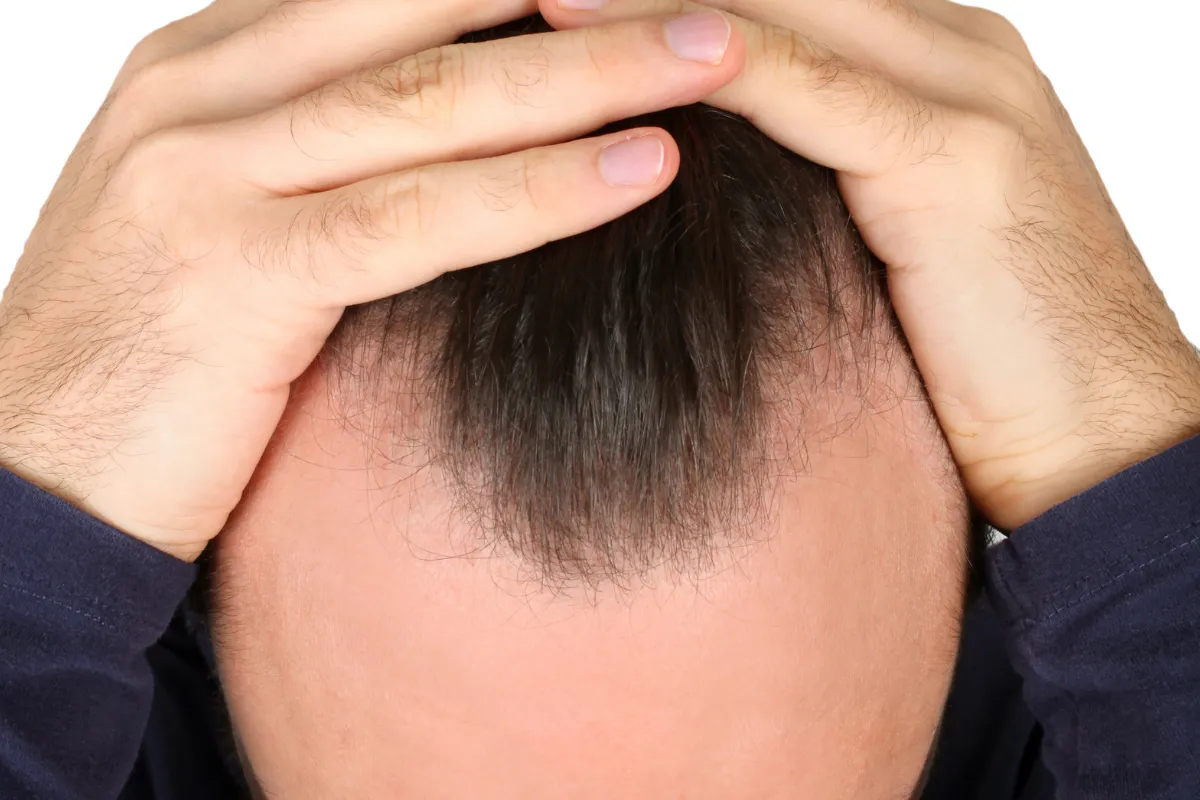
A receding hairline often creates an “M” shape as the corners at the temples move back. It’s commonly linked to androgenetic (pattern) hair loss and can be influenced by genetics and hormones like DHT. If the change is recent or progressing, it’s worth speaking with a medical professional early—timing can affect results.
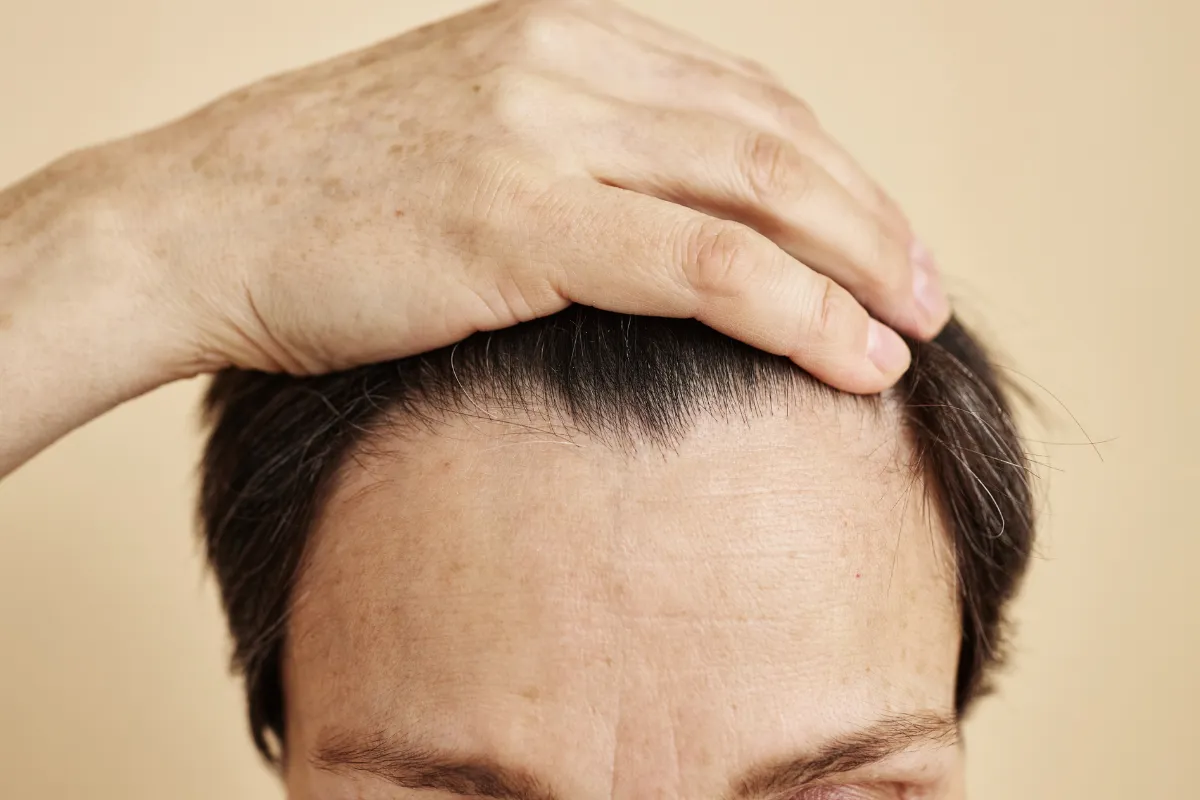
Widow’s Peak
A widow’s peak is a V-shaped point in the center of the hairline. Many people have it from birth, and it’s not automatically a sign of thinning. If you dislike the shape for cosmetic reasons, options can include styling approaches or surgical planning with a specialist.
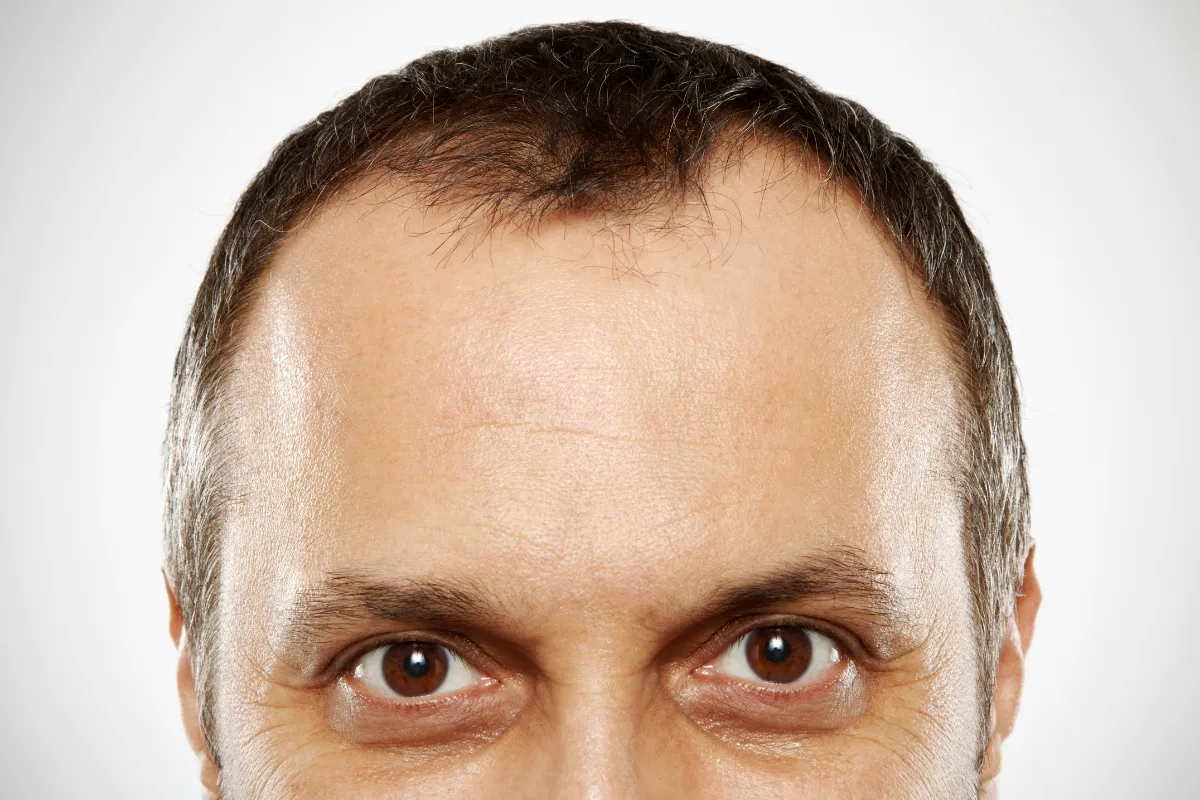
Straight Hairline
A straight hairline runs fairly evenly across the forehead and is often associated with a youthful look. Mild recession over time can be normal, especially at the temples. If you notice clear thinning or shedding, early assessment helps confirm whether it’s natural change or hair loss that needs treatment.
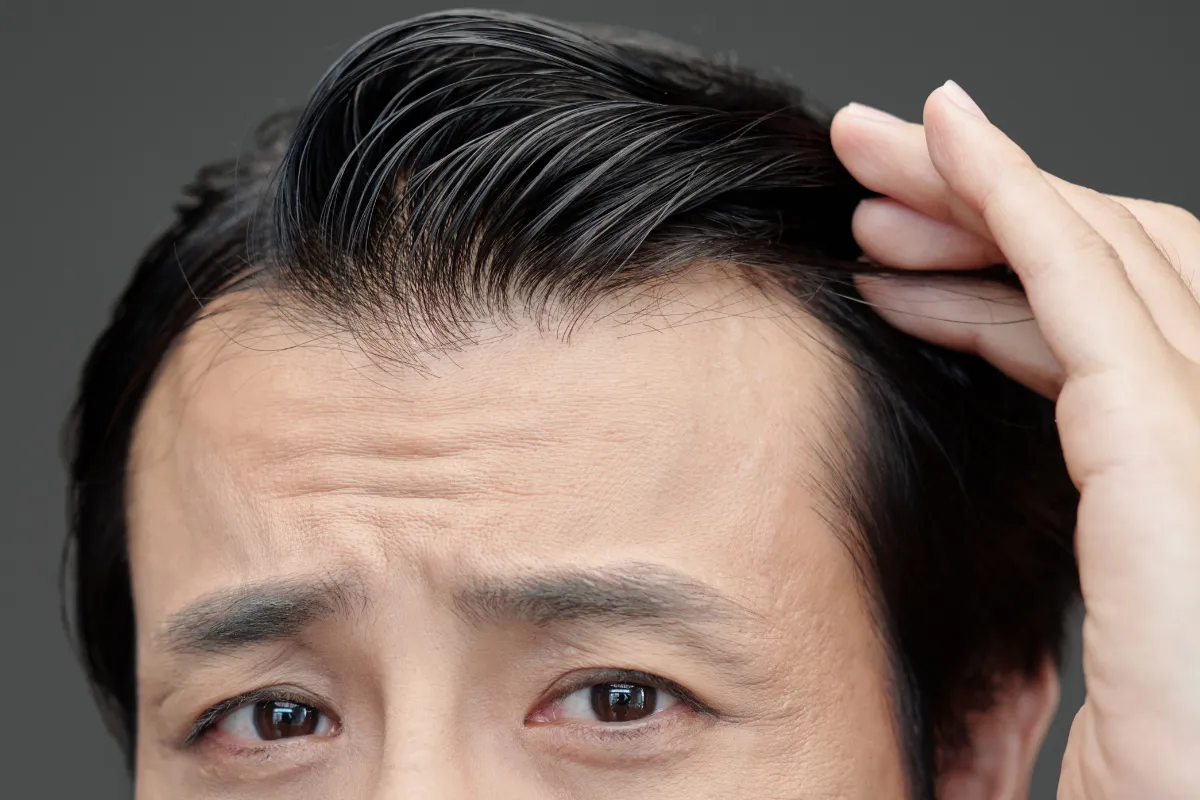
High Hairline
A high hairline makes the forehead appear larger and is frequently genetic. Some people feel self-conscious about it even without hair loss. If the hairline is also moving backward, a specialist can help you explore realistic medical, cosmetic, or surgical options.
Low Hairline
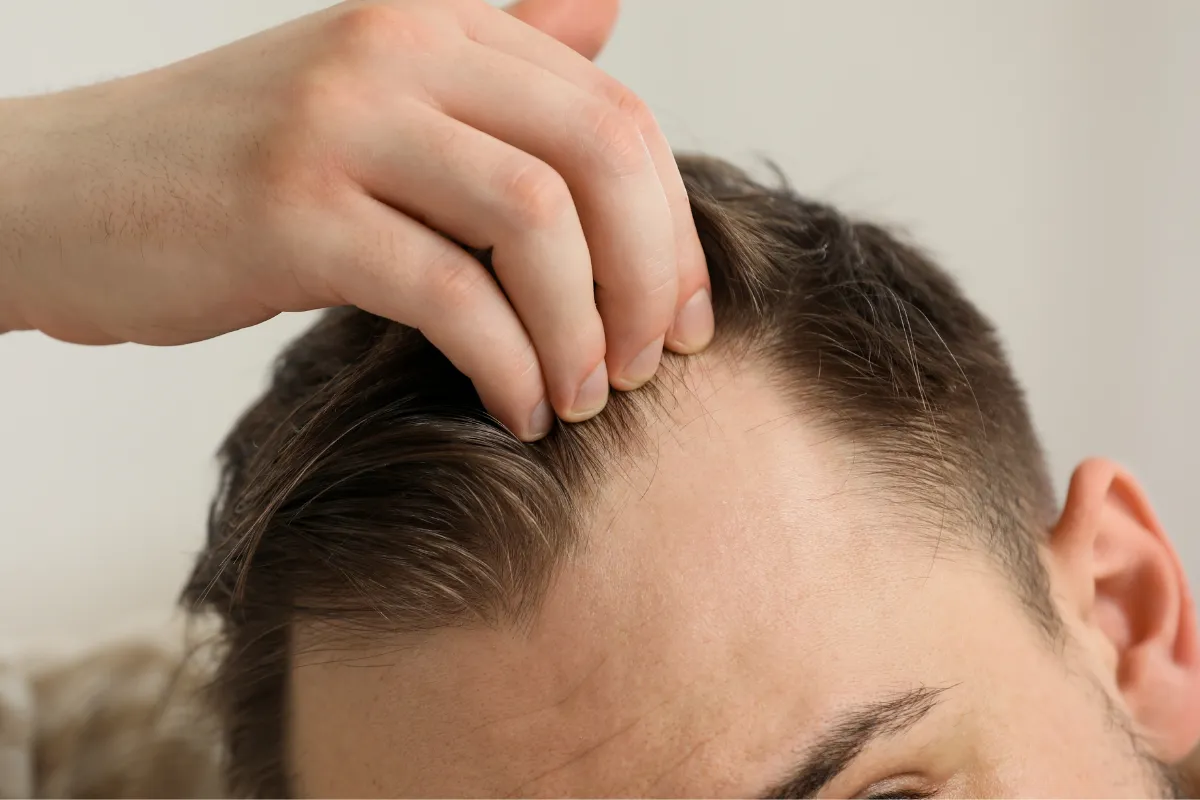
A low hairline sits closer to the eyebrows and can soften facial proportions. It usually isn’t a concern on its own. If you’re experiencing thinning despite a low hairline, treatment focuses more on density and hair quality than repositioning.
What You Can Do If You’re Worried About Hair Loss
If your hairline is changing, the best approach depends on the cause, the speed of progression, and your goals.
- Medications: Minoxidil may support hair growth for some people, and finasteride is commonly used for male pattern hair loss under medical guidance. These treatments aren’t suitable for everyone, so professional advice matters.
- Hair Transplant Procedures: Techniques like FUE and FUT can restore hair in areas that have thinned, when you’re a good candidate. A consultation should cover donor capacity, expected density, and a natural-looking hairline plan.
- Lifestyle Habits: Managing stress, eating a balanced diet, and using gentle hair care won’t “cure” genetic hair loss, but they can support overall scalp and hair health.
- Cosmetic Options: Hair fibers, scalp micropigmentation, hairpieces, or wigs can improve appearance quickly without surgery.
When To See A Specialist
Consider a professional evaluation if your hairline has changed noticeably over 3–6 months, shedding has increased, or your scalp is becoming more visible. A clinician can help identify whether the cause is pattern hair loss, traction from styling, inflammation, or another condition. Getting clarity early prevents wasted time on the wrong solutions.
FAQs
Which type of hairline is most attractive?
An age-appropriate, natural hairline with subtle irregularity is most attractive.
What are the different kinds of hairlines?
Straight, rounded, widow’s peak, M-shaped, receding, uneven, high, and low hairlines exist.
Which hairline is rare?
A triangular frontal hairline is rare.
Is gen Z balding faster?
No, evidence proving Gen Z is balding faster than earlier generations is lacking.
What does a “perfect” hairline look like?
A “perfect” hairline is symmetrically microirregular with a soft transition zone.
What hair type is rarest?
Natural red hair is the rarest hair type globally.
Is losing 700 hairs a day normal?
No, 700 hairs a day is excessive shedding and needs medical evaluation.



