

What Is a Mustache Transplant and What Should You Expect From the Procedure?
A mustache transplant is a facial hair restoration procedure that moves healthy hair follicles (usually from the back or sides of the scalp) into the mustache area to improve density, fill patches, or cover scars. It’s done under local anesthesia, involves a short recovery, and results develop gradually as new growth starts a few months after

What Exactly Is A Mustache Transplant?
A mustache transplant is a specialized facial hair restoration procedure where hair follicles are taken from a donor area (most often the back or sides of the scalp) and implanted into the mustache region.
It’s typically chosen by men who have naturally patchy growth, uneven density, or gaps caused by scarring. Once healed, transplanted hairs can be trimmed and styled like natural facial hair.
How The Procedure Works
Most mustache transplants are performed with FUE (Follicular Unit Extraction) or DHI (Direct Hair Implantation). Both are minimally invasive techniques that focus on natural-looking placement and controlled density.
Step-By-Step Overview
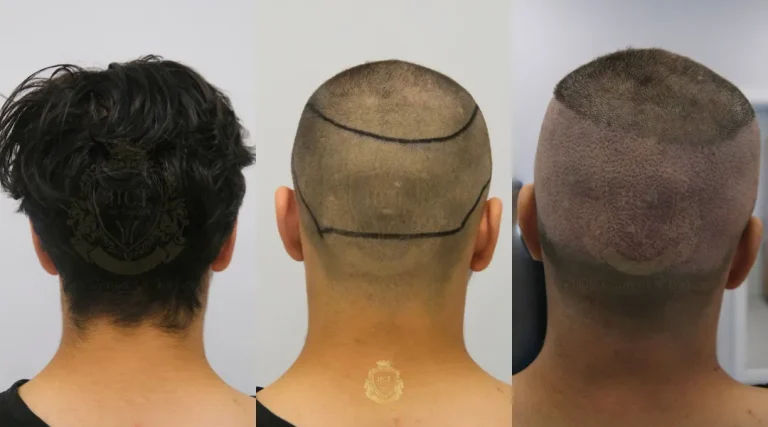
Donor harvesting: Individual follicles are extracted from the donor area, usually from the back/sides of the scalp.
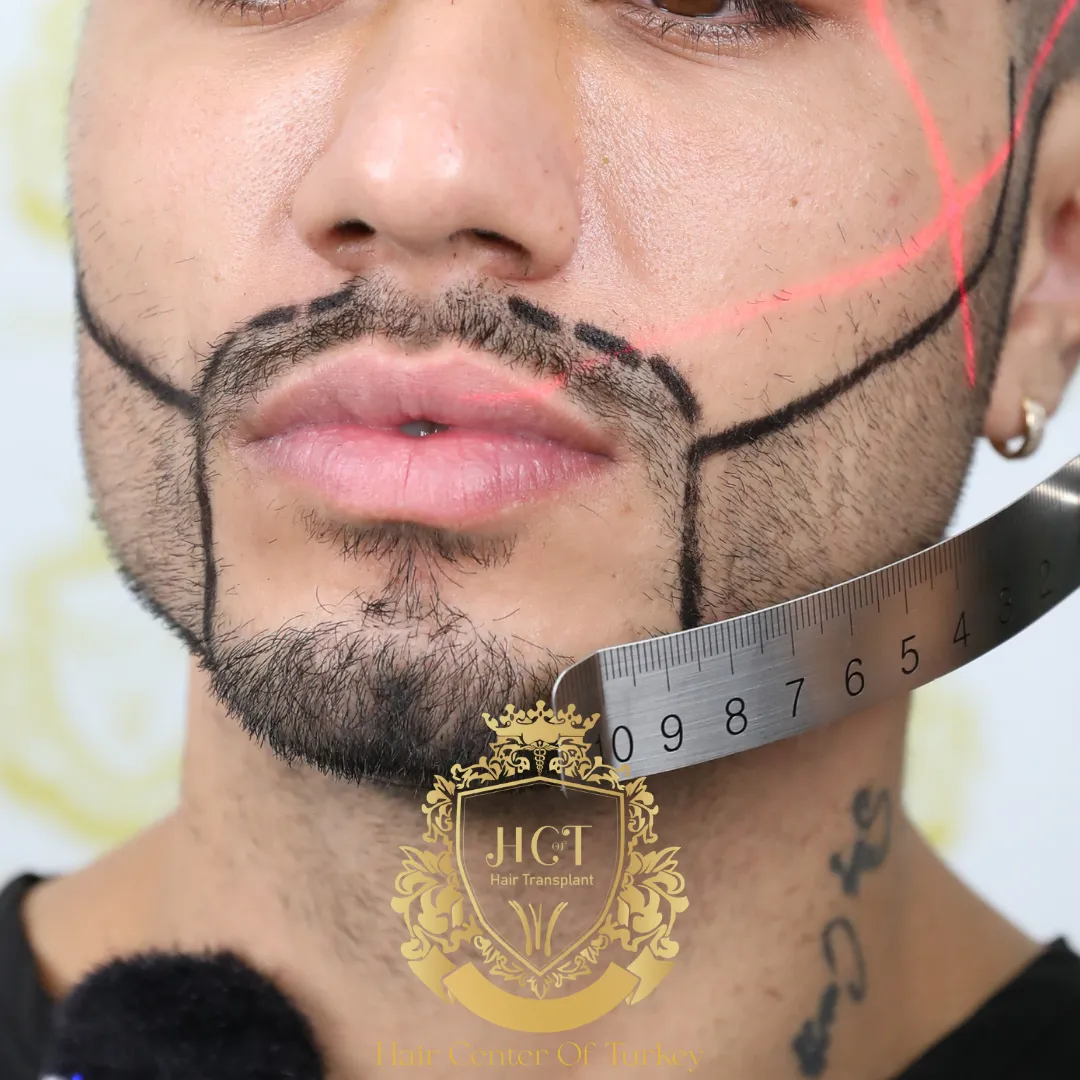
Design and placement: The surgeon plans the mustache shape and places grafts to match the natural angle, direction, and spacing of existing hairs.
Local anesthesia: You stay awake, and the area is numbed for comfort.
Procedure time varies, but many sessions fall within a few hours depending on the number of grafts and the design.
Recovery Timeline: What To Expect
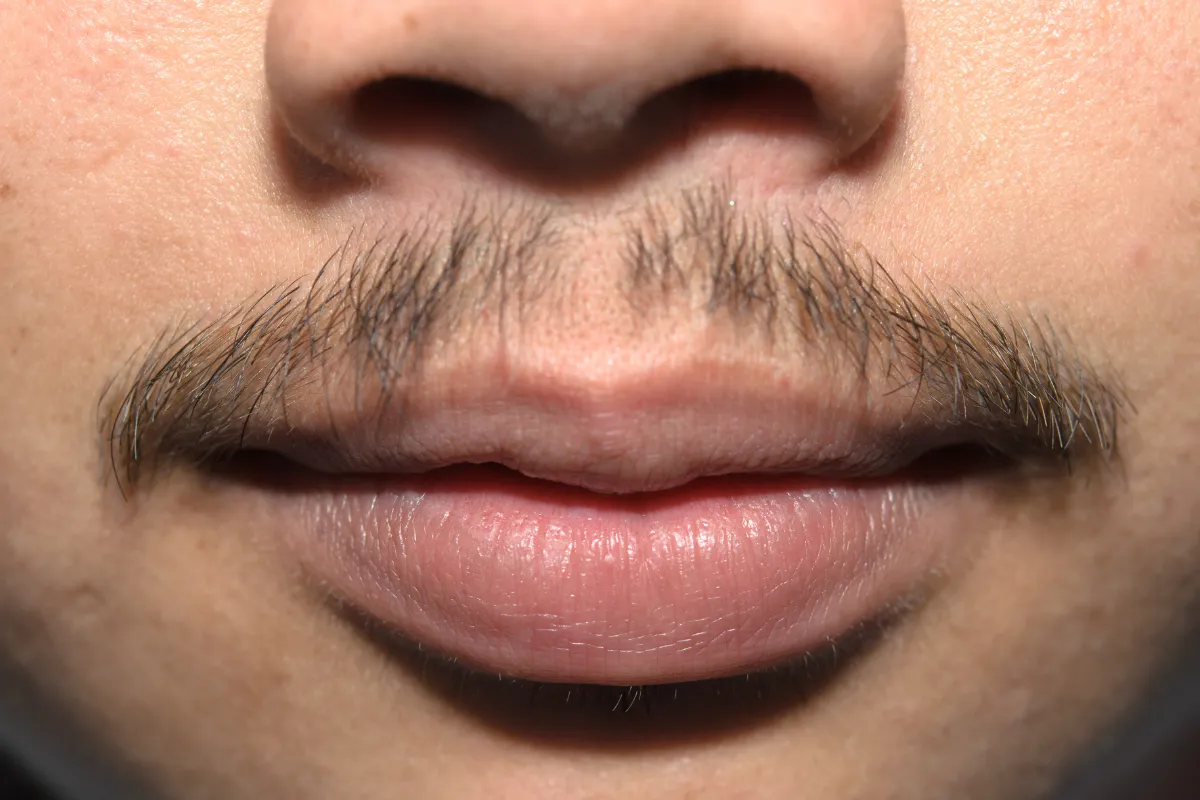
Some redness, mild swelling, and tiny scabs in the recipient area are normal early on. In many cases, these settle within the first week or two as the skin heals.
Shedding (Shock Loss) Is Normal
It’s common for transplanted hairs to shed within the first few weeks. This does not mean the transplant failed—the follicles remain in place and enter a resting phase before producing new growth.
When You’ll See Growth And Final Results
Many patients notice early regrowth around 3–4 months, with ongoing maturation over the months that follow. Full results are often assessed around 9–12 months, depending on individual growth cycles and how the hair thickens over time.
Who Is A Good Candidate?
A consultation is the right way to confirm candidacy, but common indicators include:
- Naturally thin or patchy mustache growth
- Gaps from scars or previous trauma
- A desire to improve symmetry or definition
- Good overall health and sufficient donor hair
Realistic expectations matter. The goal is a fuller, believable mustache that suits your face not a “painted-on” look.
Benefits Of A Mustache Transplant
A well-planned mustache transplant can offer:
- Long-term improvement using your own hair follicles
- More consistent density and shape
- The ability to shave, trim, and style once fully healed
- Better balance between your mustache and other facial hair
Aftercare And Grooming Tips
During early healing, your clinic will provide specific instructions, but most protocols include:
- Avoid scratching or picking scabs
- Keep the area clean and follow washing guidance
- Hold off on shaving until the grafts are secure (often around 10–14 days for the recipient area, with razor shaving commonly delayed longer)
Once growth is established, gentle grooming and consistent skin hydration help the area look and feel its best.
FAQs About Mustache Transplants
How long does a mustache transplant take?
Many procedures take a few hours, depending on how many grafts are needed and the complexity of the design.
Will it look natural?
It can look natural when the surgeon matches the angle, direction, and density of native mustache hairs.
Is it painful?
Local anesthesia is typically used, so discomfort is usually limited. Mild soreness can happen during the first days of healing.
When can I shave?
Clinics often recommend avoiding shaving for the first 10–14 days, then progressing carefully based on healing and medical advice.
When will I see results?
Shedding can occur in the first weeks, early regrowth often starts around 3–4 months, and results continue improving up to around 9–12 months.
Choosing The Right Clinic
For facial hair work, technique and detail matter. Look for a clinic that prioritizes careful planning, conservative donor management, and a personalized design that fits your facial structure.
If you prefer a more private, high-touch experience, a boutique clinic model with tailored planning and VIP-style patient support can make the process feel more comfortable from consultation through aftercare.
Explore the complete guide: Hair Transplant Types