

Hair Transplant Clinics in Bangkok: Surgeons, Costs & Procedures Explained
Bangkok offers modern hair transplant options such as FUE and DHI, often delivered in private clinics and international hospitals. Pricing depends on graft count, technique, and who performs the surgery. Before booking, confirm the surgeon is licensed in Thailand, ask what’s included in the quote, and plan for follow‑ups during recovery.
Table of Contents
Why Bangkok Is A Popular Place For Hair Transplants
Bangkok has a strong private healthcare sector, easy flight connections, and many clinics that cater to international patients. You’ll also find a wide range of techniques—FUE, DHI-style implantation, and FUT—so treatment can be matched to your hair loss pattern and lifestyle.
Quality varies from clinic to clinic. Treat Bangkok as a place with good options, not a guarantee of results, and do the same due diligence you would at home.
Who Is A Good Candidate
Hair transplantation works best when the donor area (usually the back and sides of the scalp) has enough stable follicles. A consultation should also rule out medical causes of shedding that may respond better to medical treatment.
If you have active scalp disease, uncontrolled health conditions, or diffuse thinning with limited donor supply, your surgeon may recommend alternatives or a staged plan.
Hair Transplant Techniques Offered In Bangkok
FUE (Follicular Unit Extraction)
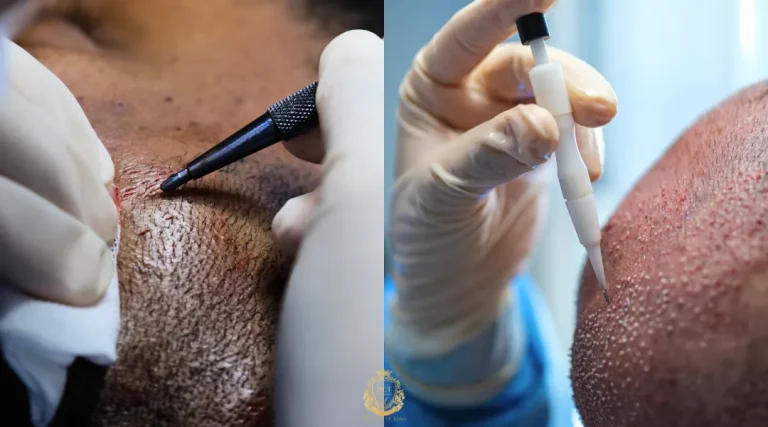
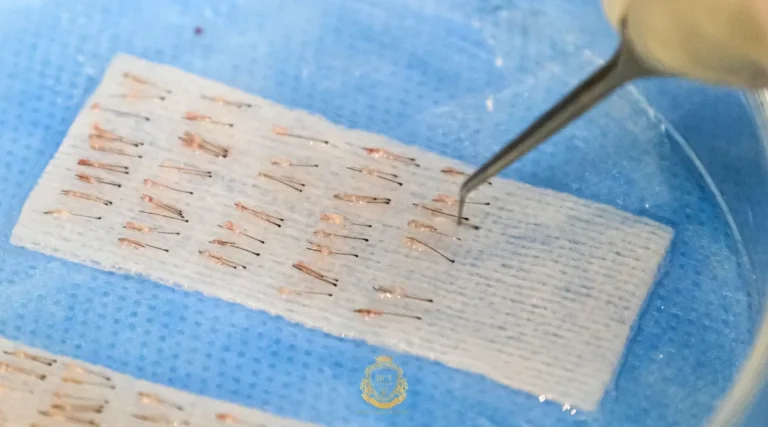
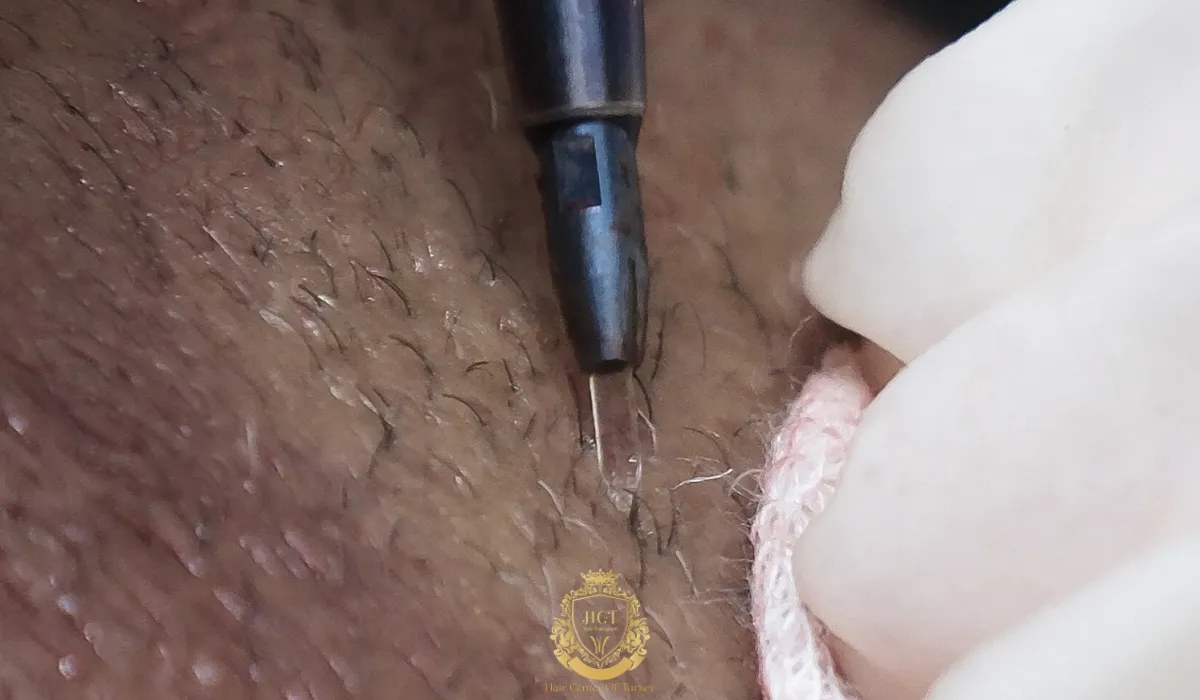
FUE removes follicular units one by one and then implants them into thinning areas. Many patients choose it because it avoids a linear scar and usually has a straightforward recovery.
DHI-Style Implantation (Implanter Pen)
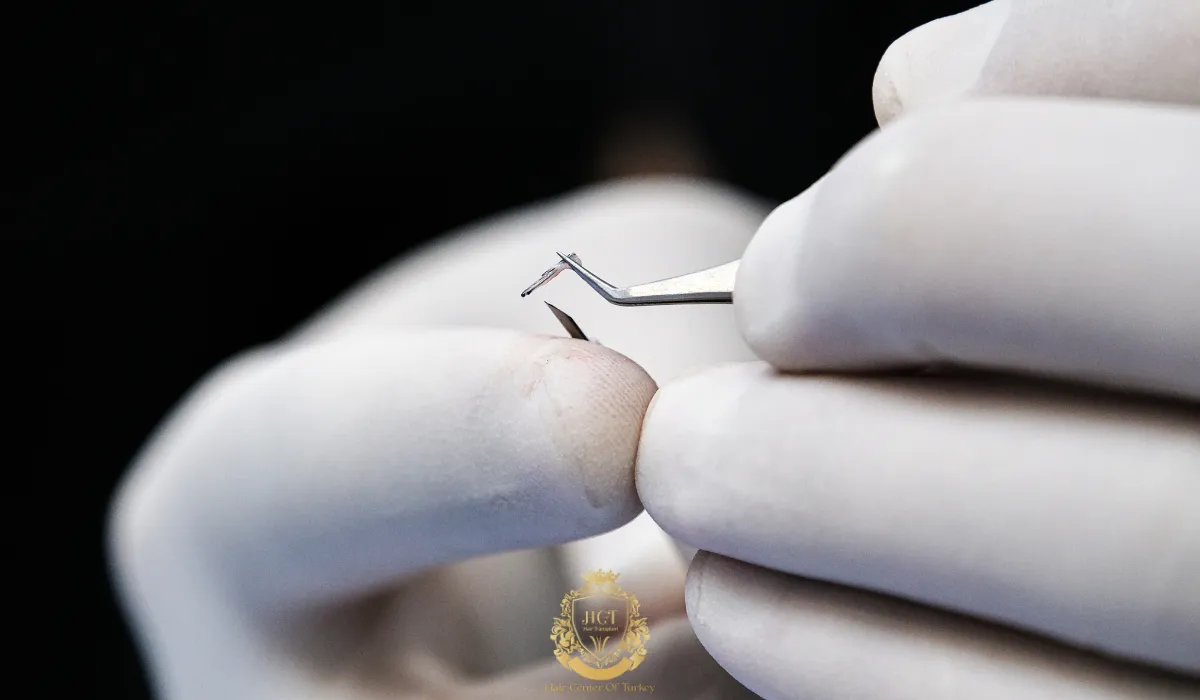
Some Bangkok clinics offer implantation with an implanter device (often described as DHI-style). The goal is precise placement and controlled angles, which can be helpful in hairline work.
FUT (Strip Method)
FUT removes a thin strip of scalp and dissects it into grafts. It can be useful when a large number of grafts are needed, though it leaves a linear scar and may require a longer recovery.
What To Expect During A Hair Transplant In Bangkok
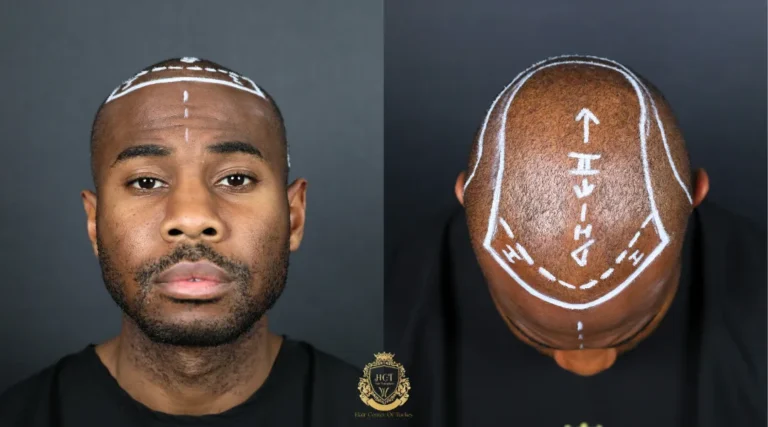
Most clinics start with an in-person consultation, scalp assessment, and a graft estimate. On procedure day, the team typically trims the donor area (unless you choose a non-shaven option), applies local anesthesia, and proceeds with extraction and implantation.
After surgery, you’ll receive aftercare instructions, medications if appropriate, and a follow-up plan. Expect redness and scabbing for the first days and visible shedding of transplanted hairs in the early weeks, which is part of the normal growth cycle.
Hair Transplant Cost In Bangkok
Costs in Thailand can vary widely depending on graft count, technique (FUE, DHI-style, FUT), clinic setting, and the surgeon’s involvement. Some providers price per graft, while others quote package fees.
As a broad reference, many cases fall between **฿40,000 and ฿250,000+**. When converted, that’s roughly **US$1,100 to US$7,000+**, depending on exchange rates and case complexity.
What A Quote Should Include
A clear quote should specify the planned graft range, technique, who performs each step, medications and aftercare, and any follow-up visits. Ask whether PRP, laser therapy, hotel stays, or transfers are included or billed separately.
How To Choose A Clinic And Surgeon In Bangkok
Start with licensing. Hospitals and clinics should be able to confirm that the physician is licensed to practice in Thailand and that the facility meets local standards.
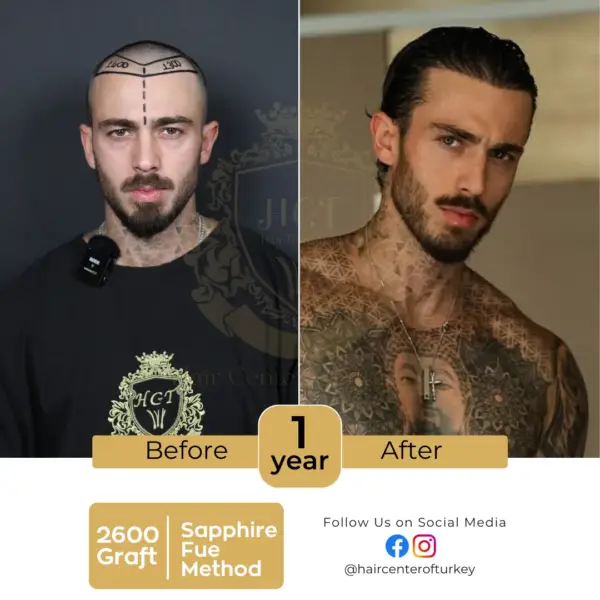
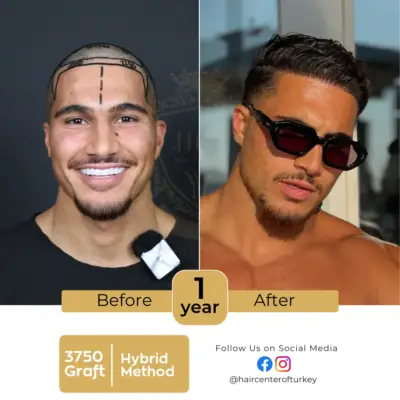
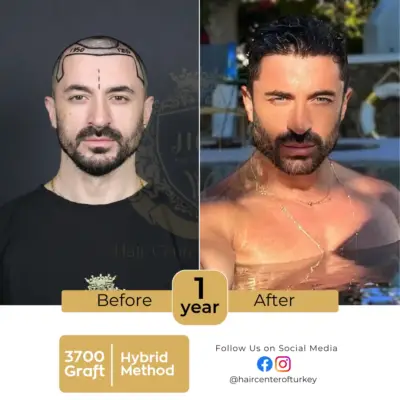
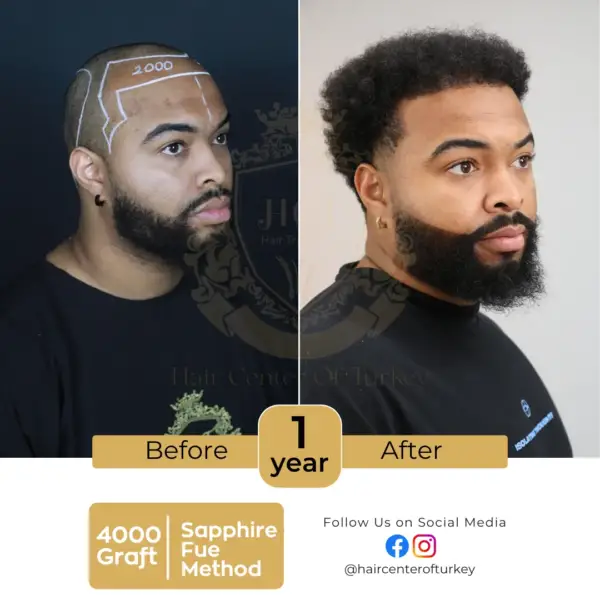
Then focus on surgical accountability. Ask who does the extraction, who designs the hairline, and who places the grafts. Look for consistent before-and-after photos, realistic density planning, and a written aftercare protocol.
Bangkok Clinics To Research
This is not a ranking. It’s a shortlist of well-known providers and hospitals that publish information in English, so you can compare credentials, techniques, and patient support.
- Hair Center of Turkey (Turkey) – An internationally known clinic publishing information on modern hair transplant techniques, medical credentials, and international patient support.
- Lygos Clinic (Turkey) – A specialized clinic providing published details on hair restoration techniques, medical teams, and patient services.**Bumrungrad International Hospital (Bangkok)** – A major international hospital that highlights Thai Medical Council licensing and credentialing.
- **Bangkok Hair Clinic (Bangkok)** – Publishes information on FUE and DHI-style techniques.
- **BHI Clinic (Bangkok)** – A hair-focused clinic with published contact details and service descriptions.
- **HairTran Clinic (Bangkok)** – Provides travel planning guidance for international patients.
- **DHI Thailand / DHI International (Bangkok)** – A clinic group focused on DHI methodology.
Always verify the current surgical team, pricing model, and what is included, since services can change over time.
Travel Tips For International Patients Visiting Bangkok
Plan to stay close to the clinic for the first few days. Avoid intense sun exposure, swimming pools, and heavy training early on, since these can irritate healing skin.
If you need to fly home quickly, ask the clinic what they recommend for swelling control and when it’s safe to travel. Build in at least one follow-up check while you are still in Bangkok.
Bangkok Vs Turkey: What Changes For Patients
Thailand often prices hair transplants per graft, and add-ons like hotels or airport transfers may be separate. Many Turkish clinics sell all-inclusive packages that bundle surgery, transfers, and accommodation, which can make budgeting easier.
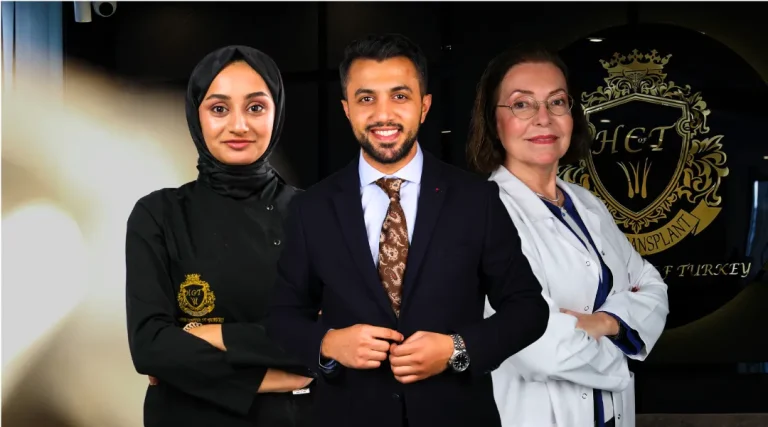
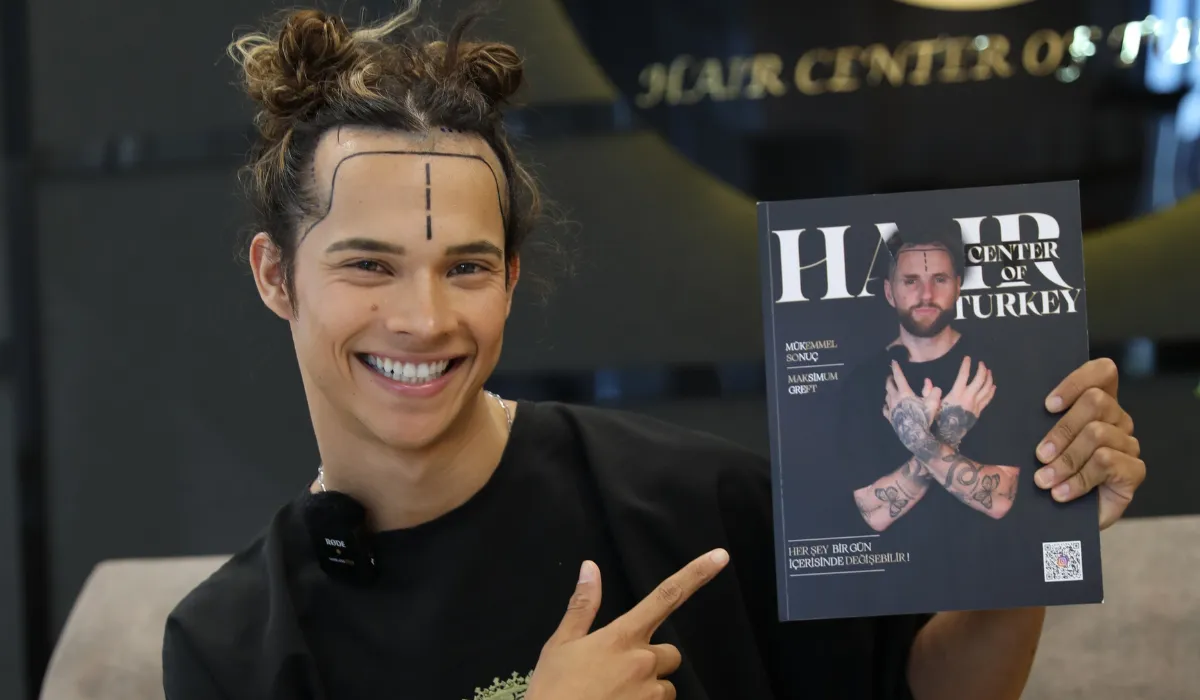
If you’re comparing destinations and want a boutique, VIP-style experience, Hair Center of Turkey offers personalized planning and packaged support. The key is to compare like-for-like: graft estimates, surgeon involvement, aftercare, and total trip cost.
FAQs On Hair Transplants In Bangkok
How much does hair transplant surgery cost in Bangkok?
About 80,000–250,000 THB (≈$2,200–$7,000) in Bangkok, depending on grafts.
How much is hair transplant in Thailand vs Turkey?
Turkey: about $1,700–$3,800; Thailand: about $3,500–$7,000.
How much do hair implants cost in Turkey?
About $1,500–$5,500 in Turkey, often including surgery, medications, and basic aftercare.
Which country is the cheapest for hair transplants?
India is often cheapest; Turkey is cheapest among major hair-transplant tourism destinations.
What is the safest country to get a hair transplant?
No single country is safest; prioritize accredited clinics and board-certified, experienced surgeons.
Explore the complete guide: International Hair Transplant Locations