

Hair Transplant Clinics In Thailand: Best Surgeons, Costs & Procedures Explained
Thailand is a popular place for hair transplants thanks to experienced surgeons, modern clinics, and prices that are often lower than in Western countries. Most patients choose FUE or DHI for minimal scarring, then stay 7–10 days for check-ups and early healing. Total cost depends on graft count, technique, and the surgeon’s credentials and aftercare plan.
Table of Contents
Why Many Patients Choose Thailand For Hair Restoration
Thailand has a long-established private healthcare sector and is easy to reach from many parts of Asia, Australia, and the Middle East. Hair restoration clinics in Bangkok and other major cities commonly offer FUE and DHI, along with structured aftercare for international patients. The key is choosing a surgeon-led clinic with transparent planning, realistic density goals, and clear follow-up support.
What To Expect During A Hair Transplant In Thailand
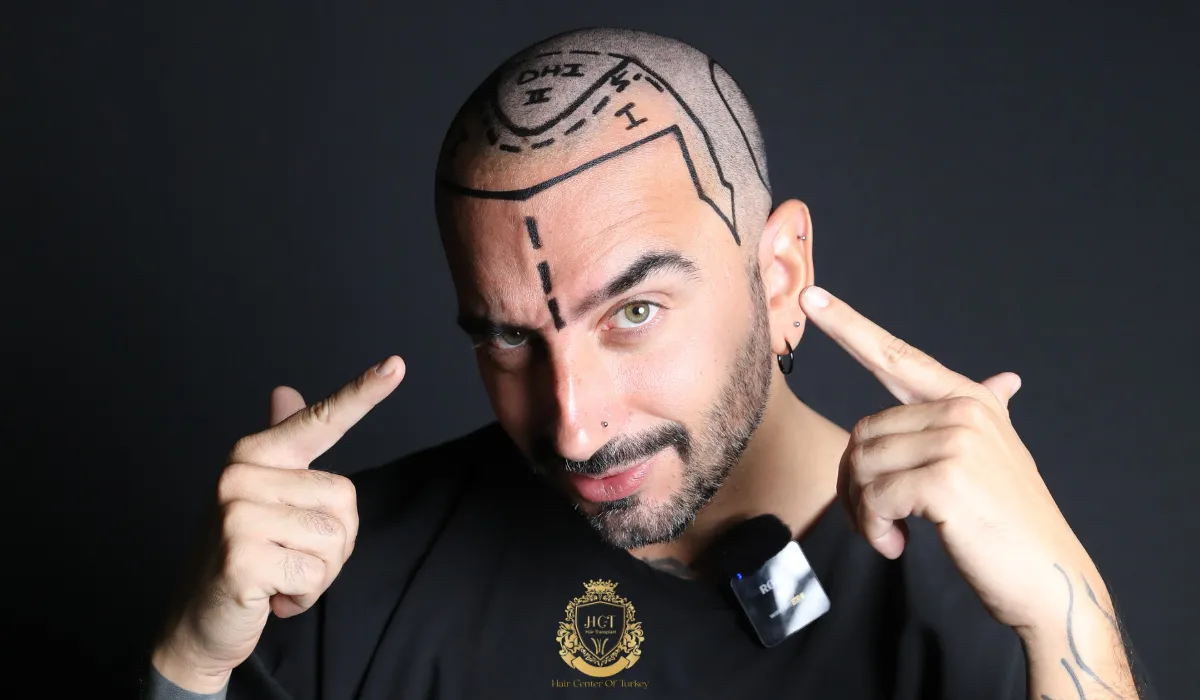
Your first step is a consultation where the surgeon reviews your hair loss pattern, donor area density, medical history, and expectations. A good clinic will measure graft needs, map the hairline, and explain what your donor supply can safely support. You should also receive a written plan covering technique, estimated graft count, aftercare, and total pricing.
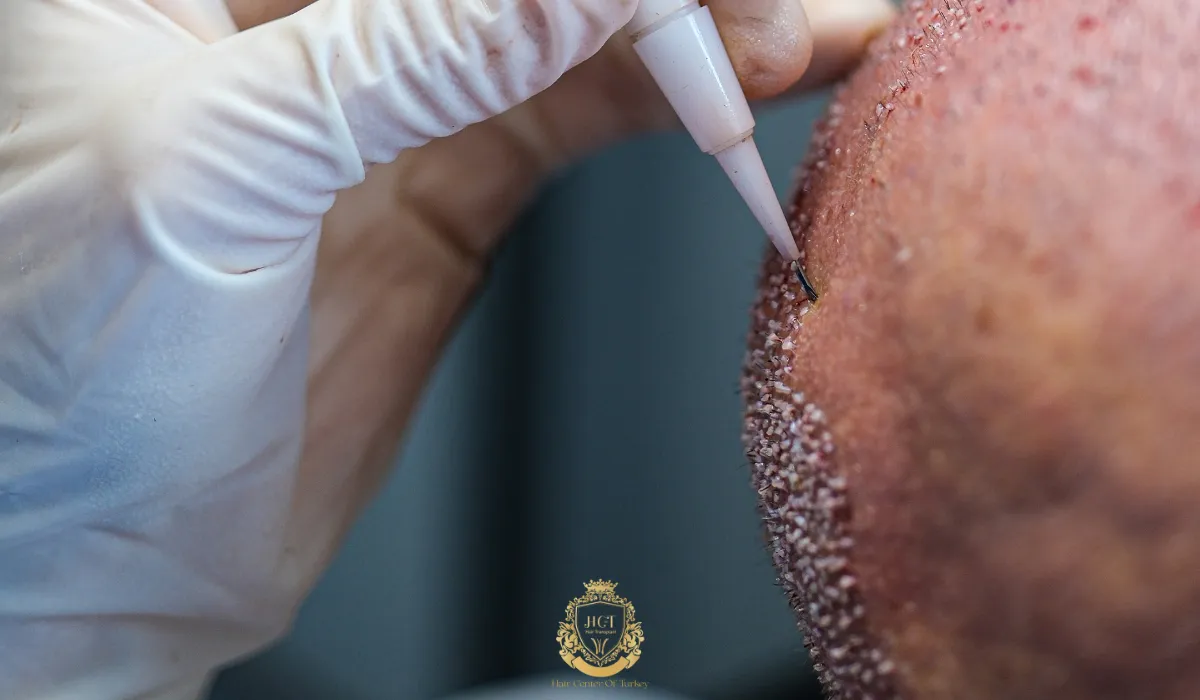
On procedure day, the team typically trims the donor area, uses local anesthesia, and extracts follicles (FUE) or removes a thin strip (FUT). Grafts are then implanted into the thinning area using forceps or an implanter pen (common with DHI). Most sessions take several hours, and you’ll leave the same day with medication, washing instructions, and a follow-up schedule.
Hair Transplant Techniques Used In Thailand
FUE (Follicular Unit Extraction)
FUE removes individual follicular units from the donor area and does not require a long linear incision. It’s widely chosen for shorter hairstyles and for patients who want minimal visible scarring. Results depend heavily on careful graft handling and a conservative, natural hairline design.
DHI (Direct Hair Implantation)
DHI is an implantation method that often uses an implanter pen to place grafts directly into the recipient area. It can help with precise angle control and may be useful for dense packing in certain cases. Costs are frequently higher because the technique can be more time- and labor-intensive.
FUT (Strip Method)
FUT removes a thin strip of skin from the donor area, then follicles are dissected under magnification. It can be a good fit when you need a large number of grafts and want to preserve donor area integrity for future procedures. Because FUT leaves a linear scar, it’s usually better for patients who keep their hair longer in the back and sides.
How To Choose Between FUE, DHI, And FUT
Technique choice should be based on your donor capacity, hair characteristics, goals, and lifestyle—not marketing claims. Ask the surgeon which method protects your donor area over the long term and how they plan graft distribution for a natural look. If you’re unsure, request a second opinion from another qualified hair restoration specialist.
Hair Transplant Cost In Thailand
Prices vary by city, clinic reputation, surgeon experience, technique, and graft count. Many clinics quote a package price, while others price per graft. Expect higher costs for DHI, complex repairs, or very large sessions.
| Technique | Typical Total Range | What Usually Drives The Price |
| FUE | $2,500–$5,000 | Graft count, surgeon seniority, clinic facilities, aftercare |
| DHI | $3,000–$5,500 | Implantation time, staffing, dense packing goals |
| FUT | $2,000–$4,500 | Graft volume, dissection team, scar management |
When comparing quotes, confirm what’s included: consultation, medications, post-op washes, follow-up visits, and any PRP or laser add-ons. Be cautious with prices that look far below the local market, especially if the surgeon’s involvement is unclear.
How To Choose A Reputable Clinic And Surgeon
Start with the surgeon, not the package. Look for a doctor who is licensed in Thailand and who can explain their training in hair restoration, not only general cosmetic medicine. Ask who performs each step: designing the hairline, extracting grafts, creating recipient sites, and implanting follicles. Clear answers here often separate medical clinics from sales-driven operators.
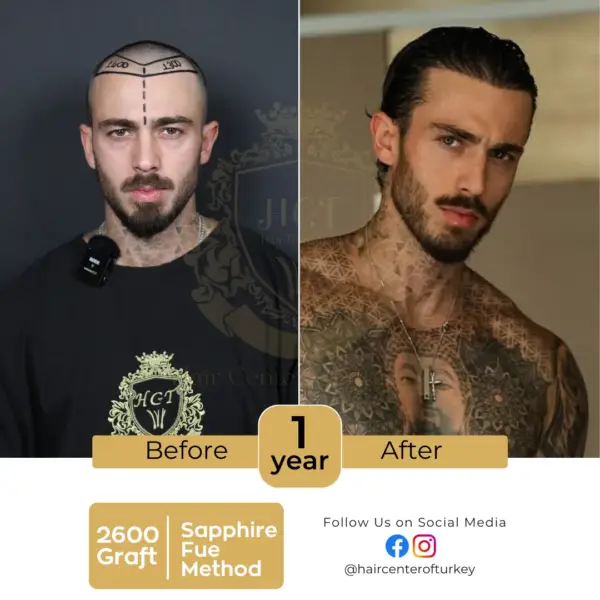
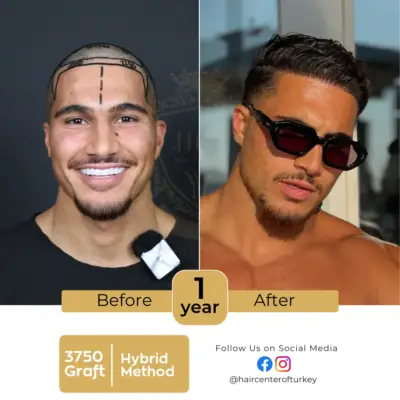
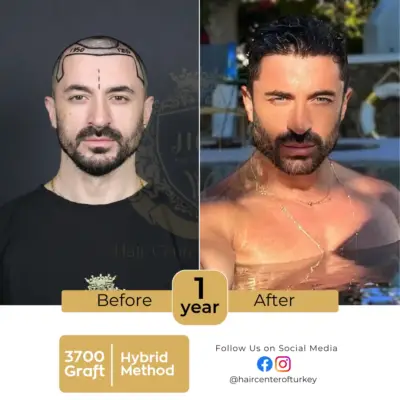
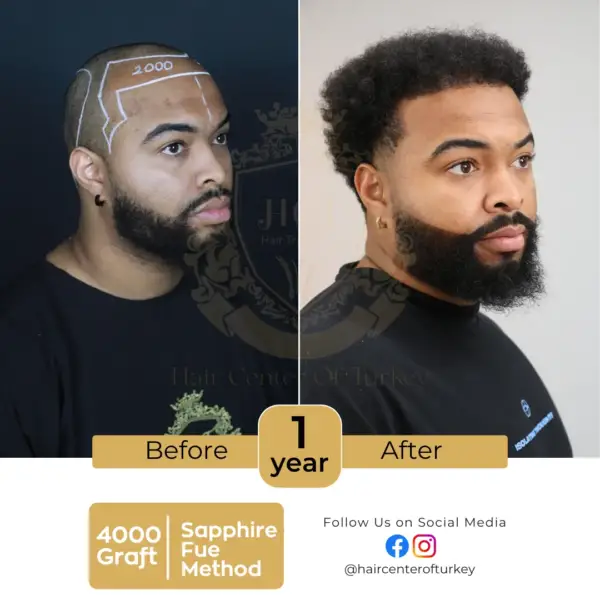
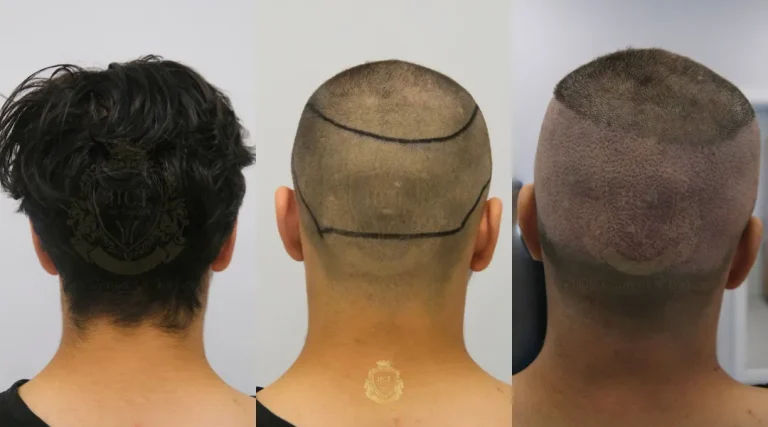
Request recent before-and-after cases that match your hair type and pattern, with consistent lighting and angles. A trustworthy clinic will talk about realistic density, the possibility of shock loss, and the time needed for full growth. You should also receive an aftercare plan and a way to contact the medical team once you return home.
Recovery Timeline After A Hair Transplant
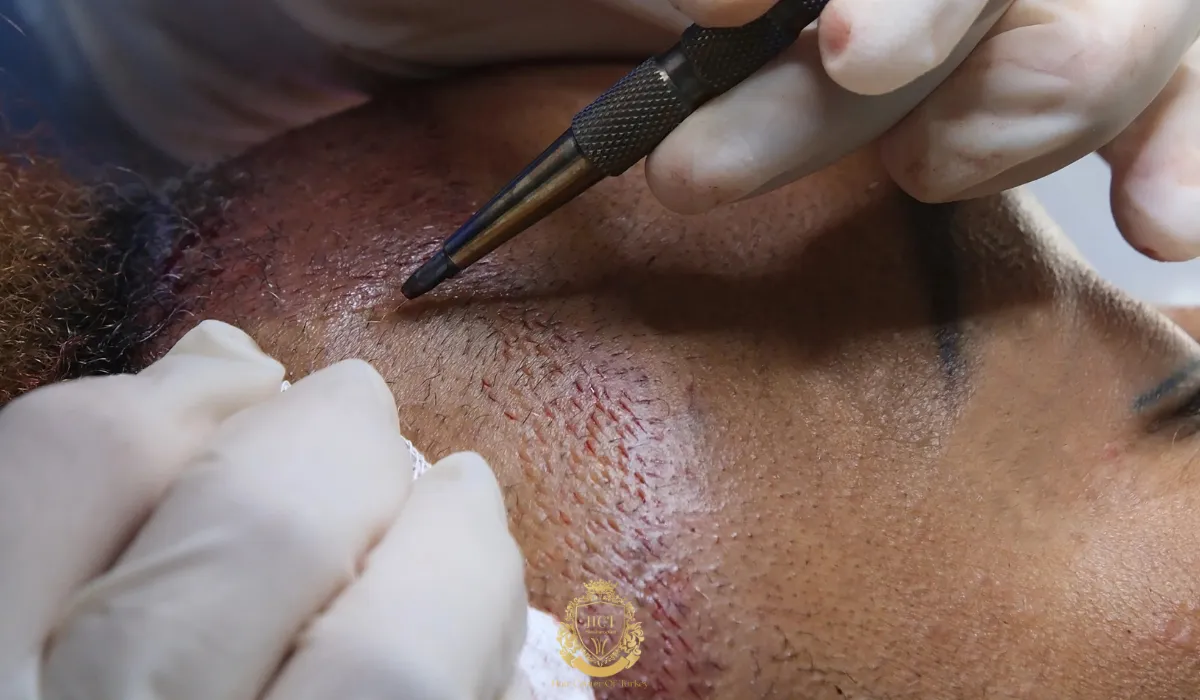
Most patients can do light activities within a day or two, but the scalp needs protection during the first week. Swelling, redness, and small scabs are common early on, and clinics usually schedule one or more post-op washes. Plan to avoid heavy exercise, saunas, and swimming until your surgeon clears you.
It’s normal for transplanted hairs to shed in the first weeks, then regrow over time. Visible improvement often starts around months 3–4, with stronger changes from months 6–9. Final results commonly take 12 months, and sometimes longer for crown areas.
Safety, Risks, And Red Flags
Hair transplantation is a surgical procedure, so risks can include infection, prolonged swelling, poor growth, noticeable scarring, and uneven density. Risk drops when the clinic uses sterile technique, careful graft handling, and a plan that respects donor limits. Avoid clinics that promise “guaranteed density,” refuse to name the operating doctor, or push you to book without a medical consultation.
Travel Tips For Hair Transplant Patients Visiting Thailand
Build your trip around the surgery and early aftercare. Many patients stay in Thailand for about a week so the clinic can wash the scalp, check healing, and remove any bandaging. Choose a hotel with easy transport, keep sun exposure low, and pack a loose-fitting hat if your clinic approves it. If you plan to travel onward, ask about flying time, sleeping position, and how to manage swelling.
FAQs
How much does hair transplant cost in Thailand vs Turkey?
Thailand: $2,500–$6,000; Turkey: $1,500–$4,500.
What is the safest country to get a hair transplant?
How to choose the best hair transplant clinic?
Choose a board-certified surgeon, accredited clinic, proven results, and structured aftercare.
What is the safest country to get a hair transplant?
No single safest country; choose strict regulation: Singapore, UK, Germany, USA, Canada.
Which place in Asia is best for hair transplant?
Leading Asia options include South Korea, Thailand, Singapore, and India with accredited surgeons.
Explore the complete guide: International Hair Transplant Locations