Table of Contents
Hair transplant for heart patients is a process that requires special evaluation for people who have heart disease and are looking for a permanent solution to hair loss. When planning Hair Transplant For Heart Patients, not only hair loss, the number of grafts, or the hairline should be considered, but also important factors such as the person’s heart health, medications used, blood pressure balance, use of blood thinners, and operation-related stress. Heart disease alone is not a definite obstacle to hair transplant; however, a detailed medical evaluation is essential for the procedure to be performed under safe conditions.
Hair Center of Turkey offers a professional approach that evaluates aesthetic expectations together with patient safety in the hair transplant process for heart patients. At Hair Center, the patient’s medical history is examined in detail before the operation, and the process is planned individually. In addition, the presence of an anesthesiologist at Hair Center provides an important safety advantage for heart patients. Proceeding with anesthesiologist support at Hair Center offers a more controlled operation process, especially for people with heart disease.
What Is Hair Transplant For Heart Patients?
Hair transplant for heart patients is a procedure applied to people with heart disease who suffer from hair loss, but it must be planned more carefully compared to standard hair transplant procedures. In this process, not only the hair loss area and donor area are evaluated, but also the type of heart disease, medications used, tolerance to operation stress, and overall health condition of the patient.
When planning hair transplant for heart patients, the main goal is to meet the patient’s aesthetic expectations while ensuring that the procedure is completed under safe conditions. For this reason, cardiology evaluation, medication routine control, and examination of necessary test results before the procedure are important. In suitable candidates, hair transplant can be planned individually to create a more comfortable process.
Can Heart Patients Have Hair Transplant?
Heart patients can have a hair transplant; however, this decision must be made according to the person’s health condition. The heart disease should be under control, the patient should be considered suitable for the operation, and the medications used should be evaluated in terms of the procedure. A more detailed examination is especially required for people who use blood thinners, have arrhythmia, or have recently undergone heart surgery.
Before hair transplant, receiving approval from the patient’s cardiologist is important for the safety of the process. Heart disease alone is not a definite obstacle to hair transplant; however, the procedure may be postponed in patients with uncontrolled heart conditions, serious rhythm problems, or an unsuitable general health condition. With proper planning, hair transplant can be performed in suitable patients.
Is Heart Disease An Obstacle To Hair Transplant?
Heart disease is not always a definite obstacle to hair transplant. The important points are the type and severity of the heart disease, whether it is under control, and whether the patient has a general health condition that can tolerate the procedure. In mild heart conditions that are under regular follow-up, hair transplant can be planned after specialist evaluation.
However, if there is uncontrolled blood pressure, serious arrhythmia, advanced heart failure, a recent heart attack, or high-risk cardiovascular problems, hair transplant may not be suitable or may need to be postponed. Therefore, in people with heart disease, the operation decision should be evaluated not only aesthetically but also in terms of medical safety.
Hair Transplant In Patients Who Have Had Heart Surgery
Hair transplant in patients who have had heart surgery should be planned according to the time passed after the surgery, the patient’s recovery status, and the cardiologist’s evaluation. In people who have recently undergone heart surgery, the body may still be in the recovery phase, so hair transplant should generally not be rushed. Evaluation should be made after the general health condition becomes stable.
Hair Transplant In Patients With A Pacemaker
Hair transplant in patients with a pacemaker should be planned by considering whether the person’s heart rhythm is stable and whether the pacemaker is functioning properly. In these patients, it is important to obtain cardiology approval before the procedure, evaluate the medications used, and keep stress at a minimum during the operation.
Hair Transplant In Patients With Stents
Hair transplant in patients with stents is evaluated according to when the stent procedure was performed, whether the patient uses blood thinners, and the current condition of cardiovascular health. Since blood thinner medications can affect the risk of bleeding during hair transplant, the medication routine must never be changed without doctor supervision.
Hair Transplant In Patients Who Have Had Bypass Surgery
Hair transplant in patients who have had bypass surgery should be planned according to the patient’s post-operative recovery status, effort capacity, medications used, and cardiology control results. Hair transplant can be performed in patients whose heart health is stable and who are approved by their doctor; however, the process must be evaluated individually.
Hair Transplant In Patients With Arrhythmia
Hair transplant in patients with arrhythmia varies according to the type of rhythm problem and whether it is under control. While hair transplant can be evaluated in mild and regularly monitored rhythm disorders, cardiology approval before the procedure is very important in patients who experience frequent attacks or have serious rhythm problems.
Hair Transplant In Patients With Heart Failure
The decision for hair transplant in patients with heart failure should be made much more carefully. The degree of the disease, the person’s effort capacity, shortness of breath complaints, medications used, and general health condition should be evaluated before planning the procedure. Hair transplant may be risky in patients with advanced heart failure.
Doctor Approval Before Hair Transplant In Heart Patients
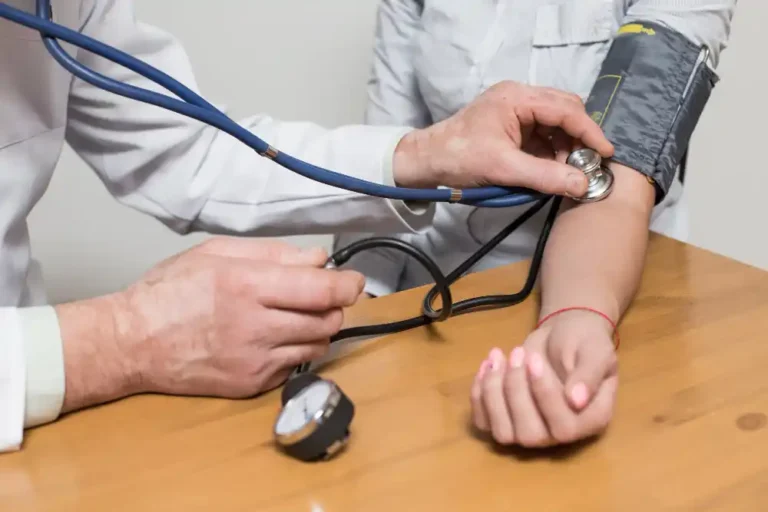
Doctor approval before hair transplant in heart patients is one of the most important steps for planning the operation safely. The cardiologist evaluates the patient’s heart disease condition, medications used, need for blood thinners, heart rhythm, and suitability for operation-related stress. As a result of this evaluation, suitability for hair transplant can be determined more clearly.
Planning hair transplant in heart patients without doctor approval is not appropriate. Stopping certain medications, changing dosage, or managing the operation process incorrectly may lead to serious health problems. Therefore, hair transplant in heart patients should be planned individually with the joint evaluation of the hair transplant specialist and cardiologist.
Heart Rhythm Monitoring During Hair Transplant
Heart rhythm monitoring during hair transplant is important for operation safety, especially in people with a history of heart disease. In conditions such as arrhythmia, pacemaker use, stent placement, bypass surgery, or heart failure, the patient’s general condition should be carefully monitored throughout the procedure, and stress, pain, blood pressure changes, and pulse fluctuations should be kept under control. Thanks to this monitoring, the operation process can be managed more safely and in a more controlled way.
When planning hair transplant in heart patients, the procedure duration, technique to be applied, break intervals, and patient position can be determined individually. Heart rhythm monitoring during hair transplant is important not only to detect possible rhythm changes but also to increase patient comfort and ensure that the operation is completed without unnecessary risk. For this reason, people with heart disease are advised to obtain a cardiology opinion before the procedure.
Hair Transplant Risks In Heart Patients
Hair transplant risks in heart patients may vary depending on the type of disease, level of control, medications used, and the patient’s general health condition. Especially in uncontrolled heart diseases, blood thinner use, or people with arrhythmia, the operation should be planned more carefully.
- Irregular heart rhythm may occur during the operation.
- Blood pressure and pulse values may fluctuate.
- The risk of bleeding may increase due to blood thinner use.
- Palpitations or chest tightness may occur due to operation-related stress.
- Fatigue and discomfort may occur due to a long procedure duration.
- Shortness of breath complaints may increase in people with heart failure.
- Cardiovascular risks may increase due to incorrect discontinuation of medications.
- The risk of complications may increase in people who have recently had a heart attack or heart surgery.
Recovery After Hair Transplant In Heart Patients
The recovery process after hair transplant in heart patients requires both protecting the transplanted area and keeping heart health balanced. After the operation, the patient should avoid heavy physical activities, intense stress, lack of sleep, and medications not recommended by the doctor. If blood thinners or heart medications are used, the routine of these medications should be continued or changed only with a doctor’s recommendation.
During the recovery period, it is necessary to avoid impacts to the transplanted area, follow the recommended washing instructions, and carefully apply care recommendations that reduce the risk of infection. If symptoms such as palpitations, chest pain, shortness of breath, extreme weakness, or unexpected bleeding occur after hair transplant in heart patients, specialist support should be sought without delay. Regular follow-up and proper care help the process progress more comfortably.
Hair Transplant Prices For Heart Patients 2026
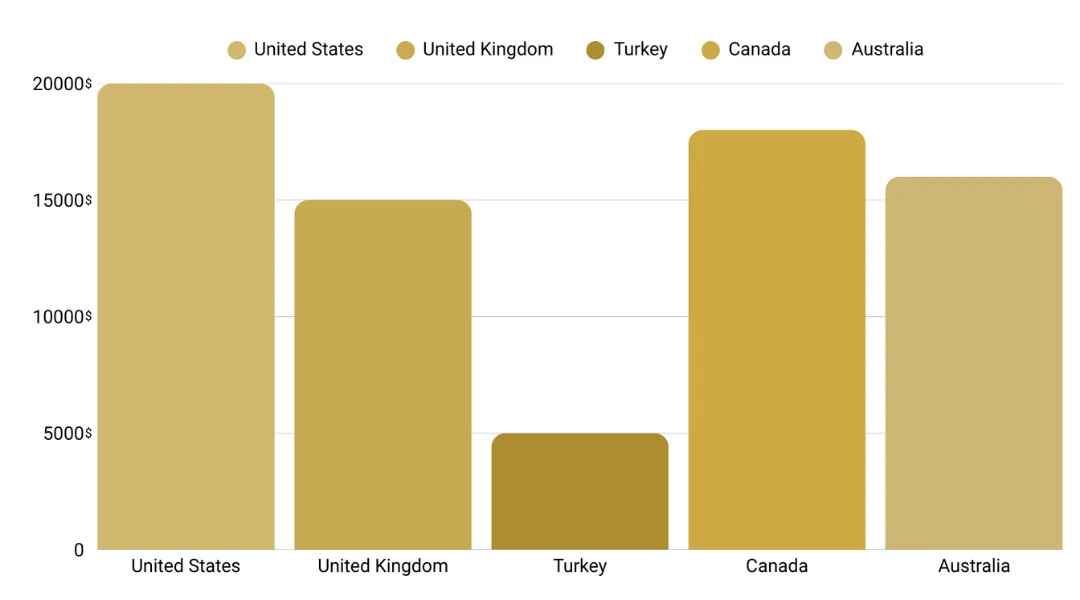
Hair transplant prices for heart patients in 2026 may vary depending on the clinic where the procedure will be performed, the experience of the expert team, the hair transplant method to be used, the number of grafts to be transplanted, and the special follow-up process the patient may need. Since hair transplant in heart patients may require a more comprehensive preliminary evaluation, cardiology approval, and a more careful operation plan compared to standard planning, pricing is determined individually.
Therefore, it would not be correct to give a clear figure for hair transplant prices for heart patients in 2026. The most suitable plan is created by evaluating the type of heart disease the patient has, medications used, level of hair loss, donor area adequacy, and post-operative follow-up needs together. Contact us now for hair transplant prices for heart patients.
Frequently Asked Questions
When Can Someone Who Has Had a Heart Attack Have Hair Transplant?
The timing of hair transplant for someone who has had a heart attack should be determined according to the time passed since the attack, the condition of heart functions, medications used, and the approval of the cardiologist. Hair transplant should not be planned before the general health condition becomes stable.
Is a Cardiology Report Required Before Hair Transplant?
A cardiology report may often be required before hair transplant in heart patients. This report is important for evaluating whether the patient is suitable for operation-related stress, medication routine, and possible risks.
Do Heart Medications Affect Hair Transplant Results?
Some heart medications, especially blood thinners, may affect the risk of bleeding during hair transplant and the operation plan. However, medications should never be stopped by the patient’s own decision, and all adjustments must be made under doctor supervision.
What Should Be Done if Palpitations Occur During Hair Transplant?
If palpitations occur during hair transplant, the operation team evaluates the patient’s pulse, blood pressure, and general condition; if necessary, the operation may be paused. If palpitations continue or additional complaints occur, medical support should be obtained.
What Should Heart Patients Pay Attention To On Hair Transplant Day?
On the day of hair transplant, heart patients should continue their medication routine according to the doctor’s recommendation, avoid fasting, avoid excessive caffeine consumption, and stay away from behaviors that may increase stress. They should also share all health information with the operation team.
Does An ECG Result Affect The Hair Transplant Decision?
An ECG result may affect the hair transplant decision. If arrhythmia, signs of ischemia, or a cardiologically risky condition is detected, hair transplant may be postponed or additional evaluation may be requested.
Can Hair Transplant Be Performed Without Stopping Blood Thinners?
Whether hair transplant can be performed without stopping blood thinners should be evaluated individually. Stopping the medication may reduce the risk of bleeding, but it may create cardiovascular risk, so the decision must be made by a cardiologist.
How Long Should Hair Transplant Take In Heart Patients?
The duration of hair transplant in heart patients should be determined according to the patient’s general condition, hair transplant plan, number of grafts, and operation tolerance. Instead of long procedures, a more comfortable plan with controlled breaks may be preferred.
Explore the complete guide: Medical Safety and Eligibility