


What Is MicroRNA Therapy And How Does It Help Stop Hair Loss?
MicroRNA therapy is an emerging, research-based approach that targets genetic and cellular signals involved in hair follicle function.
Rather than stimulating hair growth on the surface, it aims to regulate gene expression linked to thinning and follicle miniaturization, offering a potential long-term strategy for certain types of hair loss.
Table of Contents
What Is MicroRNA?
MicroRNAs (miRNAs) are small, non-coding RNA molecules that help regulate how genes are expressed inside cells. They work by influencing protein production, which directly affects cell behavior.
In hair follicles, specific microRNAs play a role in controlling growth cycles, cell renewal, and follicle regeneration. When these molecules become unbalanced, normal hair growth can be disrupted.

The Role Of MicroRNA In Hair Growth
Hair follicles rely on precise cellular signaling to move through growth, rest, and shedding phases. Certain microRNAs support follicle activation, while others can suppress growth when overexpressed.
Research has shown that irregular microRNA activity may be linked to conditions such as androgenetic alopecia and autoimmune-related hair loss, making them a key focus in advanced treatment research.
How MicroRNA Therapy Works
MicroRNA therapy focuses on restoring balance at a molecular level. This may involve suppressing microRNAs that inhibit hair growth or enhancing those that support follicle activity.
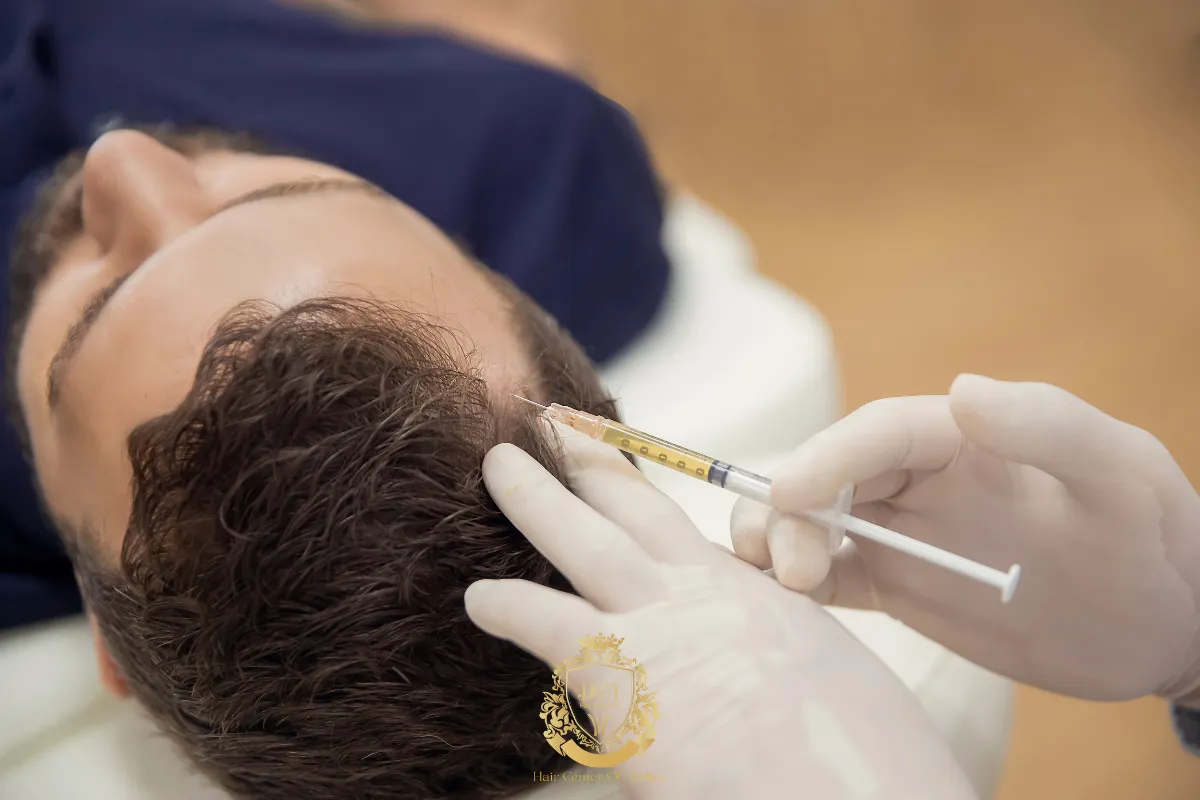
Experimental approaches use synthetic molecules or advanced delivery systems to influence microRNA behavior in scalp tissue. The goal is to create a healthier environment for follicles to function normally again.
Current Research And Clinical Status
At present, microRNA therapy remains largely in the research and development phase. Most evidence comes from laboratory and animal studies, where changes in microRNA expression have led to improved hair density and follicle activity.
Early-stage clinical research is ongoing, primarily focused on safety and feasibility in humans. Widespread clinical use is not yet available.
How MicroRNA Therapy Differs From Traditional Treatments
Conventional treatments often focus on hormonal pathways or topical stimulation. MicroRNA therapy differs by targeting genetic regulation within the follicle itself.
This precision may allow for more natural hair growth patterns and longer-lasting results. Researchers are also exploring how microRNA-based approaches could complement existing treatments rather than replace them.
Challenges And Limitations
Several obstacles remain before microRNA therapy becomes a standard option. Delivering treatments precisely to hair follicles without affecting other tissues is complex.
Long-term safety, consistency of results, and regulatory approval are still under evaluation. These factors mean the therapy should currently be viewed as experimental rather than established.
Future Outlook For MicroRNA-Based Hair Loss Treatments
MicroRNA therapy represents a shift toward precision medicine in hair loss management. As delivery methods improve and clinical data expands, it may play a role in treating selected forms of hair loss.
While not a near-term solution for most patients, it highlights how genetic research may shape future treatment strategies.
Frequently Asked Questions
What are the big 3 for thinning hair?
Minoxidil, finasteride, and ketoconazole shampoo are the “big 3” for thinning hair.
What is my body lacking if my hair is falling out?
Common deficiencies include iron, zinc, protein, and vitamin D; check labs clinically.
What to eat to stop hair falling immediately?
Nothing stops hair loss immediately; eat protein, iron-rich foods, omega-3s, and varied vegetables.
What is the best supplement for hair loss?
Supplements help mainly if deficient; iron, vitamin D, or zinc are most useful.
Can too much vitamin D cause hair loss?
Yes, excessive vitamin D can cause toxicity and hair loss, though uncommon.
Explore the complete guide: Hair Loss Treatments